
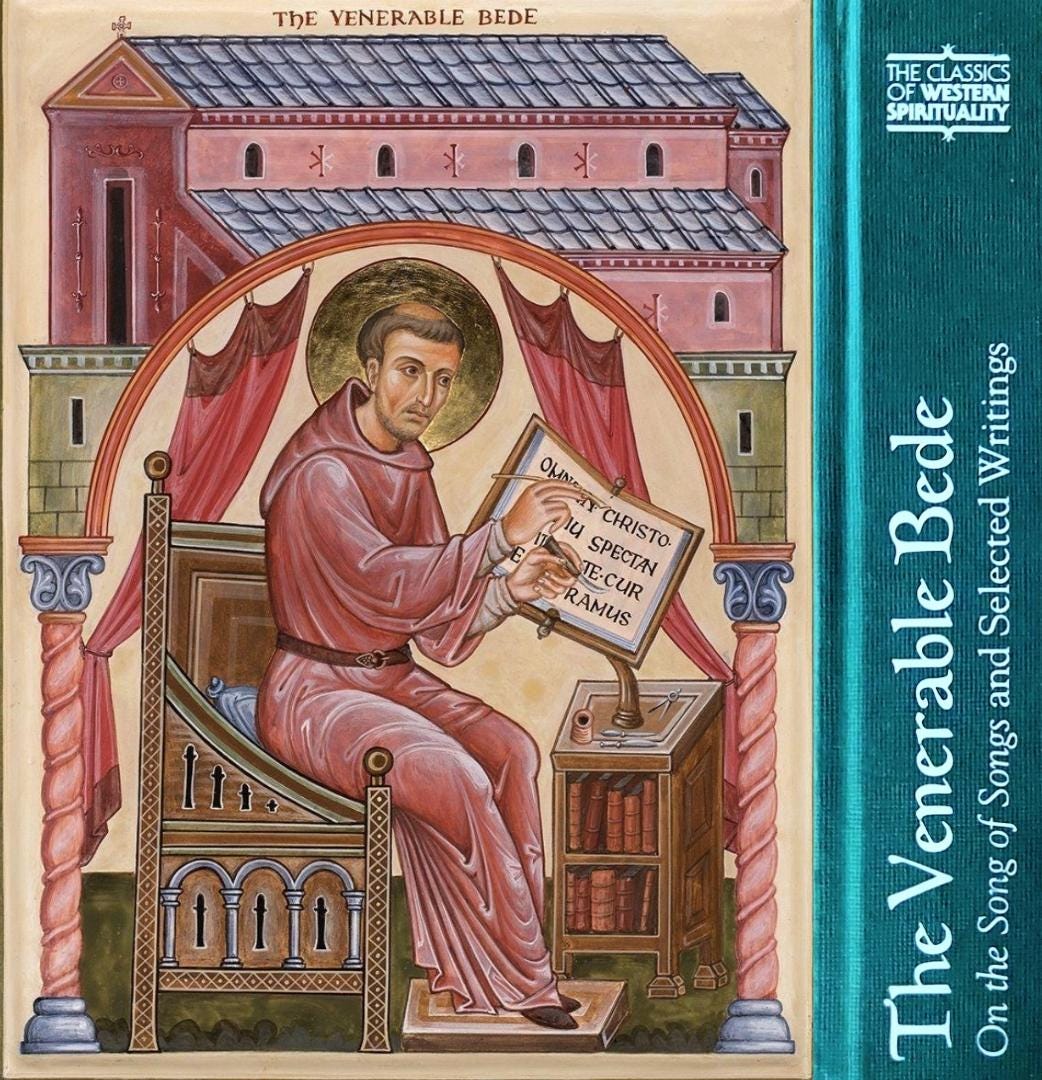
Anglican Ascetic
Evenings with Bede: S2, Ep. 8
Jul 14, 2024 · 23m
Prefer sermons downloaded automatically?
About this sermon
Evenings With Bede are taken from the Sunday solemn Plainsong Evensong services of Saint Paul’s, New Smyrna Beach, Fla., where I am Rector.
SEASON TWO is devoted to understanding the Song of Songs with Bede as teacher, and yours truly as interpreter. We will go verse by verse through the entirety of the Song of Songs.
The format is a short passage from the Song of Songs, then comes commentary from the Bede, and finally an interpretive homily by yours truly expounding upon both. The audio for all three is found above. The text of the two passages is found below.
A Lesson from the Song of Songs, 1.5
I am black but beautiful, O daughters of Jerusalem. Like the tents of Kedar, like the curtains of Solomon. Do not think to consider me, for I am swarthy because the sun has discolored me. My mother’s children have fought against me and made me keeper of the vineyards; my own vineyard I have not kept. Show me, You Whom my soul loves, where You pasture your flock, where You lie down at midday; lest I begin to wander after the flocks of Your companions.
A Lesson from a Treatise by the Venerable S. Bede
After the Bride says, “I am black but beautiful,” she then goes on to say, “Like the tents of Kedar, like the curtains of Solomon.” Kedar was the son of Ishmael, of whom it was said: “His hand will be against everyone, and everyone’s hand against him” (Gen 16.12). The truth of this prediction concerning him is proved by the fact that the nation of the Saracens who are descended from him is today hated by everyone, and it is also affirmed by the Psalmist besieged by vexations when he says: “With those who hate peace I am peaceable” (Ps 120). For we do not read that David endured any animosity from the Ishmaelites, but wishing to exaggerate the evils he was suffering from Saul or from his other adversaries, he complained that he was being harassed by the degradations of that nation that never took the trouble to be at peace with anyone at all. And contrary to them is Solomon, who was peaceable both in his name and in his life. According, as Scripture bears witness: “All the kings of the earth desired to see the face of Solomon, that they might bear the wisdom that God had put into his heart” (2 Chron 9.23). Therefore she says, “I am black but beautiful, like the tents of Kedar, like the curtains of Solomon,” in such a way as to distinguish between being black like the tents of Kedar, and being beautiful like the curtains of Solomon. For just as holy Church is quite often rendered dark by the torments of unbelievers, as if she were the whole world’s common enemy, in fulfillment of the word that the Lord speaks to her: “And you will be hated by all because of My Name” (Mt 10.22), just so is she always fair in the sight of her Redeemer as if she were truly worthy, whom the King of peace Himself deigns to look after. And we should note that Kedar, who by his very name already signifies “darkness,” designates either evil persons or unclean spirits, just as Solomon also, who is understood as being “peaceable” even by the mystery of his name, indicates him of Whom it was written: “His authority shall be multiplied, and there shall be no end of peace upon the throne of David, and upon His kingdom” (Is 9.7). And when the Church is said to be black like the tents of Kedar, this is asserted not as if it were really so, but according to the opinion of those fools who images that she furnishes in herself a dwelling place for vices and for evil spirits, but when she is called beautiful like the curtains of Solomon, this is asserted as if it really is the case, because just as Solomon was accustomed to make tents for himself out of the skins of dead animals, in the same way the Lord gathers the church together to himself from those souls who have learned to renounce carnal desires. Therefore He said to all: “If any want to come after Me, let them deny themselves and take up their Cross and follow Me” (Mt 16.24); and the Apostle Paul says, “Put to death your earthly members” (Col 3.5). Certain persons who read this verse as “I am black and beautiful” say that in her carnal and false members the Church is black like the tents of Kedar, but in those who are spiritual she is beautiful like the curtains of Solomon. But if we attend to what is written concerning the Lord: “We have seen Him, and He had no form nor comeliness” (Is 53.2), which was not said concerning His sin (for He had no sin at all), but of His suffering, surely it is obvious that the Church also is said to be black not on account of sins or the defects of sinners, but on account of her own trials and sufferings, with which she is continually vexed.
If you find this edifying, please consider (if you haven’t already) becoming a paid subscriber. Your support goes directly to supporting the ministry of Akenside Institute for English Spirituality, a project I started 12 years ago.
Get full access to Anglican Ascetic Podcast at anglicanascetic.akensideinstitute.org/subscribe
More from Anglican Ascetic
Evenings with Bede: S4, Ep. 3: S. John’s Greeting
Nov 22, 2026 · 35m
In the audio provided, the lessons are read, and then followed by a homily by yours truly.A Lesson from the Revelation to S. John, 1.4-7John, to the seven churches which are in Asia: Grace be unto you...
On Keeping a Holy House of Prayer
Nov 22, 2026 · 17m
Our Feast of Dedication which we celebrate today we are celebrating because it was on this date, 104 years ago—that is, on the 19th of November, 1922, despite our being established in 1769 through...
On the Witness of S. Hilda of Whitby
Nov 18, 2026 · 20m
Almighty and everlasting God, We give Thee thanks for the purity and strength with which Thou didst endow Thy servant Hilda, Abbess; and we pray that by Thy grace we may have a like power to hallow...
Evenings with Bede: S4, Ep. 2: Bede’s Introduction
Nov 16, 2026 · 31m
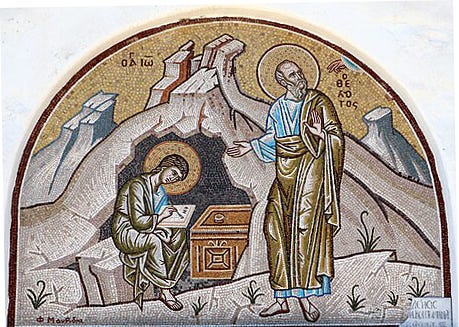
In the audio provided, the lessons are read, and then followed by a homily by yours truly.A Lesson from the Revelation to S. John, 1.1-3The Revelation of Jesus Christ, which God gave to Him, to make...
Ep. 1: S. Origen on S. John’s Prologue
Nov 14, 2026 · 1h 37m
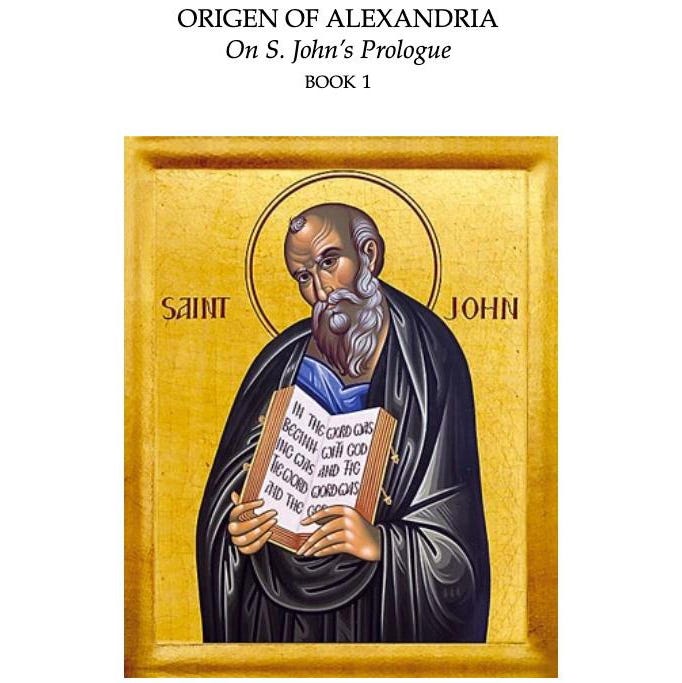
This is unedited audio of a parish scripture study course in which we are studying the Prologue of S. John’s Gospel as interpreted by the early 3rd century Church Father and brilliant interpreter of...
On S. Martin, Bishop of Tours
Nov 11, 2026 · 15m
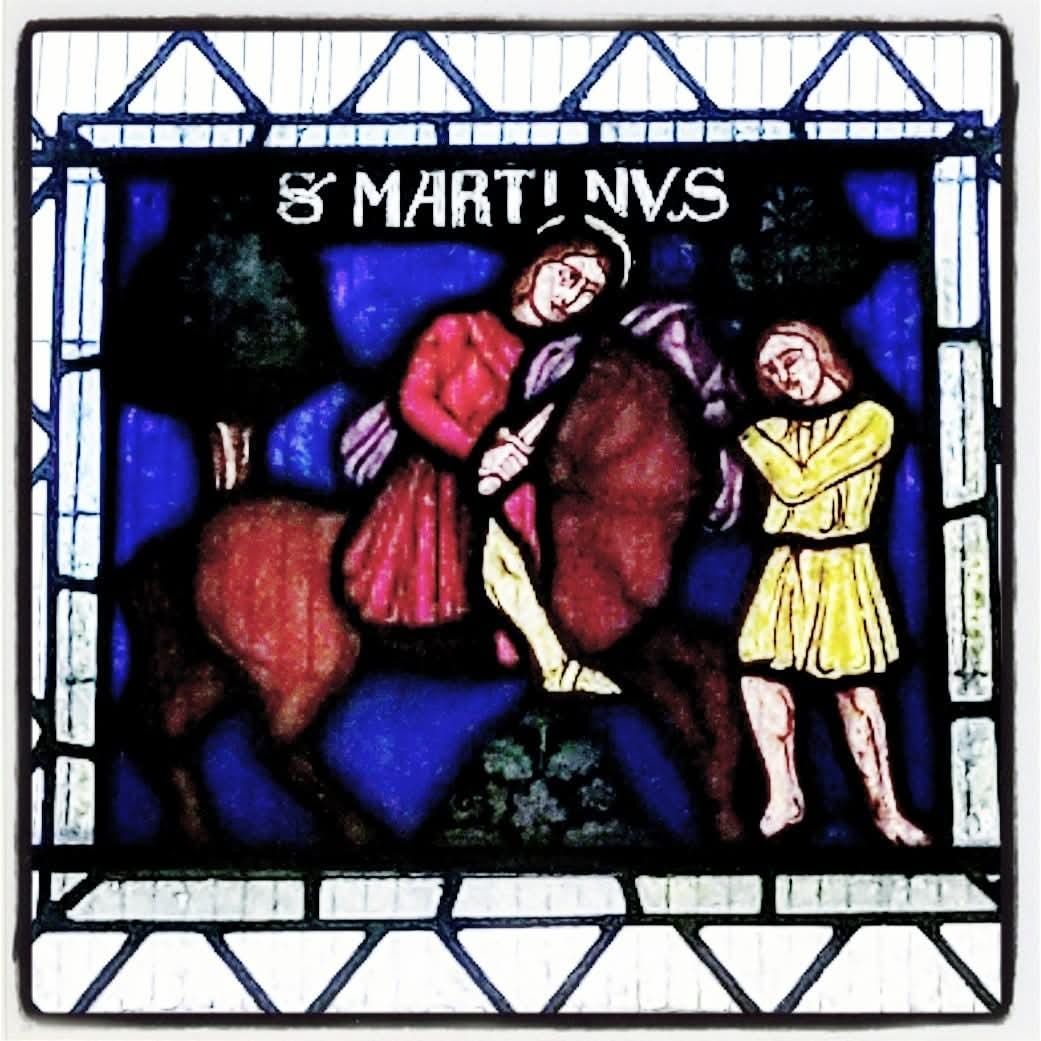
O God, Who by Thy Holy Spirit didst enable Thy servant Martin to withstand the temptations of the world, the flesh, and the devil: Grant that we, in the same Spirit, may with pure hearts and minds...
Take these sermons with you.
Follow Anglican Ascetic in the Getsermons app to get every new sermon, build playlists, and pick up right where you left off.

