
Anglican Ascetic
On Being a Living Sacrifice
Sep 2, 2023 · 15m
Prefer sermons downloaded automatically?
About this sermon
“Get behind me Satan” is a heck of a thing for Jesus to say. It is a heck of a thing for Our Lord to say to anyone, I think; but especially shocking for Him to say to Peter, the disciple whose glorious confession Jesus had just praised and responded by proclaiming upon that rock – the rock of Peter’s confession—Christ would build His Church. But now, just a few short verses later in Matthew 16, after Peter said, “God forbid, Lord! This shall never happen to you”—referring to Jesus teaching that He would suffer many things, be killed, and on the third day be raised – Jesus said, “Get behind me Satan!” and adding, “You are a hindrance to me; for you are not on the side of God, but of men.” If we were with Jesus and the disciples, hearing all this, would not our heads spin, disoriented as to what is going on?
There are two ways I think to understand what Jesus said to Peter (Get behind me Satan). The first is that anyone who gets between Jesus and the Cross is Satan; or put another way, Satan is always trying to get between Jesus and the Cross. Why? So that we do not associate Jesus with the Cross, but instead think of Him in other ways, as a different kind of Messiah that He is: such as a teacher of wisdom; or as someone who speaks truth to power; or a someone one wrongs social injustice; as someone who votes for a particular political party or candidate; and on and on. To take the Cross out of the life of Christ is to remove His identity as the Crucified One, He who offered Himself for us, He Whose strength is perfected in weakness, as Jesus told Saint Paul.
Another way to understand what Jesus said to Peter is that Jesus wanted to call his disciples’ attention to the teaching which followed. Our Lord said, “If any man would come after me, let him deny himself and take up his cross and follow me.” And Jesus added, “For whoever would save his life will lose it, and whoever loses his life for my sake will find it. For what will it profit a man, if he gains the whole world and forfeits his life? Or what shall a man give in return for his life?” Certainly the disciples remembered this teaching, for it was recorded by Saint Matthew. Certainly they themselves ruminated on its meaning.
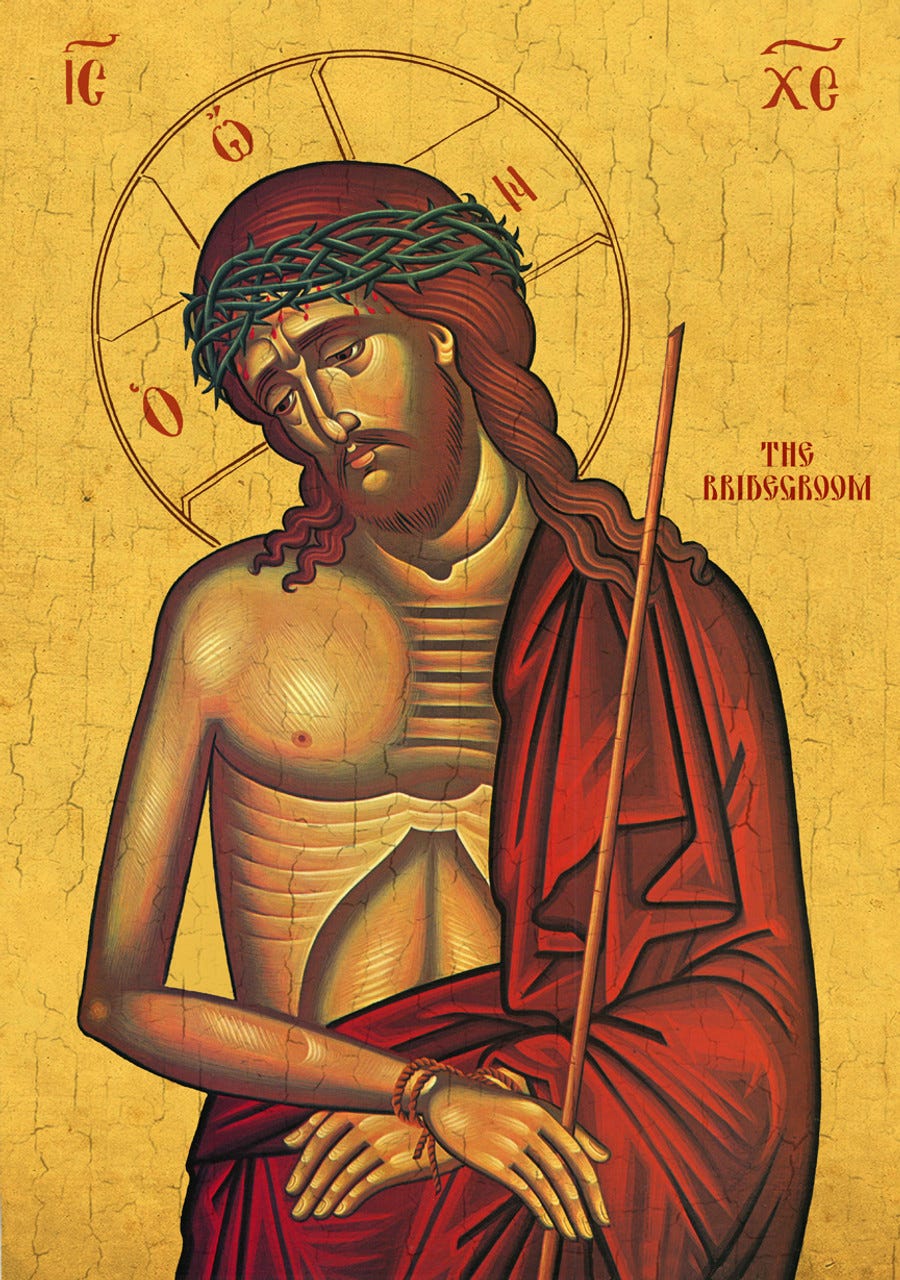
What is our Lord after with this teaching? He is certainly aiming to describe what it means to follow Him; therefore what it means to be a disciple, to truly be a Christian person. A great voice of the early centuries of Christianity, the church father Saint Basil the Great who lived in the 300s and was the most prominent voice as the Church became legal under Emperor Constantine, summarized what our Lord desires Christians to be. His teaching included: as disciples of Christ, who pattern themselves on what they see and hear from Jesus; as sheep of Christ, who hearken only to the voice of their shepherd and follow Him; as cuttings grafted onto Christ; as a bride of Christ, being content with the desires of the Bridegroom alone; as holy temples of God, filled only with was is conducive to worship, and, lastly for now, as a sacrifice to God, blameless and unblemished, preserving in all our limbs and members the health of godly piety.
That last one really tells the whole story: Christ desires Christians to be as a sacrifice to God. Hence Saint Paul’s teaching to the Church in Rome: “I appeal to you, brethren, by the mercies of God, to present your bodies as a living sacrifice, holy and acceptable to God, which is your spiritual worship.” The importance of Paul’s teaching is seen both that it takes up over three chapters of his epistle to the Romans, and that it found an important place in Anglican liturgy, during the Liturgy of the Eucharist, when the Priest says on behalf of all gathered: “And here we offer and present unto Thee, O Lord, our selves, our souls and bodies, to be a reasonable, holy, and living sacrifice unto Thee.” To offer ourselves as a living sacrifice, even to live sacrificially, is at the beating heart of Christianity.
Christ draws us to His state, because He is the perpetual sacrifice and the one who perpetually sacrifices. He does not sacrifice us as objects; rather, He draws us as subjects to self-sacrifice, to an active and lasting self-offering, which makes us share in His sacrificial state, His sacrificial existence. By sharing in His sacrifice, we partake not only of the sacrifice but also we partake of Him Who offers it. We thereby become not just sacrifices but also part of Him who sacrifices. All so that our very person is in a sacrifical state, a state of voluntary self-offering, of active surrendering to God and to God in our fellow human beings—that in all things we may living exclusively according to His will.
Dear brothers and sisters, to speak bluntly but truthfully: to not seek to live this way blocks the power of the Holy Spirit in our lives and in our parish. Yet on the other hand, to seek to live this way, to yearn to life this way—to seek to offer ourselves as a living sacrifice which participates in Christ’s full, perfect, and sufficient sacrifice which He is always offering—to seek to live this way is the true Christian desire, because through it we become by grace a new creation, able to walk in the newness of life. In this is our spiritual worship; by this comes the transformation by the renewal of our mind; and because of this the Holy Spirit can His appeal to the world, we becoming true agents of grace upon a world that so badly needs the light of Christ. Amen.
Fr Matthew C. Dallman's Substack is a reader-supported publication. To receive new posts and support my work, consider becoming a free or paid subscriber.
Get full access to Anglican Ascetic Podcast at anglicanascetic.akensideinstitute.org/subscribe
More from Anglican Ascetic
Evenings with Bede: S4, Ep. 3: S. John’s Greeting
Nov 22, 2026 · 35m
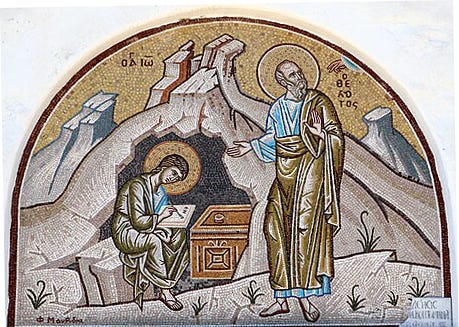
In the audio provided, the lessons are read, and then followed by a homily by yours truly.A Lesson from the Revelation to S. John, 1.4-7John, to the seven churches which are in Asia: Grace be unto you...
On Keeping a Holy House of Prayer
Nov 22, 2026 · 17m
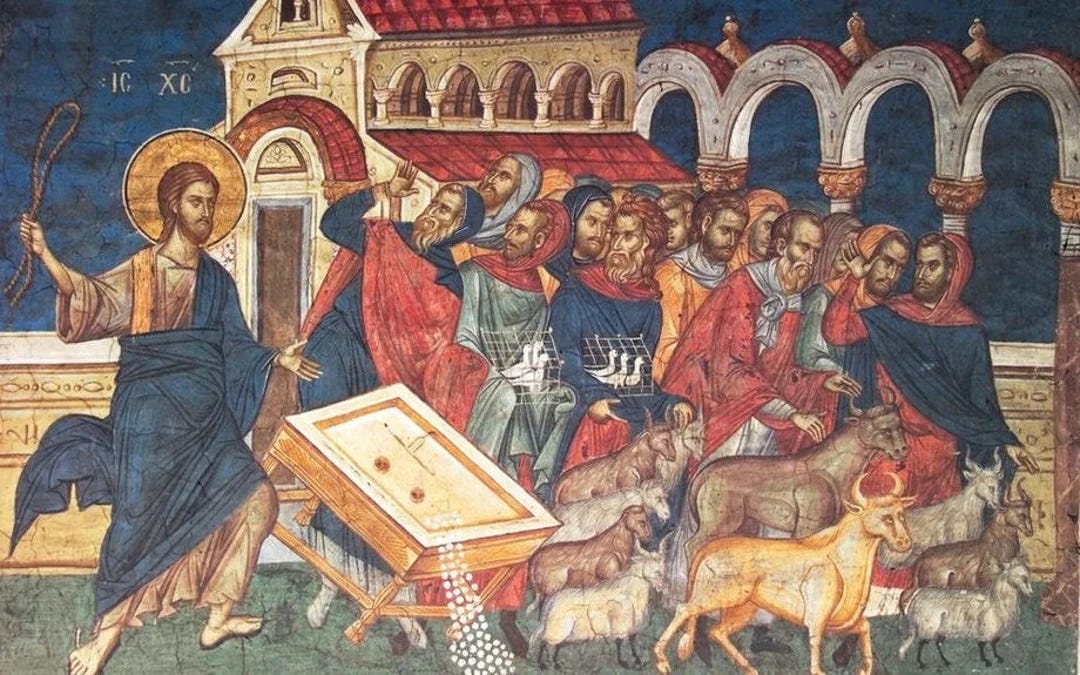
Our Feast of Dedication which we celebrate today we are celebrating because it was on this date, 104 years ago—that is, on the 19th of November, 1922, despite our being established in 1769 through...
On the Witness of S. Hilda of Whitby
Nov 18, 2026 · 20m
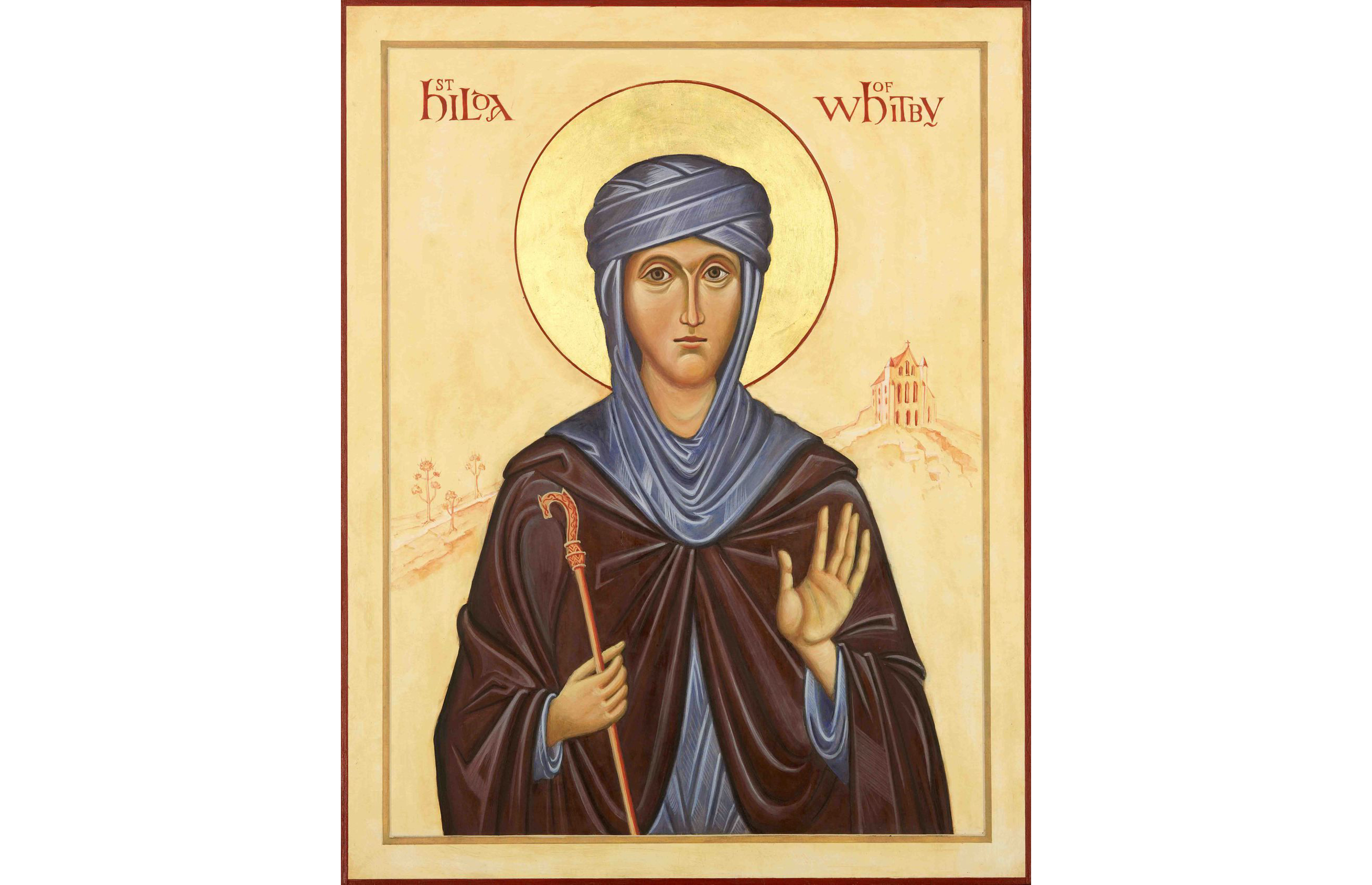
Almighty and everlasting God, We give Thee thanks for the purity and strength with which Thou didst endow Thy servant Hilda, Abbess; and we pray that by Thy grace we may have a like power to hallow...
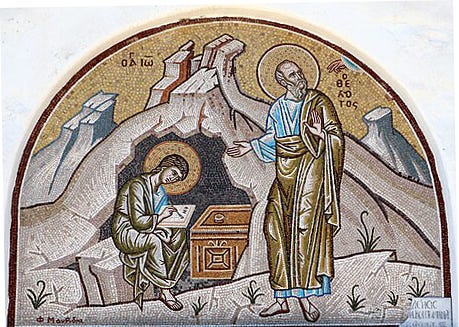
Evenings with Bede: S4, Ep. 2: Bede’s Introduction
Nov 16, 2026 · 31m
In the audio provided, the lessons are read, and then followed by a homily by yours truly.A Lesson from the Revelation to S. John, 1.1-3The Revelation of Jesus Christ, which God gave to Him, to make...
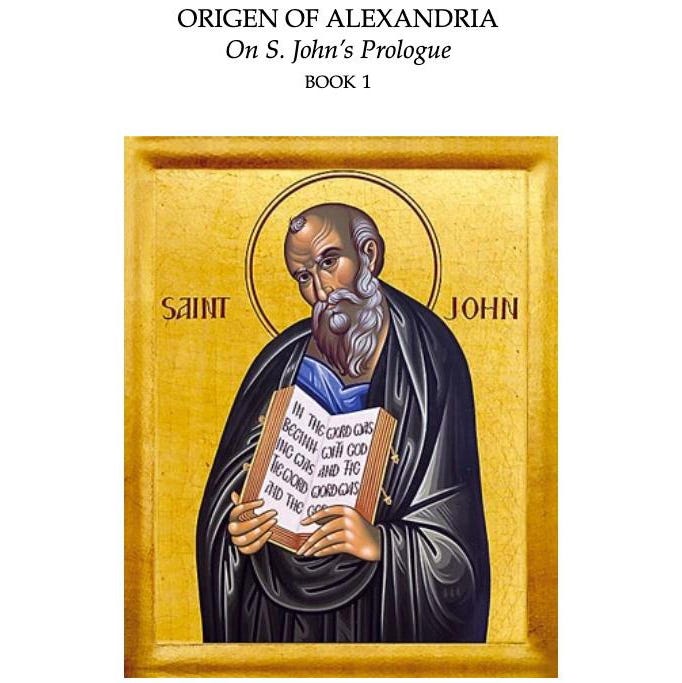
Ep. 1: S. Origen on S. John’s Prologue
Nov 14, 2026 · 1h 37m
This is unedited audio of a parish scripture study course in which we are studying the Prologue of S. John’s Gospel as interpreted by the early 3rd century Church Father and brilliant interpreter of...
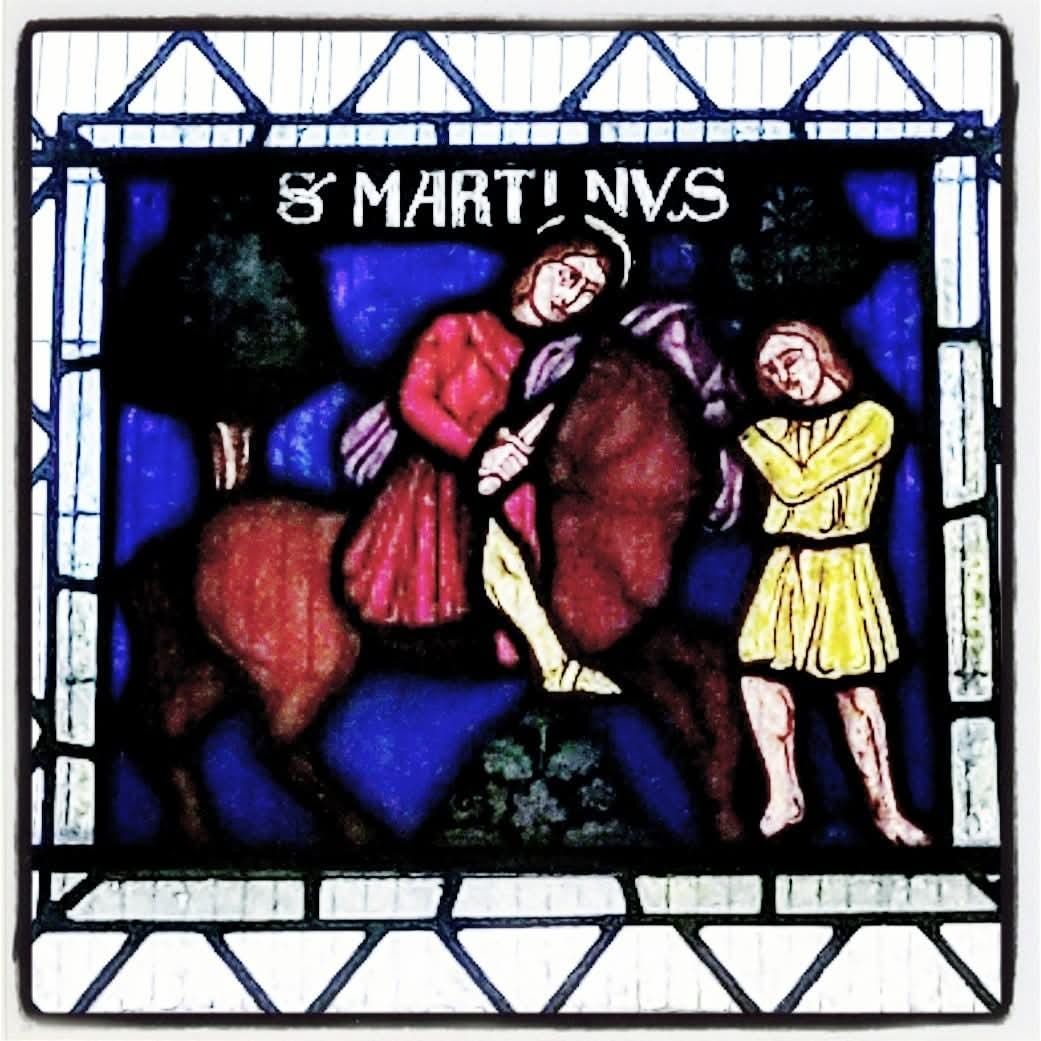
On S. Martin, Bishop of Tours
Nov 11, 2026 · 15m
O God, Who by Thy Holy Spirit didst enable Thy servant Martin to withstand the temptations of the world, the flesh, and the devil: Grant that we, in the same Spirit, may with pure hearts and minds...
Take these sermons with you.
Follow Anglican Ascetic in the Getsermons app to get every new sermon, build playlists, and pick up right where you left off.

