
Anglican Ascetic
On Being God's Coin of Love
Oct 30, 2023 · 19m
Prefer sermons downloaded automatically?
About this sermon
[Note: the audio recording above will vary in places from the prepared text below.]
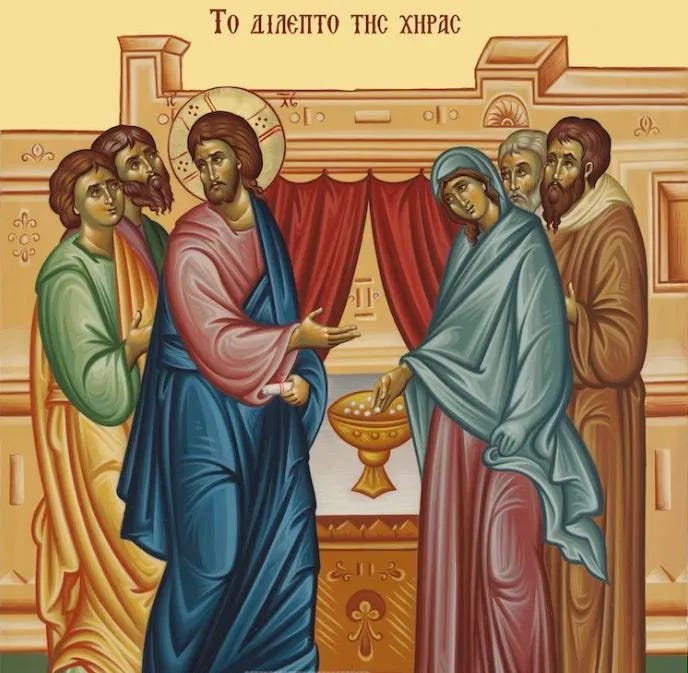
One of the images of Stewardship that I shared last Sunday was to see ourselves as a coin. It comes from a parable Our Lord Jesus told of the kingdom of heaven, in which a woman has ten coins. She loses one – and when it is found, the coin is a cause for rejoicing by her and the angels. As far as the significance and interpretation of this parable, an important and influential voice is that of the 7th century Church Father, S. Gregory the Great, who is a huge influence upon all of western Christianity. Gregory the Great saw the woman as representing Holy Church, the nine coins being the nine orders of Holy Angels, and the tenth coin, the one lost, being humanity, all human beings; lost because of sin. In essence, S. Gregory taught us to understand ourselves as a coin: God’s coin, of immense value because the coin is His; of immense value because He made the coin; of immense value because when it is found, Angels rejoice, and Holy Church rejoices as well.
This is all in the context of Our Lord’s teaching to render unto Caesar that which is Caesar’s; and to render unto God that which is God’s. Because Caesar’s image is on the coin the Pharisee’s showed Jesus, the coin goes to Caesar. Yet because God’s image is upon the woman’s tenth coin, and that coin is us, part of what it means to be found is to recognize that we are God’s, and thus we are to give ourselves to God because we are His coin. His image is upon us; we are made in His image.
Being made in the image of God is something we hear a lot; and for good reason, for the most part I think. Yet because we hear it so much, its meaning might be obscured. We might then ask: what does it in fact mean to be made in God’s image? And here is where the famous teaching about God being love comes to its primary teaching value. That teaching from Saint John comes in the fourth chapter of his first epistle, verses 7 - 11. John writes, “He who does not love does not know God; for God is love. In this the love of God was made manifest among us, that God sent his only Son into the world, so that we might live through him. In this is love, not that we loved God but that he loved us and sent his Son to be the expiation for our sins. Beloved, if God so loved us, we also ought to love one another.” Because we know that God so loves us, that He sent His only Son into the world, that we might live through Him: because of this, therefore we know God’s nature is love. Just as it takes one to know one; if we do not love, then we cannot know God; but if we do love, then, John teaches, then and only then are we truly able to know God, and to know that God is love; that is His nature, at least as it has been revealed to us.
This is why our Lord Jesus summarizes the Law in the way He does. “Teacher, which is the great commandment in the Law?” He is asked. “You shall love the Lord your God with all your heart, and with all your soul, and with all your mind. This is the great and first commandment. And the second is like it, You shall love your neighbor as yourself.” The great commandment, being as it about love, and love in the sense of self-offering, or better, “self-sacrifice,” because when we love with all our heart, all our soul, all our mind, this is a complete love, a love of surrendering ourselves to God, a love of holding nothing back, but of giving completely, which is what self-sacrifice means – being as the great commandment is about sacrificial love, we see that it expresses our nature, because in this is our God-given image. We are made, by our nature, with the capacity to love God, in the sense of giving to Him our time, our talent, our treasure. We no more have to be taught how to love God than a newborn has to be taught how to love his or her mother and father; it is innate, it is part of the fabric of the newborn baby; but it is something that the baby, when it grows through the phases of maturation, can forget. So we know how to love God, in the sense that we are made in God’s image which reflects God’s nature which is to love; yet we forget through our lives which become enmeshed in patterns of sin that we know how to love, and in that sense need to be reminded of our original nature, what is called by theologians “original righteousness.” Only Christ reminds us of who we truly are. And to be reminded of who we are comes from loving Christ, who said, “If a man love Me, he will keep My word, and My Father will love him, and we will come to him and make our home with him.”
My dear brothers and sisters, let us remember that the image of love in which we are made is not love as it shows up in films, romance novels, or the endless pop songs on permanent shuffle on the playlists of this fallen world. Rather, the image of love in which we are made is that of the Face of Jesus Christ, especially the Face of Christ on the Cross in sacrifice; He who is the Son of David, Whom David addresses as Lord, because the Son of David is the only-begotten Son of God, begotten of His Father before all worlds. His Face is our original righteousness, the identity at our origin. And what this means is that somewhere buried in us is the Face of Christ, Who is the invisible image of the Father. And how is this Face unburied? How do we regain the likeness to the Face which we lose amid sin? How is this Face known and seen by others? It is by being a living sacrifice in our lives; it is by giving of our whole selves (heart, soul, mind); it is by giving our time, talent, and treasure to God, because to do so is to live up to the highest, most holy version of our self: the image and likeness of Whom we were created to become. Amen.
Get full access to Anglican Ascetic Podcast at anglicanascetic.akensideinstitute.org/subscribe
More from Anglican Ascetic
On Eucharist and Creation
Nov 26, 2026 · 16m
O most merciful Father, Who hast blessed the labours of the husbandman in the returns of the fruits of the earth; we give Thee humble and hearty thanks for this Thy bounty; beseeching Thee to continue...
Evenings with Bede: S4, Ep. 3: S. John’s Greeting
Nov 22, 2026 · 35m
In the audio provided, the lessons are read, and then followed by a homily by yours truly.A Lesson from the Revelation to S. John, 1.4-7John, to the seven churches which are in Asia: Grace be unto you...
On Keeping a Holy House of Prayer
Nov 22, 2026 · 17m
Our Feast of Dedication which we celebrate today we are celebrating because it was on this date, 104 years ago—that is, on the 19th of November, 1922, despite our being established in 1769 through...
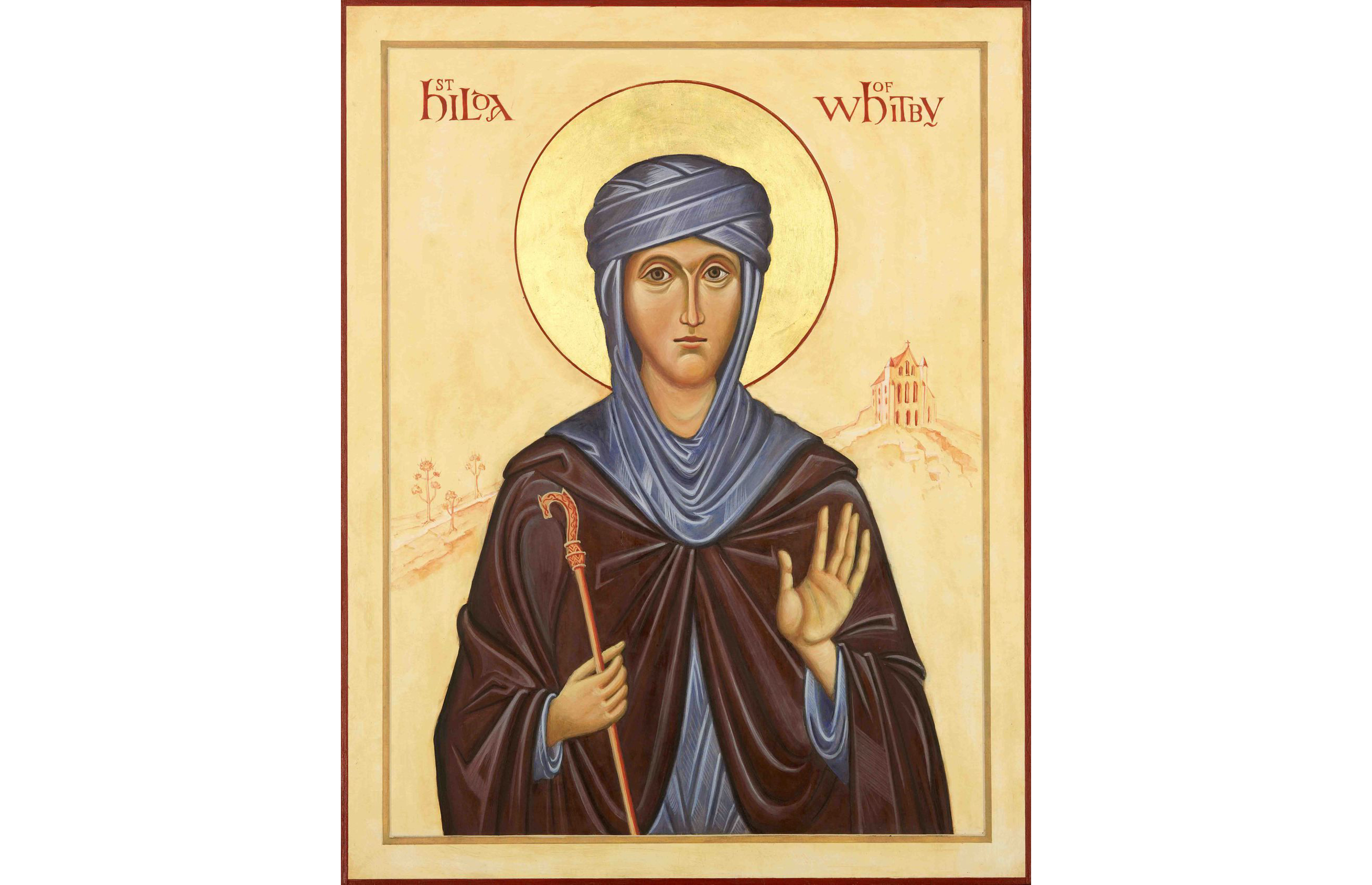
On the Witness of S. Hilda of Whitby
Nov 18, 2026 · 20m
Almighty and everlasting God, We give Thee thanks for the purity and strength with which Thou didst endow Thy servant Hilda, Abbess; and we pray that by Thy grace we may have a like power to hallow...
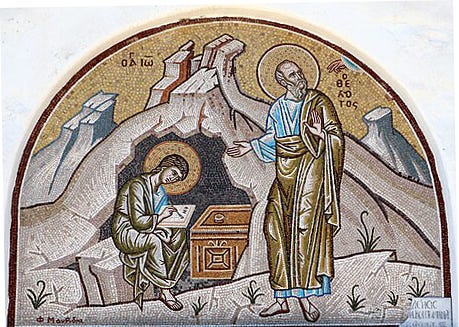
Evenings with Bede: S4, Ep. 2: Bede’s Introduction
Nov 16, 2026 · 31m
In the audio provided, the lessons are read, and then followed by a homily by yours truly.A Lesson from the Revelation to S. John, 1.1-3The Revelation of Jesus Christ, which God gave to Him, to make...
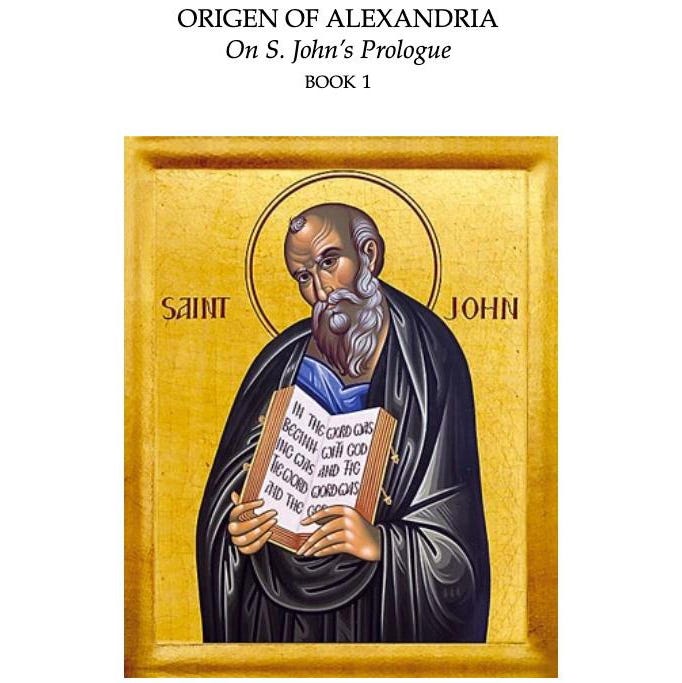
Ep. 1: S. Origen on S. John’s Prologue
Nov 14, 2026 · 1h 37m
This is unedited audio of a parish scripture study course in which we are studying the Prologue of S. John’s Gospel as interpreted by the early 3rd century Church Father and brilliant interpreter of...
Take these sermons with you.
Follow Anglican Ascetic in the Getsermons app to get every new sermon, build playlists, and pick up right where you left off.

