
Anglican Ascetic
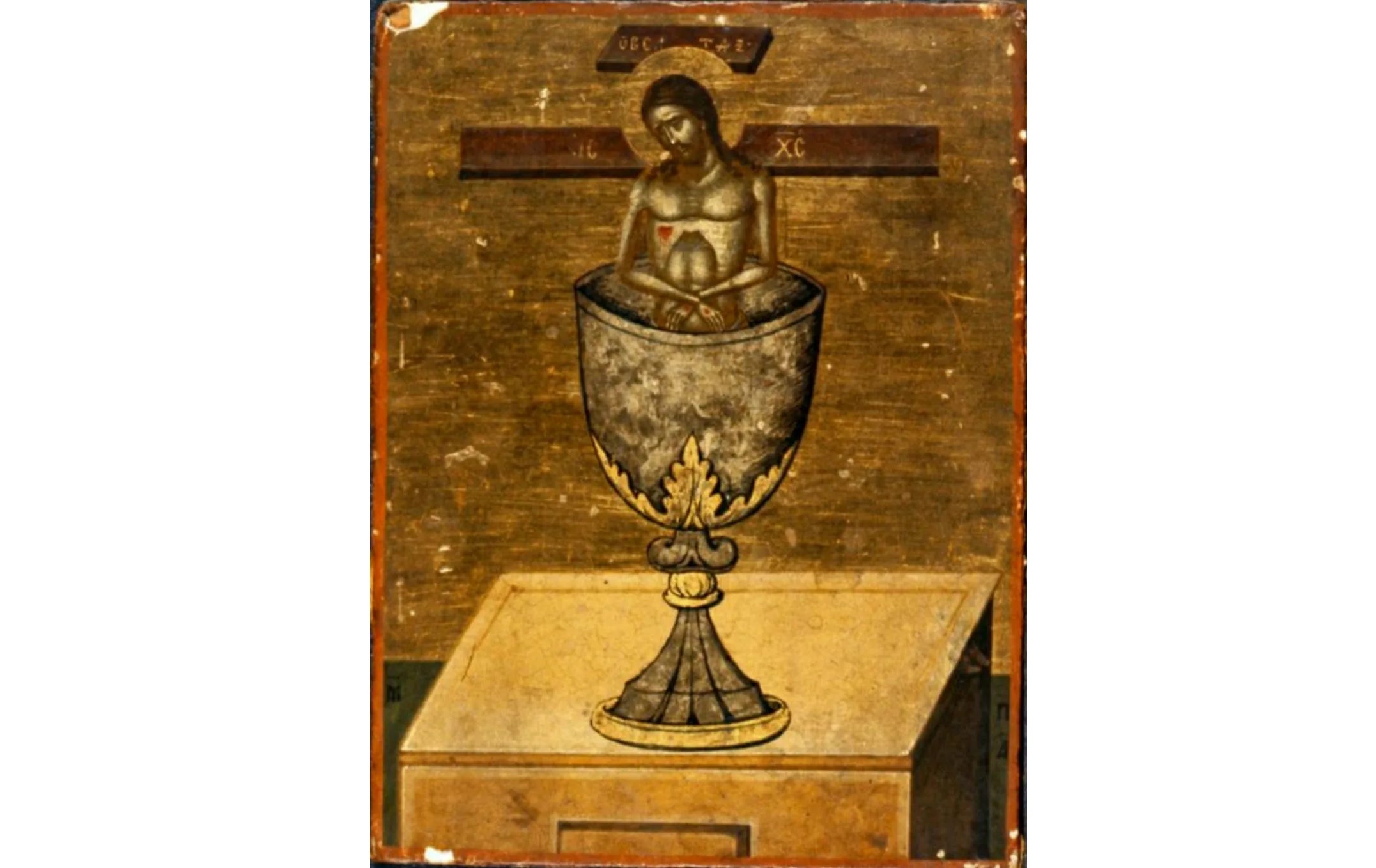
On Christ's Eucharistic Power
Mar 22, 2026 · 13m
Prefer sermons downloaded automatically?
About this sermon
I spoke last Sunday in very high ways about the Eucharist. For example, I said that because Jesus Christ is the source and summit of our life, so the Eucharist, the blessed Sacrament of the Altar, is the source and summit of our life. The Eucharist is Christ, and Christ is Himself the Eucharist. I also said that no matter what our feelings may be on a given Sunday, or a given Liturgy of the Eucharist on a weekday, the very nature of the Eucharist is that it is Christ’s most precious Body and Blood. The Eucharist heals us because Christ heals us, and He is the Eucharist. The Eucharist strengthens us because Christ strengthens us, and the Eucharist is Christ. The Eucharist showers us with heavenly love because Christ is Love, Who became man in holy sacrifice for us.
That kind of understanding of the Sacrifice of Christ is central to a right knowledge about Jesus. He took our flesh so that He could dwell among us. He became flesh to dwell among us as the Eucharist, as the Blessed Sacrament. The Eucharist is the Sacrament of His Passion, indeed the Sacrament of His Sacrifice. Yet understanding that Christ indeed voluntarily sacrificed Himself took the Church time to realize. Really until Paul started writing his holy epistles–that is when the nature of Christ’s Sacrifice became widely known and widely understood.
Yet, there are small hints that the disciples sensed, or better, glimpsed, some of this during Christ’s human life. Saint Peter said to Jesus, “To Whom shall we go? You have the words of eternal life!” Peter also said of Jesus, “You are the Christ, the Son of the living God!” Certainly the Blessed Virgin Mary had a strong sense of Who her Son was, and Who He always will be. Saint Mary Magdalene and the other holy myrrh-bearing women had some kind of sense, as well. Saint John the Apostle, the beloved disciple, shared this sense with the holy myrrh-bearing women.
Yet most of the disciples fled the Cross when Jesus was nailed to it; they would not have fled if they knew that the Passion of Christ was the most glorious sacrifice possible. They were confused and uncertain Who Jesus was, and uncertain of what His death meant. But somewhere, amid their confusion, there was a seed growing in them. This is how God works: He plants seeds in our heart that are intended to grow in us, so that we are able to conceive the holy Jesus in our hearts, and bear Him in our minds. It takes time, but the power of God’s seed is infinite. It always grows in good soil.
In our Gospel account from Saint Matthew, the Mother of Saint John and Saint James, the sons of Zebedee, named by Jesus as the “sons of thunder,” speaks to Jesus. She is doing so because her sons asked her to. They had seen the Transfiguration of Jesus and it opened the eyes of their heart, and began to transform them. Seeing Jesus transfigured–this most glorious and mysterious event–meant a seed of glory was planted in the hearts of James and John. In seeing Him transfigured they also witnessed Elijah and Moses appearing, one on the right of Jesus and one on the left. They heard a voice from the cloud which overshadowed them, say, “This is my beloved Son, Hear Him!” And they were told by Jesus, as they came down from the mountain after the Transfiguration, to tell no one the things they had seen, until the Son of Man had risen from the dead. What they saw left a mark on their soul. This is the seed that was planted. Direct experiences of Christ plant a seed in us.
They wanted to be at the right hand and at the left hand of Jesus as He entered His kingdom. Why? Because they saw Moses at the right hand and Elijah at the left hand of Jesus as He appeared to them in His transfigured glory. That seed which was planted started to grow. They were filled with zeal, they were filled with a strong desire to be with Jesus. They wanted to imitate Moses and Elijah, two Saints of the Church, and to be able to speak with Jesus in His glory as Moses and Elijah spoke with Jesus. James and John, in other words, wanted what we should all want. They had zeal which we should all have. They were filled with desire that we all should be filled with. And even us more so than them, because unlike them, we have the benefit of the New Testament writings and two thousand years of the prayer of Holy Church, and they did not. We have the Eucharist, and at that time, they did not.
And because of this, we know something very important, that had yet to be revealed to John and James: to enter into the glory of Christ and be with Him requires that we choose to be with Christ in His Passion. We must choose to be voluntarily with Christ as He voluntarily offers His Body and Blood in holy sacrifice: doing so both as the Sacrifice and the High Priest Who offers the Sacrifice which is Himself. The new covenant is the covenant made with Christ’s Body and Blood shed in His Passion, which is the beginning of all creation.
As Paul says, every time we receive the Eucharist, we proclaim Christ’s death. When we receive the Eucharist, we proclaim the Gospel, for Christ’s death means forgiveness of sins, salvation, and eternal life–and this is the Gospel. Christ’s death, His Passion, is the source of all new creation, and the summit of earthly existences: for Christ is the Light of the world, through Whom all things are made, and all things through Him are remade. This is why the Eucharist, which is Christ, heals us, strengthens us, and showers us with heavenly benediction. Because of the Passion of Christ, He is able to live in us, and we are able to live in Him, Christ the King of all Creation, Who lives and reigns with the Father, in the unity of the Holy Ghost: ever one God, world without end. Amen.
Get full access to Anglican Ascetic Podcast at anglicanascetic.akensideinstitute.org/subscribe
More from Anglican Ascetic
Evenings with Bede: S4, Ep. 3: S. John’s Greeting
Nov 22, 2026 · 35m
In the audio provided, the lessons are read, and then followed by a homily by yours truly.A Lesson from the Revelation to S. John, 1.4-7John, to the seven churches which are in Asia: Grace be unto you...
On Keeping a Holy House of Prayer
Nov 22, 2026 · 17m
Our Feast of Dedication which we celebrate today we are celebrating because it was on this date, 104 years ago—that is, on the 19th of November, 1922, despite our being established in 1769 through...
On the Witness of S. Hilda of Whitby
Nov 18, 2026 · 20m
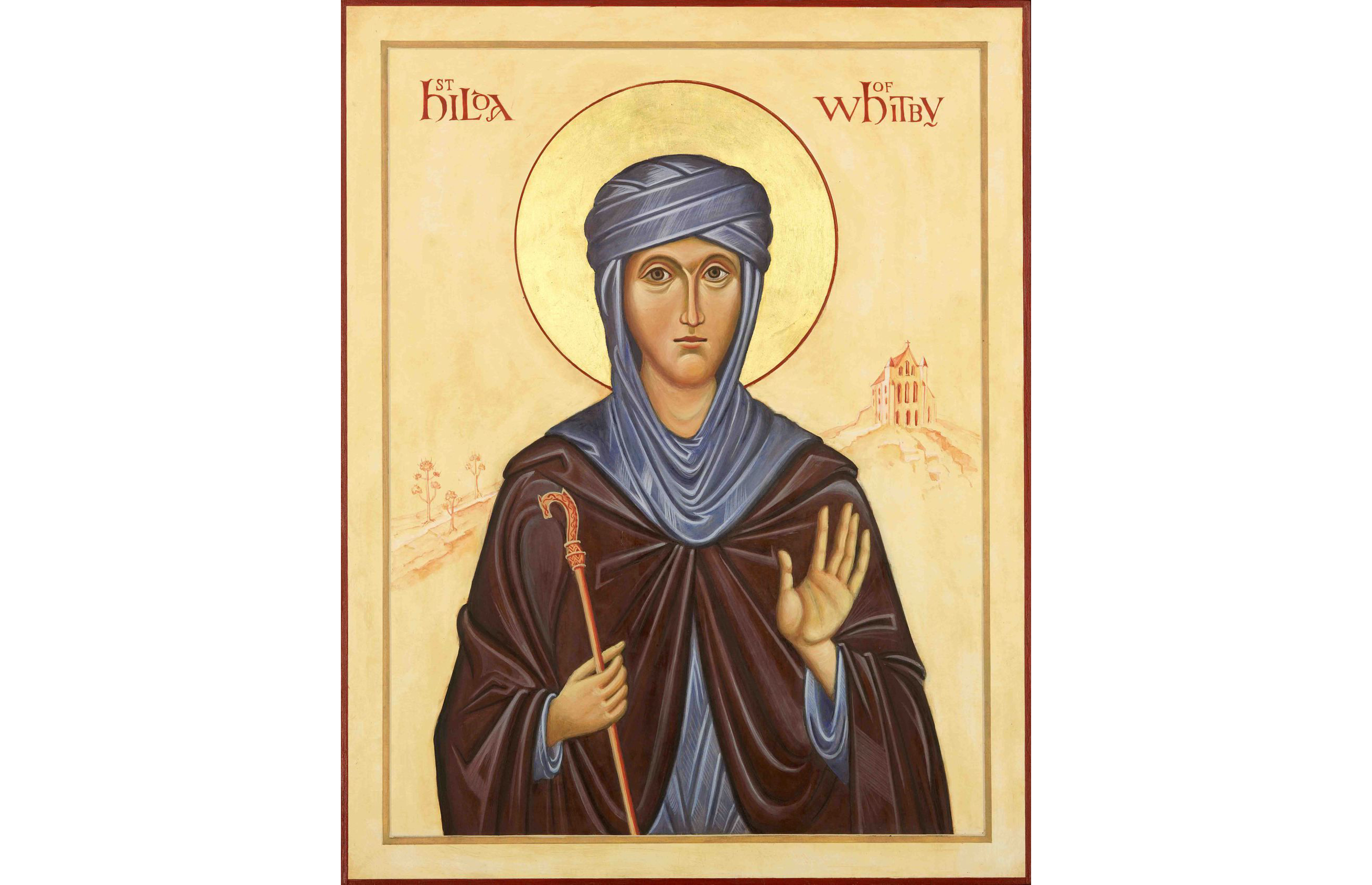
Almighty and everlasting God, We give Thee thanks for the purity and strength with which Thou didst endow Thy servant Hilda, Abbess; and we pray that by Thy grace we may have a like power to hallow...
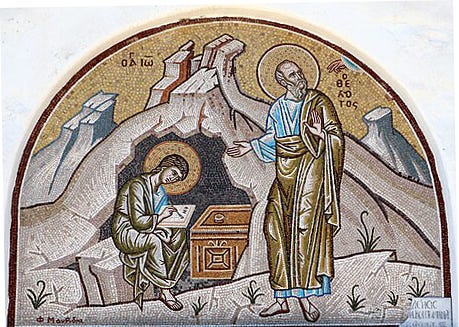
Evenings with Bede: S4, Ep. 2: Bede’s Introduction
Nov 16, 2026 · 31m
In the audio provided, the lessons are read, and then followed by a homily by yours truly.A Lesson from the Revelation to S. John, 1.1-3The Revelation of Jesus Christ, which God gave to Him, to make...
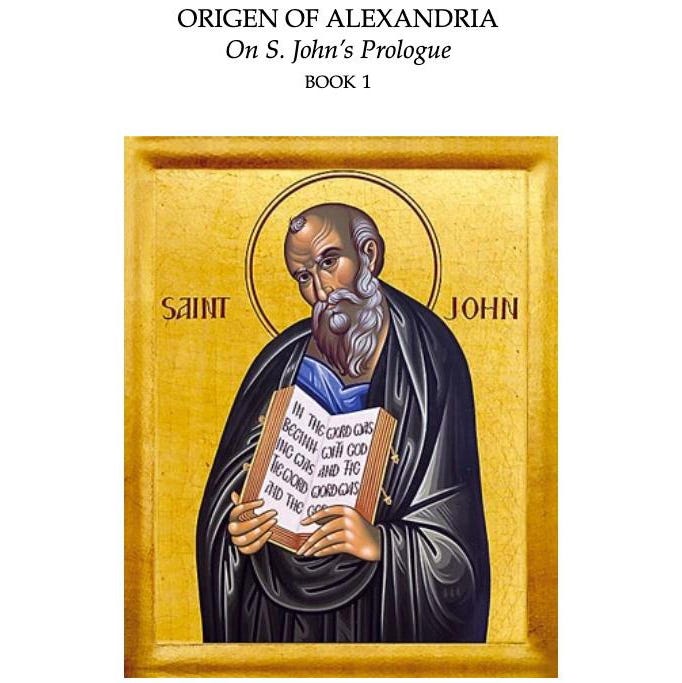
Ep. 1: S. Origen on S. John’s Prologue
Nov 14, 2026 · 1h 37m
This is unedited audio of a parish scripture study course in which we are studying the Prologue of S. John’s Gospel as interpreted by the early 3rd century Church Father and brilliant interpreter of...
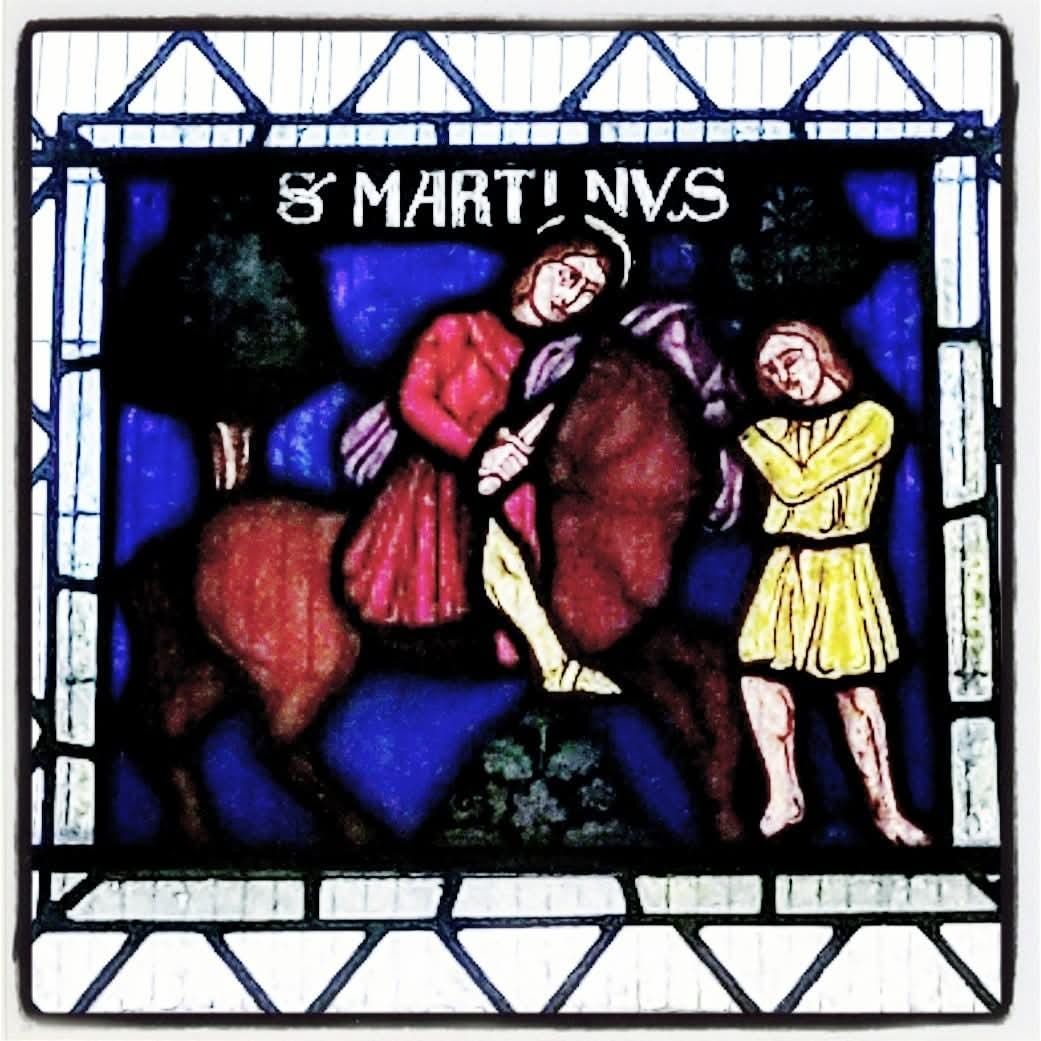
On S. Martin, Bishop of Tours
Nov 11, 2026 · 15m
O God, Who by Thy Holy Spirit didst enable Thy servant Martin to withstand the temptations of the world, the flesh, and the devil: Grant that we, in the same Spirit, may with pure hearts and minds...
Take these sermons with you.
Follow Anglican Ascetic in the Getsermons app to get every new sermon, build playlists, and pick up right where you left off.

