
Anglican Ascetic
On Christ's Most Precious Body and Blood
Aug 11, 2024 · 14m
Prefer sermons downloaded automatically?
About this sermon
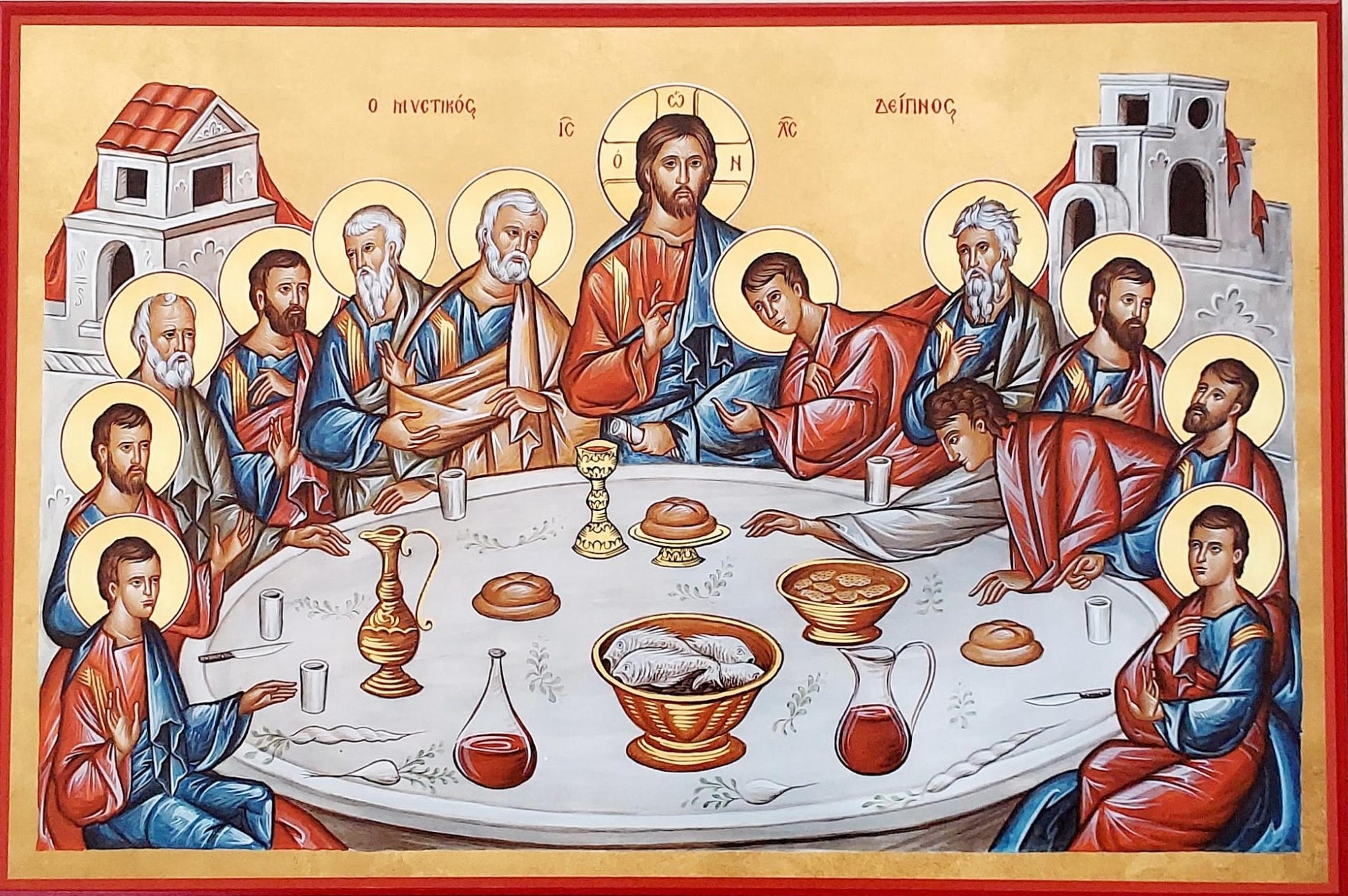
Over the recent Sundays I have been speaking about the five ways Christ taught the Church to know His presence among them. Firstly, in every baptized Christian; secondly, in Scripture opened and proclaimed in worship; thirdly, through Bishops, Priests, and Deacons validly ordained in the apostolic tradition; fourthly, in the Eucharist; which yields the fifth way, in the Tabernacle in the sanctuary of the church. Thus, as I said last Sunday, the Mass is a true abundance of Christ’s presence. It is a banquet of Christ’s presence. In the Mass, the heavenly reality of Christ meets our conditions of time and space. Therefore the Mass is not only a banquet but a heavenly banquet: a foretaste of heaven, a foretaste of life eternal. In all of human existence, there is nothing like the Mass, because of the abundance of Christ’s presence in it.
Today I will focus on Christ’s presence in the Eucharist, in His most precious Body and Blood. Over the course of the two thousand year life of the Church, there have been discussions, sometimes disagreements, sometimes arguments, about how the Bread and the Wine become Christ’s precious Body and Blood. I have often been asked a related question: which is, when in the Mass does this transformation happen? At what point during the Mass—is it during the Institution Narrative where we hear again the relevant moments of the Last Supper? Is it when the Celebrant of the Mass holds his hands outstretched over the Bread and Wine? Is it at the Epiclesis, with the grand gesture made by the Celebrant and the petition to the Father to send down the Holy Ghost upon the creatures of bread and wine, that these may be changed and transformed so that we may be partakers of Christ’s most blessed Body and Blood? Is it at the Great Amen before the Our Father? Even during the Our Father? Is it when the Celebrant holds up the Body and Blood and says, “Behold the Lamb of God; behold Him Who taketh away the sins of the world”? Or some other moment in the Mass? When is it that the transformation and change occurs?
On this question, the Anglican position on this is is the same as the Eastern Orthodox position: we do not know. We do not claim to know precisely when the change occurs, but we fully accept that the change and transformation does occur, without question. It is because of the transcendence of God. Because the Holy Trinity is transcendent, beyond time and space, we trust that what the Church has understood to happen ever since the first Eucharist at Emmaus with two disciples, indeed happens. The Bread becomes Christ’s Body; and likewise, the wine becomes Christ’s Blood. Ultimately, the Anglican position is as simple as this: the bread and wine become His Body and Blood because Jesus said so. And that is not surprising because we take Holy Scripture seriously, and take seriously as well that Jesus is both God and man.
If we believe Jesus to be God: to be the only-begotten Son of the Father, indeed that Jesus is the Eternal Word of the Father, and therefore God with the Father and the Holy Ghost, then we believe His life to be divine, and thus all His words and actions to be divine. If we believe Christ to be He through Whom all things are made by the Father, then certainly we believe that because He said the Bread is His Body, that the Bread is His Body; and likewise, then certainly we believe that because He said the wine is His Blood, that the Wine is His Blood. As Jesus said, “He who believes in Me has eternal life.” And He said, “I am the Bread of life.” And He said, “I am the living Bread which came down from heaven; if any one eats of this Bread, he will live for ever.” And He added, “And the Bread which I shall give for the life of the world is my flesh.”
All of this is direct teaching about the Eucharist. But it is also teaching about the Incarnation. John 1.14 famously reads: “And the Word became flesh and dwelt among us, full of grace and truth; we have beheld his glory, glory as of the only Son from the Father.” Often that is taken to mean as referring to His Nativity of Blessed Mary. Specifically “the Word became flesh” is often paraphrased into, “Jesus was born of Mary.” But in our Gospel passage today, Jesus is clear: “the Bread which I shall give for the life of the world is my flesh.” Thus according to Saint John, “the Word became flesh” is better paraphrased as: “Christ became Eucharist,” or “Christ became Sacrament.” His flesh is Bread which is Him given for the life of the world. He dwells among us as the Sacrament of the Eucharist; He dwells among us as we receive the Eucharist in Holy Communion which is Christ received into our body, hence dwelling with us; dwelling in us. So that we can say without guile or doubt: the joy of the Gospel is recognizing Christ’s incarnating presence: His eucharistic presence incarnating in us, in our body.
And in this way the reality of Mary and Elisabeth at the Visitation, where both know the presence of Christ inwardly (Mary because Jesus is in her womb; Elisabeth because her son John leaps at the presence of Christ known through Mary’s greeting), this reality of Mary and Elisabeth is our reality: in receiving Holy Communion, Christ is in us, dwelling in us, making His presence known inwardly, incarnating Himself in us. The Word became flesh and dwelt among us, full of grace and truth; we have beheld his glory, glory as of the only Son from the Father, even He who is the Christ, Who lives and reigns with the Father and the Holy Ghost, ever one God, world without end. Amen.
Get full access to Anglican Ascetic Podcast at anglicanascetic.akensideinstitute.org/subscribe
More from Anglican Ascetic
On Eucharist and Creation
Nov 26, 2026 · 16m
O most merciful Father, Who hast blessed the labours of the husbandman in the returns of the fruits of the earth; we give Thee humble and hearty thanks for this Thy bounty; beseeching Thee to continue...
Evenings with Bede: S4, Ep. 3: S. John’s Greeting
Nov 22, 2026 · 35m
In the audio provided, the lessons are read, and then followed by a homily by yours truly.A Lesson from the Revelation to S. John, 1.4-7John, to the seven churches which are in Asia: Grace be unto you...
On Keeping a Holy House of Prayer
Nov 22, 2026 · 17m
Our Feast of Dedication which we celebrate today we are celebrating because it was on this date, 104 years ago—that is, on the 19th of November, 1922, despite our being established in 1769 through...
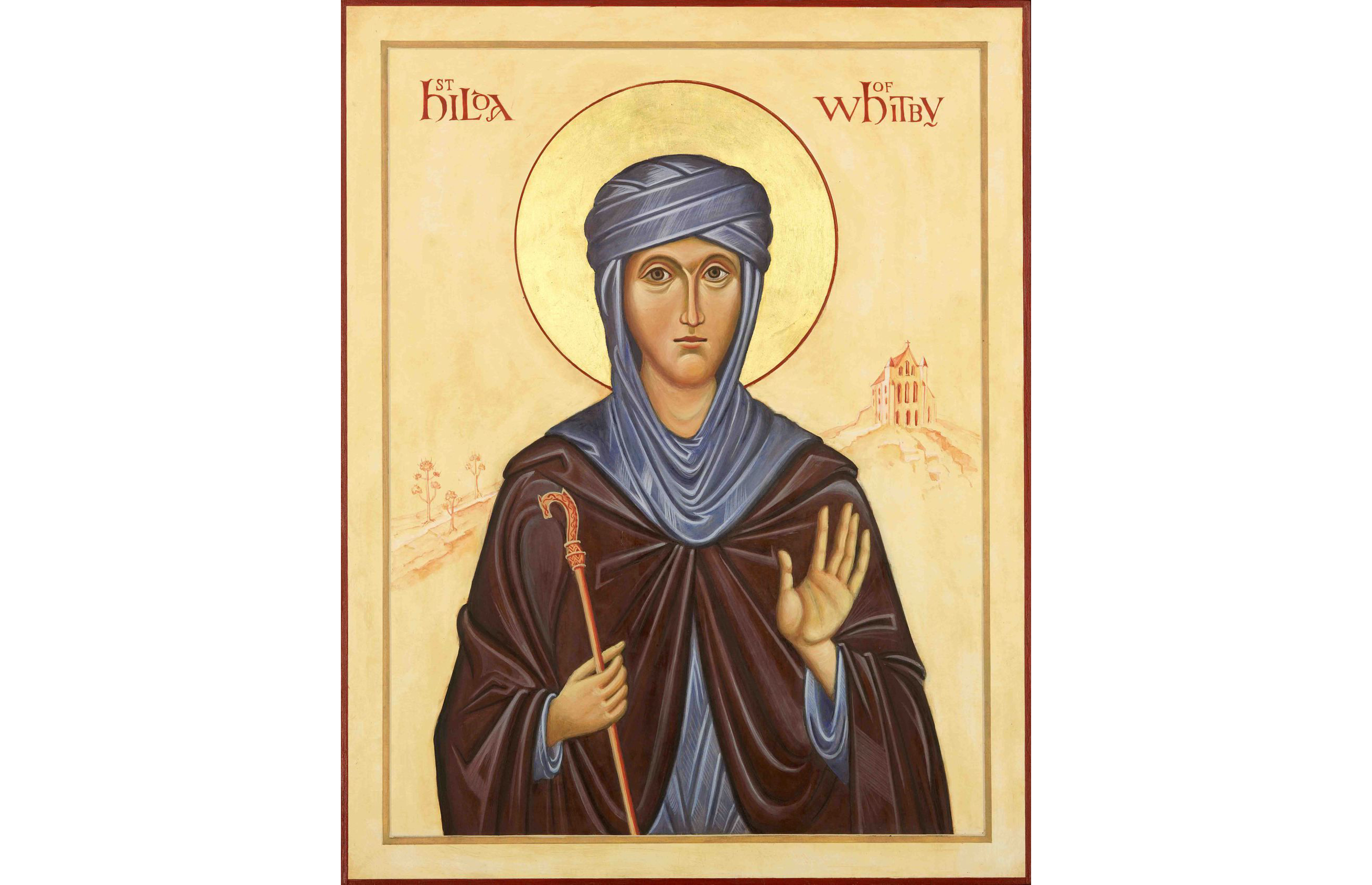
On the Witness of S. Hilda of Whitby
Nov 18, 2026 · 20m
Almighty and everlasting God, We give Thee thanks for the purity and strength with which Thou didst endow Thy servant Hilda, Abbess; and we pray that by Thy grace we may have a like power to hallow...
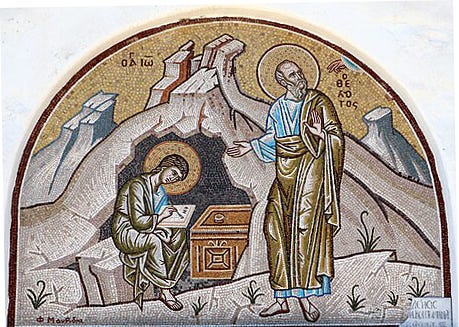
Evenings with Bede: S4, Ep. 2: Bede’s Introduction
Nov 16, 2026 · 31m
In the audio provided, the lessons are read, and then followed by a homily by yours truly.A Lesson from the Revelation to S. John, 1.1-3The Revelation of Jesus Christ, which God gave to Him, to make...
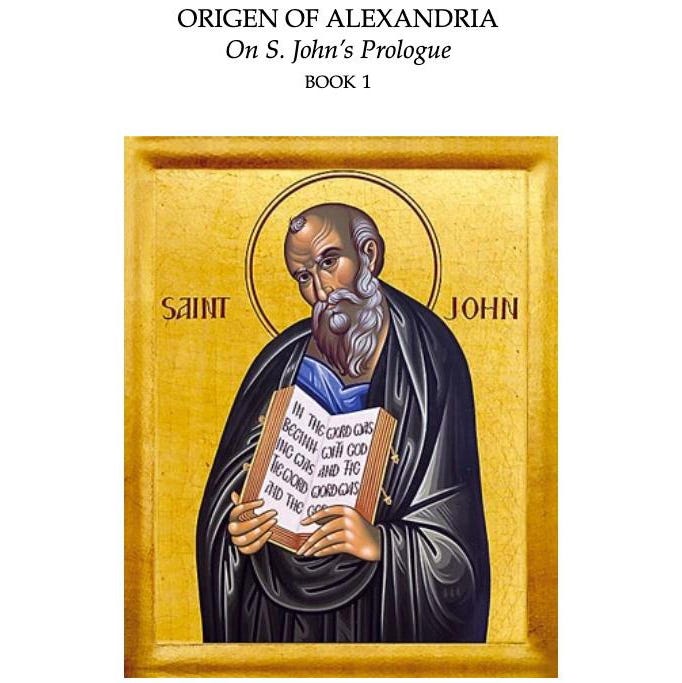
Ep. 1: S. Origen on S. John’s Prologue
Nov 14, 2026 · 1h 37m
This is unedited audio of a parish scripture study course in which we are studying the Prologue of S. John’s Gospel as interpreted by the early 3rd century Church Father and brilliant interpreter of...
Take these sermons with you.
Follow Anglican Ascetic in the Getsermons app to get every new sermon, build playlists, and pick up right where you left off.

