

Catholic Saints & Feasts
November 23: Saint Columban, Abbot
Nov 23, 2026 · 5m
Prefer sermons downloaded automatically?
About this sermon
November 23: Saint Columban, Abbot
c.543–615
Optional Memorial; Liturgical Color: White
Patron Saint of motorcyclists and against floods
He led the first wave of Irish monks who stormed Europe
Throughout the sixth and seventh centuries, the great gales of Ireland filled the sails of countless boats packed with hardy Irish monks steering toward France. Once on Europe’s northern shores, these men scaled her sandy slopes and headed inland in a kind of recurring theological D-Day. A seemingly endless pilgrimage of Irish scholar-monks went into voluntary exile, left their rainy homeland, navigated the waters, and sunk their roots deep into the soil of post-Roman Europe.
Up and down today’s France, Switzerland, the Low Countries and Germany, Irish monks founded monasteries that plowed furrows, sang chant, grew vines, copied books, hewed wood, forged chalices, raised cattle, taught children, dug wells, consecrated altars, rendered tallow into candles, and preached the sweet love of Christ. The rough local populations were drawn to these monasteries like moths to a flame, creating some of the oldest towns in Europe. Saint Columban, the leader of the first wave of these great builders of Europe, is the avatar of the missionary Irish monk. His ceaseless labors and iron will bent the arc of European history toward Christ.
A monk named Jonas, living one generation after our saint, authored Columban’s Life based on the recollections of Columban’s own brother monks. Columban (or Columbanus) was born in Ireland about the same year that Saint Benedict died in Italy. He was a clever boy who received an excellent education in secular and theological letters. When he left home as a youth to enter a monastery, it was not to a soaring gothic structure of a later, more glorious age. The Irish monks of late antiquity had more in common with the Egyptian ascetics who vanished into the desert than with medieval Benedictines. Irish monasteries were small Christian farms, communes of low-slung buildings formed in a circle around a humble stone chapel.
After Columban distinguished himself for his learning and his severe penances, he received his abbot’s permission to sail to the continent at about the age of forty. A legend of the era told of holy monks who set off from the Emerald Isle in a boat without oars, willing to land and serve wherever God so willed. The boat Columban and his twelve companion monks climbed into had oars and landed on the Brittany coast of France around 585.
For the next thirty years, Columban founded monasteries, attracted countless vocations, introduced private confession to Europe, and impressed all with his self-punishing Irish asceticism. Yet Columban had conflicts with powerful French bishops over his communities’ Celtic dating of Easter, which deviated from the Roman dating, and conflicts over the strange Irish tonsure, so different from the round cutting of the scalp practiced in the rest of the Church. Further tensions with French nobility caused Columban’s arrest and forced exile to Ireland. But the boat transporting him back home met rough seas and returned to its French port. So Columban stayed in Europe and found his way to Northern Italy. His last years were active in refuting the Arianism still thriving among the Italian Goths and in founding the great monastery of Bobbio, where Columban died on November 23, 615. Columban’s disciples founded over one hundred monasteries throughout Central Europe! Columban’s strict monastic Rule was also widely used until it was eclipsed by the more balanced Rule of Saint Benedict.
In around 600, Saint Columban wrote a letter to Pope Saint Gregory the Great professing his docile obedience: “We Irish, though dwelling at the far ends of the earth, are all disciples of Saint Peter and Saint Paul...we are bound to the Chair of Peter.” Columban, who may have been the first man to use the word “Europe” in its modern sense, was the prototype for a thousand unnamed missionaries whose austere resilience and fine minds built Europe one soul, one book, and one monastery, at a time.
Saint Columban, you were an ascetic, a theologian, and a father of Europe. Help all who seek your intercession to be as dynamic as you in rooting the faith in the deepest and richest soil.
More from Catholic Saints & Feasts
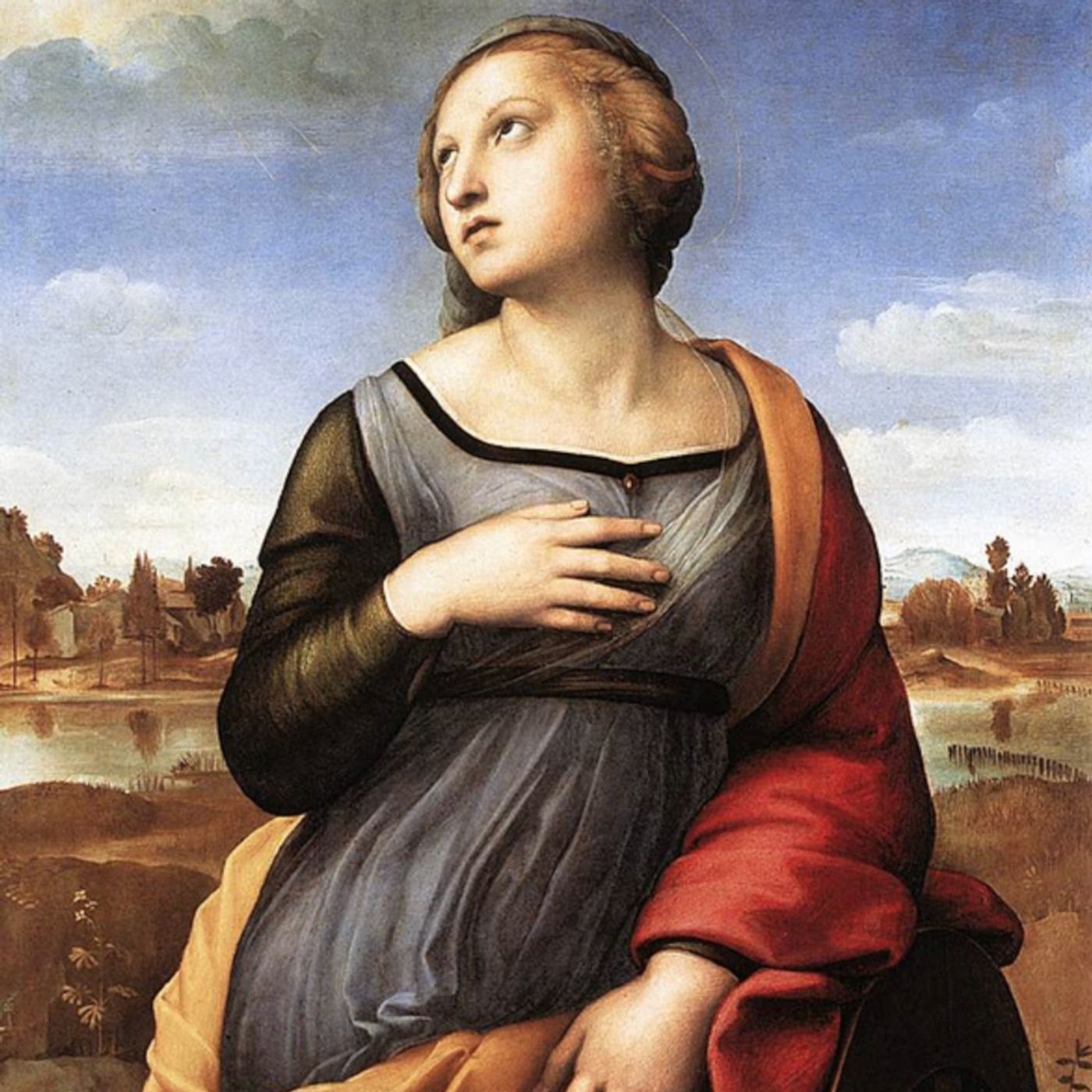
November 25: Saint Catherine of Alexandria, Virgin and Martyr
Nov 25, 2026 · 6m
November 25: Saint Catherine of Alexandria, Virgin and Martyrc. Late third–early fourth centuriesOptional Memorial; Liturgical Color: RedPatron Saint of philosophers, apologists, and all who work with...
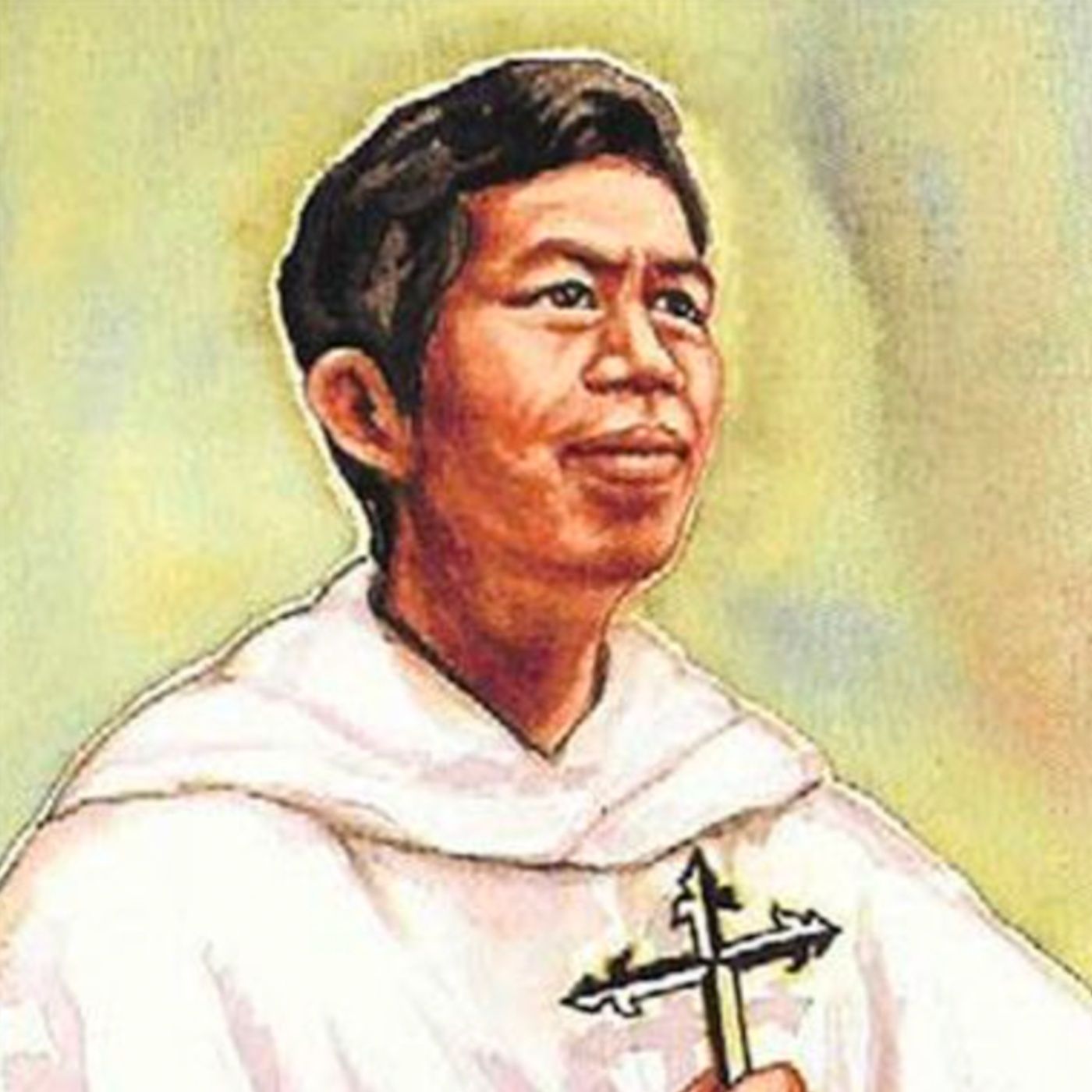
November 24: Saint Andrew Dũng-Lac, Priest, and Companions, Martyrs
Nov 24, 2026 · 6m
November 24: Saint Andrew Dũng-Lac, Priest, and Companions, Martyrs1795–1839; Seventeenth–Nineteenth CenturiesMemorial; Liturgical Color: RedPatron Saints of VietnamThousands of priests and converts...
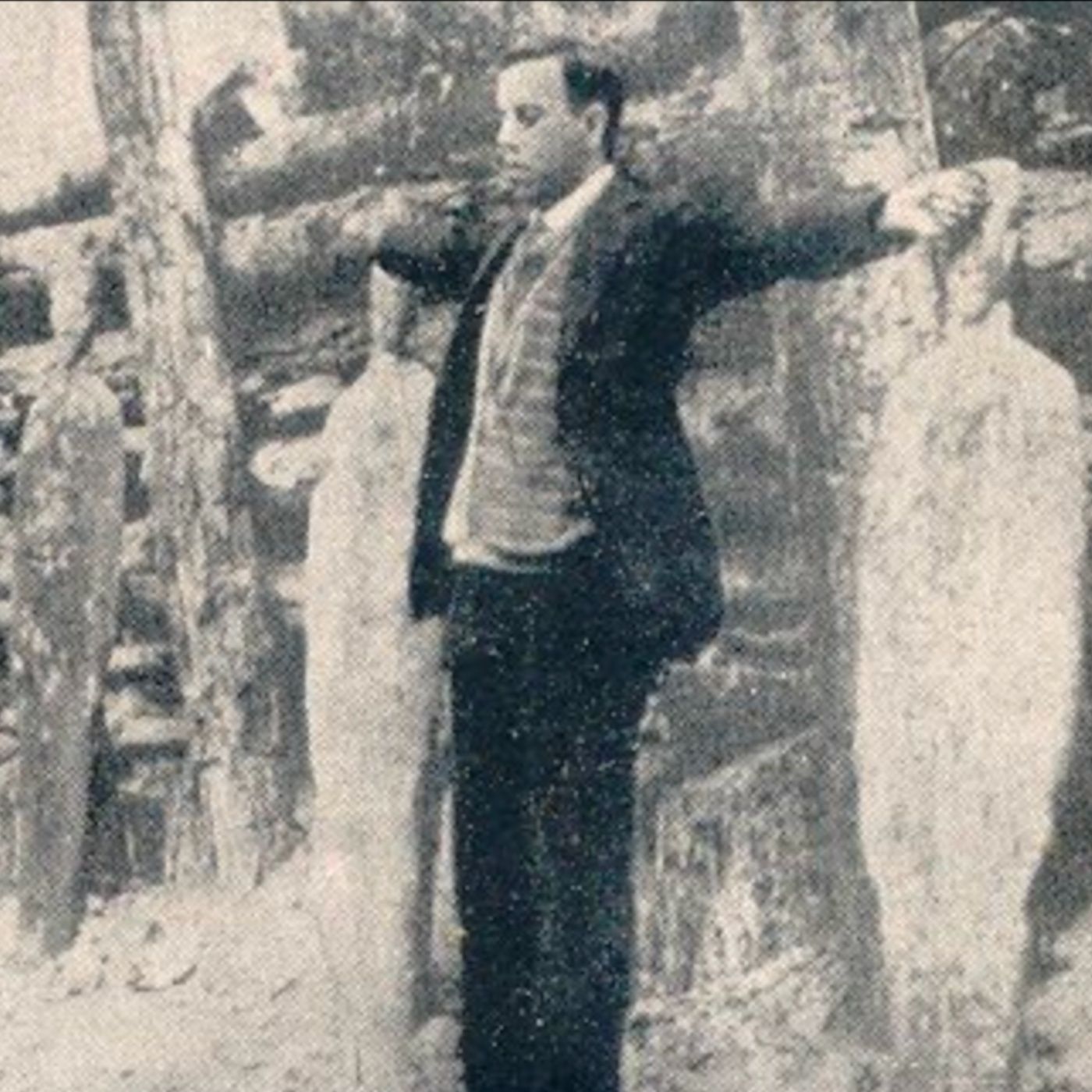
November 23: Blessed Miguel Agustín Pro, Priest and Martyr (U.S.A.)
Nov 23, 2026 · 7m
November 23: Blessed Miguel Agustín Pro, Priest and Martyr (U.S.A.)1891–1927Optional Memorial; Liturgical Color: RedThe proto-martyr of the age of the imageThe emaciated holocaust survivor behind...
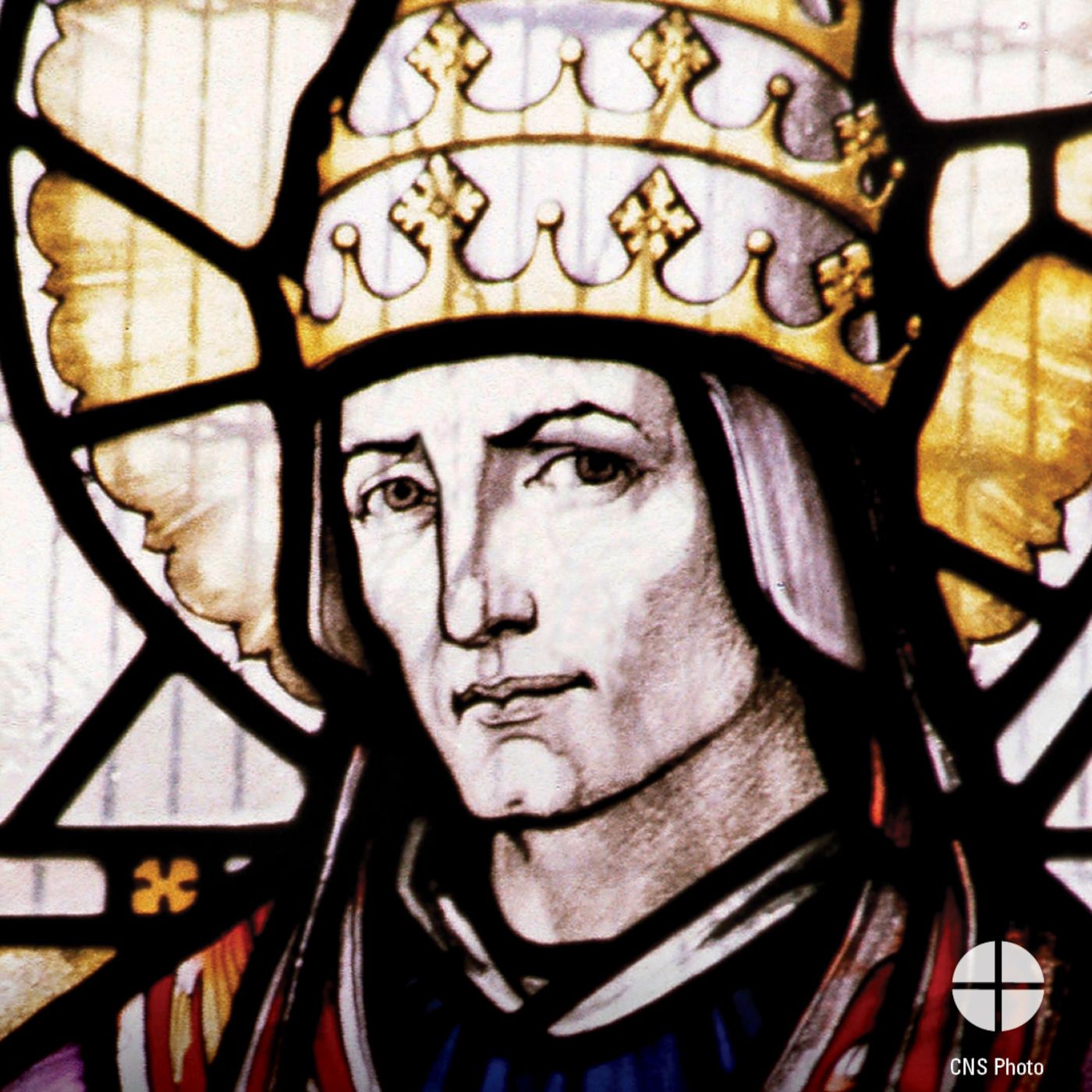
November 23: Saint Clement I, Pope and Martyr
Nov 23, 2026 · 6m
November 23: Saint Clement I, Pope and MartyrFirst CenturyOptional Memorial; Liturgical Color: RedPatron Saint of sailors and marble workersPrimacy more than infallibility, service more than...
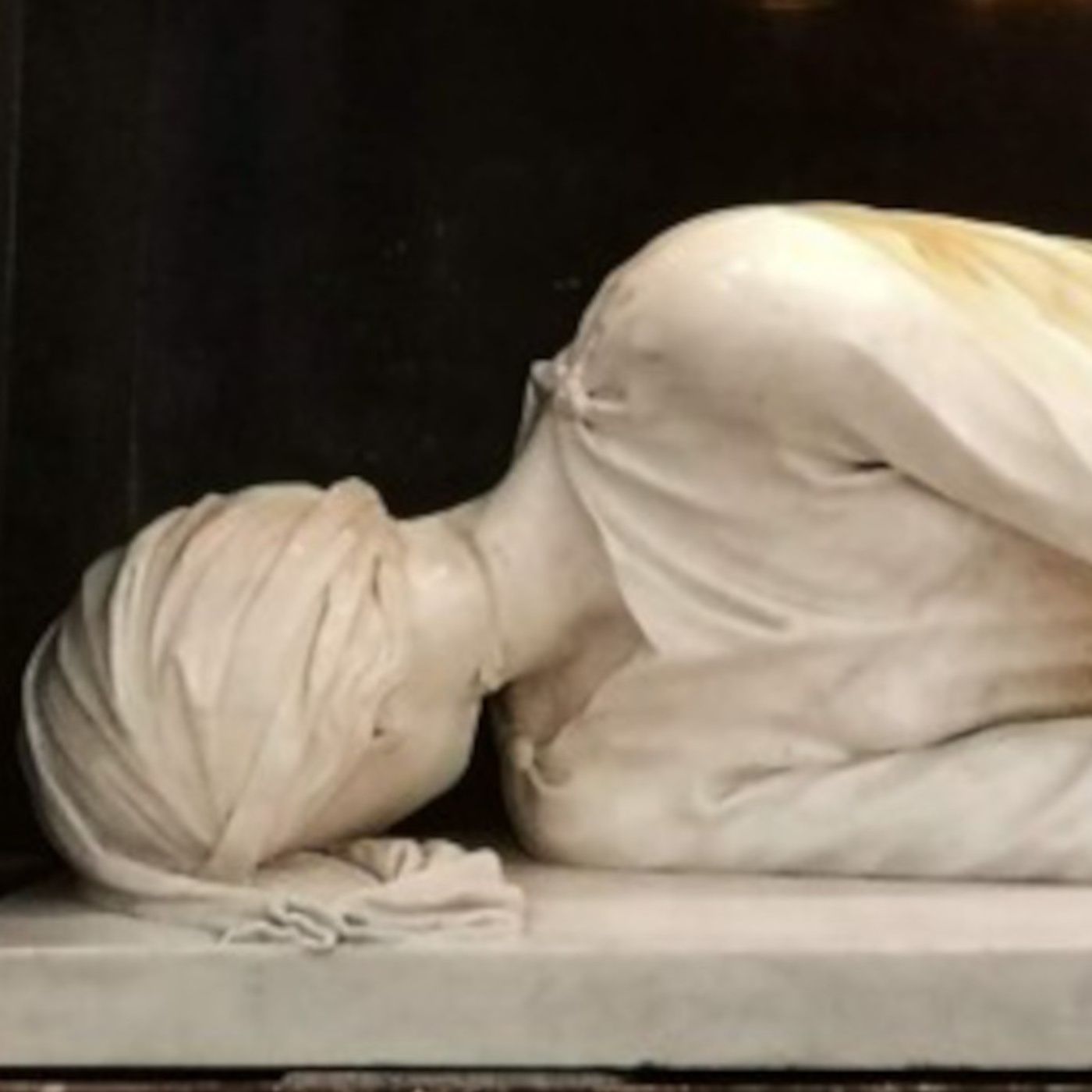
November 22: Saint Cecilia, Virgin and Martyr
Nov 22, 2026 · 6m
November 22: Saint Cecilia, Virgin and Martyrc. Third CenturyMemorial; Liturgical Color: RedPatron Saint of Music and MusiciansA girl martyr’s mysterious death seizes the imaginationThe First...

Our Lord Jesus Christ, King of the Universe
Nov 21, 2026 · 6m
Last Sunday in Ordinary Time: Our Lord Jesus Christ, King of the Universe Solemnity; Liturgical Color: White or Gold The vastness of creation serves as the Lord’s footstool This last Sunday in...
Take these sermons with you.
Follow Catholic Saints & Feasts in the Getsermons app to get every new sermon, build playlists, and pick up right where you left off.

