
Cities Church Exhortations
Repentance
Oct 31, 2021 · 6m
Prefer sermons downloaded automatically?
About this sermon
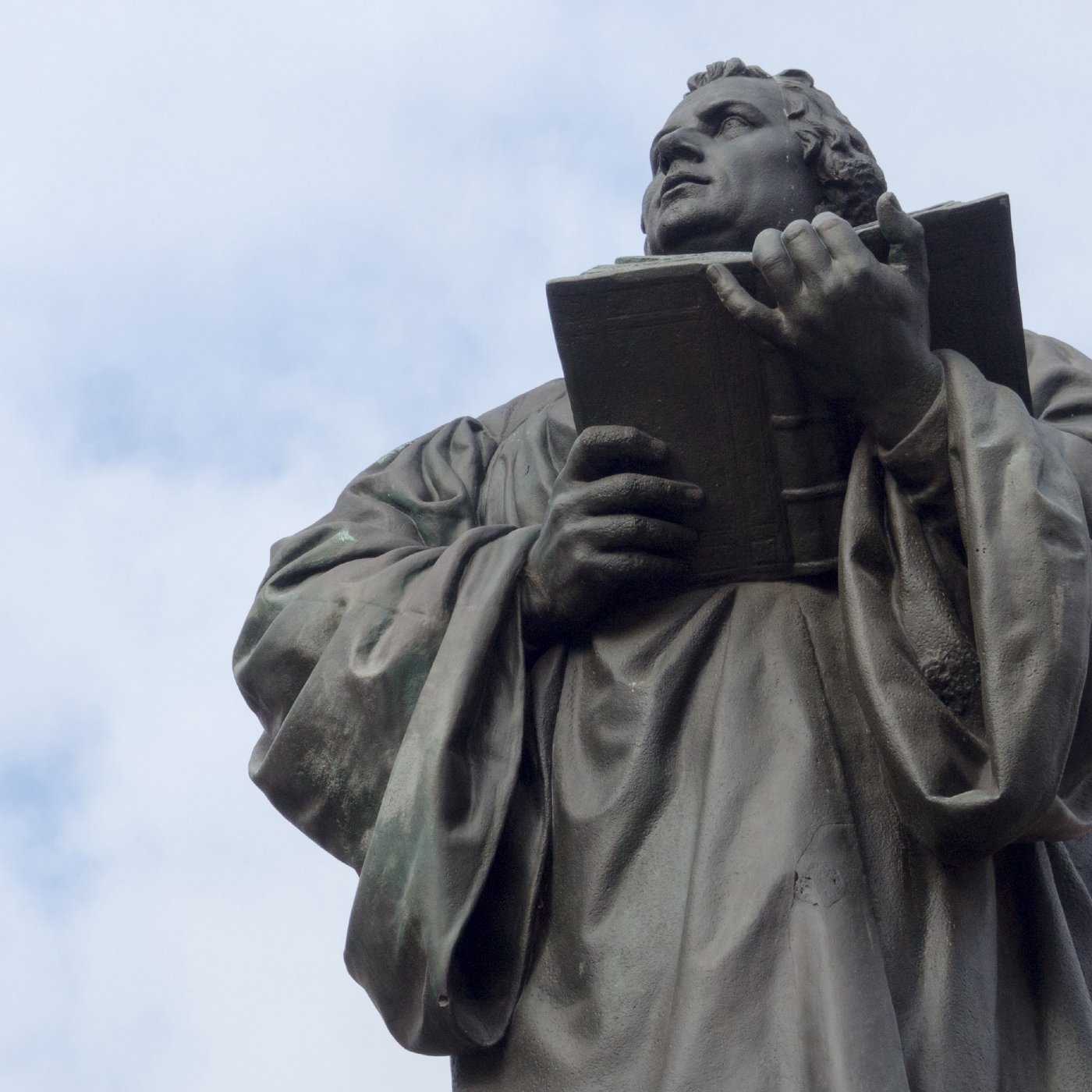
On October 31, 1517, Martin Luther did something remarkably un-revolutionary: he posted a list of propositions on the door of the chapel at the University of Wittenberg. Posting “theses” of this sort was common practice in sixteenth-century—it notified the academic community of matters to be disputed in a formal debate.
Even the content of these ninety-five theses was not, on its face, particularly controversial. The familiar thematic emphases of the Reformation—faith alone, by grace alone, through Christ alone, as taught by the Scriptures alone, to the glory of God alone—would not be fully articulated until several years later.
Nevertheless, we mark the 31st of October as “Reformation Day”—the beginning of the Protestant Reformation. The heart of its conviction comes in Luther’s first proposition, he writes:
“When our Lord and Master Jesus Christ said “Repent,” he intended that the entire life of believers should be repentance.”
Luther was convinced that the Church of his day had turned repentance into selfish self-righteousness.
It was (and is) a surprisingly easy thing to do. There are two ways it can happen. First, we can make repentance about keeping God happy—being concerned about how our sin might impact our prayers being heard or how it might diminish God’s blessing in our lives. Sorrow over sin becomes sorrow over its consequences. We lament how our sin has ashamed us before others or diminished our credibility or closed the door to certain opportunities. We can even be tempted to rationalize our sin, “if you only knew how I’ve been treated, then you’d understand why I behave this way.”
Luther saw the selfishness of sorrowing over sin for its consequences. This kind of sorrow was not repentance, but what the apostle Paul calls “worldly grief that produces death” (2Cor 7.10) because it missed the profound offence that sin is against God. Sin is an outrage against his holiness, a denial of his truthfulness, a revolt against his authority, an affront to precious atonement that is ours in Christ. As wicked as David’s sin was against Bathsheba and Uriah, in Psalm 51, he prays “Against you, you only, have I sinned and done what is evil in your sight” (51.3). True repentance involves recognizing that the heinousness of sin is its offense against God. And, as Luther reminded the church, it involves heart-felt reformation, an overt determination to live in light of the gospel—to turn away from sin because doing so pleases God.
But there is another way that repentance can be turned into selfish self-righteousness. In the sixteenth century, the word repentance had been exchanged for penance. Penance was the performance of prescribed behaviors to make amends for sin—reciting certain prayers, venerating shrines, depriving oneself of certain foods or comforts, scaling stairs on one’s knees, etc. This distortion of repentance is a form of self-punishment in which we attempt to make ourselves so truly miserable and regretful that we feel like we deserve to be forgiven. We do it, today, too. We loathe ourselves, continually rehearse our record of wrongs, despair of our small progress, push ourselves into a regretful frame of heart.
We attempt to atone for our own sin—to make ourselves righteous by our misery! But this, too, rejects the gospel. We don’t have to make ourselves suffer to merit forgiveness. Instead, we simply receive the forgiveness is ours through the cross of Christ. “For our sake,” Paul says, the Father “made him to be sin who knew no sin, so that in him we might become the righteousness of God” (2Cor 5:21).
Luther realized that, for Christians, at the bottom of repentance is the reality that we have been accepted by God in Christ. What mercy! What grace! And when we grasp the reality of God’s love in Jesus, it makes it easier for us to acknowledge our sin before him and to one another. The more loved and accepted we see that we are in Christ, the more often we will be repenting.
And so that is the exhortation, this morning. Friends, make all of life true repentance. Come before the Lord, acknowledging all your sin—for he knows it already—and find in him the forgiveness that is yours because of Christ. Make war on sin, in his strength, and live in the joy of knowing that you are fully and finally his.
Let’s turn now, together, to him, to seek his mercy, in this time of silent confession.
More from Cities Church Exhortations
God of the Details
Nov 15, 2026 · 5m
In this exhortation, Deacon Peter Christenson shares of the wonder of a child fascinated by Minnesota’s fall leaves to exhort us to pay attention to our God of the details.

You Were Made for Worship
Nov 8, 2026 · 4m
In this exhortation, Adam Crowl recounts moments of distraction that cause us to miss the glory right in front of us and exhorts us from Revelation 4 that we are to get in on the worship singing...
But That is Not the Way you Learned Christ
Nov 1, 2026 · 4m
In this exhortation, Jon Hoglund exhorts us from Ephesians 4:20 to ask: Do my thoughts, words, and deeds fit with the person I became in Jesus?
Behold Him
Oct 25, 2026 · 4m
In this exhortation, Pastor Daniel Helstrom exhorts us from 2 Corinthians 3:18 to “behold God with unveiled faces” that we might turn from the lesser things seeking to grasp our attention and behold...
God Is Sovereign, and He Is Good
Oct 18, 2026 · 3m
In this exhortation, Pete Gregory shares the response of Horatio Spafford after the death of his four daughters and exhorts us to daily rehearse the realities of God’s sovereignty and goodness so that...
Immortal Till Your Work is Done
Oct 11, 2026 · 5m
In this exhortation, Jon Hoglund shares the words of the late John Paton, a missionary in the South Pacific, and asks: How much confidence can you have that your daily difficulties are in God’s hands?
Take these sermons with you.
Follow Cities Church Exhortations in the Getsermons app to get every new sermon, build playlists, and pick up right where you left off.

