
Coming Closer
Rain No Rain: Isaiah 1-12, from Drought to "God Is My Salvation"
Sep 16, 2026 · 24m
Prefer sermons downloaded automatically?
About this sermon
Rain No Rain: Isaiah 1–12, from Drought to "God Is My Salvation"
There is a song near the start of Isaiah — seven verses long — and in the last one, the composer stops and tells you, in plain words, exactly what it means. Most of us never read that far. Isaiah isn't a locked door; he's a dialect, and he wrote his own dictionary into the text. Follow one song all the way down and you'll find a Hebrew pun that only works out loud, a judgment that turns out to be a withdrawal rather than an invasion, and a "no rain" that becomes, twelve chapters later, water drawn from a well with joy.
Before you listen — a few caveats for every Coming Closer episode:
This is not doctrine and I'm not an authoritative source for truth. But I believe asking questions is the way to come closer to Him. "Ask, and it shall be given unto you." God expects us to wonder, be amazed, and read between the lines.
Leave space for the truth. This is speculation — interesting speculation, I think — but someday the whole truth will be known. Leave room in your mind and heart for it when it is revealed.
I hope you'll have some Wow moments as we talk. When that happens, pause. Stop and think about why it touched your heart — maybe jot down a few ideas to pursue. The truth is absolute, but our journey to it is unique, custom made just for us, and there are moments when we simply need to stop and be amazed.
What we cover: Nephi's own diagnosis for why Isaiah is hard — not vague, just a "manner of prophesying" nobody handed us the key to; the Song of the Vineyard sung whole, verse by verse, until Isaiah decodes his own symbol in plain words — "the vineyard of the Lord of hosts is the house of Israel"; a Hebrew pun invisible in English — mishpat/mispach, tsedaqah/tse'aqah — where a single consonant separates justice from bloodshed; a three-step judgment that turns out to be almost entirely a withdrawal of protection, not an imported punishment; why "no rain" means a famine of the word of God, and the very next verse's turn toward an ensign lifted to the nations; how the reading block itself bookends drought with water drawn "with joy" from the wells of salvation (Isaiah 12); and Zenos's allegory in Jacob 5, which asks the same broken-hearted question Isaiah's vineyard owner asks — and answers it with mercy instead of a verdict.
The closing thought: you were never too slow for Isaiah. The difficulty was real, but it was never a verdict on you — it was a dialect, and dialects are learned one song at a time. The God who wrote that first song is a farmer with dirt on His hands who loves you, builds the fence, plants the choicest vine, and when the harvest fails, tries again. He grieves before He judges, and grafts before He burns, and would always rather water than withhold.
Scriptures: 2 Nephi 25:1, 4–8; Isaiah 5:1–7; 1 Nephi 19:23; Isaiah 5:5–6; Isaiah 55:10–11; Amos 8:11; Isaiah 5:26; Isaiah 12:1–3; Jacob 5:7, 47; Matthew 21:33–43.
Sources: Elder Bruce R. McConkie, "Ten Keys to Understanding Isaiah", Ensign, October 1973.
More from Coming Closer
Prone to Wander: Why We Raise an Ebenezer
Nov 25, 2026 · 21m
Prone to Wander: Why We Raise an EbenezerStefan Thomas has two guesses left. The key to 7,002 bitcoin sits on an encrypted drive that destroys itself after ten wrong tries, and he lost the paper he...
Chosen from the Beginning: How the Atonement Brings Us Home
Nov 18, 2026 · 22m
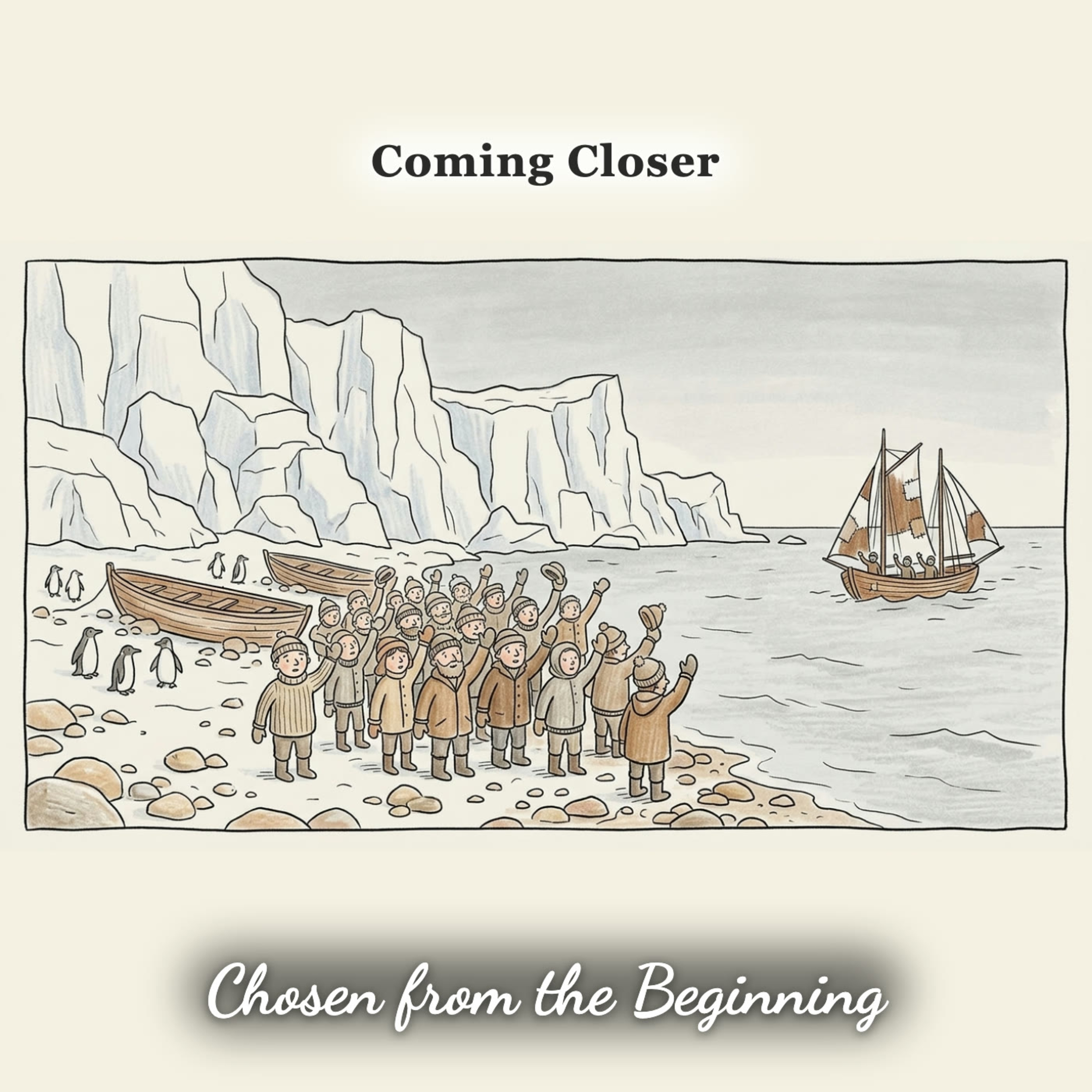
Chosen from the Beginning: How the Atonement Brings Us HomeIn 1916, Ernest Shackleton left twenty-two men on Elephant Island and sailed eight hundred miles for help. The ice turned his rescue ships...
Blood for Life: How the Atonement Frees Us from Bondage
Nov 11, 2026 · 21m
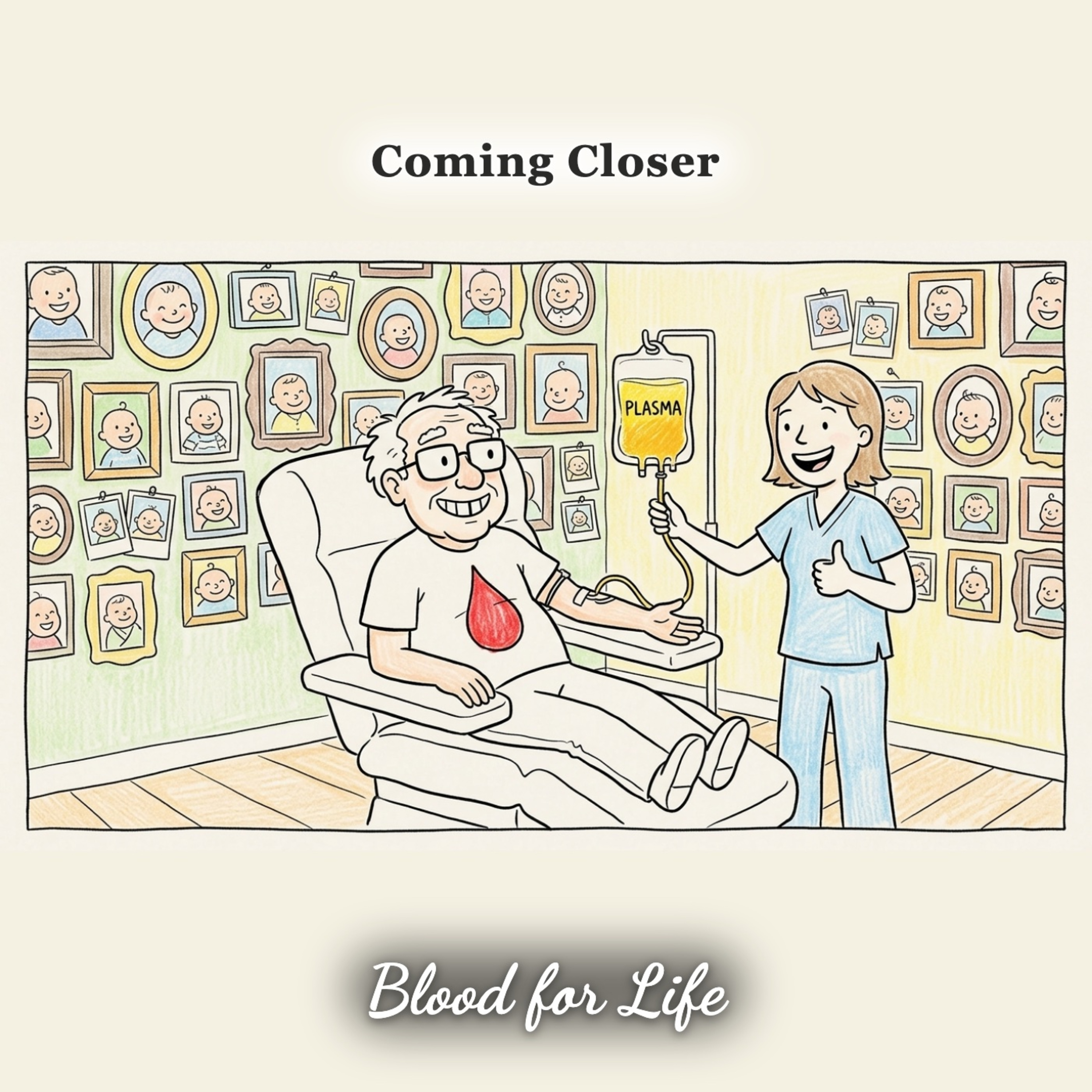
Blood for Life: How the Atonement Frees Us from BondageJames Harrison gave his blood plasma 1,173 times, and Australia credits it with helping about two and a half million babies. One man's blood,...
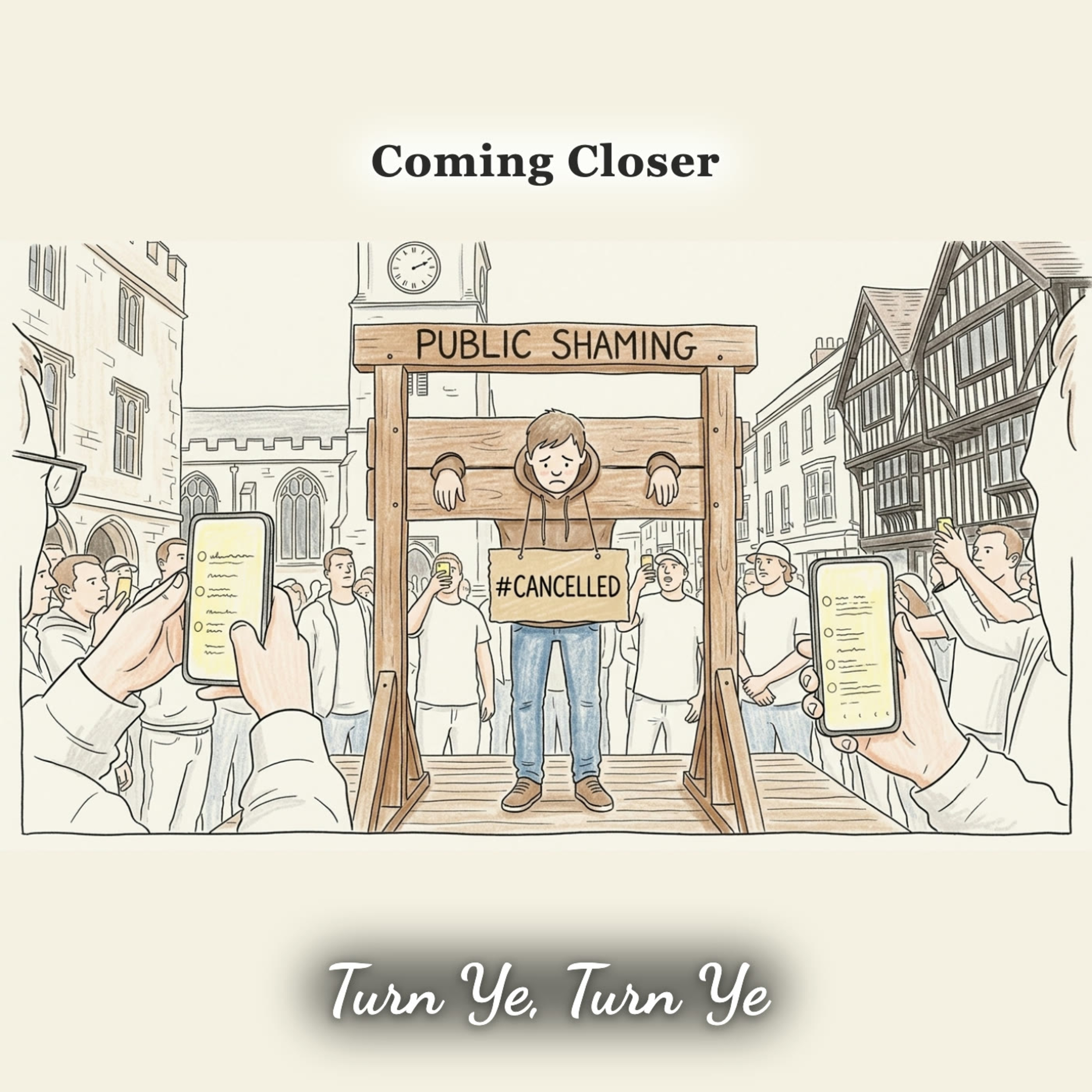
Turn Ye, Turn Ye: Why Guilt Leads Home and Shame Makes You Hide
Nov 4, 2026 · 23m
Turn Ye, Turn Ye: Why Guilt Leads Home and Shame Makes You HideThe pillory is gone, but public shaming isn't. Today it happens online, and it has no rules. When we sin, the Holy Ghost sends one...
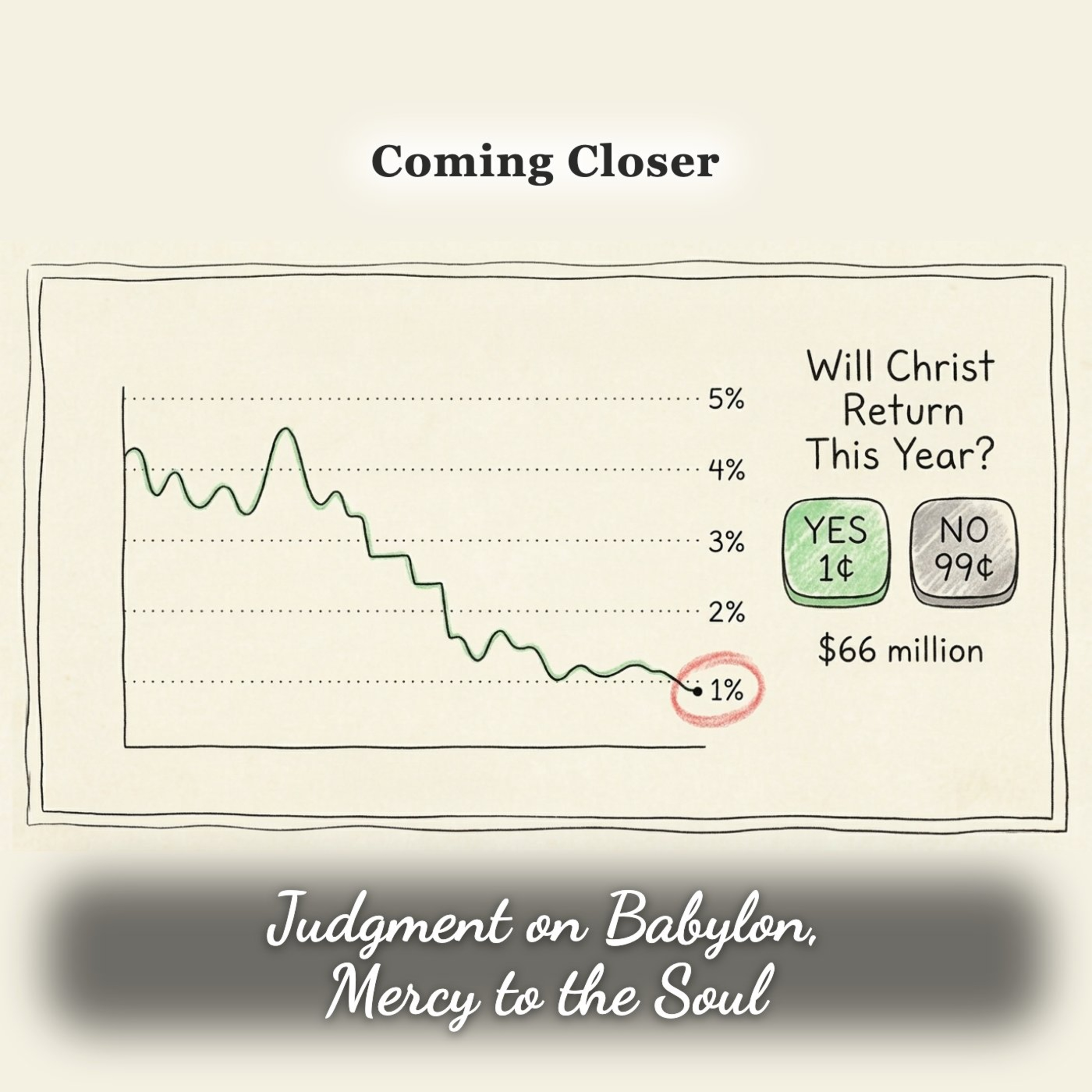
Judgment on Babylon, Mercy to the Soul: Don't Bet on the House
Oct 28, 2026 · 22m
Judgment on Babylon, Mercy to the Soul: Don't Bet on the HouseRight now you can bet on whether Jesus Christ will return this year, and more than 66 million dollars has changed hands on it. Scripture...
From Disciple to Apostle: Nephi's Divine Commission to Testify
Oct 21, 2026 · 20m
From Disciple to Apostle: Nephi's Divine Commission to TestifyAt Sinai, Israel saw the thunder and the lightning and backed away: "Speak thou with us, and we will hear: but let not God speak with us."...
Take these sermons with you.
Follow Coming Closer in the Getsermons app to get every new sermon, build playlists, and pick up right where you left off.

