
Distinctive Christianity
40. CFM: Romans 7-16
Aug 14, 2023 · 1h 36m
Prefer sermons downloaded automatically?
About this sermon
Original title: New Perspective(s): Justification(s), adoption(s) - and "then shall they be gods"
In this episode, Brendon and Skyler discuss the thirty-fourth lesson in the LDS Come, Follow Me sunday school manual. This week (Aug. 14-20) is titled "Overcome Evil With Good" and covers Romans 7-16.
We invite you to worship with us on any Sunday - either at First Baptist Church of Provo or Christ Presbyterian Church in Magna. We welcome visitors!
Pastor Brendon's Colossians series can be found here.
*Correction - - at 32:04, Skyler obviously misspoke very badly and meant to say (as the context makes clear): "Nobody's saying that God was once a man" or “Nobody’s saying that God was once a man who became God.” Some disputing the full divinity of Jesus still comes out of a monotheistic assumption which all forms of Mormonism deny.
**Correction - - George Foot Moore was a Presbyterian, and was a "Jewish scholar"...meaning to say: a scholar of Judaism. In terms of influence, his work in 1920's didn't seem to have the impact that E.P. Sanders would later in his book Paul and Palestinian Judaism (1977).
D&C 20; 50.26-28; 76.92-95; 84.38; 88.107; 132.19-21; Abraham 3
Seminary Manual: here, here and here, here, here
Gospel Principles: here
“Justification and Sanctification” (D. Todd Christofferson)
“The Challenge to Become” (Dallin Oaks)
“Hearts Knit In Righteousness and Unity” (Quentin Cook); look for the citation The Life and Work of St. Paul by Frederic Farrar (1898); also his complete lack of quoting from the actual text of the “profound epistle” - yet, his citation of the LDS heading (which disagrees with the actual text of Romans) as if it were the actual text of Romans.
The New Testament Made Easier by David Ridges
Achieving A Celestial Marriage manual
Joseph Smith: here and here; also The Words of Joseph Smith, edited by Andrew Ehat and Lyndon Cook
Jesus the Christ by James Talmage
Mormon Doctrine by Bruce R. McConkie
A Rational Theology by John Widtsoe
“Becoming Like God” (Gospel Topics Essays)
Understanding Paul by Richard Lloyd Anderson
Exploring Mormon Thought: The Problems with Theism and the Love of God by Blake Ostler
“Latter-day Saint Perceptions of Jewish Apostasy in the Time of Jesus” by Matthew Grey
Alfred Edersheim: Jewish Scholar for the Mormon Prophets by Marianna Edwards Richardson
The Apostle Paul: His Life and His Testimony (Sidney B. Sperry Symposium on the New Testament); esp. “Hebrew Concepts of Adoption and Redemption in the Writings of Paul” by Jennifer Clark Lane
Watchman on the Tower: Ezra Taft Benson and the Making of the Mormon Right by Matthew L. Harris
The New Testament: A Translation for Latter-day Saints by Thomas Wayment (published by Deseret Book), pg. 266:
Footnote on Romans 1, vss. 26-27: “These verses have become one of the primary pieces of evidence for the discussion of homosexuality in the New Testament. In Paul’s day, pederasty and other abhorrent sexual practices were more common, particularly in accusations made by religious individuals against foreign religious cults. It is therefore unclear that Paul is condemning the practice of homosexuality but instead may be condemning what he perceives to be strange and foreign sexual practices such as pederasty. From such scant evidence, it remains unclear what actions Paul had in mind here, but it is obviously abhorrent to him.”
Joseph Smith told Alexander Neibaur that he saw Jesus with a light complexion (white skin) and blue eyes (A.N. Journal, May 24,1844) - thus, looking a lot like...Joseph Smith. Whiteness is also true of Mary in 1 Nephi 11.13-15, who is even claimed by some LDS to actually be from England, based on legend.
Some Joseph Smith quotes on these passages:
“We need not doubt the wisdom and intelligence of the great Jehovah. He will award judgment or mercy to all nations according to their several deserts, their means of obtaining intelligence, the laws by which they are governed, and facilities afforded them of obtaining correct information, and his inscrutable designs in relation to the human family. And when the designs of God shall be made manifest and the curtain of futurity be withdrawn, we shall all of us eventually have to confess that the Judge of all the earth has done right...To say that the heathen would be damned because they did not believe the gospel would be preposterous. And to say that the Jews would be damned that do not believe in Jesus would be equally absurd...Consequently, neither Jew nor heathen can be culpable for rejecting the conflicting opinions of sectarianism, nor for rejecting any testimony but that which is sent of God...”
“No man can attain to the joint heirship with Jesus Christ without being administered to by one having the same power and authority of Melchizedek.”
“To become a joint heir of the heirship of the Son, [one] must put away all [one’s] traditions.”
“[It is] to inherit the same power [and] exaltation, until you ascend the throne of eternal power, same as those who are gone before.”
“What is it? To inherit the same glory, power, and exaltation, with those who are gone before.”
“[You will] enjoy the same rise, exaltation, and glory, until you arrive at the station of a God.”
“The scripture says those who will obey the commandments shall be heirs of God and joint heirs with Jesus Christ.”
MRM (Romans): 1, 2, 3, 4, 5
MRM (Becoming Like God): 1, 2, 3, 4, 5, 6, 7, 8, 9
The Apostolic Preaching of the Cross by Leon Morris
Redemption Accomplished and Applied by John Murray
The Letter to the Romans (NICNT) by Douglas Moo
Father, Son, and Spirit in Romans 8: The Roman Reception of Paul’s Trinitarian Theology by Ron Fay
Adopted into God’s Family: Exploring a Pauline Metaphor (NSBT) by Trevor Burke
We Become What We Worship; Union with the Resurrected Christ by G.K. Beale
Knowing God; Evangelism and the Sovereignty of God by JI Packer
Christianity and Liberalism by J. Gresham Machen
Confessions by St. Augustine
The Trinity: An Introduction by Scott Swain
The Bible and Homosexual Practice: Text and Hermeneutics by Robert Gagnon
Reformed Forum: here, and here
Jason Wallace: here and here ; An Earnest Plea to LDS
The Victorian “Lives of Jesus” by Daniel L. Pals
“Christian Writers on Judaism” by George Foot Moore
In response to the New Perspective on Paul: Here; here; here and here
Cracking the Foundation of the New Perspective on Paul: Covenantal Nomism versus Reformed Covenantal Theology by Robert Cara
Perspectives Old and New on Paul: The "Lutheran" Paul and His Critics by Stephen Westerholm
Justification (2 vol.’s); Covenant and Salvation by Michael Horton
"A Vindication of Imputation: On Fields of Discourse and Semantic Fields" by D. A. Carson
Justification and Variegated Nomism, Vol. 1: The Complexities of Second Temple Judaism and Vol. 2: The Paradoxes of Paul, edited by D.A. Carson, Peter T. O’Brien and Mark A. Seifrid
Where Is Boasting?: Early Jewish Soteriology and Paul's Response in Romans 1-5 by Simon Gathercole
The Whole Christ by Sinclair Ferguson
One book that is very important in regard to addressing some of the exegetical weaknesses of past commentary on the early parts of Romans, and yet demonstrates the inability of the New Perspective scholars to answer them is Uncovering the Theme of Revelation in Romans 1:16-3:26 by Marcus Mininger. Often, the New Perspective has pointed out a weakness and then used that as a springboard for their own view, without actually answering the very exegetical questions they have asked of others. Mininger's book is incredibly important work.
One scholar's concluding remark regarding the NPP is worth including: "In spite of recent challenges, I believe [the traditional, forensic] understanding of Paul's justification does better justice to the Pauline texts. It cannot be dismissed by the claim that the ancients were not concerned to find a gracious God (how could they not be, in the fact of pending divine judgment?); or that it wrongly casts first-century Jews as legalists (its target is rather the sinfulness of all human beings); or that non-Christian Jews, too, depended on divine grace (of course they did, but without Paul's need to distinguish grace from works); or that 'righteousness' means "membership in the covenant" (never did, never will) and the expression "works of the law" refers to boundary markers of the Jewish people (it refers to all the 'righteous' deeds required by the law as its path to righteousness).
Modern scholars are correct in noting that Paul first focused on language of justification in response to the question whether Gentile believers in Christ should be circumcised. They are right to emphasize the social implications of Paul's doctrine of justification (what it meant 'on the ground') in his own day, and are free to draw out its social implications for our own. But the doctrine of justification means that God declares sinners righteous, apart from righteous deeds, when they believe in Jesus Christ. Those so made righteous represent the new humanity, the people of God's new creation." (Justification Reconsidered by Stephen Westerholm)
The Aryan Jesus: Christian Theologians and the Bible in Nazi Germany by Susannah Heschel
The Lie That Wouldn't Die: The Protocols of the Elders of Zion or (a more recent edition) The Lie That Will Not Die: The Protocols of the Elders of Zion by Hadassa Ben-Itto
The Popes Against the Jews: The Vatican’s Role in the Rise of Modern Antisemitism by David Kertzer
Theologians Under Hitler by Robert P. Ericksen
Our Hands Are Stained with Blood; Christian Antisemitism by Michael Brown
The Aryan Christ: The Secret Life of Carl Jung by Richard Noll
More from Distinctive Christianity
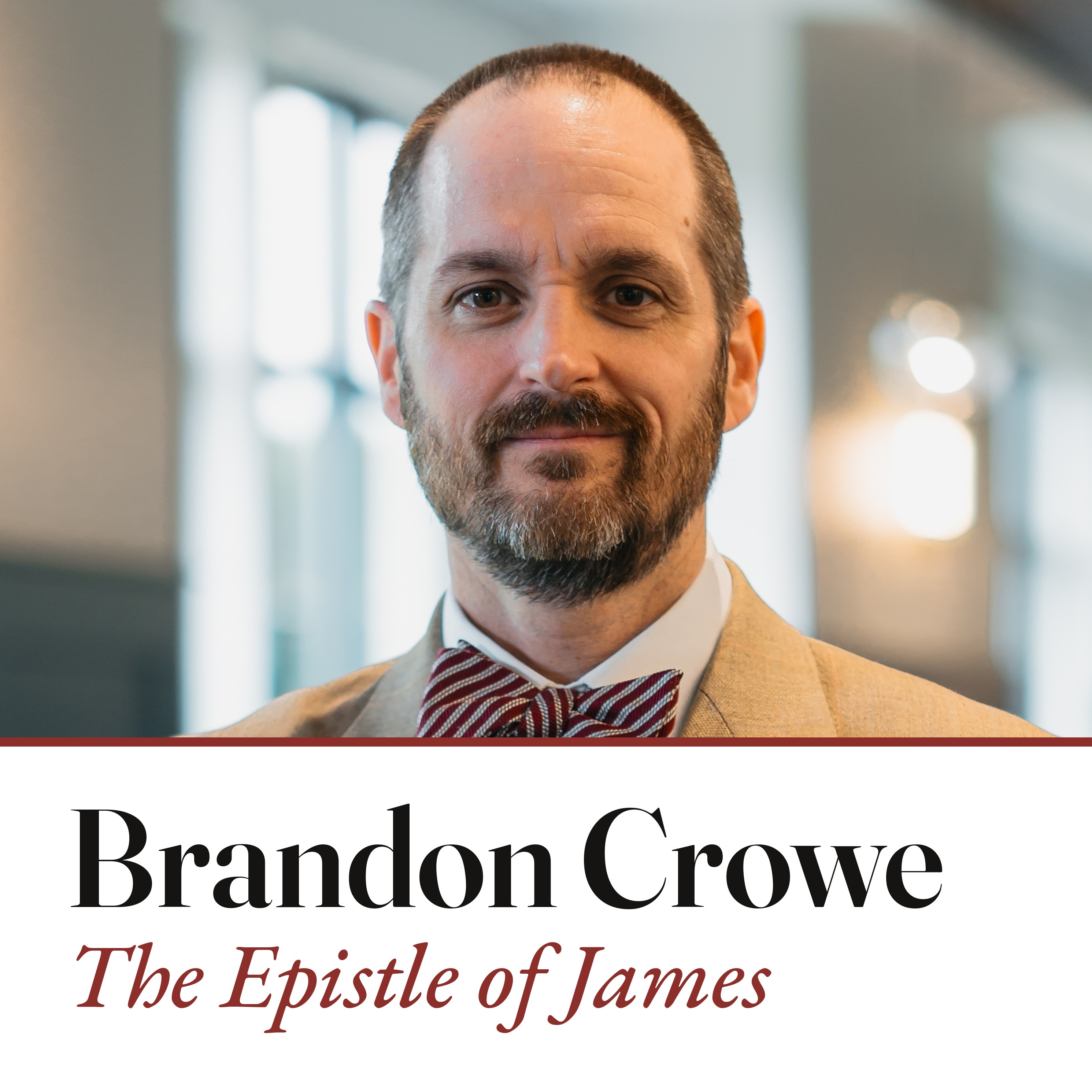
253. Brandon Crowe on the Epistle of James
Nov 23, 2026 · 58m
In this episode, we welcome back Dr. Brandon Crowe to discuss his book James Revisited: Christology and Biblical Theology in the Letter of James. Who is this James, the author of the epistle – and was...
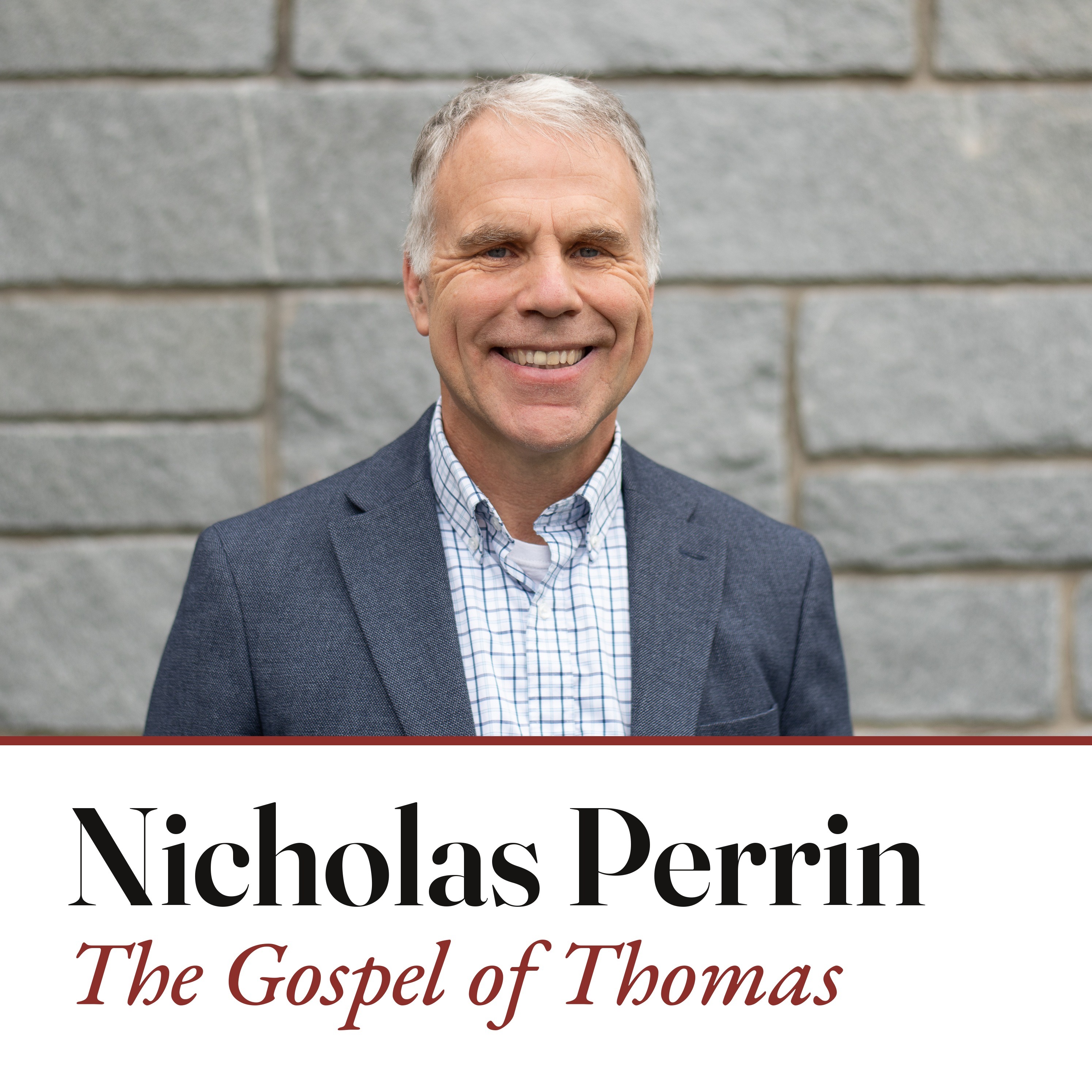
252. Nicholas Perrin on The Gospel of Thomas
Nov 19, 2026 · 1h 13m
In this episode, we welcome back Dr. Nicholas Perrin to discuss his book Thomas: The Other Gospel. What is The Gospel of Thomas, and why does it matter? Discovered in 1945 at Nag Hammadi (in Egypt),...
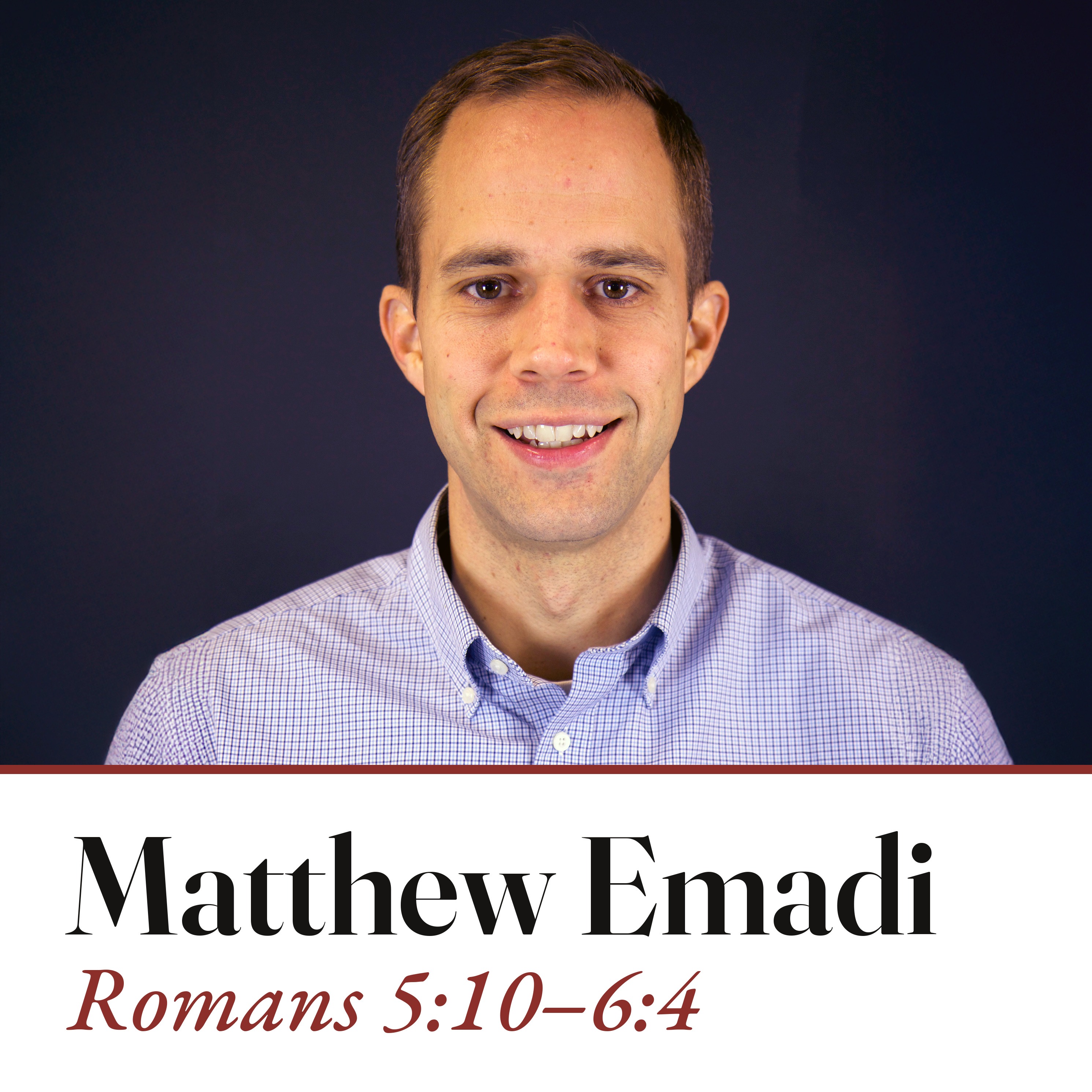
251. Matthew Emadi on Romans 5:10-6:4
Nov 16, 2026 · 1h 17m
In this episode, we welcome back Dr. Matthew Emadi to continue to discuss Paul’s Epistle to the Romans. Listen in as Dr. Emadi takes us on a tour of one of the most important and insightful texts of...
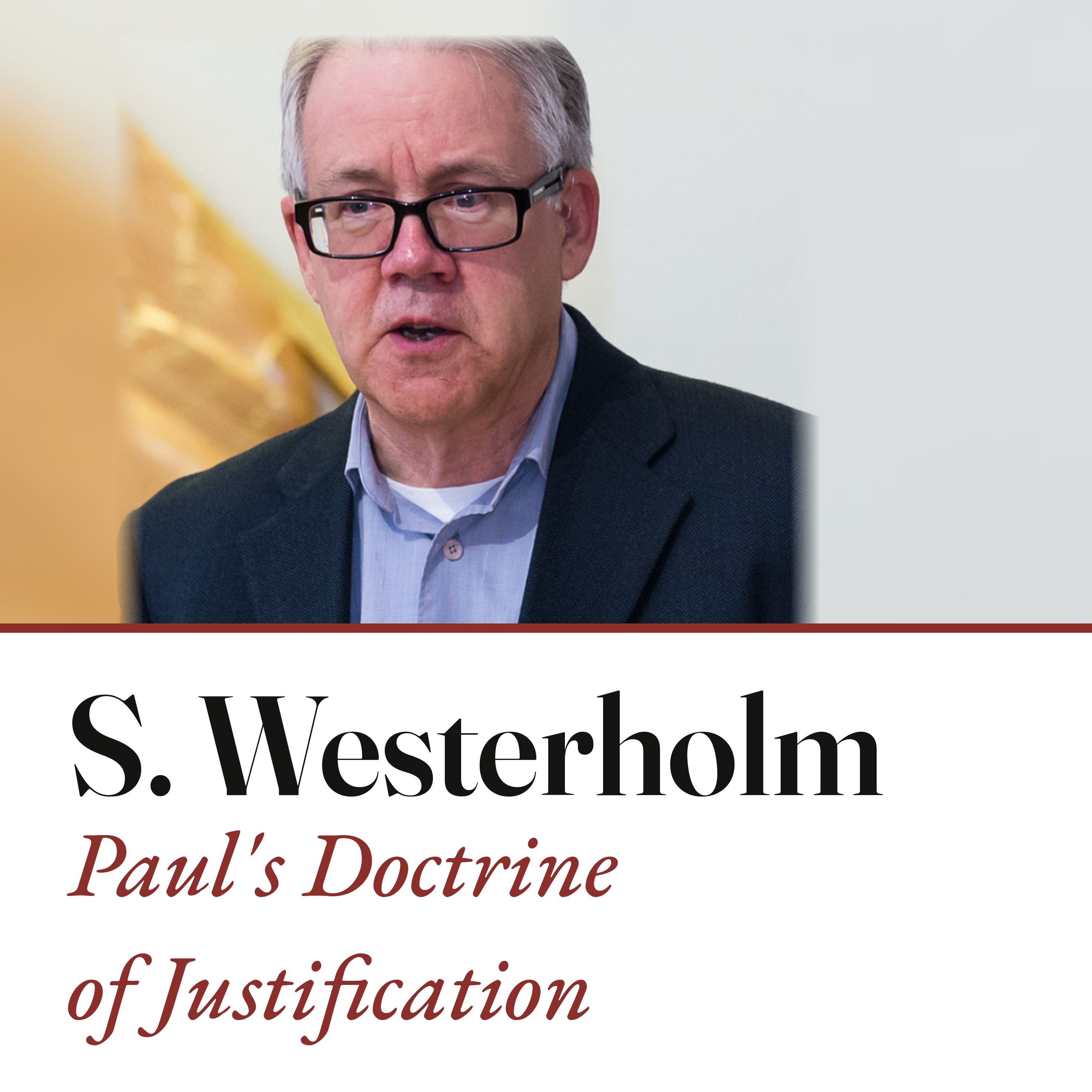
250. Stephen Westerholm on Paul's Doctrine of Justification
Nov 9, 2026 · 1h 12m
In this episode, we welcome Dr. Stephen Westerholm to discuss his book Justification Reconsidered: Rethinking a Pauline Theme. What is the Doctrine of Justification, and why is Paul so central to a...

249. Naomi Rood on Homer's Odyssey
Nov 2, 2026 · 1h 41m
In this episode, we welcome Dr. Naomi Rood to discuss Homer’s Odyssey. Consisting of around 12,100 lines of verse (separated into 24 books) and being around 2,700 years old, what is the Odyssey and...

248. David Rathel on Andrew Fuller
Oct 26, 2026 · 1h 8m
In this episode, we welcome Dr. David Mark Rathel to discuss his book Andrew Fuller and the Search for a Faith Worthy of All Acceptation: Exploring Fuller’s Soteriology in Its Historical Context....
Take these sermons with you.
Follow Distinctive Christianity in the Getsermons app to get every new sermon, build playlists, and pick up right where you left off.

