
Distinctive Christianity
61. Do LDS Believe in Hell?
Dec 14, 2023 · 55m
Prefer sermons downloaded automatically?
About this sermon
This is a response to this short. There is nothing here that is meant to take away, in any way, from the good this ministry does and will continue to do. In fact, in defense of the short - the LDS often obfuscate with their use of language, rather than clarify, including on their website.
The citations which the short portrays, and one from the comments are:
D&C 29.36-38; 76. 28-38; 88.24,32; "Hell" (LDS website)
The episode at issue in which we originally covered this is here. There will be overlap in coverage with other episodes from throughout the year, as well as the upcoming episode on Final Judgment.
LDS Website, e.g. - “Grace”
1 Nephi 10.20-21, 14.7,10, 15.35; 2 Nephi 9.46; 28.21-23; Alma 1.3-4, 34.32-35, 41.4-5, 42; 3 Nephi 26.4-5, 27.11-17,33; D&C 19; 133.73; Moses 4; Abraham 3
Teachings of the Prophet Joseph Smith compiled by Joseph Fielding Smith; also, here and here
The Words of Joseph Smith edited by Andrew Ehat and Lyndon Cook
History of the Church 5.517
“Life and Death, or Organization and Disorganization” by Brigham Young (July 10,1853)
“The Three Glories” by Brigham Young (August 26, 1860); notice – even in the sermon where he says concerning D&C 76 that it “far outweigh[s] all the Christian tenets, doctrines, and systems they have drawn from the Bible” and that “[T]he doctrine God has revealed here is more precious to me, and is worth more than all the doctrines of Christendom” - he still goes on to say: “The Kingdoms that God has prepared are innumerable.” He did not read D&C 76 as teaching that the lines between the kingdoms are eternal barriers. Moreover, he states that the LDS elders' preaching hell is “good for nothing.”
“Eternal Punishment - ‘Mormonism,’ &c.” by Brigham Young (January 12, 1862) - wherein he states: “God’s punishment is eternal, but that does not prove that a wicked person will remain eternally in a state of punishment.” He here also distinguishes himself between the first and second death. Notice: no caveat made for anyone here – even under his discussion of the second death.
Brigham Young: JD 1.118, 1.185 (also here); 1.275-276; 2.31; 2.124; 2.135-136; 2.137; 3.94; 3.247; 4.285; 5.76; 7.57; 9.333
Heber C. Kimball: JD 1. 161, 3.109, 3.125; 4.2,4-5; 4.223; 4.329; 5.95; 5.203
John Taylor: JD 1.151-152
Orson Pratt: JD 2. 336-337
Orson Pratt used D&C 76 to argue that not all people of the worlds under the Father are literally children of his, but rather of the network of gods, more generally.
Jedediah M. Grant: JD 2.227
George A. Smith: JD 12.333-334
George Q. Cannon: JD 24.374
Chas. W. Penrose: JD 24.91-93: “But it does not follow that because a person may be banished into the eternal punishment it is intended that he shall stay there eternally. He may go into eternal punishment, he may go to the place prepared for the rebellious and the sinner and stay there but for a certain period.” He then goes on to speak of D&C 19, then D&C 76 – and then states: “The sons of perdition are to go away into this everlasting punishment.” He makes only the caveat of “this world or the world to come”.
A few more relevant Brigham Young quotes:
On the 1/3 of the children point – Brigham Young taught that: “Do you suppose that one third part of all the beings that existed in eternity came with [Lucifer]? No, but one third part of the spirits that were begotten and organized and brought forth to become tenants of fleshly bodies to dwell upon this earth.”
“Who will be saved in the celestial kingdom of God? They that have the oracles of truth and obey them. Where will the rest go? Into kingdoms that God has and will prepare for them and there are millions of such kingdoms. There is as many degrees of glory as there are degrees of capacity and to them will be meted out according to their faith, and goodness and the truth that abides in them and according to the light God has imparted to them.” (The Essential Brigham Young, pp.139-140)
"Do we know what hell is? And where hell is? Who can point it out? In many instances where the apostles have been speaking and likewise Jesus in his communications to the people this earth is compared to hell. Well it is in one sense. If we find out really that hell is anything more or less than this earth, this wicked world, we shall find that it is banishment from the society and presence of Holy beings." (The Complete Discourses of Brigham Young, Vol. 1, pg. 1103)
Young stated in a "Discourse on Marriage" that women "are not accountable for the sins that are in the world." This is one of the places where the idea that women cannot become "sons of perdition" is taught. He also teaches that here, but says “in hell”.
Evidences and Reconciliations; A Rational Theology; Joseph Smith: Seeker After Truth – Prophet of God; The Message of the Doctrine and Covenants by John A. Widtsoe
“In the Great Plan there is no provision for the eternal damnation of man.” (A Rational Theology, p. 183)
“In the church of Jesus Christ of Latter-day Saints, there is no hell...The gospel of Jesus Christ has no hell in the old proverbial sense.” (Joseph Smith: Seeker After Truth - Prophet of God, p. 178)
Elias: An Epic of the Ages by Orson F. Whitney
Jesus the Christ by James E. Talmage
A Gospel Trilogy by Cleon Skousen
“Elder Widtsoe then called my attention to Doctrine and Covenants, 88:32 where it says that these afflicted entities will ‘RETURN AGAIN to their own place.’ The scripture says this means: ‘They shall go away into outer darkness, where there is weeping, and wailing, and gnashing of teeth.’ (D&C 133:73). From all of this we learn that the scriptures clearly teach that we all originally came from outer darkness and the sons of perdition return AGAIN to the place from which we all originated.” (p.11, emphasis in original)
Mormon Doctrine by Bruce R. McConkie
Gospel Principles ; Preach My Gospel: A Guide to Missionary Service
LDS Temple transcript: here and here; A form of it is in the book by Sandra Tanner, cited below. This is the script that Skyler read from in the episode. Apparently, there is also a line (missing from the Tanner version) about believing in “a devil”, as well. Notice: the belief in “a devil” is condemned literally in a scene where Lucifer is present.
“Review: Heaven, Hell, and Other People: A Wandering Review of Samuel Brown’s First Principels and Ordinances” by Michael Austin
Mormonism: Shadow or Reality? by Sandra and Jerald Tanner
Mormonism in Transition by Thomas Alexander
The Development of LDS Temple Worship, 1846-2000: A Documentary History, edited by Devery Anderson
The Mysteries of Godliness: A History of Mormon Temple Worship by David John Buerger
Mormon Matters
“Eternal Damnation, Outer Darkness, and the Reorganization of Intelligence” by Tom Bennett
Concise Theology by J.I. Packer
Simply Put: here and here
“Trichotomy: A Beachhead for Gnostic Influences” by Kim Riddlebarger
Isaac Watts Hymn: “When I can Read My Title Clear”
More from Distinctive Christianity
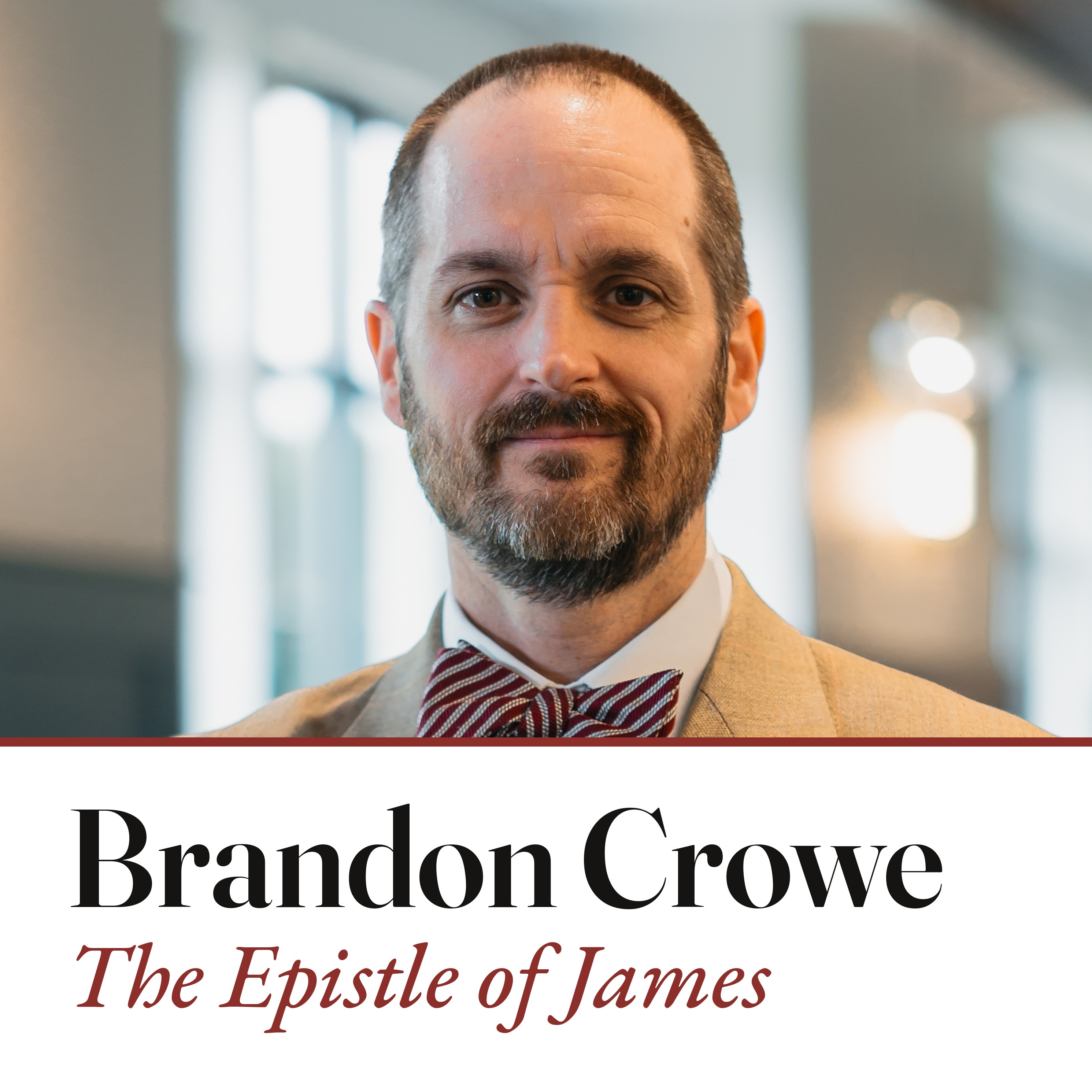
253. Brandon Crowe on the Epistle of James
Nov 23, 2026 · 58m
In this episode, we welcome back Dr. Brandon Crowe to discuss his book James Revisited: Christology and Biblical Theology in the Letter of James. Who is this James, the author of the epistle – and was...
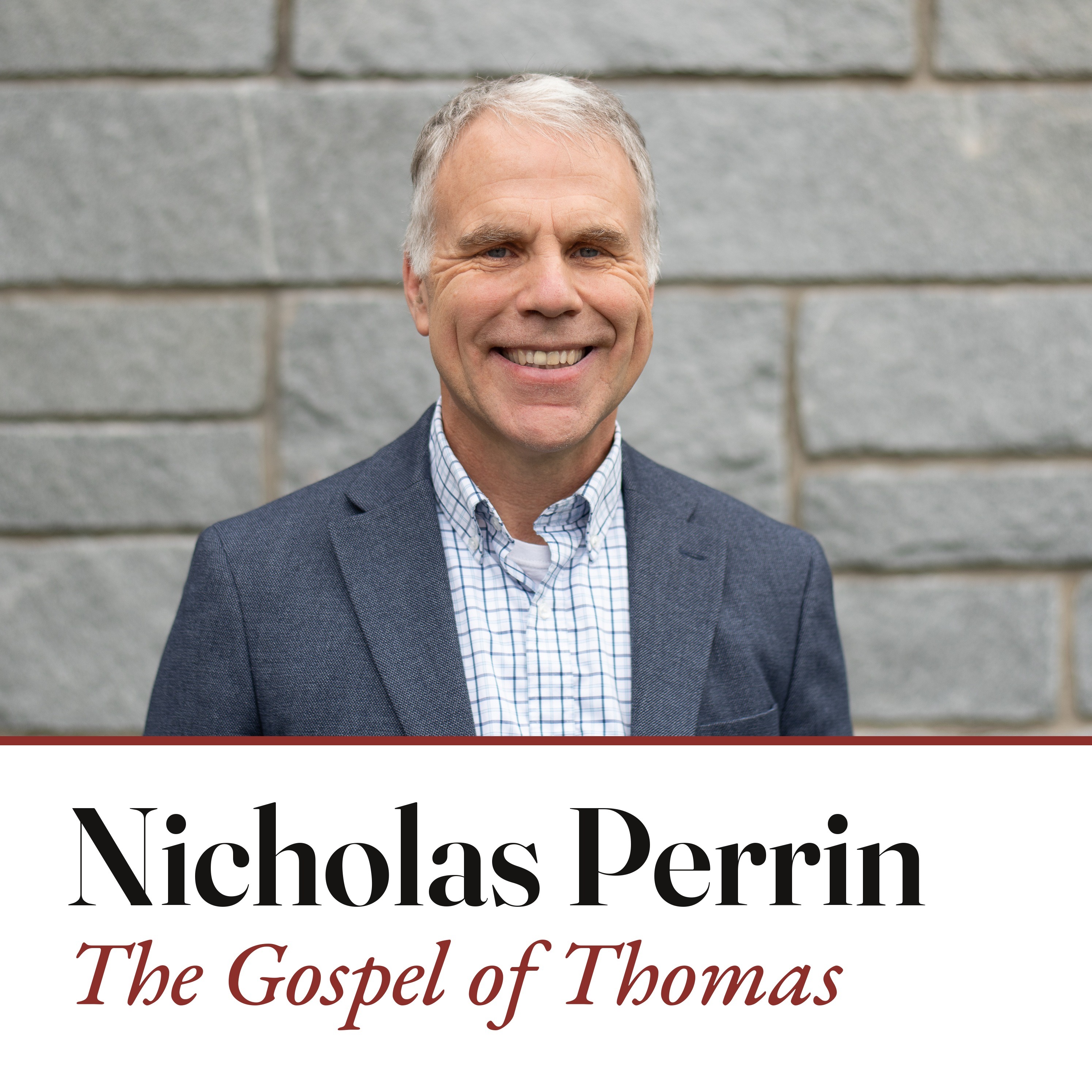
252. Nicholas Perrin on The Gospel of Thomas
Nov 19, 2026 · 1h 13m
In this episode, we welcome back Dr. Nicholas Perrin to discuss his book Thomas: The Other Gospel. What is The Gospel of Thomas, and why does it matter? Discovered in 1945 at Nag Hammadi (in Egypt),...
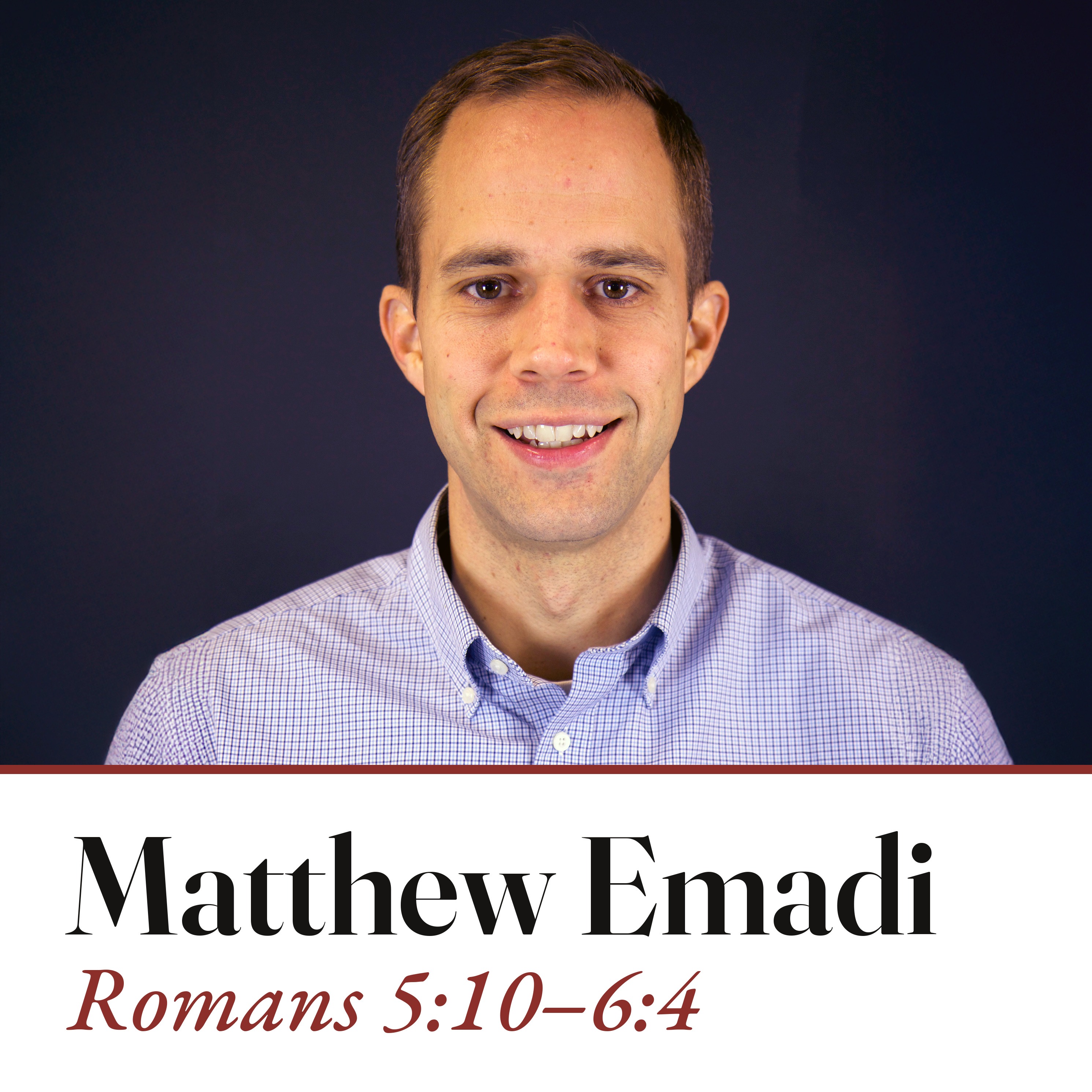
251. Matthew Emadi on Romans 5:10-6:4
Nov 16, 2026 · 1h 17m
In this episode, we welcome back Dr. Matthew Emadi to continue to discuss Paul’s Epistle to the Romans. Listen in as Dr. Emadi takes us on a tour of one of the most important and insightful texts of...
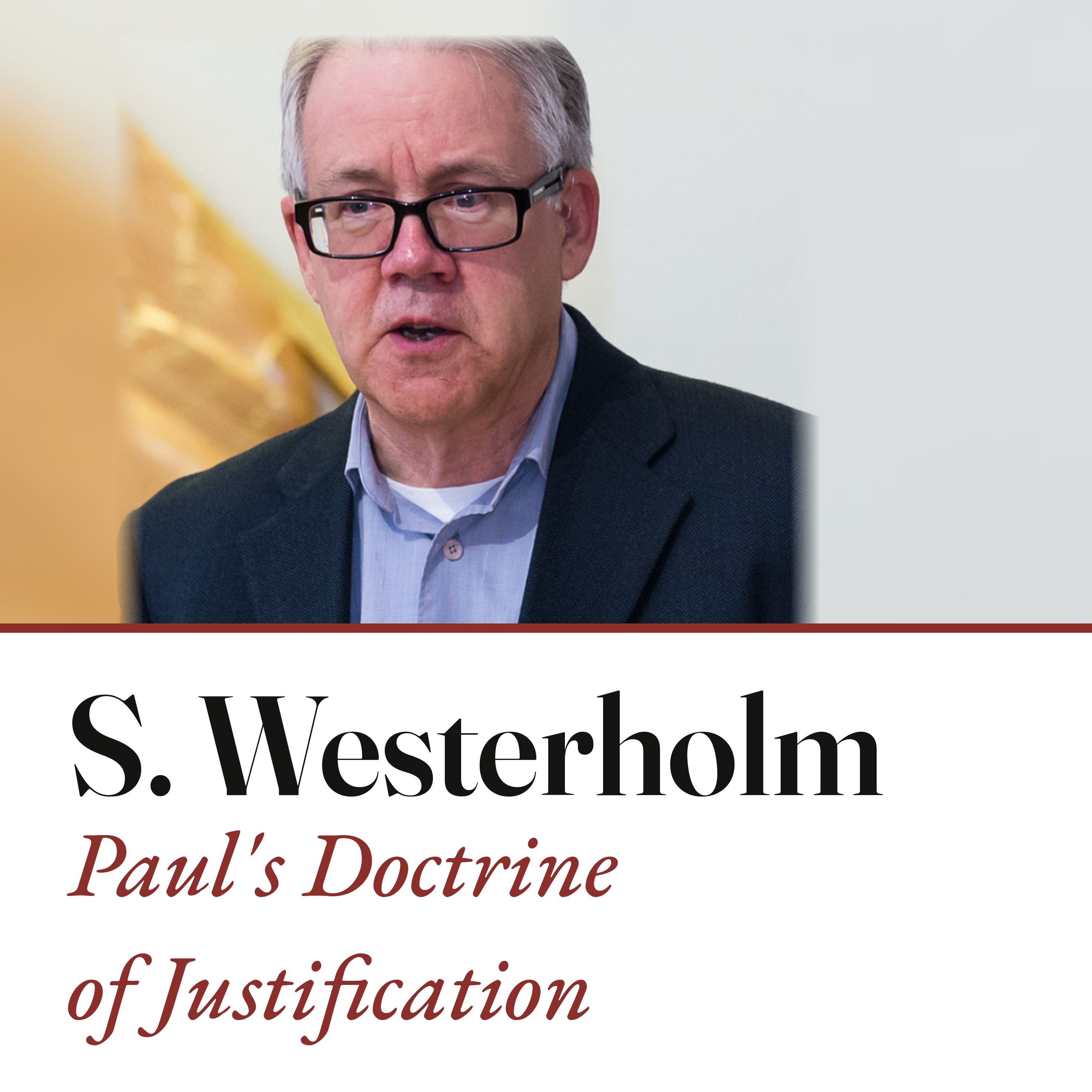
250. Stephen Westerholm on Paul's Doctrine of Justification
Nov 9, 2026 · 1h 12m
In this episode, we welcome Dr. Stephen Westerholm to discuss his book Justification Reconsidered: Rethinking a Pauline Theme. What is the Doctrine of Justification, and why is Paul so central to a...

249. Naomi Rood on Homer's Odyssey
Nov 2, 2026 · 1h 41m
In this episode, we welcome Dr. Naomi Rood to discuss Homer’s Odyssey. Consisting of around 12,100 lines of verse (separated into 24 books) and being around 2,700 years old, what is the Odyssey and...

248. David Rathel on Andrew Fuller
Oct 26, 2026 · 1h 8m
In this episode, we welcome Dr. David Mark Rathel to discuss his book Andrew Fuller and the Search for a Faith Worthy of All Acceptation: Exploring Fuller’s Soteriology in Its Historical Context....
Take these sermons with you.
Follow Distinctive Christianity in the Getsermons app to get every new sermon, build playlists, and pick up right where you left off.

