
Echoes of Babylon Podcast
[Ch. 1] Section I: Introduction – Why We Must Begin Here
Apr 24, 2026 · 4m
Prefer sermons downloaded automatically?
About this sermon
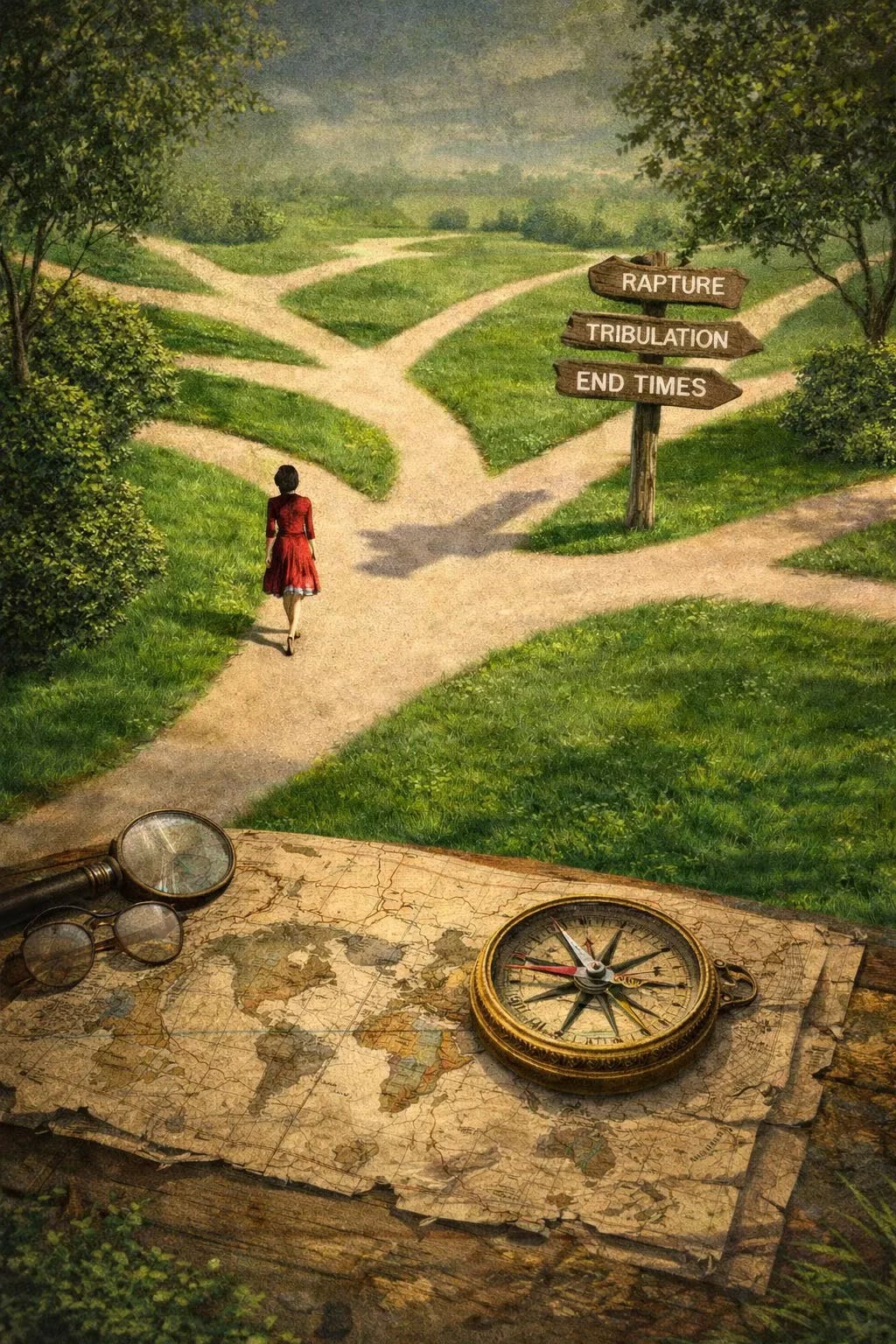
Every map is shaped by assumptions. If the compass is off—even slightly—you end up far from where you intended to go. That’s what’s happened with how most of us read Revelation.
We inherited a system. A framework. A way of mapping time, prophecy, and God’s future plans. And like all systems, it helps us make sense of the world. That’s not the problem. The problem is that it no longer fits the terrain—and in some places, it leads us directly into confusion.
But letting go of a system is not easy. These frameworks shape not just what we think, but how we think. They form our instincts, our identity, even our sense of safety. To question them feels like questioning the scaffolding of faith itself.
That’s why I want to proceed with care.
What follows is not an attack. It’s a renovation—but not cosmetic. Structural. Foundational. The kind of work that’s disruptive in the short term, but life-saving in the end.
So before we talk about dragons, beasts, or the mark, we need to do something harder.
We need to clear the debris.
Because most of what the modern Church believes about Revelation is not drawn directly from the text itself. It comes through systems—frameworks built over time to make sense of it. Some of those systems see something real. But none of them see the whole.
In other words, the problem isn’t the text—it’s the filter.
If we want to see clearly, we have to name the filter. Examine it. Then lay it down.
So before we move forward, we need to ask a harder question:
What exactly have we been using to read this book?
This is a public episode. If you would like to discuss this with other subscribers or get access to bonus episodes, visit echoesofbabylon.substack.com
More from Echoes of Babylon Podcast
[CH. 1] SECTION 4.5 - THE PAST AS ANSWER
May 3, 2026 · 27m
Preterism isn't a modern novelty. Its roots reach back to the earliest generations of the church — and its first full expression came from a Jesuit scholar in sixteenth-century Seville that almost...
[CH. 1] SECTION 4.4 - THE MAP THAT REFRAMED HISTORY
Apr 26, 2026 · 47m
On July 6, 1415, a Czech priest walked into a cathedral knowing he would not walk out alive. What happened that day is the doorway into historicism — the Reformation's way of reading Revelation as a...
[CH. 1] SECTION 4.3 - THE ANSWER THAT TRAVELED A DIFFERENT ROAD
Apr 24, 2026 · 27m
How the Eastern Church Received RevelationIn the previous section, we watched Augustine build a cathedral of thought in response to a world that had stopped making sense. The sack of Rome in 410 had...
[CH. 1] SECTION 4.2 - THE ANSWER THAT LASTED FOR A THOUSAND YEARS
Apr 24, 2026 · 26m
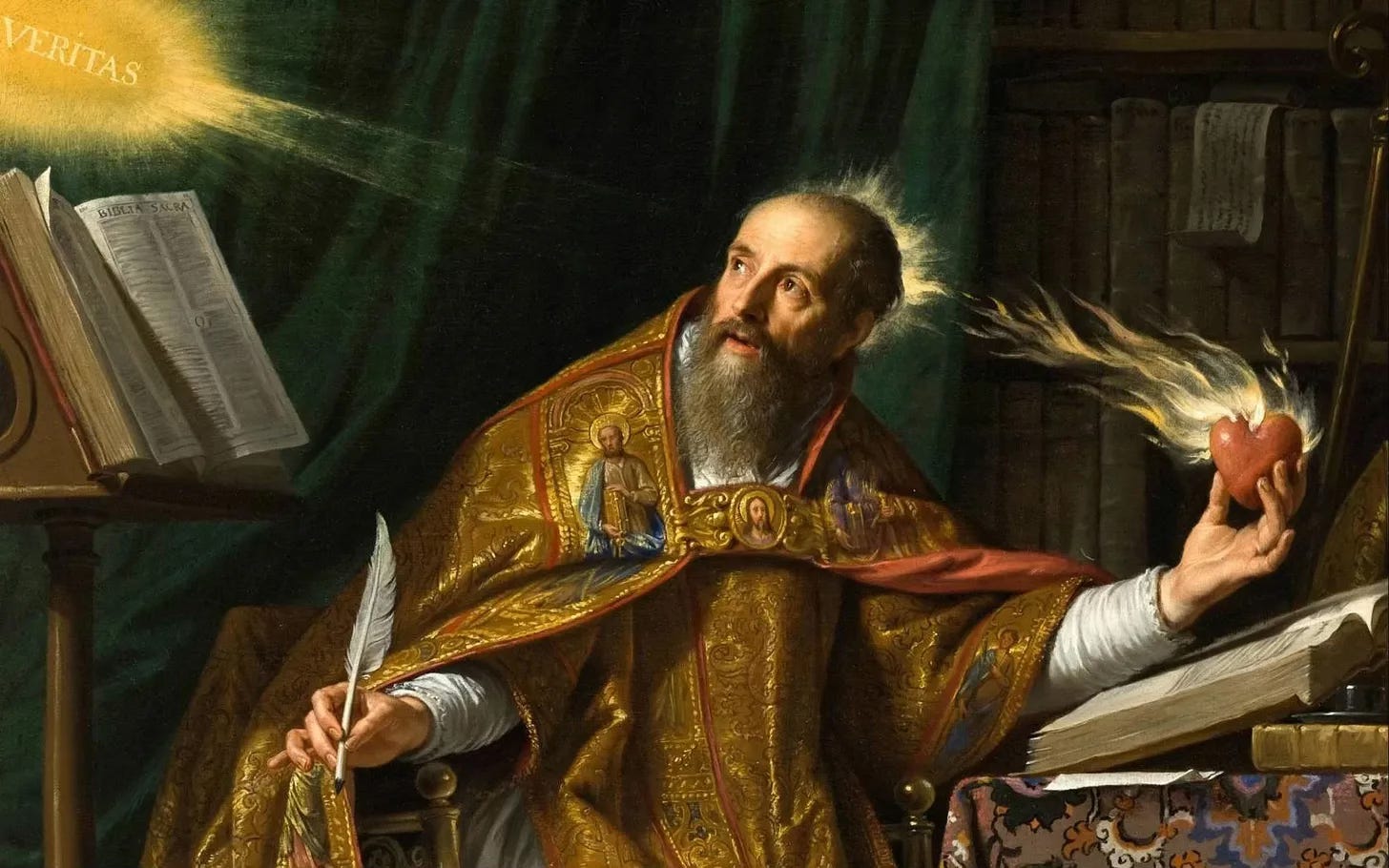
How Augustine Reshaped the Way the Church Read RevelationIn the previous section, we watched the earliest reading of Revelation encounter a pressure it was never built to absorb. Chiliasm — the...
[CH. 1] SECTION 4.1 - THE FIRST READERS
Apr 24, 2026 · 19m
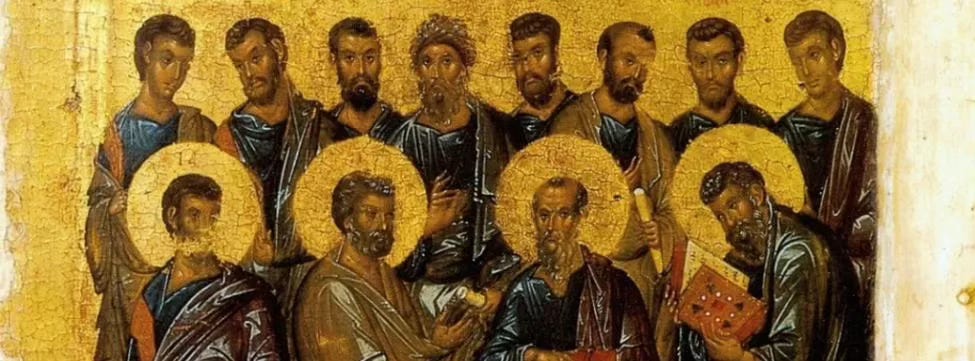
How the Early Church Held Its HopeIn the previous section, we traced how every major way of reading Revelation developed in response to pressure — not as a timeless system handed down intact, but as a...
[Ch. 1] Section IV: Familiar Readings, Unasked Questions
Apr 24, 2026 · 19m
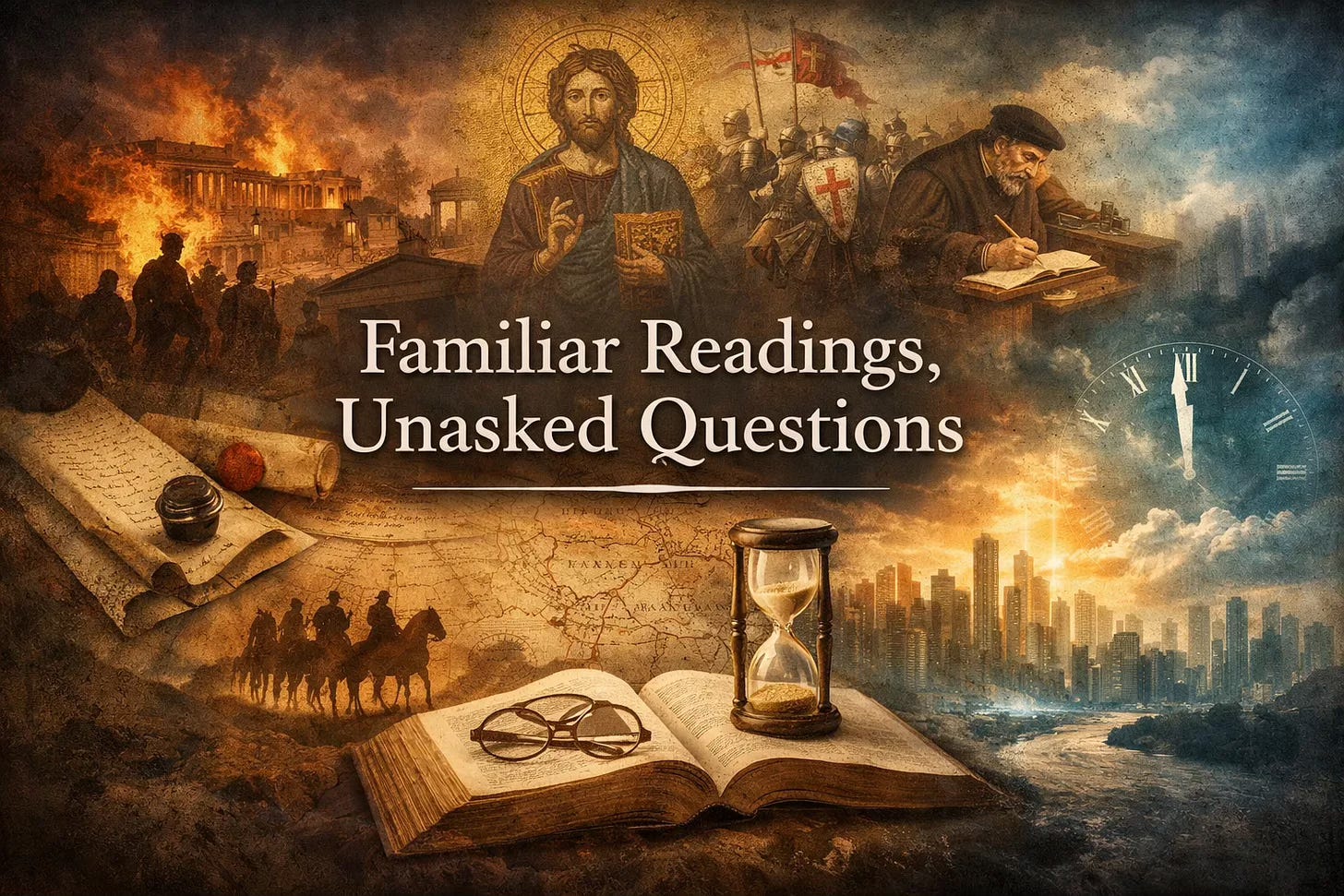
I didn’t know it at the time, but the question I had begun asking had been asked before.The way Revelation has been read—what I had assumed was simply the view—had a history. It developed over time,...
Take these sermons with you.
Follow Echoes of Babylon Podcast in the Getsermons app to get every new sermon, build playlists, and pick up right where you left off.

