
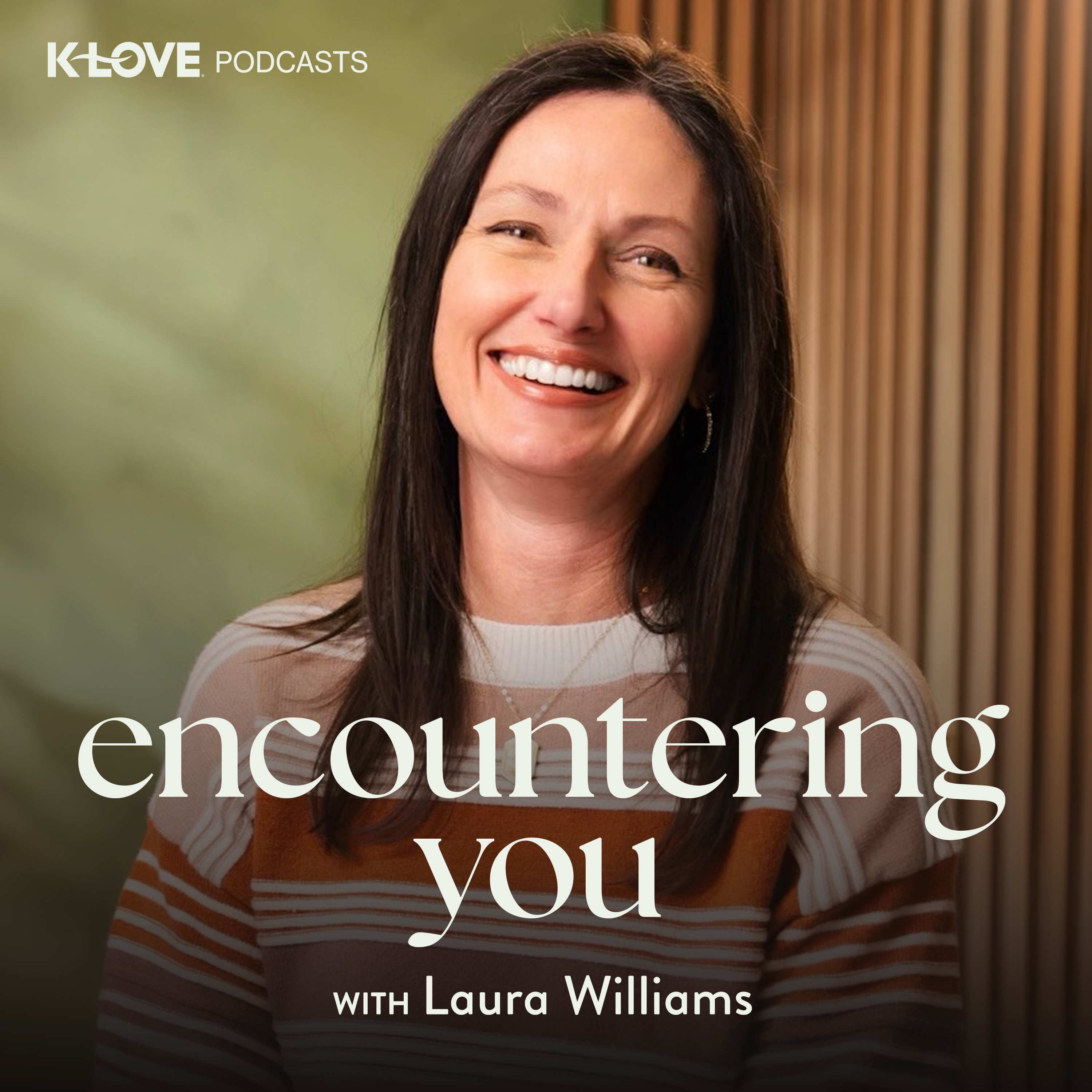
Encountering You
It Wasn't One Thing
Nov 4, 2026 · 28m
Prefer sermons downloaded automatically?
About this sermon
When most people hear "PTSD," they picture a single terrible event: an accident, a combat tour, or an assault. But many people carry something harder to pinpoint: years of a childhood that wasn't safe in ways that were never dramatic enough to name, an inconsistent caregiver, or a home where love was real but conditional. There's a name for this—Complex PTSD—and it's more common than most people realize, including among those who would never think to call what happened to them trauma. In this episode, we look at what Complex PTSD actually is, how it differs from PTSD, and what developmental and relational trauma do to a person over time.
In This Episode
The difference between PTSD and Complex PTSD (C-PTSD) and why it's about duration and developmental context, not severity
Where the term comes from, and why it's recognized in the ICD-11 even though it's not yet in the DSM-5
The range of experiences that can cause C-PTSD, from chronic neglect to an emotionally unavailable caregiver to ongoing domestic violence
What developmental and relational trauma actually mean and why the nervous system can carry this without any conscious memory of specific incidents
"Big T" vs. "little t" trauma, and why chronic little-t experiences can produce the same nervous system patterns as a single dramatic event
How C-PTSD tends to show up in adulthood: emotional regulation, relationships, sense of self, the body, and day-to-day functioning
Why this is genuinely treatable and what evidence-based support (EMDR, somatic therapy, parts work, relational therapy) can look like
A Note Before You Listen
This episode is educational, not a diagnostic checklist; only a qualified professional can diagnose Complex PTSD. If this topic touches something personal for you, it's okay to pause and come back when you have space. And if anything here resonates strongly, it's worth bringing to a therapist rather than self-diagnosing.
Key Takeaway
You don't need a single dramatic event to carry Complex PTSD; what you need is a sustained environment where safety, attunement, or consistency were missing. None of the ways this shows up in adulthood are a character flaw; they're a nervous system that adapted intelligently to survive, and a nervous system that adapted once can learn something new.
More from Encountering You
The Pressure to Be Grateful
Nov 18, 2026 · 24m
You know the moment: everyone's around the table, and it's time to go around and say what you're thankful for. Maybe this year has actually been hard; a loss, a diagnosis, a job you hated, a...
Resentment Is Hurt That Never Got Spoken
Oct 21, 2026 · 26m
Ever notice how some hurt fades on its own, while other hurt seems to just harden? In this episode, we look at the difference between hurt and resentment and why resentment is so often just hurt...
Not Everyone You Call a Narcissist Is One
Oct 7, 2026 · 24m
"Narcissist" might be one of the most overused words online right now, thrown at exes, bosses, and parents alike. But narcissism isn't a light switch; it's a spectrum, from healthy self-regard all the...
Is It Stress, or Is It Trauma?
Sep 23, 2026 · 24m
We often use "stressed" and "traumatized" like they're interchangeable but your nervous system treats them very differently. In this episode, we break down what's actually happening in your body...
Permission to Play
Sep 9, 2026 · 34m
Ashley is back and this time we're talking about play, spontaneity, and joy through the HOCI lens of moderation. I grew up not knowing how to play. She grew up playing naturally but maybe using it for...
The Friendships We Don't Plan For
Aug 26, 2026 · 42m
Adult friendship doesn't happen by accident, it happens on purpose. In this conversation with Ashley, co-owner of our counseling practice and my best friend, we talk about why making friends as an...
Take these sermons with you.
Follow Encountering You in the Getsermons app to get every new sermon, build playlists, and pick up right where you left off.

