
Extra Credit Podcast
Becoming a Home for God
Oct 2, 2025 · 50m
Prefer sermons downloaded automatically?
About this sermon
God Is Our Home
Psalm 46 begins with one of the more memorable lines in scripture: “God is our refuge and our strength, a very present help in trouble.”
The psalms never tire of emphasizing this theme. Psalm 90 says that God has been our dwelling place throughout all generations. Psalm 91 says that we live in the shelter of the most high and that we abide in his shadow.
In other words, God is our home. This is basic to Christian spirituality: God is our true dwelling place. “In him we live and move and have our being,” as Paul says in Acts. “Build your home on the rock not the sand,” Jesus says. “Abide in me,” says the Gospel of John.
We Are God’s Home
But Psalm 46 goes on to tell us that God also has a dwelling place: God dwells in his holy place, or his holy tent (v. 4). This should strike us as odd if we stop to consider it. We dwell in God—that makes sense. But surely God has no home. Nothing can contain him. But the psalmist says that God does have a home—in his holy place/tabernacle.
If you were to ask an old Israelite: “Where is your God?” They would probably say, “Well he sits enthroned above the heavens. He is the author of our story and, in fact, the author of the story of the whole world. So, of course he is ‘up there.’ Oh but also he is over there in that small little tent that he had us make for him.”
For the Israelites, God has an address: 1 Tabernacle Way. Yes, he is God above all things, enthroned in the heavens, not contained by anything, but you can also locate him. His home is over there in that tent. Israel bears witness to the fact that God is two things at once” He is God above us, but he is also God with us.
The Gospel of John picks up on this, “In the beginning was the Word and the Word was with God and the Word was God…And the Word was made flesh and dwelt [tabernacled] among us” (Jn. 1:1, 14).
One of the chief themes in the Gospel of John is that Jesus himself is the temple. In other words, Jesus is God’s address. If you want to locate the eternal, omnipresent God, you must find the man Jesus of Nazareth.
This is what Jesus tells us in John 14:8–10
8 Philip said, “Lord, show us the Father and that will be enough for us.” 9 Jesus answered: “Don’t you know me, Philip, even after I have been among you such a long time? Anyone who has seen me has seen the Father. How can you say, ‘Show us the Father’? 10 Don’t you believe that I am in the Father, and that the Father is in me? The words I say to you I do not speak on my own authority. Rather, it is the Father, dwelling in me, who is doing his work.
Paul puts it this way “For in him all the fullness of God was pleased to dwell” (Col. 1:19). In other words, The Father’s home is in Jesus.
If you want to locate the Father you must come to Jesus. But how do you come to Jesus? Psalm 46:4 gives us the clue—although most of our English translations hide it from us. In Hebrew the text actually says that God “dwells in his holy places/tents.” It’s plural. The KJV preserves it: “The holy place of the tabernacles of the Most High.”
But doesn’t God only have one tabernacle, or one temple? Isn’t there only one Jesus? Yes, all that is true, but we can’t leave it there. Jesus says in John 14 that God the Father dwells in him, but he doesn’t leave it there either. He goes on to say, “Anyone who loves me will obey my teaching. My Father will love them, and we will come to them and make our dwelling with them” (John 14:23).
Now, we can hear the deep truth of Psalm 46. God is our dwelling place, but in Christ God has made us his dwelling places. Or as Paul puts it in Colossians: The fullness of God was pleased to dwell in Christ, and the mystery hidden for ages is that Christ is in you, the hope of glory! Or again in 1 Corinthians Paul tells the believers, “Do you not know that you are God’s temple and that God’s Spirit dwells in you?”
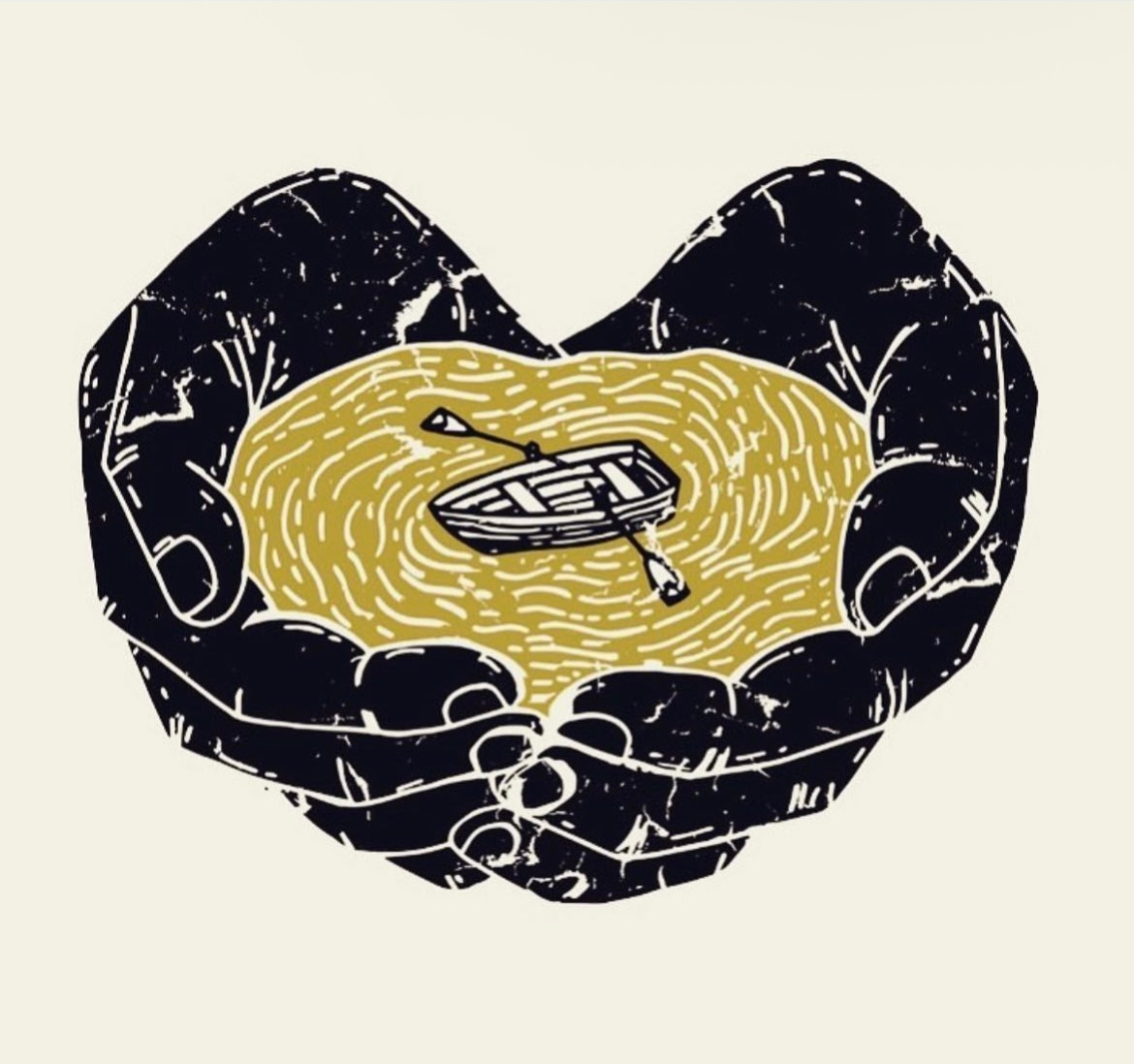
Our true home is in God and God’s true home is in us.
This mystery is grounded and takes place in the person of Jesus. He is fully God and fully human in one person. Two distinct natures are brought into union in him.
Maybe we could put it like this: Jesus’ divinity finds its home in his humanity and his humanity finds its home in his divinity. Jesus is both our home in God and God’s home in us.
How To Become a Home for God
Psalm 46:7 summarizes the mystery: “The Lord God almighty is with us, the God of Jacob is our fortress.”
God is our fortress (he is our home), but he is also together with us (he makes his home in us).
All this can easily become empty abstraction. We need a concrete example. Think of Mary. God sends the angel Gabriel to her, “Greetings Mary, full of grace, the Lord is with you.” And she was puzzled at these words. Why? Because they mean two things at once. “The Lord is with you.” Mary has found favor with God. God is her true home. She belongs to him. But precisely because she belongs to him so fully, he is coming to make his home in her. “The Lord is with you.” Mary’s home is in God and God is now making his home in Mary. God is with her and she is with child (two ways of saying the same thing).
Jesus is saying to her, “Mary, I love you. You come be at home in me. I’ll take care of you. I will be your refuge and strength. I will be your very present help in trouble.”
But he also is saying this to her, “Mary, because I love you I am making my home in your womb and in your arms. I will need you to take care of me. I will need you to be my refuge and my strength. I will need you to be my very present help when I am in trouble.”
Because God is Mary’s home he comes to her and makes it so that she will become his home. He is taking care of her, but the way he takes care of her is by coming to her so that she will take care of him. Mary’s salvation comes in her caring for God.
By Jesus depending on Mary he is actually giving grace to her. This is the power and majesty of the God of Israel: Jesus saves us by becoming dependent on us. God’s helplessness helps us.
Hans Urs von Balthasar puts it like this:
“[Mary must] introduce her Child into the business of being human… She must do two things simultaneously: teach her Son, nourish him, care for him… and learn from him, feed on him, trust herself to him.”
But don’t miss the point. Mary is not something other than we are. She is our example! We are called to the same thing Mary is called to. God is our home, and the way he makes us at home in himself is by coming to us so that we will be a home for him.
Will We Welcome Jesus?
But how does Jesus come to us?
Jesus brings a child before his disciples and says, “Whenever you welcome one of these little ones in my name you welcome me!” Later in Matthew 25 he says, “Whatever you do for the least of these, you do to me.”
By caring for those helpless around us we welcome Jesus in and care for him. We become his home. This is how Jesus is our home: He comes to us and asks us to be his home.
God is our refuge, and precisely because he is our refuge he calls us to be a refuge for him. And he comes to us in the least of these—children, the poor, the weak, the imprisoned, the sick, the immigrant, the helpless.
Those of us who consider ourselves friends of Jesus need to take seriously the fact that we might not like the way he comes to us. Everyone is comfortable with the idea that God is our refuge, but it is much more difficult when God comes to us in unexpected ways and asks us to be his refuge. We want God to save us, to deliver us, but we want it to be in a way that fits our expectations, and God is more often than not an enemy of our expectations.
While sitting in the Tegel prison in July of 1944 Dietrich Bonhoeffer wrote a poem on the way that God takes care of our needs by calling us to care for God’s needs:
“Christians and Heathens”
I.
People go to God when they’re in need,
Plead for help, pray for blessings and bread,
For rescue from their sickness, guilt, and death.
So do they all. All of them, Christians and heathens.
II…
This is a public episode. If you would like to discuss this with other subscribers or get access to bonus episodes, visit cameroncombs.substack.com
More from Extra Credit Podcast

Q&A with Chris E.W. Green
Nov 23, 2026 · 59m
Office Hours Q&A w/ Dr. Chris Green from TheoCon 26 Our midweek Bible study will not meet this week so I thought I’d share the Office Hours Q&A session with Dr. Chris Green from this year’s TheoCon....

On the Antichrist: “Are You the Antichrist or Should We Look for Another?”
Nov 19, 2026 · 58m
1 John Ep. 3 For many of us it will be shocking to learn that the only uses of the term antichrist in the scriptures come in the letters of John (1 John 2, 4, and 2 John 1). And what may be more...

Christ Is Tempted in Me
Nov 12, 2026 · 55m
1 John Ep. 2 This week we come to the famous division of the three temptations common to humanity that John gives in 1 John 2: the lust of the flesh, the lust of the eyes, and the pride of life. Many,...

The Contradiction of Grace
Nov 5, 2026 · 54m
1 John Ep. 1 “As long as I am imperfect and unruly, neither being obedient to God through the practice of the commandments, nor becoming perfect in knowledge in my mental faculties, Christ must be...

On Self-Love
Oct 29, 2026 · 57m
The Garden of the Heart Ep. 6 This week we turn to the difficult question of self-love. Does the gospel call us to love ourselves? The answer to the question is not a simple or straightforward Yes...

The Erotic Love of God
Oct 15, 2026 · 58m
The Garden of the Heart Ep. 5 This week we turn to discuss Eros—both its terror and its grandeur—and the way in which it reveals the depths of God’s heart for us. It is hard for us to believe, but the...
Take these sermons with you.
Follow Extra Credit Podcast in the Getsermons app to get every new sermon, build playlists, and pick up right where you left off.

