

Faith & Finance
5 Timeless Principles for Financial Stewardship with Ron Blue
Sep 3, 2025 · 24m
Prefer sermons downloaded automatically?
About this sermon
Some things change with the times—but God’s financial principles never do. They’re not only timeless; they work in every situation, for every person, at every income level.
Whether you’re barely making ends meet or managing significant wealth, the Bible’s wisdom for handling money is always right on target. Today, Ron Blue will unpack five proven principles for managing your money well.
Ron Blue is a nationally recognized financial expert, co-founder of Kingdom Advisors, and author of more than 20 books on biblical money management. With decades of experience advising families and leaders, he has dedicated his life to equipping Christians to manage their resources wisely and steward them for God’s kingdom purposes.
A Lesson From the Senate Floor
Back in the early 1990s, Ron Blue was invited to testify before a U.S. Senate subcommittee on family and money matters. When asked what advice he would give American families, his response was simple yet profound:
Spend less than you earn.
Avoid debt.
Build liquidity or margin.
Set long-term goals.
Give generously.
To Ron’s surprise, the senator responded, “That would work for every family—at any income level.” Ron smiled and added, “Yes, Senator, including the United States government.”
These five principles, he says, are universal. They apply not just to families, but also to businesses, communities, and even nations.
Principle 1: Spend Less Than You Earn
This is the foundation of wise financial decision-making.
It’s the “slow road to wealth,” but it’s also the surest way to financial freedom. This principle enables families to establish stability without pursuing risky shortcuts or falling into the trap of trying to become wealthy quickly.
Principle 2: Avoid Debt
Debt can be both a practical and spiritual burden. From a financial standpoint, debt always mortgages the future. Any borrowed money becomes a priority expense—one that takes precedence over all others until it’s repaid.
Not all debt is created equal—some can be strategic, like a mortgage—but even “good” debt ties up future income and limits financial flexibility.
Principle 3: Build Liquidity (Margin)
Margin is what allows families to weather life’s inevitable surprises—a medical bill, car repair, or job loss—without spiraling into crisis.
People with cash flow margin are always more secure. They know they can meet the unexpected, and that creates peace of mind and security. An emergency fund isn’t just about financial stability; it’s about emotional and spiritual calm when life throws curveballs.
Principle 4: Set Long-Term Goals
Short-term thinking often leads to financial stress and impulsive decisions. By setting long-term goals, families can prioritize spending and align their financial choices with their values.
The longer term your perspective, the better your decision today. Goals give direction and help families measure progress—not just in wealth, but in stewardship and Kingdom impact.
Principle 5: Give Generously
Finally, generosity breaks the power of money. Jesus taught that we cannot serve both God and money (Matthew 6:24). By giving, we release our grip on wealth and keep our hearts anchored in Christ rather than in material security.
Generosity is the only way to break money’s hold on you.
Timeless Wisdom for Every Household
Whether you’re just starting your financial journey or seeking a reset, these five principles offer a roadmap to freedom and peace. They are not about complicated strategies or quick fixes—they’re about faithful, steady stewardship rooted in biblical wisdom.
If you do these five things, you’ll position yourself for God’s best in your finances.
On Today’s Program, Rob Answers Listener Questions:
I recently started a new job, but I still have a 401(k) from my previous employer. Since I’m over 55, I was told I can withdraw from it without a penalty. My husband thinks we should withdraw $15,000 to cover some home repairs, but I’m nervous about dipping into my retirement savings.
I’m 51 and planning to retire at the end of next year. I have a state pension, along with several 401(k) and 403(b) accounts I’ve accumulated over the years. What’s the best way to handle these accounts once I retire?
My husband and I have been married for 12 years, and we have a prenup that keeps our finances separate. I have around $700,000 in savings and a terminal illness. How should I decide how much to leave for my husband and how much to give to the Lord?
I’ve had a reverse mortgage since 2010, and my house has increased significantly in value. I’d like to know how much equity I can access now and whether I need to refinance, or if it’s possible to expand my line of credit simply.
Resources Mentioned:
Faithful Steward: FaithFi’s New Quarterly Magazine (Become a FaithFi Partner)
FamilyLife | FamilyLife Blended
Wisdom Over Wealth: 12 Lessons from Ecclesiastes on Money
Look At The Sparrows: A 21-Day Devotional on Financial Fear and Anxiety
Rich Toward God: A Study on the Parable of the Rich Fool
Find a Certified Kingdom Advisor (CKA) or Certified Christian Financial Counselor (CertCFC)
FaithFi App
Remember, you can call in to ask your questions every weekday at (800) 525-7000. Faith & Finance is also available on Moody Radio Network and American Family Radio. You can also visit FaithFi.com to connect with our online community and partner with us as we help more people live as faithful stewards of God’s resources.
Hosted by Simplecast, an AdsWizz company. See pcm.adswizz.com for information about our collection and use of personal data for advertising.
More from Faith & Finance
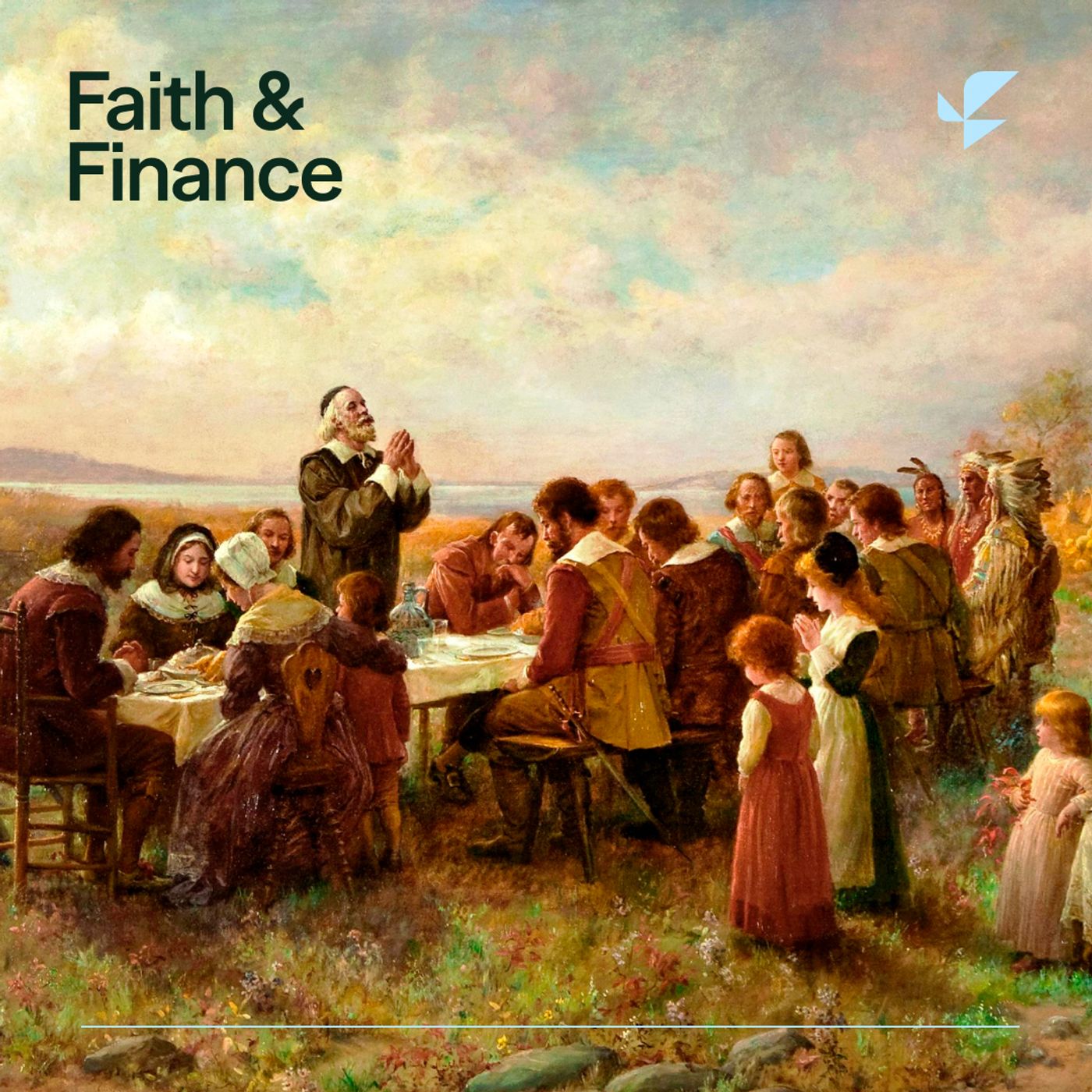
The Story of Thanksgiving
Nov 26, 2026 · 24m
Thanksgiving is a time to gather with family and friends, count our blessings, and thank God for His faithfulness. But the story behind one of America's most cherished traditions began not with...
Passing On Relational Wealth with Sharon Epps
Nov 25, 2026 · 24m
When we think about leaving an inheritance, we often focus on financial assets—savings, investments, property, and other resources we hope to pass on to the next generation. But preparing the next...

Giving Within Your Means
Nov 24, 2026 · 24m
Scripture calls us to be generous, open-handed, and willing to sacrifice for others. But generosity should never become an excuse for neglecting the responsibilities God has already placed in our...
Love Good with Stephen Jackson
Nov 23, 2026 · 24m
Biblical stewardship reaches far beyond what we give away. It includes our work, our investments, and everything God has entrusted to us. But have you ever stopped to consider whether the money you're...

Count Your Blessings: The Power of Gratitude
Nov 20, 2026 · 24m
In 1897, hymn writer Johnson Oatman Jr. penned the words to a beloved gospel song that continues to encourage Christians more than a century later: Count Your Blessings.Throughout his lifetime, Oatman...

The Hidden Retirement Benefits of an HSA with Mark Biller
Nov 19, 2026 · 24m
Healthcare expenses can take a significant bite out of your budget. But what if there were a way to prepare for those costs while reducing your taxes and building savings for retirement? That's...
Take these sermons with you.
Follow Faith & Finance in the Getsermons app to get every new sermon, build playlists, and pick up right where you left off.

