

Faith & Finance
Avoiding Credit Card Float with Chad Clark
Feb 24, 2025 · 24m
Prefer sermons downloaded automatically?
About this sermon
Why don’t credit cards ever drown? Because they always have a float to keep them afloat!
A little humor to start your day, but in reality, credit card float is no laughing matter—it can quietly put you one step behind financially and even lead to unexpected interest charges. Today, Chad Clark joins us to break down what credit card float is and how you can steer clear of its pitfalls.
Chad Clark is the Executive Director of FaithFi: Faith & Finance and the co-author of Look at the Sparrows: A 21-Day Devotional on Financial Fear and Anxiety.
What Is Credit Card Float?
Credit card float refers to the period of time between when you make a purchase with your credit card and when you actually pay for it. Since using a credit card means borrowing money, this float period allows you to delay paying for purchases—often up to 55 days—without incurring interest, as long as you pay your statement balance in full by the due date.
Let’s say you purchase a pair of shoes on January 1st, right at the start of your billing cycle. If your statement closes on January 31st, your payment due date might be around February 25th. This means you have up to 55 days from the date of purchase to pay off the expense without interest.
At first glance, credit card float sounds like a great deal—after all, you get to borrow money for free for a certain period. However, there’s a hidden risk: you might unknowingly be living one paycheck behind.
Here’s why:
If you pay your credit card statement in full each month, you may actually be using this month’s income to pay off last month’s expenses.
This creates a cycle where you always rely on future income to cover past spending.
While this system works as long as you have a steady paycheck, it can become problematic if unexpected expenses arise or your income changes.
The Best Way to Avoid Credit Card Float
To determine whether you’re unintentionally riding the float, do this quick check:
Add up your current credit card balances.
Subtract that amount from your checking account balance.
If you don’t have enough in checking to cover your full credit card balance immediately, you are riding the float.
This means if you lost your income tomorrow, you wouldn’t be able to fully pay off what you’ve already spent.
To stay financially secure and avoid relying on the float, follow this key principle:
Always have enough money in your checking account to fully pay off your credit card balance at any time—not just the statement balance, but the full balance.
That way, when your bill arrives, you can pay it without dipping into savings or waiting for your next paycheck.
How the FaithFi App Can Help
Many people don’t realize they’re caught in the float cycle until it’s too late. That’s where the FaithFi app comes in.
FaithFi’s envelope system helps users track their spending and ensure they always have enough money set aside to pay off credit card balances in full. Users can ensure they're never one step behind financially by reconciling credit card envelopes within the app.
If you want to stay on top of your spending and break free from the credit card float cycle, check out the FaithFi app at FaithFi.com or download it from your app store today.
On Today’s Program, Rob Answers Listener Questions:
My husband had heart surgery in 2021 and is now bedridden and paralyzed, so I had to quit my job to care for him full-time. I'm $20,000 in debt and trying to get help, but the process is slow. I also had a personal loan that went back up to the original $4,000 balance. What can I do in this situation? I need guidance on how to manage this.
I had a 401(k) with a company I worked for about 10 years ago. When the company changed names, I kept my funds in the original 401(k) instead of transferring them. But now I can't find that old account anywhere. I've tried searching and contacting different companies but can't locate it. Do you have any recommendations on how I can find this old 401(k) account?
I'm 58 and have a 3-year special catch-up contribution opportunity, during which I can contribute double the normal amount. Should I put all this extra into my 457 plan or split it between the 457 and a Roth account? I don't have much in my Roth currently, so I'm deciding whether to put some in the Roth or just contribute it all to the 457 to get the tax deduction.
Resources Mentioned:
Faithful Steward: FaithFi’s New Quarterly Magazine
Christian Credit Counselors
UnclaimedRetirementBenefits.com (The National Registry of Unclaimed Retirement Benefits)
Splitting Heirs: Giving Your Money and Things to Your Children Without Ruining Their Lives by Ron Blue with Jeremy White
Look At The Sparrows: A 21-Day Devotional on Financial Fear and Anxiety
Rich Toward God: A Study on the Parable of the Rich Fool
Find a Certified Kingdom Advisor (CKA) or Certified Christian Financial Counselor (CertCFC)
FaithFi App
Remember, you can call in to ask your questions every weekday at (800) 525-7000. Faith & Finance is also available on Moody Radio Network and American Family Radio. You can also visit FaithFi.com to connect with our online community and partner with us as we help more people live as faithful stewards of God’s resources.
Hosted by Simplecast, an AdsWizz company. See pcm.adswizz.com for information about our collection and use of personal data for advertising.
More from Faith & Finance

Giving Within Your Means
Nov 24, 2026 · 24m
Scripture calls us to be generous, open-handed, and willing to sacrifice for others. But generosity should never become an excuse for neglecting the responsibilities God has already placed in our...

Love Good with Stephen Jackson
Nov 23, 2026 · 24m
Biblical stewardship reaches far beyond what we give away. It includes our work, our investments, and everything God has entrusted to us. But have you ever stopped to consider whether the money you're...

Count Your Blessings: The Power of Gratitude
Nov 20, 2026 · 24m
In 1897, hymn writer Johnson Oatman Jr. penned the words to a beloved gospel song that continues to encourage Christians more than a century later: Count Your Blessings.Throughout his lifetime, Oatman...

The Hidden Retirement Benefits of an HSA with Mark Biller
Nov 19, 2026 · 24m
Healthcare expenses can take a significant bite out of your budget. But what if there were a way to prepare for those costs while reducing your taxes and building savings for retirement? That's...
Thanksgiving All Year Long with Jeanne McMains
Nov 18, 2026 · 24m
Thanksgiving brings families together around familiar recipes, favorite stories, and the opportunity to reflect on God's goodness. But what if the gratitude we express around the Thanksgiving table...
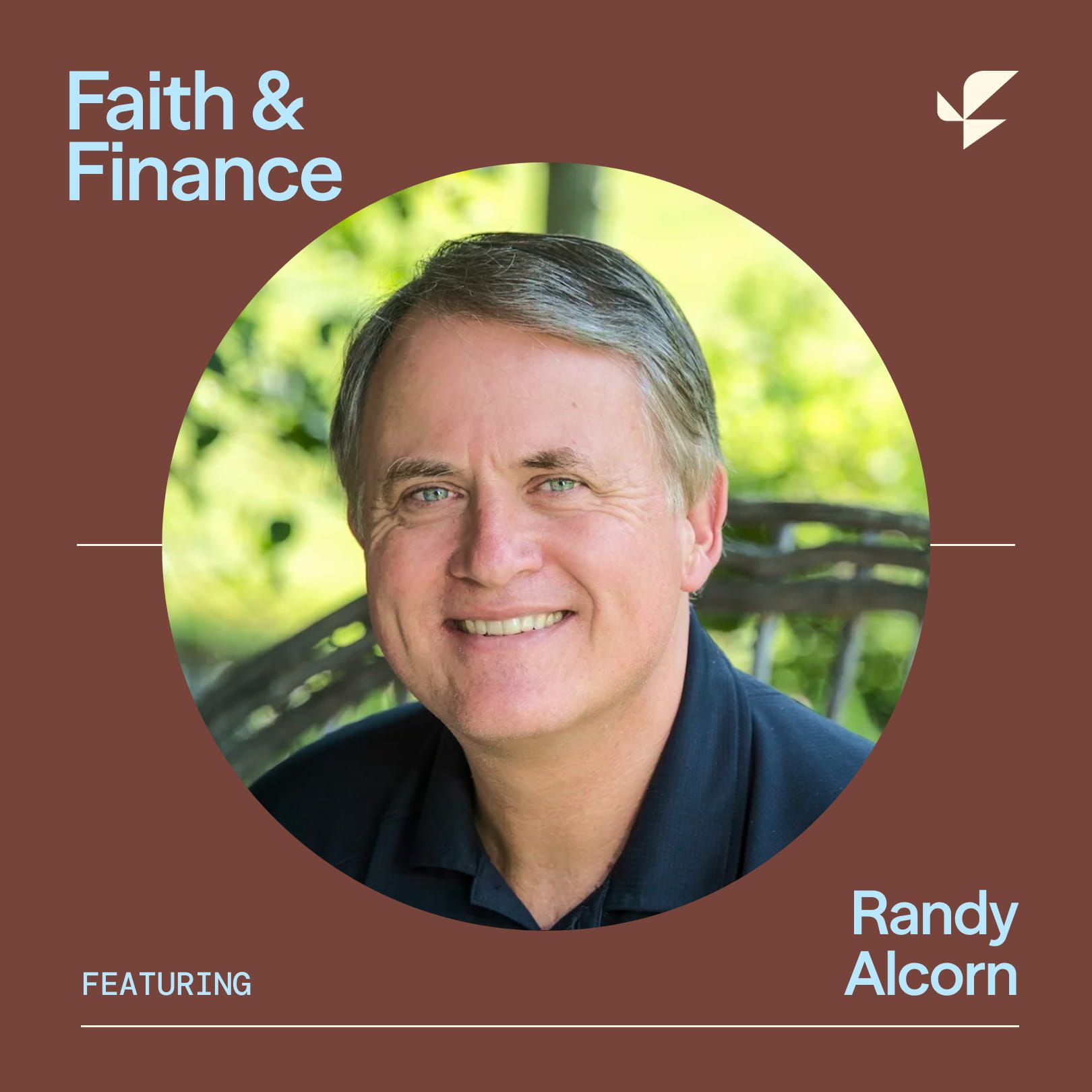
The Joy of Generosity: Lessons from Scrooge with Randy Alcorn
Nov 17, 2026 · 24m
Ebenezer Scrooge had plenty of money but very little happiness.In Charles Dickens' A Christmas Carol, Scrooge is one of literature's most memorable characters—a wealthy man whose love of money has...
Take these sermons with you.
Follow Faith & Finance in the Getsermons app to get every new sermon, build playlists, and pick up right where you left off.

