
Faith & Finance
Freedom from Borrowing
Oct 14, 2026 · 24m
Prefer sermons downloaded automatically?
About this sermon
What if debt isn't just a financial issue, but a discipleship one?
We often view borrowing through a financial lens, focusing on interest rates, monthly payments, and repayment timelines. But Scripture invites us to consider something deeper. Debt can shape our freedom, influence our generosity, and affect our ability to respond to opportunities God places before us.
Borrowing is common in modern life, but understanding its spiritual implications can help us make wiser financial decisions.
The Biblical Perspective on Debt
Credit cards, student loans, mortgages, and business financing are familiar financial tools. While Scripture doesn't identify borrowing itself as a sin, it consistently warns about the obligations debt creates.
Proverbs 22:7 reminds us, "The rich rules over the poor, and the borrower is the slave of the lender."
In the ancient world, this wasn't merely a metaphor. Those unable to repay their debts could sometimes be forced into servitude. While modern lending generally operates differently, the underlying principle remains: Debt creates obligations that can limit our freedom and influence our decisions.
When we borrow, we're committing a portion of our future income to something we've purchased or financed today. Those commitments can affect more than our monthly budgets. They can also limit our ability to give generously, serve others, or respond to unexpected opportunities.
That's why debt deserves more than a financial evaluation. It deserves a spiritual one.
When Debt Becomes a Discipleship Concern
Imagine having an opportunity to support a ministry, help a family in need, or serve in a meaningful way, only to discover that your financial obligations leave little room to respond.
That's the deeper concern with excessive debt. It can reduce our financial flexibility and make it harder to act on the things we value most.
Paul writes in Romans 13:8, "Owe no one anything, except to love each other, for the one who loves another has fulfilled the law."
This passage shouldn't be interpreted as an absolute prohibition against borrowing, but it reminds us to take our obligations seriously. Our financial commitments should never distract us from our greater responsibility to love and serve others.
Of course, this doesn't mean all borrowing is unwise. A manageable mortgage or a carefully considered business loan may be entirely appropriate within a thoughtful financial plan.
But Scripture invites us to ask a better question than simply, "Can I afford the payments?" We should also ask, "Will this financial decision support my ability to love and serve others, or will it unnecessarily limit that freedom?"
As Paul reminds us in 1 Corinthians 10:23, "All things are lawful," but not all things are helpful. "All things are lawful," but not all things build up.
Sometimes our borrowing reflects genuine needs. Other times, it may reveal impatience, comparison, or pressure to maintain a certain standard of living. Examining our motivations helps us recognize when debt serves a legitimate purpose and when it may shape our priorities in unhealthy ways.
Moving From Debt Toward Financial Freedom
What if you're already carrying significant debt?
First, don't despair. The gospel reminds us that our relationship with God isn't defined by our financial circumstances or past mistakes.
When Jesus died on the cross, He declared, "It is finished" (John 19:30). The Greek word tetelestai means "completed." It also provides a powerful picture of a debt fully settled.
Through His death and resurrection, Jesus accomplished what we could never accomplish for ourselves. We can't repay our debt of sin through our own efforts. Salvation is a gift of grace we receive through faith in Christ.
That truth should shape how we approach our financial obligations, too.
We don't pursue financial freedom to earn God's approval. We pursue wise stewardship out of gratitude for His grace and a desire to use what He's entrusted to us faithfully.
Psalm 37:21 reminds us, "The wicked borrows but does not pay back, but the righteous is generous and gives."
Repaying what we owe is an important part of honoring our commitments. But our goal shouldn't simply be to eliminate debt as quickly as possible, regardless of the consequences.
Instead, we should ask, "What's my next faithful step?"
That might begin with an honest assessment of your financial obligations, including how they're affecting your ability to provide for your family, give generously, and serve others.
From there, consider creating a spending plan, developing a realistic debt-repayment strategy, and building financial margin to prepare for future needs. Progress may take time, but each faithful step can help create greater financial freedom.
Financial Freedom Is About Availability, Not Legalism
The ultimate goal of becoming debt-free isn't simply to reach a particular number on a balance sheet. It's to cultivate the freedom to live generously and respond faithfully to the opportunities before us.
Consider Isaiah's response when he heard the Lord's call: "Here I am! Send me" (Isaiah 6:8). While Isaiah's calling was unique, his willingness to respond offers a beautiful picture of availability to God.
Our financial decisions can help create room for that same willing posture. When unnecessary obligations don't overwhelm our resources, we may find ourselves better positioned to meet needs, practice generosity, and serve where God has placed us.
Freedom from unnecessary debt isn't about legalism. It's about availability.
So, wherever you are financially, start with one faithful step. Seek wisdom. Honor your commitments. Build margin where possible. And remember that God's grace is sufficient even when progress feels slow.
The goal isn't financial perfection. It's faithful stewardship that leaves us increasingly free to love God and others.
Discover Your Ultimate Treasure
Financial freedom is just one part of a much bigger conversation about faithful stewardship. In my devotional, Our Ultimate Treasure: A 21-Day Journey to Faithful Stewardship, we explore what Scripture teaches about money, generosity, contentment, and finding our ultimate satisfaction in Christ.
You can purchase your copy at FaithFi.com/Shop. And if you'd like to walk through the devotional with your church or small group, discounted pricing is available for bulk orders.
On Today’s Program, Rob Answers Listener Questions:
I’m 69 and considering a $25,000 burial insurance policy that costs $149 a month with fixed premiums. Is that reasonable, or should I compare other options?
I’m a single mom with limited income and credit card debt. I give regularly but not 10%. How can I become more generous without neglecting my financial obligations?
My wife and I want to buy a property but have little savings. Can I use money from my retirement accounts or annuity to help with the purchase, and what should I consider before rolling over an old retirement plan?
My father deeded property to me and ‘the heirs of my body.’ Does that mean it would automatically pass to my son, or do I still need a will or trust?
Resources Mentioned:
Become a FaithFi Partner
Christian Credit Counselors
Faithful Steward: FaithFi’s Quarterly Magazine
FaithFi Field Guide: How Much Money is Enough?
Our Ultimate Treasure: A 21-Day Journey to Faithful Stewardship by Rob West
Wisdom Over Wealth: 12 Lessons from Ecclesiastes on Money
Look At The Sparrows: A 21-Day Devotional on Financial Fear and Anxiety
Rich Toward God: A Study on the Parable of the Rich Fool
Find a Certified Kingdom Advisor® (CKA)
FaithFi App
Remember, you can call in to ask your questions every weekday at (800) 525-7000. Faith & Finance is also available on Moody Radio Network and American Family Radio. You can also visit FaithFi.com to connect with our online community and partner with us as we help more people live as faithful stewards of God’s resources.
Hosted by Simplecast, an AdsWizz company. See pcm.adswizz.com for information about our collection and use of personal data for advertising.
More from Faith & Finance

Giving Within Your Means
Nov 24, 2026 · 24m
Scripture calls us to be generous, open-handed, and willing to sacrifice for others. But generosity should never become an excuse for neglecting the responsibilities God has already placed in our...

Love Good with Stephen Jackson
Nov 23, 2026 · 24m
Biblical stewardship reaches far beyond what we give away. It includes our work, our investments, and everything God has entrusted to us. But have you ever stopped to consider whether the money you're...

Count Your Blessings: The Power of Gratitude
Nov 20, 2026 · 24m
In 1897, hymn writer Johnson Oatman Jr. penned the words to a beloved gospel song that continues to encourage Christians more than a century later: Count Your Blessings.Throughout his lifetime, Oatman...

The Hidden Retirement Benefits of an HSA with Mark Biller
Nov 19, 2026 · 24m
Healthcare expenses can take a significant bite out of your budget. But what if there were a way to prepare for those costs while reducing your taxes and building savings for retirement? That's...
Thanksgiving All Year Long with Jeanne McMains
Nov 18, 2026 · 24m
Thanksgiving brings families together around familiar recipes, favorite stories, and the opportunity to reflect on God's goodness. But what if the gratitude we express around the Thanksgiving table...
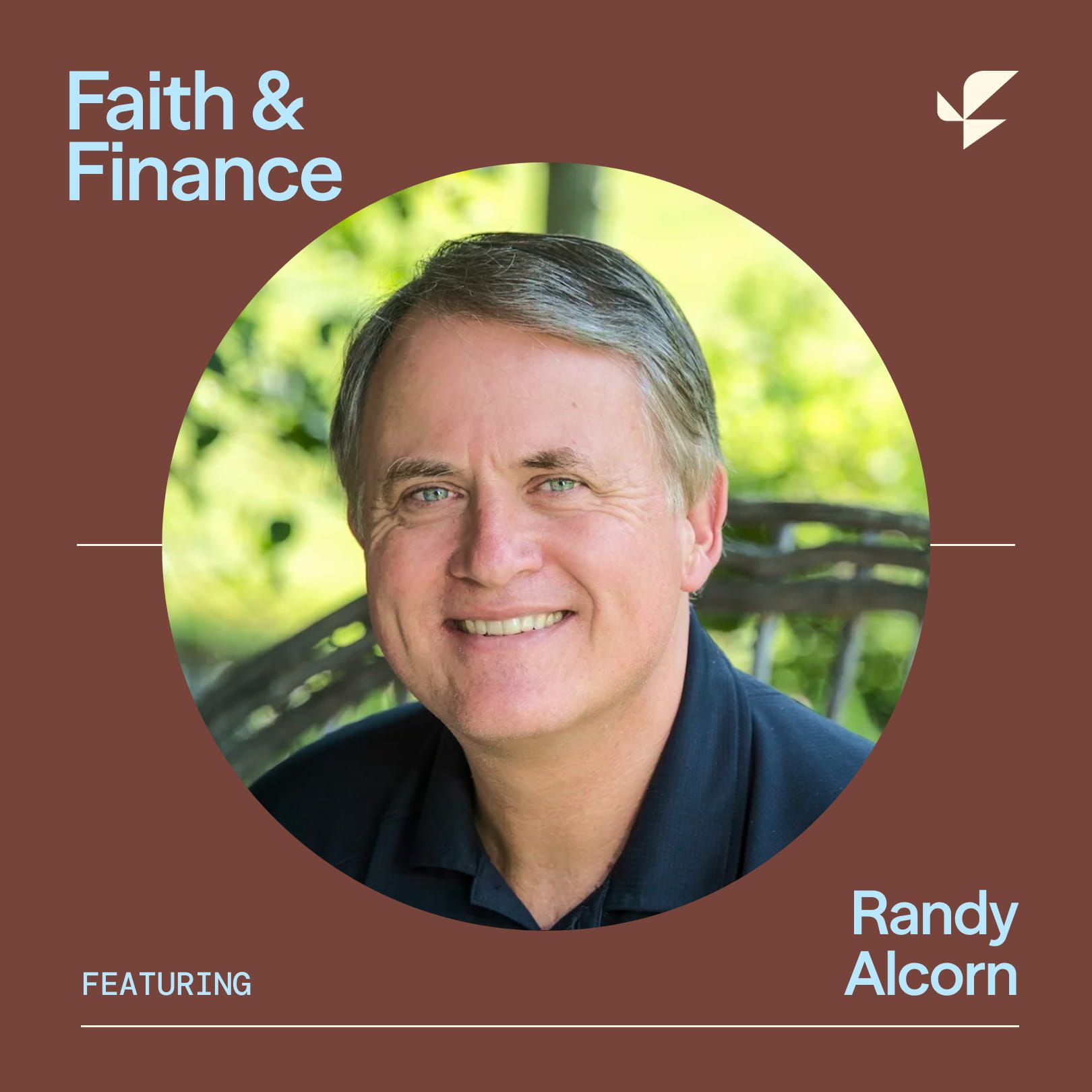
The Joy of Generosity: Lessons from Scrooge with Randy Alcorn
Nov 17, 2026 · 24m
Ebenezer Scrooge had plenty of money but very little happiness.In Charles Dickens' A Christmas Carol, Scrooge is one of literature's most memorable characters—a wealthy man whose love of money has...
Take these sermons with you.
Follow Faith & Finance in the Getsermons app to get every new sermon, build playlists, and pick up right where you left off.

