
Faith & Finance
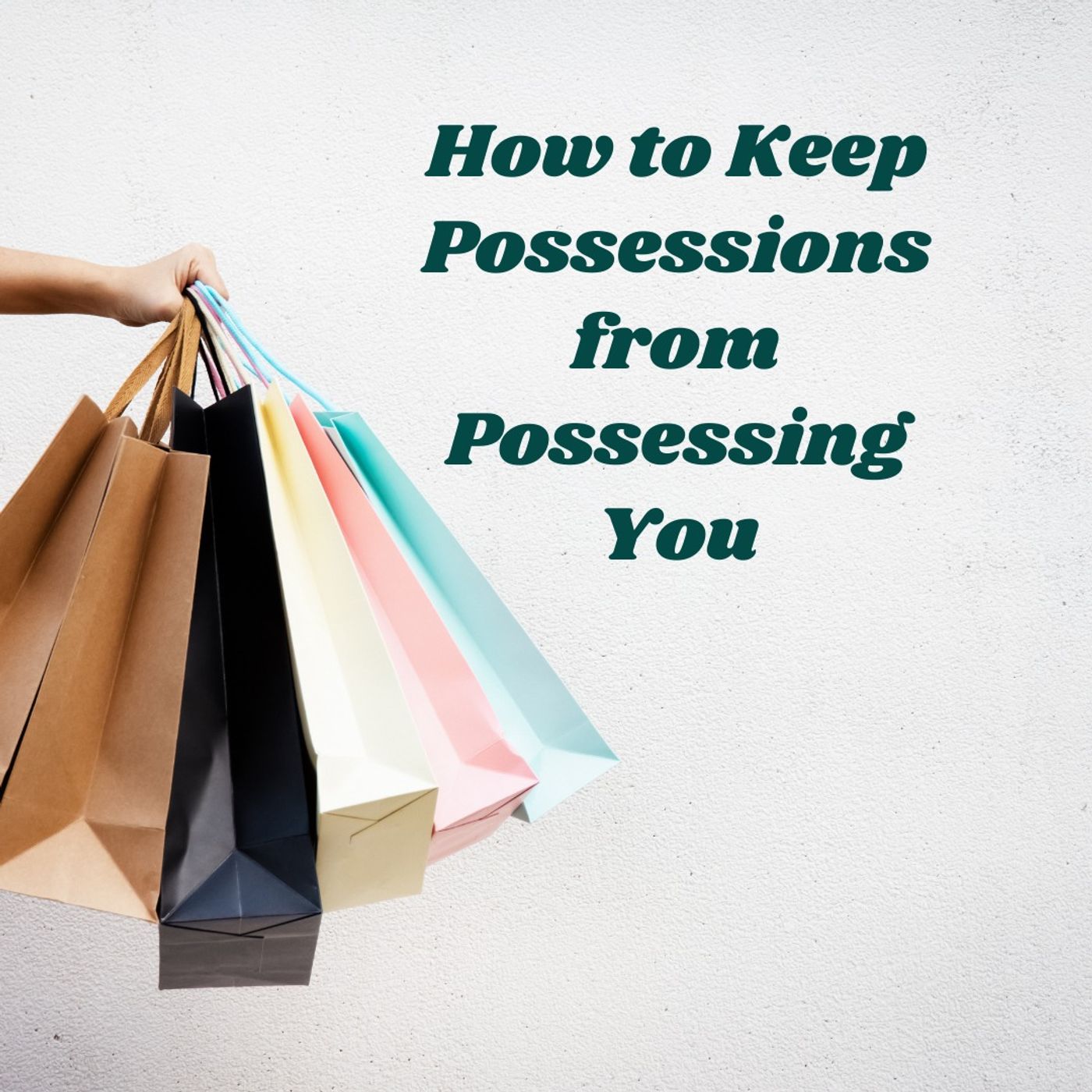
How to Keep Possessions from Possessing You
Dec 22, 2025 · 24m
Prefer sermons downloaded automatically?
About this sermon
We live in a world overflowing with stuff—and messages about stuff. Everywhere we turn, someone promises that the next purchase, upgrade, or financial milestone will finally bring joy or peace. But Scripture offers a far better—and far more freeing—vision for how believers relate to money and possessions.
The Bible doesn’t ignore material things. It puts them in their proper place.
When Good Things Promise Too Much
We’ve all heard the phrase money can’t buy happiness, yet it’s still easy to live as though it might. When life feels overwhelming, we often reach for the nearest distraction—a purchase, an upgrade, or a new financial goal—hoping it will calm our anxiety or restore a sense of control.
But Scripture never teaches that possessions themselves are bad. In fact, Paul writes, “God richly provides us with everything for our enjoyment” (1 Timothy 6:17). Ecclesiastes adds that when God gives someone wealth, possessions, and the ability to enjoy them, “this is a gift of God” (Ecclesiastes 5:19).
Enjoying God’s good gifts is not unspiritual. Beauty, comfort, and experiences can all be received with gratitude.
The problem isn’t having things—it’s the place things occupy in our hearts. Materialism doesn’t begin when we own possessions, but when possessions begin to own us.
At its core, materialism is the belief that created things can provide what only the Creator can give: meaning, identity, security, and purpose. Jesus understood this deeply. That’s why He spoke so often about money—not because He was worried about finances, but because He cared about our hearts. “Where your treasure is, there your heart will be also” (Matthew 6:21).
Things were never designed to satisfy the human soul. When they become our deepest treasure, our hearts remain restless.
Enjoyment Versus Dependence
So how do we enjoy God’s gifts without becoming dependent on them?
The difference is subtle but crucial.
Enjoyment says, “Father, thank You for this gift.”
Dependence says, “If I lose this, I’ll lose myself.”
Enjoyment frees us. Dependence enslaves us.
That’s why gratitude is so powerful. Gratitude reminds us that every good thing flows from the hand of a loving God. When we see possessions as gifts, we stop expecting them to carry weight they were never meant to bear.
Generosity is another powerful antidote to materialism. When you give, you declare that your hope is not found in accumulation. You remember that God owns it all—and that your joy is rooted in Him, not in what you hold.
And here’s an important nuance: rejecting materialism does not mean rejecting material things. Scripture never calls believers to asceticism or joyless living. Instead, it warns us against the illusion that anything—even abundance—can become enough apart from God.
Ecclesiastes holds both truths together: God gives possessions and the ability to enjoy them—that’s grace. Yet whoever loves money never has enough. Feeding the craving for more never satisfies it.
Three Questions That Keep Things in Their Place
If you want to guard your heart, here are three simple questions worth asking regularly:
Do I enjoy this gift with gratitude, or do I feel anxious without it?
Does this possession help me love God and others—or distract me from them?
Am I more excited about having this thing, or about how God may want me to use it?
When things stay in their proper place, they become blessings instead of burdens. They point us to the God who provides rather than pulling us away from Him.
And here’s the irony: the less we depend on things for happiness, the more freely we can actually enjoy them.
Rooting Joy in the Giver, Not the Gift
God created a world rich with color, beauty, taste, and texture. He’s given each of us resources and opportunities to steward and enjoy. But things are not ultimate. They are not our source of life. They are not our Savior. Only God is.
When our joy is rooted in the Giver rather than the gift, we discover the contentment our hearts were made for.
On Today’s Program, Rob Answers Listener Questions:
I’m looking for wisdom on when—or if—I should give my kids a car. I have three children, ages 16, 18, and 20. Because we live about 30 miles from school, we’ve always provided vehicles so they can get to activities. Is there a point where it makes sense to give them the car outright to help them grow in responsibility? Or is it better to require shared responsibility instead of a full gift?
Several years ago, I had about $17,000 in credit card debt and enrolled in a debt management program through Trinity Debt Management. I’ve since paid it down to around $6,000–$7,000. I’ve heard about the debt management program you recommend, and I was wondering if it makes sense to switch if the interest rate is lower. Are there any advantages or disadvantages to changing programs at this stage?
My wife and I have been married nearly 42 years, and generosity has always been part of our walk—we’ve consistently tithed. We’re now beginning to receive inheritances from our parents and are thinking through how to handle giving in this situation. Do we tithe on an inheritance? How should we think about generosity with gifts like money or even something like a car?
Resources Mentioned:
Faithful Steward: FaithFi’s Quarterly Magazine (Become a FaithFi Partner)
Christian Credit Counselors
Wisdom Over Wealth: 12 Lessons from Ecclesiastes on Money
Look At The Sparrows: A 21-Day Devotional on Financial Fear and Anxiety
Rich Toward God: A Study on the Parable of the Rich Fool
Find a Certified Kingdom Advisor (CKA)
FaithFi App
Remember, you can call in to ask your questions every weekday at (800) 525-7000. Faith & Finance is also available on Moody Radio Network and American Family Radio. You can also visit FaithFi.com to connect with our online community and partner with us as we help more people live as faithful stewards of God’s resources.
Hosted by Simplecast, an AdsWizz company. See pcm.adswizz.com for information about our collection and use of personal data for advertising.
More from Faith & Finance
Passing On Relational Wealth with Sharon Epps
Nov 25, 2026 · 24m
When we think about leaving an inheritance, we often focus on financial assets—savings, investments, property, and other resources we hope to pass on to the next generation. But preparing the next...
Giving Within Your Means
Nov 24, 2026 · 24m
Scripture calls us to be generous, open-handed, and willing to sacrifice for others. But generosity should never become an excuse for neglecting the responsibilities God has already placed in our...
Love Good with Stephen Jackson
Nov 23, 2026 · 24m
Biblical stewardship reaches far beyond what we give away. It includes our work, our investments, and everything God has entrusted to us. But have you ever stopped to consider whether the money you're...
Count Your Blessings: The Power of Gratitude
Nov 20, 2026 · 24m
In 1897, hymn writer Johnson Oatman Jr. penned the words to a beloved gospel song that continues to encourage Christians more than a century later: Count Your Blessings.Throughout his lifetime, Oatman...
The Hidden Retirement Benefits of an HSA with Mark Biller
Nov 19, 2026 · 24m
Healthcare expenses can take a significant bite out of your budget. But what if there were a way to prepare for those costs while reducing your taxes and building savings for retirement? That's...
Thanksgiving All Year Long with Jeanne McMains
Nov 18, 2026 · 24m
Thanksgiving brings families together around familiar recipes, favorite stories, and the opportunity to reflect on God's goodness. But what if the gratitude we express around the Thanksgiving table...
Take these sermons with you.
Follow Faith & Finance in the Getsermons app to get every new sermon, build playlists, and pick up right where you left off.

