
Faith & Finance
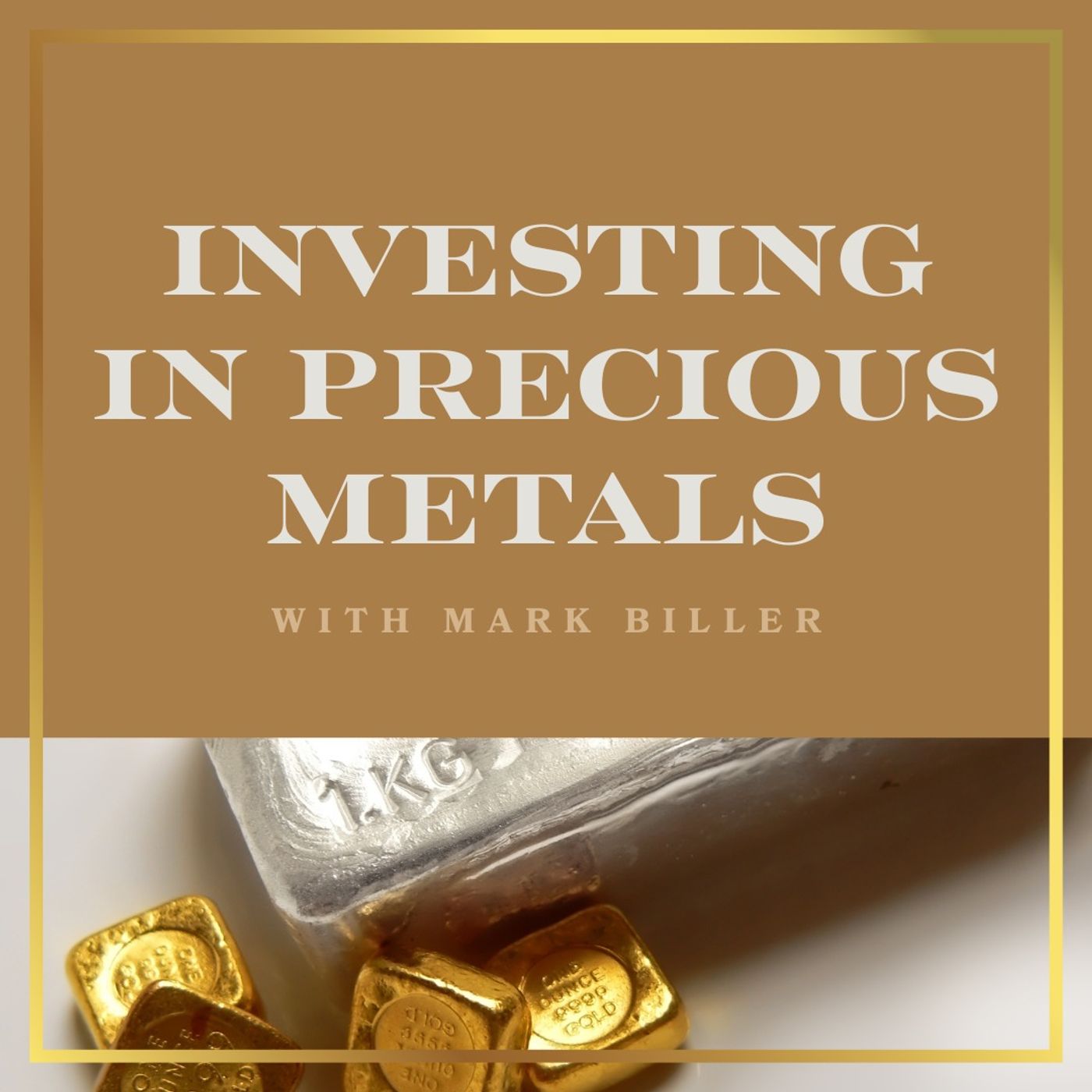
Investing in Precious Metals with Mark Biller
Oct 16, 2025 · 24m
Prefer sermons downloaded automatically?
About this sermon
Gold has been surging this year—but what’s behind the rise, and what should investors keep in mind before buying in?
Precious metals, such as gold and silver, have long fascinated investors, particularly in times of economic uncertainty. But are they wise investments for today? If so, how should we approach them? Mark Biller joins us today to talk about investing in precious metals.
Mark Biller is Executive Editor and Senior Portfolio Manager at Sound Mind Investing, an underwriter of Faith & Finance.
The Surge in Gold and Silver
Gold’s remarkable rise has captured headlines again, now up over $4,000 an ounce—up from about $2,600 at the start of 2025. That’s a 50% gain this year on top of last year’s 26% surge. Silver has jumped even higher, up roughly 60%, while gold mining stocks have more than doubled.
What’s behind this stunning rally? Several key forces are at play. Global central banks have been buying gold aggressively, a trend that accelerated after the U.S. froze Russia’s dollar reserves in 2022. This event shook confidence in the U.S. dollar as a neutral reserve currency. Add in fears of currency debasement stemming from massive government spending since the COVID pandemic, and gold suddenly looks like a safer store of value.
As investors around the world look for stability, gold—the “4,000-year-old alternative currency”—is once again shining.
To understand today’s prices, it helps to look at history. Adjusted for inflation, gold recently surpassed its all-time high from January 1980. Silver, meanwhile, is nearing $50 an ounce—the peak it hit in both 1980 and 2011—but still lags behind those highs when adjusted for inflation.
These cycles remind investors that precious metals often move in waves—soaring during manias, then enduring long pullbacks. After its 1980 peak, silver prices dropped nearly 90%; after 2011, they fell by about 70%. Understanding those cycles helps set realistic expectations and temper “gold rush” enthusiasm.
Gold as a Store of Value
Unlike stocks or bonds, gold doesn’t produce income or dividends. That makes it tricky to value—but also unique. It’s not a productive asset; it’s a preservative one.
For centuries, an ounce of gold could buy a fine men’s suit. The same holds true today, illustrating its enduring purchasing power. Gold’s real role isn’t to generate profit—it’s to store value when currencies lose theirs.
Viewed this way, gold functions as an alternative currency to the world’s paper money systems. As inflation rises and confidence in traditional currencies wavers, gold’s relative stability stands out.
Gold’s appeal intensifies during uncertainty. Whether it’s inflation, war, or financial instability, investors turn to gold as a hedge. While Americans rarely consider regime changes, history is filled with nations where financial systems collapsed, and gold helped preserve wealth across transitions.
Even in less dramatic times, when governments respond to crises by printing more money, gold tends to perform well. As fear increases, so does the appetite for precious metals.
Gold, Silver, and Mining Stocks: Knowing the Difference
Each part of the precious metals market serves a different role:
Gold is the foundation—a global monetary metal and store of value. It’s what central banks buy, and it tends to be more stable.
Silver is both a monetary and an industrial metal. Its demand fluctuates more with the economy, primarily due to uses in electronics and solar panels. That makes it more volatile—but also more accessible to smaller investors.
Mining Stocks are speculative. While they can surge when gold prices rise, they’re also risky. Over the long term, mining stocks have underperformed, so investors should approach them with caution.
How to Invest Wisely in Precious Metals
We recommend a balanced approach:
Physical gold and silver provide direct ownership and long-term stability. However, storage and security are concerns, so it’s best to keep this allocation small—around 5% of your portfolio.
ETFs (Exchange-Traded Funds) offer convenience and liquidity. They’re ideal for active management and diversification.
Combining both approaches provides flexibility and peace of mind—anchoring part of your wealth in tangible assets while keeping another portion readily accessible for use.
As with any investment, precious metals should be approached with discipline and perspective. They’re best viewed as part of a long-term diversification strategy—not a get-rich-quick play.
To learn more about investing wisely in gold and silver, Sound Mind Investing has released a free special report for Faith & Finance listeners. Download your copy at SoundMindInvesting.org.
On Today’s Program, Rob Answers Listener Questions:
I own a 100-year-old building where I live and also rent out a couple of units. It’s well built but always needs work. Thankfully, I can handle many of the repairs myself, as I come from a family of electricians and real estate professionals. The issue is, I can’t seem to deduct much of what I do on my taxes, even though I spend a lot of time maintaining the property. I also sometimes barter with family and friends, helping them with projects in exchange for their help. Is there a legal way for me to charge for some of my time or count this work toward deductions?
I’ve got about $7,000 to $8,000 in credit card debt, and I’ll be leaving my job soon. I have a 401(k) with a balance similar to mine, and I know that taking it out early means incurring taxes and penalties. Would it make sense to cash out my 401(k) to pay off my credit cards, or would you recommend an alternative approach?
Resources Mentioned:
Faithful Steward: FaithFi’s New Quarterly Magazine (Become a FaithFi Partner)
Sound Mind Investing (SMI)
Striking Gold: Profiting from Precious Metals While Managing Risk (SMI Free Report)
Christian Credit Counselors
Wisdom Over Wealth: 12 Lessons from Ecclesiastes on Money
Look At The Sparrows: A 21-Day Devotional on Financial Fear and Anxiety
Rich Toward God: A Study on the Parable of the Rich Fool
Find a Certified Kingdom Advisor (CKA) or Certified Christian Financial Counselor (CertCFC)
FaithFi App
Remember, you can call in to ask your questions every weekday at (800) 525-7000. Faith & Finance is also available on Moody Radio Network and American Family Radio. You can also visit FaithFi.com to connect with our online community and partner with us as we help more people live as faithful stewards of God’s resources.
Hosted by Simplecast, an AdsWizz company. See pcm.adswizz.com for information about our collection and use of personal data for advertising.
More from Faith & Finance
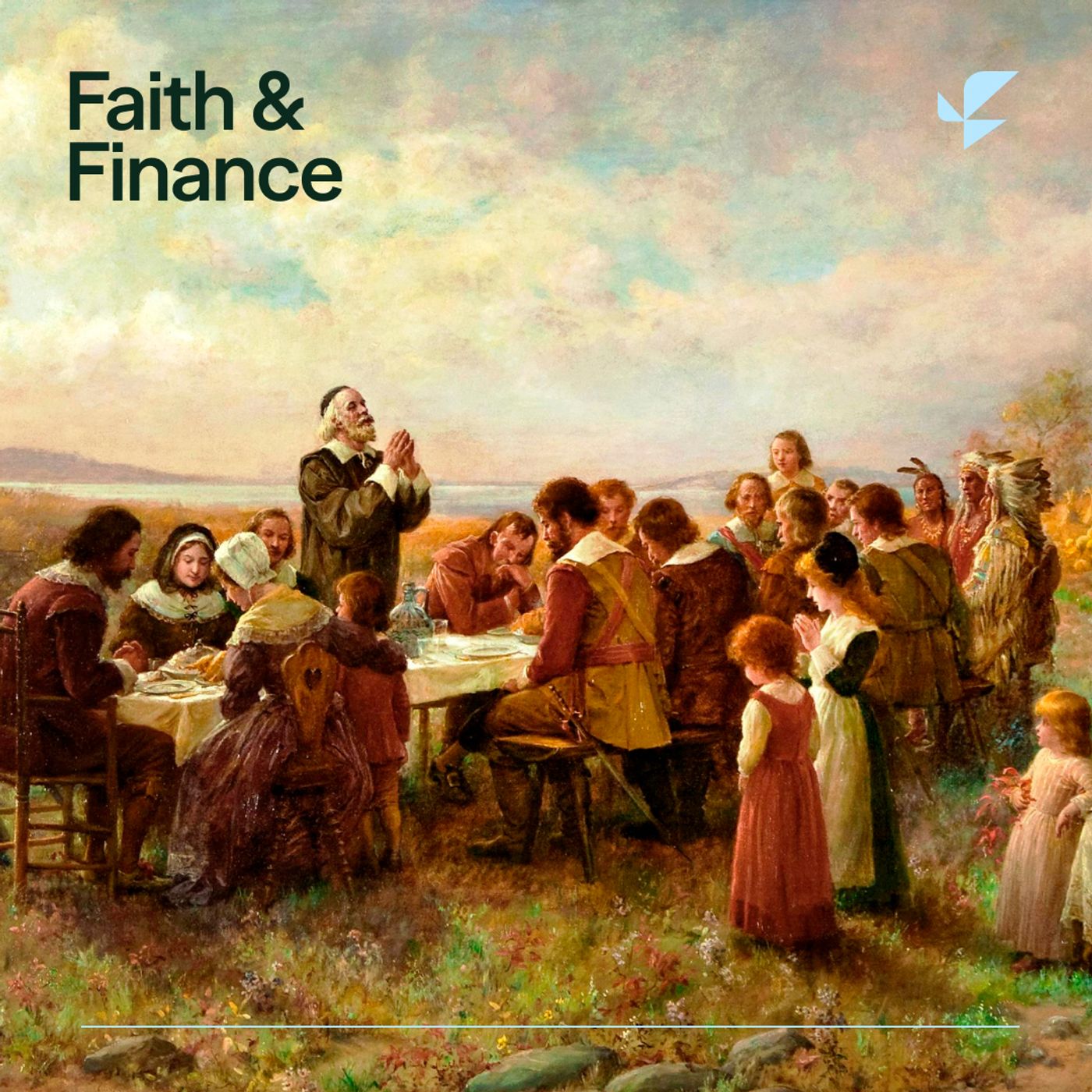
The Story of Thanksgiving
Nov 26, 2026 · 24m
Thanksgiving is a time to gather with family and friends, count our blessings, and thank God for His faithfulness. But the story behind one of America's most cherished traditions began not with...
Passing On Relational Wealth with Sharon Epps
Nov 25, 2026 · 24m
When we think about leaving an inheritance, we often focus on financial assets—savings, investments, property, and other resources we hope to pass on to the next generation. But preparing the next...

Giving Within Your Means
Nov 24, 2026 · 24m
Scripture calls us to be generous, open-handed, and willing to sacrifice for others. But generosity should never become an excuse for neglecting the responsibilities God has already placed in our...

Love Good with Stephen Jackson
Nov 23, 2026 · 24m
Biblical stewardship reaches far beyond what we give away. It includes our work, our investments, and everything God has entrusted to us. But have you ever stopped to consider whether the money you're...

Count Your Blessings: The Power of Gratitude
Nov 20, 2026 · 24m
In 1897, hymn writer Johnson Oatman Jr. penned the words to a beloved gospel song that continues to encourage Christians more than a century later: Count Your Blessings.Throughout his lifetime, Oatman...

The Hidden Retirement Benefits of an HSA with Mark Biller
Nov 19, 2026 · 24m
Healthcare expenses can take a significant bite out of your budget. But what if there were a way to prepare for those costs while reducing your taxes and building savings for retirement? That's...
Take these sermons with you.
Follow Faith & Finance in the Getsermons app to get every new sermon, build playlists, and pick up right where you left off.

