
Faith & Finance
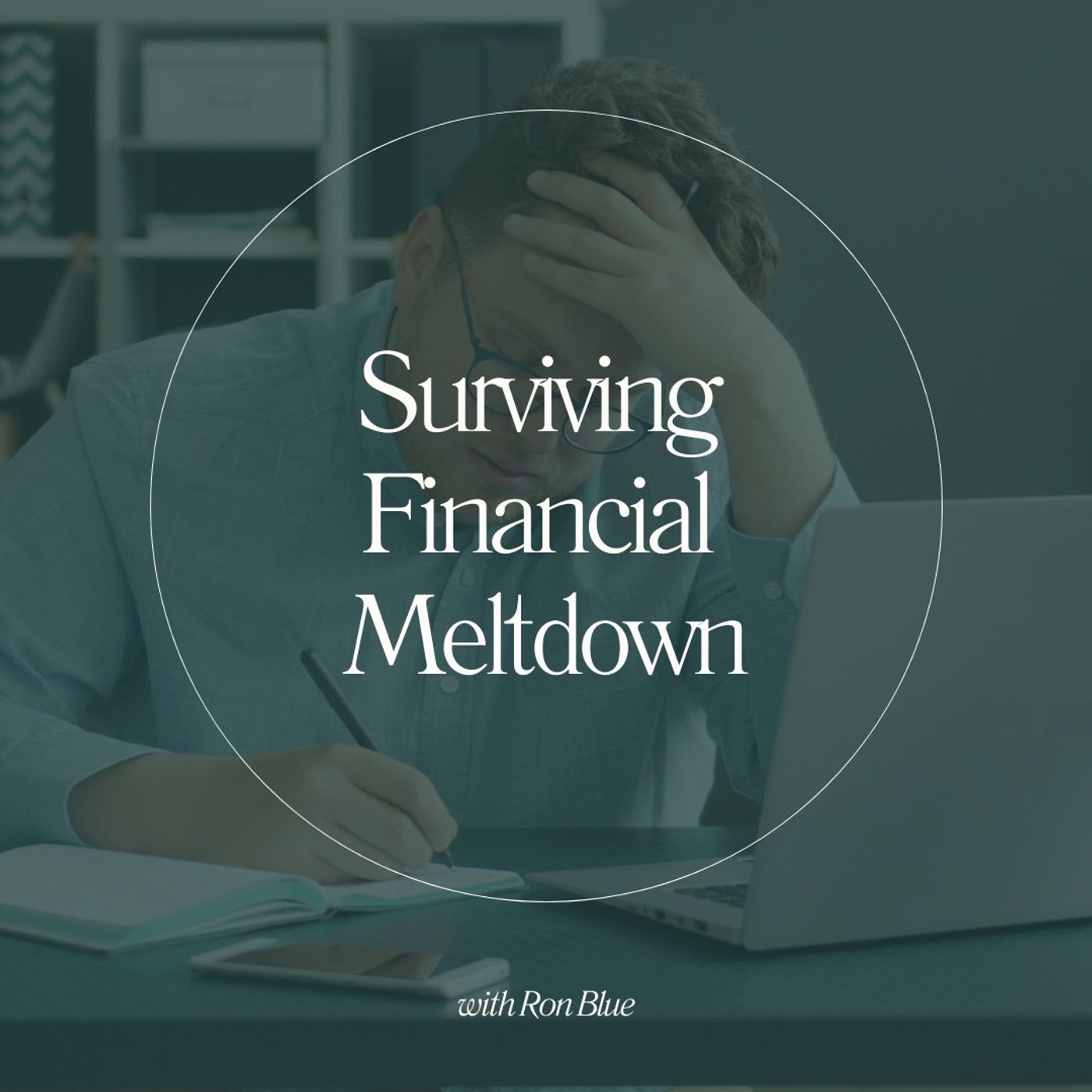
Surviving Financial Meltdown with Ron Blue
May 6, 2026 · 24m
Prefer sermons downloaded automatically?
About this sermon
Economic headlines can rattle our confidence. Markets fluctuate, layoffs make news, and inflation or recession fears can create a sense of instability. When uncertainty rises, fear often follows—and fear can drive financial decisions we later regret.
But while the economy changes, God’s wisdom does not. Scripture offers steady guidance that helps us respond with clarity instead of anxiety.
In today’s conversation, financial teacher, author, and co-founder of Kingdom Advisors, Ron Blue, shared with us timeless principles for navigating uncertain times with confidence rooted in the Lord.
Why Financial Uncertainty Creates Anxiety
According to Ron Blue, much of our financial stress comes down to one word: uncertainty.
When people feel like circumstances are outside their control, anxiety often increases. Daily headlines about markets, job losses, or global instability can make us feel like something urgent must be done immediately.
That pressure can lead to emotional rather than wise decision-making. Rather than acting from fear, believers are invited to remember that while circumstances may shift, God remains faithful. As Scripture reminds us:
“Jesus Christ is the same yesterday and today and forever.” (Hebrews 13:8)
One of the greatest ways to reduce fear is to have a plan.
Without a plan, every headline can push us into reaction mode. We may feel tempted to sell investments too quickly, take on debt to maintain our lifestyle, or abandon long-term goals because of short-term concerns.
But when we follow wise, biblical principles, we gain perspective. We can step back, think clearly, and make decisions based on truth rather than emotion. A plan does not remove every challenge, but it provides direction when emotions run high.
Four Timeless Financial Principles
Ron Blue highlighted four foundational principles that remain effective in both strong economies and difficult ones.
1. Think Long Term
Financial decisions should be guided by long-term goals, not short-term fear. Temporary headlines should not determine permanent strategies.
Patience and perspective are essential parts of wise stewardship.
2. Spend Less Than You Earn
This is one of the most foundational financial principles. Living below your means creates margin, flexibility, and peace.
When income exceeds spending, you are better positioned to save, give, and prepare for future needs.
3. Build Emergency Savings
Unexpected expenses are not a matter of if, but when. An emergency fund creates liquidity when life brings surprises.
Even small, consistent savings can provide stability over time.
4. Minimize Debt
Debt increases financial risk by committing future income to past decisions. It can reduce flexibility and add pressure during already stressful seasons.
While not all debt is the same, reducing unnecessary debt is often a wise step toward greater freedom.
A Practical Step You Can Take This Week
If you feel unsettled financially, start with a simple financial checkup:
Review what you earn
Review what you spend
Determine whether you are living within your means
Identify one area to reduce spending
Begin or grow an emergency fund
Start small if needed. Small steps often create momentum, and momentum builds confidence. It’s similar to using a roadmap or GPS. When you know where you’re going and how you plan to get there, the journey feels less overwhelming.
Every generation has faced seasons of fear and uncertainty. Economic downturns, wars, political unrest, and personal hardship have always been part of life in a fallen world. What changes are the circumstances. What remains constant is God’s truth.
His Word is still trustworthy, still relevant, and still sufficient for the challenges we face today.
Where Trust Ultimately Rests
A biblical view of money does more than change what we do—it transforms how we think and ultimately who we trust.
Financial security is never found merely in markets, savings accounts, or headlines. True security is found in the Lord, who is our provider and guide in every season.
When uncertainty comes, wise stewardship matters. But even more than that, so does remembering that our hope has never rested in the economy. It has always rested in God.
On Today’s Program, Rob Answers Listener Questions:
I’m 60 and planning to refinance my mortgage this summer. I’d like to honor God with my finances. Is there a biblically based or faith-aligned mortgage company I can refinance with, and how would I find one?
My wife and I are both self-employed, but after taking on loans to grow her business, we’re overwhelmed with debt. Bills are piling up, my credit is suffering, and we’re trying to support seven kids at home. Should we consider bankruptcy, or is there a better path to stabilize our finances and get out of debt?
My wife and I just lost our 26-year-old son, who lived with us. He didn’t have a will, and we’re waiting on corrected death certificates. He also had a life insurance policy naming my wife as beneficiary. How many death certificates should we request, and what steps should we take to settle his affairs, accounts, and any debts?
Resources Mentioned:
Faithful Steward: FaithFi’s Quarterly Magazine (Become a FaithFi Partner)
Surviving Financial Meltdown: Confident Decisions in an Uncertain World by Ron Blue and Jeremy White
Movement Mortgage
Christian Credit Counselors (CCC)
Guidestone Funds
Eventide Asset Management
Christian Community Credit Union (CCCU) | AdelFi (AdelFi Christian Banking)
The Surprising Power of Wanting Less by Bob Lotich (Article in Faithful Steward, Issue 5)
Our Ultimate Treasure: A 21-Day Journey to Faithful Stewardship by Rob West
Wisdom Over Wealth: 12 Lessons from Ecclesiastes on Money
Look At The Sparrows: A 21-Day Devotional on Financial Fear and Anxiety
Rich Toward God: A Study on the Parable of the Rich Fool
Find a Certified Kingdom Advisor® (CKA)
FaithFi App
Remember, you can call in to ask your questions every weekday at (800) 525-7000. Faith & Finance is also available on Moody Radio Network and American Family Radio. You can also visit FaithFi.com to connect with our online community and partner with us as we help more people live as faithful stewards of God’s resources.
Hosted by Simplecast, an AdsWizz company. See pcm.adswizz.com for information about our collection and use of personal data for advertising.
More from Faith & Finance
Giving Within Your Means
Nov 24, 2026 · 24m
Scripture calls us to be generous, open-handed, and willing to sacrifice for others. But generosity should never become an excuse for neglecting the responsibilities God has already placed in our...
Love Good with Stephen Jackson
Nov 23, 2026 · 24m
Biblical stewardship reaches far beyond what we give away. It includes our work, our investments, and everything God has entrusted to us. But have you ever stopped to consider whether the money you're...

Count Your Blessings: The Power of Gratitude
Nov 20, 2026 · 24m
In 1897, hymn writer Johnson Oatman Jr. penned the words to a beloved gospel song that continues to encourage Christians more than a century later: Count Your Blessings.Throughout his lifetime, Oatman...
The Hidden Retirement Benefits of an HSA with Mark Biller
Nov 19, 2026 · 24m
Healthcare expenses can take a significant bite out of your budget. But what if there were a way to prepare for those costs while reducing your taxes and building savings for retirement? That's...
Thanksgiving All Year Long with Jeanne McMains
Nov 18, 2026 · 24m
Thanksgiving brings families together around familiar recipes, favorite stories, and the opportunity to reflect on God's goodness. But what if the gratitude we express around the Thanksgiving table...
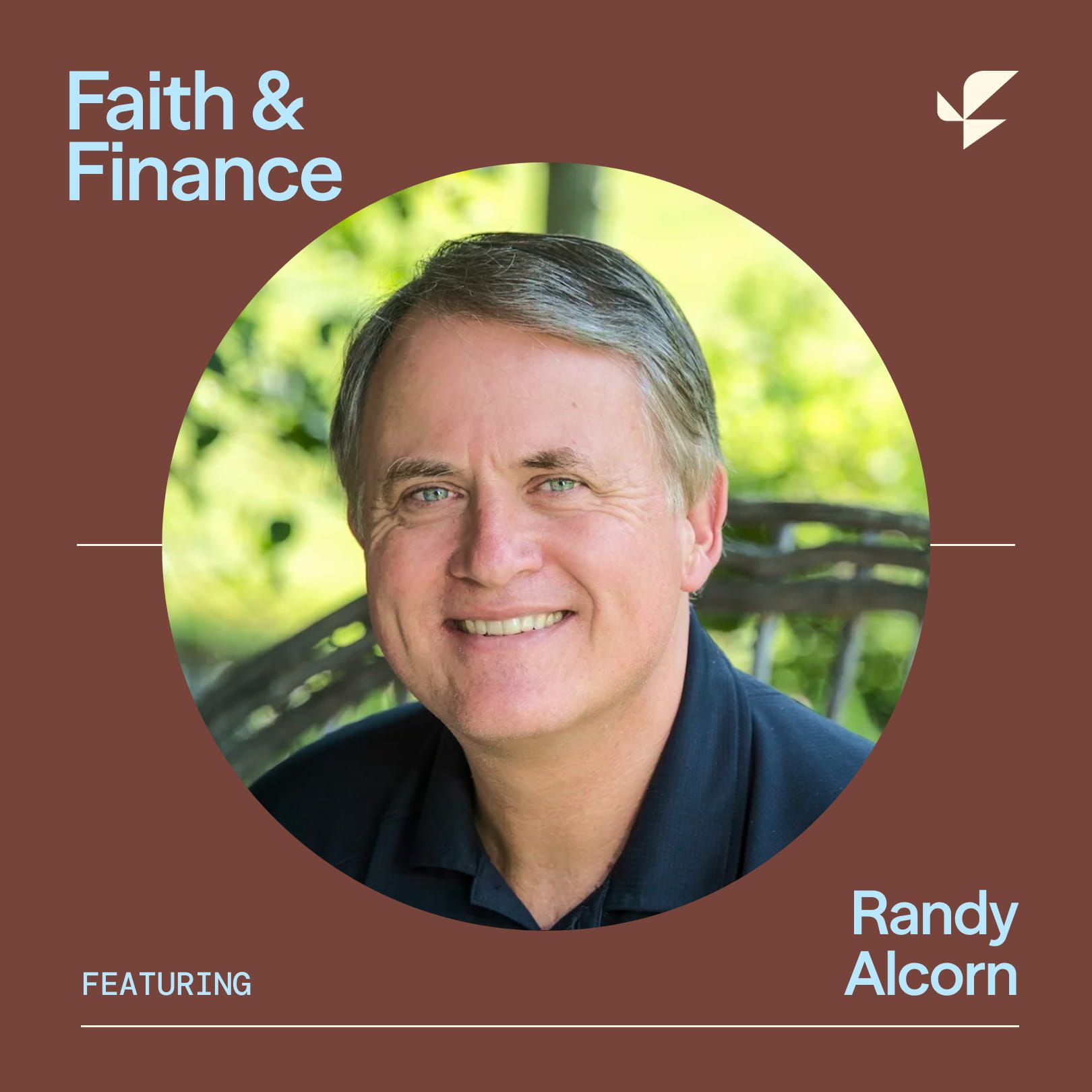
The Joy of Generosity: Lessons from Scrooge with Randy Alcorn
Nov 17, 2026 · 24m
Ebenezer Scrooge had plenty of money but very little happiness.In Charles Dickens' A Christmas Carol, Scrooge is one of literature's most memorable characters—a wealthy man whose love of money has...
Take these sermons with you.
Follow Faith & Finance in the Getsermons app to get every new sermon, build playlists, and pick up right where you left off.

