

Faith & Finance
The Genius of Generosity with Chip Ingram
Nov 27, 2026 · 24m
Prefer sermons downloaded automatically?
About this sermon
We often think of generosity as a sacrifice—something we give up for the benefit of someone else. But what if generosity is actually one of the wisest and most rewarding ways to live?
When we live with open hands, God not only blesses others through us, but He also transforms our hearts in the process. Generosity becomes more than a financial decision. It becomes an opportunity to grow closer to God, strengthen relationships, and experience the joy of participating in His work.
Chip Ingram, founder, teaching pastor, and CEO of Living on the Edge, explores this idea in his book, The Genius of Generosity. Through personal stories and biblical insights, he reveals why giving isn't simply about what we surrender, but also about what God cultivates within us.
An Unexpected Lesson in Stewardship
Chip's understanding of generosity changed dramatically when he was a young pastor in his late twenties.
An older gentleman named John, a successful accountant who had become a Christian later in life, invited Chip to lunch. After their meal, John handed him a small white box containing a checkbook. Inside was an account labeled "Pastor's Discretionary Fund."
John explained that God had entrusted him with financial resources, and he wanted to use them to meet people's needs. But rather than distribute the money himself, he wanted Chip to carry the checkbook and use it whenever he encountered someone who needed help.
John wasn't asking Chip to spend his own money. He was inviting him to experience the joy of giving away someone else's resources.
Chip took the responsibility seriously. He carefully balanced the checkbook, knowing that every dollar belonged to John and needed to be handled faithfully. But something unexpected happened.
As Chip began helping struggling families, purchasing groceries, paying utility bills, and meeting other practical needs, he discovered an entirely new kind of joy. Each day became an adventure as he wondered whom God might bring across his path.
Several times a year, Chip and John would meet for lunch, review the account, and share stories about the people who had been helped. John delighted in hearing how his resources were making a difference.
Over time, their relationship grew into a deep friendship. Despite their differences in age, personality, and background, they became remarkably close.
Years later, while preparing a sermon, Chip experienced a realization that transformed his understanding of stewardship. What John had done for him was a picture of what God does for every believer.
God owns everything. Whatever resources we possess have ultimately been entrusted to us by Him. And just as Chip experienced joy, purpose, and friendship while managing John's money, we have the opportunity to experience those same blessings as we faithfully steward what belongs to God.
Generosity Draws Us Closer to God
One of Chip's central insights is that generosity isn't merely an obligation. It's an invitation into a deeper relationship with our heavenly Father. As Chip puts it, "Generosity is the gateway to intimacy with God."
Consider what happened in his relationship with John. The more Chip understood John's heart and used his resources according to John's wishes, the closer their friendship became.
Our relationship with God can develop in a similar way. When we begin asking how God wants us to use His resources, our financial decisions become opportunities to know Him better. We learn to recognize His priorities, trust His provision, and participate in His purposes.
Jesus teaches in Matthew 6:21 that where our treasure is, our heart will be also. That means our financial decisions don't simply reveal what we value. They also help shape what we love.
Every act of generosity is an opportunity to loosen our grip on material possessions and direct our hearts toward God and the people He loves. And when that becomes our perspective, giving begins to feel less like fulfilling a financial obligation and more like participating in an adventure with God.
The Relational Power of Generosity
Generosity also has a remarkable ability to connect us with other people.
Chip remembers a season when he would visit a local bagel shop early in the morning to prepare sermons. A man experiencing homelessness regularly sat nearby, rarely speaking to anyone. For months, Chip tried greeting him without receiving much of a response.
One morning, Chip decided to purchase an extra coffee and bagel and place them in front of the man. There was no immediate acknowledgment, and Chip returned to his work. A few minutes later, however, the man began talking about the planet Venus, which was visible through the window.
That unexpected conversation opened the door to a friendship. As they got to know each other, Chip learned more about the man's life and circumstances. What began with a simple breakfast eventually became a meaningful relationship through which Chip witnessed God working in the man's life.
The lesson was profound: Sometimes the smallest acts of generosity create opportunities for the deepest connections.
We often underestimate the significance of simple kindness. A meal, a thoughtful gift, a helping hand, or a moment of attention can communicate something powerful to someone who feels overlooked.
Generosity reminds people that they matter. And these opportunities don't necessarily require substantial financial resources. They simply require a willingness to notice the people God places in our lives. Chip encourages believers to become more attentive to the needs around them, asking a simple question:
"Lord, who do You want to love today through me?"
It's a question that can transform an ordinary day into an opportunity for extraordinary kindness.
Moving From Scarcity to Trust
One of the greatest obstacles to generosity is fear. We worry that if we give something away, we won't have enough left for ourselves. We become concerned about future expenses, financial emergencies, or our ability to maintain the lifestyle we've built.
Those concerns aren't necessarily unreasonable. Scripture encourages wisdom, planning, and faithful management of our responsibilities. But there's a difference between preparing wisely for the future and allowing fear to determine how we use everything God has entrusted to us.
Chip describes this as the difference between a scarcity mindset and an abundance mindset.
A scarcity mindset asks, "If I give this away, who will take care of me?" A perspective grounded in God's abundance recognizes that everything we have already comes from Him. Our security ultimately rests not in the resources we've accumulated, but in the One who provides them.
That doesn't mean we should give recklessly, neglect our families, or assume that God will replenish every dollar we contribute. Rather, it means recognizing that our financial resources are tools for accomplishing God's purposes, not the foundation of our security.
Chip shared how this perspective has influenced his giving throughout different seasons of life. In his younger years, generosity often involved small amounts of cash or helping someone with an immediate need. As his financial circumstances changed, he began considering larger opportunities to give, including significant gifts from resources he had set aside for the future.
Those decisions required prayer, discernment, and a willingness to trust God beyond what felt comfortable.
The lesson isn't that everyone should make large financial gifts or draw down retirement savings. It's that faithful stewardship invites us to hold our plans with humility and remain attentive to opportunities God may place before us.
Wise planning and generous living aren't competing priorities. Both can reflect our trust in God.
Why Generosity Is Truly Genius
So why does Chip describe generosity as genius?
Because generosity accomplishes far more than the immediate transfer of money or possessions. It changes the giver.
When we give, we acknowledge God's ownership. We loosen our attachment to material wealth. We become more aware of the needs of others. We strengthen relationships and discover the joy of making a meaningful difference.
Chip also points to research suggesting that generous people often experience greater happiness, stronger relationships, and improved well-being. But for Christians, the greatest benefit of generosity isn't found in personal happiness or material prosperity.
It's found in becoming more like Christ. Jesus demonstrated that true greatness is expressed through humble service and self-giving love. As His followers, we are invited to reflect that same character in the way we handle our money, time, possessions, and opportunities.
Generosity is one of the ways God reshapes our desires, moving us away from self-centered living and toward love for Him and our neighbors. In that sense, generosity doesn't merely change what we do with our resources. It changes who we are becoming.
Start Where You Are
For someone struggling financially, all this talk about generosity might feel overwhelming. Perhaps you're living paycheck to paycheck, working to pay down debt, or wondering how you'll cover next month's expenses.
You might assume generosity is something you can practice once your financial circumstances improve. Chip offers a different perspective: Start small.
You don't have to be wealthy to be generous, and you don't have to wait until every financial concern has been resolved. Generosity can begin with whatever God has placed in your hands today.
It might mean buying someone a cup of coffee, preparing a meal for a neighbor, offering your time to someone who needs encouragement, or finding a modest amount in your spending plan to support a cause you care about. And sometimes, the most meaningful gift you can offer has nothing to do with money.
The important thing is to begin cultivating a heart that is attentive to others and willing to share. As Chip reminds us, generosity isn't something reserved for a future version of ourselves. It's a habit we can begin practicing right where we are.
Over time, those small acts of faithfulness can reshape our perspective on money, strengthen our trust in God, and open our eyes to needs we might otherwise overlook.
The Greatest Gain of Generosity
The genius of generosity is that giving doesn't have to leave us diminished. We may have fewer dollars or possessions after a gift, but generosity can enrich our lives in ways that money never could.
It can deepen our relationships, free us from the grip of materialism, cultivate contentment, and draw us into a closer walk with God. And perhaps the greatest transformation occurs when we stop viewing generosity as an occasional financial transaction and begin embracing it as a way of life.
Because ultimately, the greatest reward of generosity isn't what we receive in return. It's the joy of knowing God more deeply and reflecting His love to the world around us.
On Today’s Program, Rob Answers Listener Questions:
My 96-year-old mother is in hospice, and my siblings and I oversee her finances. Should we keep using a professional advisor or manage the investments ourselves to save fees? I want to do what’s best for her without creating family conflict.
If I open a high-yield savings account, will I owe federal income tax on the interest?
Resources Mentioned:
Become a FaithFi Partner
The Genius of Generosity: Generous Living is Joyful Living by Chip Ingram
Living on the Edge
Kingdom Advisors Conference 2027
Faithful Steward: FaithFi’s Quarterly Magazine
FaithFi Field Guide: How Do I Prepare the Next Steward?
FaithFi Field Guide: How Much Money is Enough?
Our Ultimate Treasure: A 21-Day Journey to Faithful Stewardship by Rob West
Wisdom Over Wealth: 12 Lessons from Ecclesiastes on Money
Look At The Sparrows: A 21-Day Devotional on Financial Fear and Anxiety
Rich Toward God: A Study on the Parable of the Rich Fool
Find a Certified Kingdom Advisor® (CKA)
FaithFi App
Remember, you can call in to ask your questions every weekday at (800) 525-7000. Faith & Finance is also available on Moody Radio Network and American Family Radio. You can also visit FaithFi.com to connect with our online community and partner with us as we help more people live as faithful stewards of God’s resources.
Hosted by Simplecast, an AdsWizz company. See pcm.adswizz.com for information about our collection and use of personal data for advertising.
More from Faith & Finance
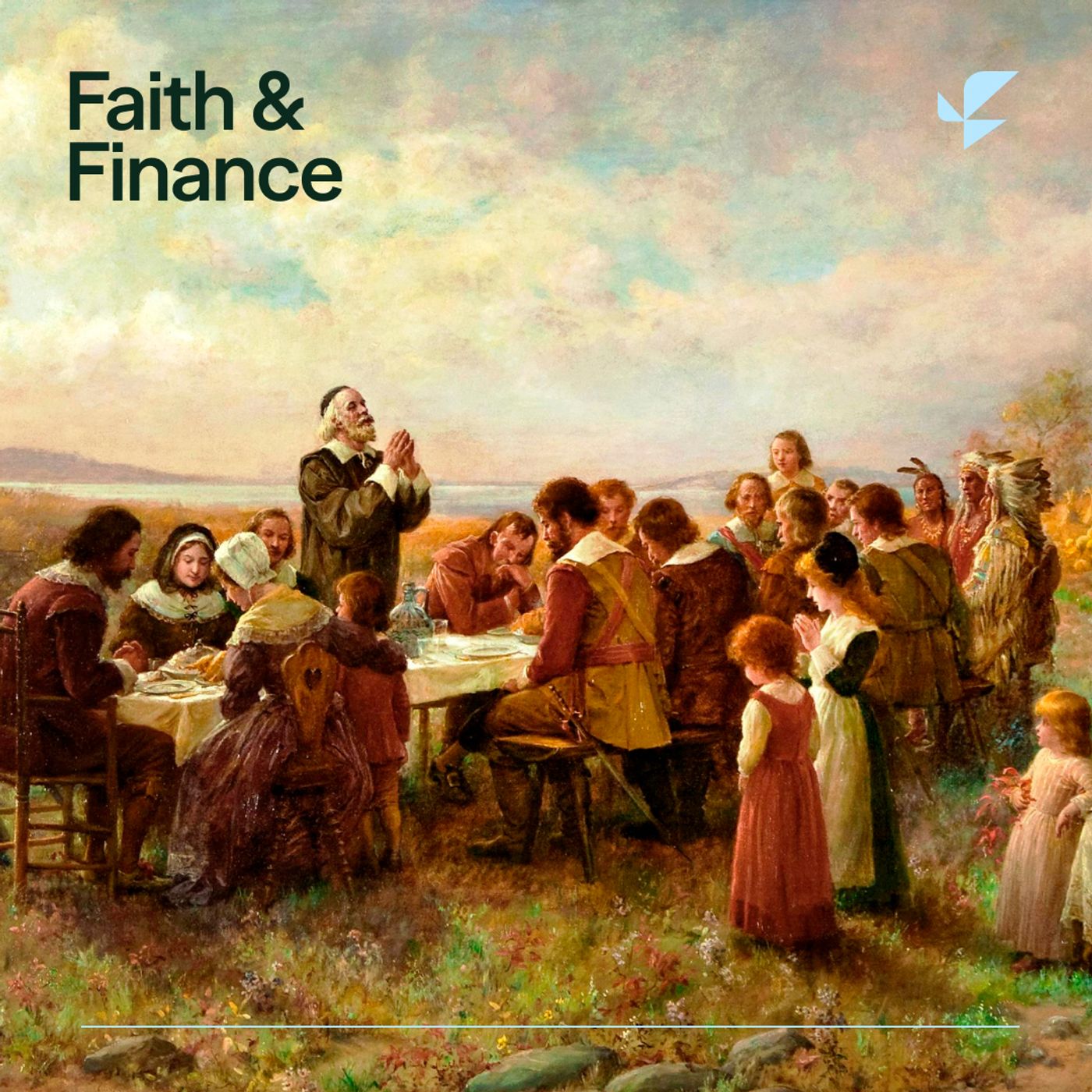
The Story of Thanksgiving
Nov 26, 2026 · 24m
Thanksgiving is a time to gather with family and friends, count our blessings, and thank God for His faithfulness. But the story behind one of America's most cherished traditions began not with...
Passing On Relational Wealth with Sharon Epps
Nov 25, 2026 · 24m
When we think about leaving an inheritance, we often focus on financial assets—savings, investments, property, and other resources we hope to pass on to the next generation. But preparing the next...
Giving Within Your Means
Nov 24, 2026 · 24m
Scripture calls us to be generous, open-handed, and willing to sacrifice for others. But generosity should never become an excuse for neglecting the responsibilities God has already placed in our...
Love Good with Stephen Jackson
Nov 23, 2026 · 24m
Biblical stewardship reaches far beyond what we give away. It includes our work, our investments, and everything God has entrusted to us. But have you ever stopped to consider whether the money you're...
Count Your Blessings: The Power of Gratitude
Nov 20, 2026 · 24m
In 1897, hymn writer Johnson Oatman Jr. penned the words to a beloved gospel song that continues to encourage Christians more than a century later: Count Your Blessings.Throughout his lifetime, Oatman...
The Hidden Retirement Benefits of an HSA with Mark Biller
Nov 19, 2026 · 24m
Healthcare expenses can take a significant bite out of your budget. But what if there were a way to prepare for those costs while reducing your taxes and building savings for retirement? That's...
Take these sermons with you.
Follow Faith & Finance in the Getsermons app to get every new sermon, build playlists, and pick up right where you left off.

