
Faith & Finance
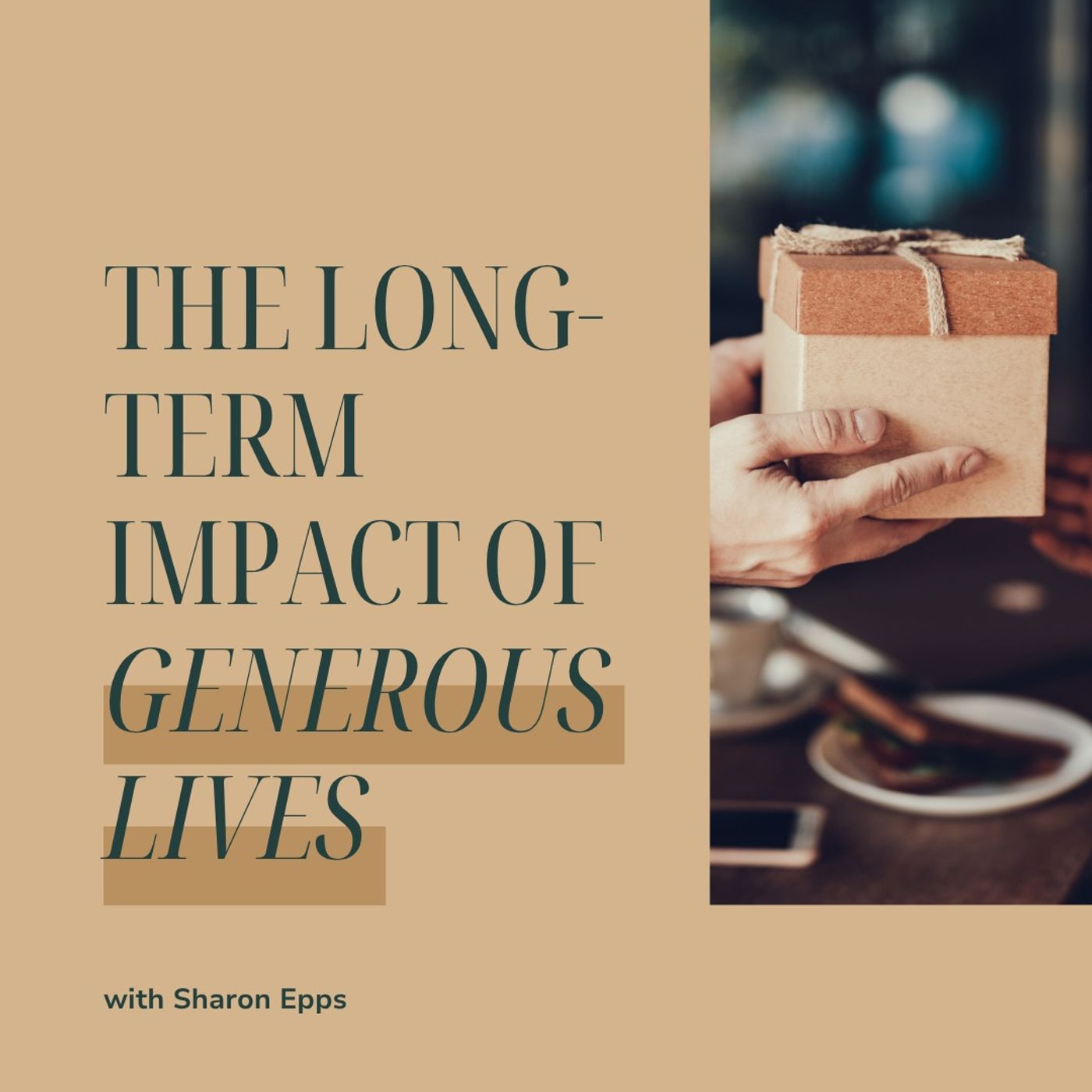
The Long-Term Impact of Generous Lives with Sharon Epps
Oct 29, 2025 · 24m
Prefer sermons downloaded automatically?
About this sermon
The most generous people give something money can’t buy—their time, their presence, and their love.
Generosity reaches far beyond finances. It shapes hearts, strengthens families, and builds communities of grace. Today, Sharon Epps joins us to talk about the long-term impact of generous living.
Sharon Epps is the President of Kingdom Advisors, FaithFi’s parent organization. Kingdom Advisors serves the broad Christian financial industry by educating and equipping professionals to integrate biblical wisdom and financial expertise.
A Simple Question That Changes Everything
If you’ve ever wondered what true generosity looks like, it’s often simpler—and closer to home—than we think. Generosity isn’t measured by dollar amounts or estate plans; it’s written on the faces and in the actions of people who live with open hearts.
In fact, if you ask someone a simple question like this, you will move their hearts more than you know:
“Think about the most generous person you know. What do they look like? What’s their countenance? Their posture?”
Take a moment to picture them. Chances are, their face lights up your mind’s eye. They’re probably joyful, peaceful, genuine—and not necessarily wealthy. That’s because generosity is about heart, not income. It’s about presence, not possessions.
When we make generosity personal, it changes us. We stop thinking in abstract ideas and start remembering real people who gave freely of themselves—and in doing so, reflected the heart of Christ.
When this question is asked, the answers are often the same: a grandparent, an aunt, an uncle—someone who gave of themselves through love, laughter, and listening. These aren’t people who built foundations or donated millions. They modeled generosity through steady love and consistency.
That’s what long-term generosity looks like. It starts at home and grows outward.
Redefining Long-Term Impact
When we hear “long-term impact,” our minds often jump to wills, trusts, or endowments. Those are important tools, but they’re not the whole story. True long-term impact happens when we invest our lives, not just our assets.
Every day, we have the chance to sow generosity through acts of service, hospitality, and encouragement. These simple seeds—when planted faithfully—bear fruit that outlasts any financial gift because they grow in people’s hearts.
If you long to leave a legacy of generosity, start small.
Serve one person this week. Ask God to show you where you can listen, encourage, or help.
Be steady and intentional. Generosity grows through daily habits, not grand gestures.
Practice generosity with time and words. The way you invest relationally today can change someone’s tomorrow.
Over time, those small acts of faithfulness will shape the kind of life others remember as generous.
Generosity is most powerful when it’s shared. Families that give together cultivate hearts that reflect God’s heart. Take your children with you when you serve at a food pantry. Let them see generosity in action. Talk about giving not as an obligation but as a joyful response to God’s grace.
A Practical Tool for Giving
One practical way to make giving intentional is through a donor-advised fund—or what our friends at the National Christian Foundation call a Giving Fund. It’s like a charitable checking account where you can deposit money now and prayerfully decide later how to distribute it.
Opening one is quick and easy, and it’s a great way to involve your children or grandchildren in deciding where to give. You can learn more or start one in under five minutes at FaithFi.com/NCF.
Generosity Flows Toward People
In the end, generosity isn’t about how much we give—it’s about who we’re becoming. It’s not just an act; it’s a lifestyle. When our generosity flows toward people instead of possessions, we participate in God’s ongoing story of redemption.
That’s the kind of impact that lasts far beyond our lifetime.
On Today’s Program, Rob Answers Listener Questions:
I really want to honor God with my giving. I’ve been thinking about donating to St. Jude Children’s Research Hospital and to my local church. Should I split my giving between the two, or focus everything on my church?
I called about Qualified Charitable Distributions before, and your explanation helped—but I’m still not sure I understand them. At age 70, it seems like you lose out on any interest or growth from that money, and you can’t take a tax deduction. So why would anyone do a QCD at that age? Would it ever make sense to take money from a Roth IRA instead? And are there income levels where a QCD just doesn’t make sense?
How can I strike the right balance between managing my money wisely and living with radical generosity?
I have about $100,000 invested across the S&P 500, NASDAQ, and Dow, but I’m wondering if that’s too risky. Would it be safer to put everything into the S&P 500, or is there a better approach? At 76, should I shift more into bonds—and if so, what kind would you recommend?
Resources Mentioned:
Faithful Steward: FaithFi’s New Quarterly Magazine (Become a FaithFi Partner)
National Christian Foundation (NCF)
Redeeming Money: How God Reveals and Reorients Our Hearts by Paul David Tripp
Wisdom Over Wealth: 12 Lessons from Ecclesiastes on Money
Look At The Sparrows: A 21-Day Devotional on Financial Fear and Anxiety
Rich Toward God: A Study on the Parable of the Rich Fool
Find a Certified Kingdom Advisor (CKA) or Certified Christian Financial Counselor (CertCFC)
FaithFi App
Remember, you can call in to ask your questions every weekday at (800) 525-7000. Faith & Finance is also available on Moody Radio Network and American Family Radio. You can also visit FaithFi.com to connect with our online community and partner with us as we help more people live as faithful stewards of God’s resources.
Hosted by Simplecast, an AdsWizz company. See pcm.adswizz.com for information about our collection and use of personal data for advertising.
More from Faith & Finance
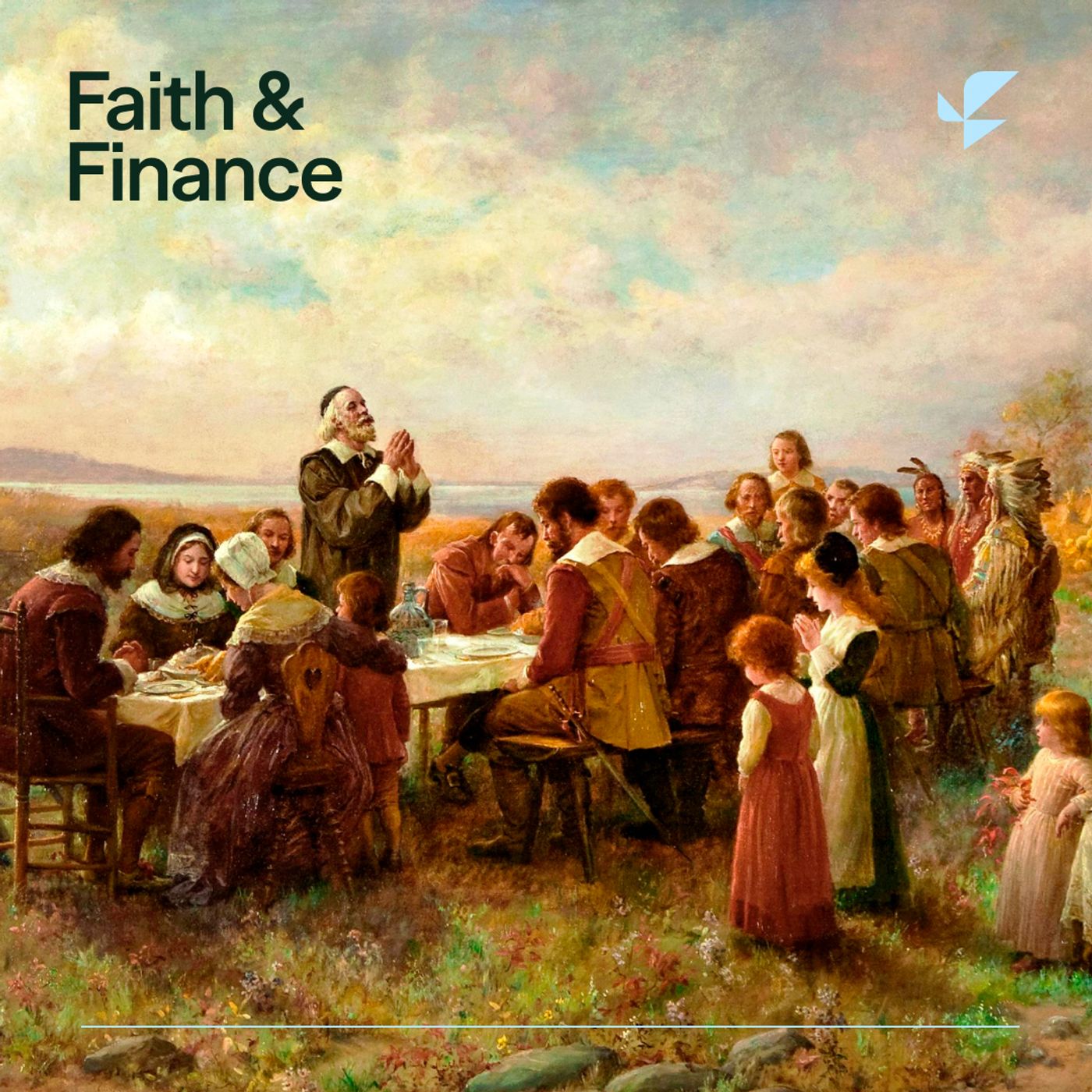
The Story of Thanksgiving
Nov 26, 2026 · 24m
Thanksgiving is a time to gather with family and friends, count our blessings, and thank God for His faithfulness. But the story behind one of America's most cherished traditions began not with...
Passing On Relational Wealth with Sharon Epps
Nov 25, 2026 · 24m
When we think about leaving an inheritance, we often focus on financial assets—savings, investments, property, and other resources we hope to pass on to the next generation. But preparing the next...

Giving Within Your Means
Nov 24, 2026 · 24m
Scripture calls us to be generous, open-handed, and willing to sacrifice for others. But generosity should never become an excuse for neglecting the responsibilities God has already placed in our...

Love Good with Stephen Jackson
Nov 23, 2026 · 24m
Biblical stewardship reaches far beyond what we give away. It includes our work, our investments, and everything God has entrusted to us. But have you ever stopped to consider whether the money you're...

Count Your Blessings: The Power of Gratitude
Nov 20, 2026 · 24m
In 1897, hymn writer Johnson Oatman Jr. penned the words to a beloved gospel song that continues to encourage Christians more than a century later: Count Your Blessings.Throughout his lifetime, Oatman...

The Hidden Retirement Benefits of an HSA with Mark Biller
Nov 19, 2026 · 24m
Healthcare expenses can take a significant bite out of your budget. But what if there were a way to prepare for those costs while reducing your taxes and building savings for retirement? That's...
Take these sermons with you.
Follow Faith & Finance in the Getsermons app to get every new sermon, build playlists, and pick up right where you left off.

