

Gnostic Reformation, Clear and Simple
Understanding Gnosis
Aug 21, 2026 · 20m
Prefer sermons downloaded automatically?
About this sermon
What is gnosis?
There’s a lot of “Gnosticism” floating around on the Internet these days, isn’t there? And the gnosis I’m sharing with you is quite different from most of what’s out there. Before 1945 and 1947—before the Nag Hammadi and Qumran scriptures were dug out of deserts and caves—the only Gnosticism anyone knew was what had survived the Great Purge by the early Catholic Church and the Nicene Council. The Church intentionally stripped the Gnostic material out of what became our New Testament. Why?
I think it’s because actual gnosis puts people in direct contact with the Christ personally, with the Son and the Fullness personally, and with the Father on a personal basis. It’s similar to what the Protestant Reformation did to Catholicism. In Catholic teaching, you’re only allowed access to God through the interpretations of the Church. The Pope is supposedly the infallible word of God, and the priests represent that official line of theology. So when Martin Luther said, “No, we can read the Bible ourselves and come up with our own interpretation,” well… that opened up a can of worms. Because if everyone is allowed their own interpretation, then interpretations will be as varied as there are people.
Just look at something as simple as food. Everyone you know has a different diet now. Protein-only, vegetables-only, fruit-only, organic-only, junk-food-only, “everything in moderation”—you name it. When I ran a bed and breakfast for years, I learned this quickly. You lay out a table for 10 or 12 people every day, and you see how peculiar and particular everyone’s diet is. I once had one guest who only ate egg whites and another who only ate yolks—at the same table! It reminded me of Jack Sprat and his wife: between the two of them, they licked the platter clean. Scripture interpretation is like that. Everyone has their own take.
What is a mystic?
Mysticism is the idea that we can directly perceive and commune with ethereal forces—that it takes a mystical shift to get past our ordinary way of seeing things and into that ethereal realm. When Martin Luther put the New Testament back into the hands of ordinary people, he opened the door for personal communion with God.I’ve been to many Protestant churches. I didn’t grow up in church—my parents weren’t particularly religious—but I had my own personal relationship with Jesus from about age four. I came up under the tutelage of Jesus personally, not through church teaching. You know those Red Letter Bibles? For years I only read the red letters because I wanted to know what Jesus had to say.
Before the Nag Hammadi and Qumran texts were translated from Coptic Greek, all we knew about Gnostic belief came from the people who hated the Gnostics—the heresiologists. “Heresy” means unorthodox belief, so a heresiologist studies unorthodox beliefs. And the Catholic heresiologists were the only ones who had ever seen the Gnostic scriptures. They taught their flock, “This is wrong because the Church says so.” So everything they ever said about Gnostic scripture was about how terrible and evil it was.
When I was young, I believed that line of thinking. I believed the Nicene Creed was the truth and that we had to accept everything it proposed. I believed in the Protestant formulation of the New Testament. And even though Protestants aren’t under the Pope, each denomination has its own leadership and scriptural emphasis—otherwise they wouldn’t be separate denominations.
But let me get back to the original question: What is gnosis?
The purpose of studying scripture, the New Testament, the Nag Hammadi texts, the Qumran texts, or tuning in to so called Gnostic podcasts is to learn about the ethereal realm—to learn the will of God, who the Father is, and what the Father’s will for us is. Why are we here? What is going on down here? What does God have to do with it and what’s our role in the plan?
There’s a worldwide pushback against Christianity and Judaism right now—people deconstructing not only the Church, but the very concepts of the Father, the Son, the Holy Spirit, and the Christ. But the people pushing back usually don’t know the scriptures and they don’t personally know the Father. They’re generally atheists or, at best, agnostic. They think we’d be better off throwing it all away—even getting rid of the so-called “restrictive” moral precepts of ancient scripture. That thinking comes from ignorance.
The antidote to ignorance is gnosis—eternal knowledge and truth. And across religions and holy books, the teaching is the same: you can only know the will of the Father by sitting quietly, praying, meditating, contemplating your relationship with the ethereal. You cannot find truth by looking at popular culture, politics, social media, television, movies, or university courses. That’s entertainment. That’s distraction. That’s where error comes from. You won’t find gnosis in popular culture.
I notice that television shows and movies depicting angels, devils, and priests don’t come from the knowledge of truth. Their theology is all wrong. It may be entertaining or maddening, depending on your point of view, but it’s certainly not gnosis.Here’s why: Gnosis comes from above. It doesn’t come from below, and it doesn’t come laterally.
You might find inspiration through nature because nature reflects the Fullness. Trees and flowers reach upward. If you sit in a forest and feel uplifted, that inspiration naturally turns your attention upward. You’re not going to sit in a forest, feel the Fullness, and then get angry or hateful or want to conquer people. That’s downward or lateral thinking.
So here’s the big point—the nugget I started with: The God Above All Gods wants to be known.
The God Above All Gods is love, truth, and knowledge. And God wants to be known. The Father wants us to know He’s there. He wants us to know we come from Him and will return to Him. That’s the baseline of gnosis.
We use “He” for the Father because the movement of the Father is outward—Yang—male. The Father is the ocean of consciousness, the ground state of consciousness itself, flowing outward and downward through the Son, through the Totalities, through the Aeons, down to us. We are 2nd Order powers. The ethereal beings are 1st Order powers. The flow is always downward because the Father wants to be known.
If you feel lost, abandoned, hopeless, you’re looking in the wrong direction. You have to look up. Up is where love, belonging, communion, hope, safety, home, and inheritance come from.
We are creatures from above, inhabiting the material plane, and we are going back up.
So what do we need to know?
What gnosis does the Father want us to have so we can feel peace, hope, love, and security? It has to be something accessible to every creature—birds, bees, flowers, trees, bacteria. We’re all 2nd Order powers from the Fullness and we are all returning to our ethereal home. What gnosis do we share with our other 2nd Order companions?
If God intended you to memorize obscure manuscripts, charts, Aeon names, formulas, astrological math—who could do that? If that were the required gnosis, hardly anyone would find the key. That’s what modern Gnosticism often looks like: labyrinthian, always seeking, never finding. But truth isn’t found that way. Truth is found by sitting quietly and turning your attention upward.
If “the Father” feels too far away, turn your attention upward to the Christ. The Christ was conceived by the ethereal realm to help us 2nd Order powers go home. Christ is our passbook. Christ is perfectly structured to save everything below. The New Testament says this—Protestants and Catholics just don’t believe it. Many modern Gnostics don’t believe it either. They think only a tiny remnant will make it.
I don’t think that’s true. If only a few return, the Fullness won’t be full. It will be partial. We are the fruit of the Fullness, and the Fullness won’t be full until we all retur…
This is a public episode. If you'd like to discuss this with other subscribers or get access to bonus episodes, visit cydropp.substack.com/subscribe
More from Gnostic Reformation, Clear and Simple
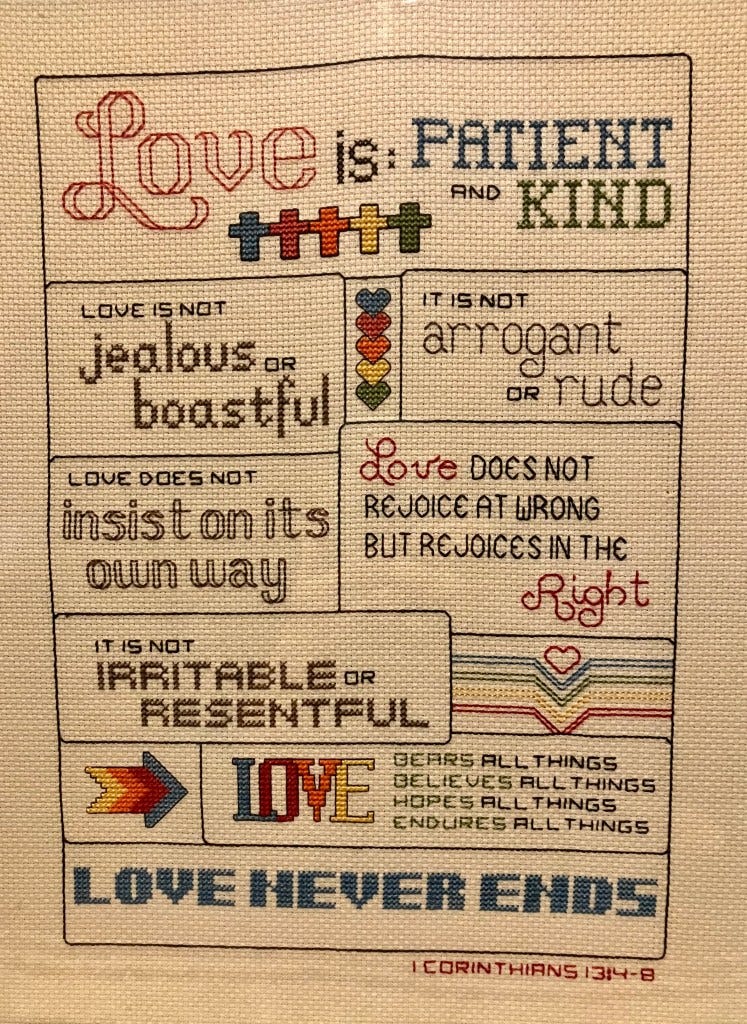
It’s All About the Love
Nov 28, 2026 · 23m
Welcome back to Gnostic Insights and to the Gnostic Reformation on Substack. I hope you all had a good Thanksgiving. We have much to be thankful for.What I’d like to share with you today is possibly...
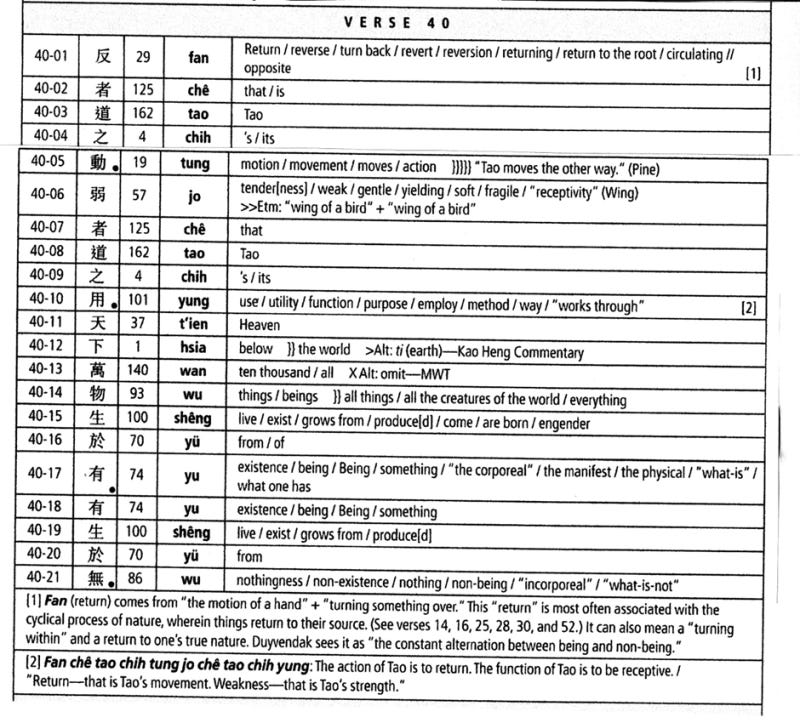
Verse 16 Gnosis of the Tao
Nov 20, 2026 · 19m
Welcome back to Gnostic Insights and to the Gnostic Reformation on Substack. Recently, we’ve been looking at verses out of the Tao Te Ching by Lao Tzu.And for those of you who are new to the...
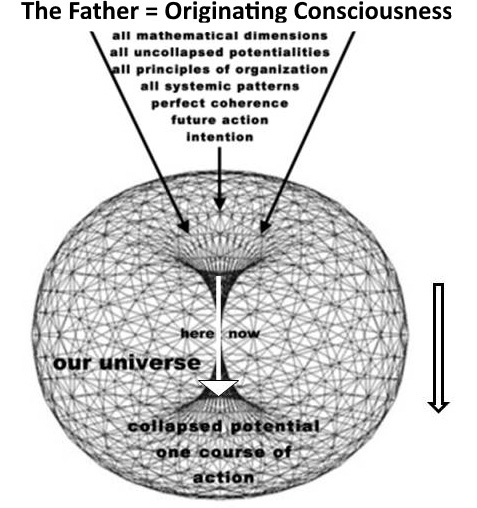
A Simple Model of Memes, part 3
Nov 12, 2026 · 19m
Over the past two podcast episodes, you’ve been introduced to a number of Simple Explanation memes, and we’re building up a nice sized meme chord of shared definitions. We have taken a brief tour of...

A Simple Model of Memes Part Two
Nov 6, 2026 · 21m
This publication explores philosophical, spiritual, and contemplative subjects whose meanings often depend upon nuance, context, and specialized terminology. Translations are provided as a service...
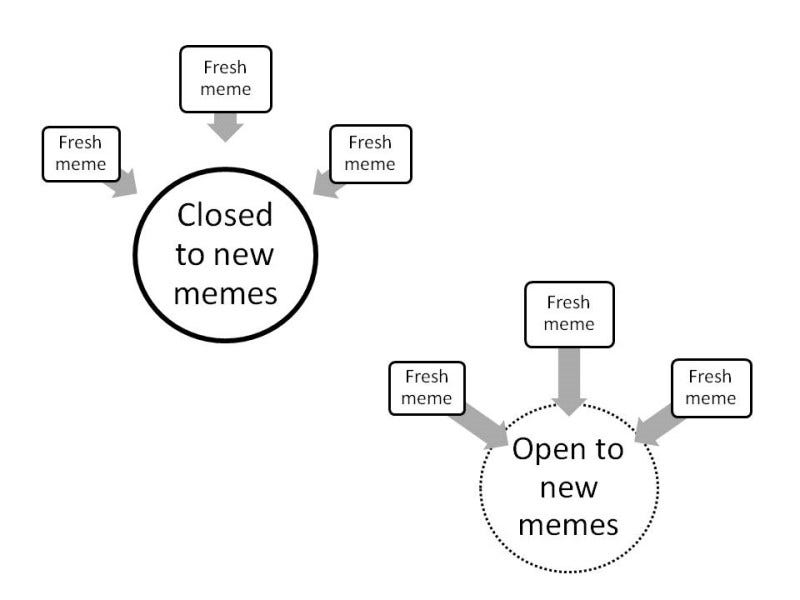
A Simple Model of Memes, pt. 1
Oct 30, 2026 · 27m
Memes are the cultural expressions of societies, and their content is information. Memes, in other words, are the “stuff” of symbolic thought. Everyone holds their own personal bundle of memes tightly...
Mining Gnosis Through the Tao Te Ching-- Verse 53.
Oct 24, 2026 · 19m
Welcome back to Gnostic Insights and to the Gnostic Reformation on Substack. For the past few weeks, we’ve been looking at the ancient Chinese wisdom book called the Tao Te Ching by Lao Tzu. I...
Take these sermons with you.
Follow Gnostic Reformation, Clear and Simple in the Getsermons app to get every new sermon, build playlists, and pick up right where you left off.

