

Gospel Conversations podcast
Is hell a pagan concept?
Mar 12, 2025 · 35m
Prefer sermons downloaded automatically?
About this sermon
The answer is ‘yes’ - hell was a concept deeply ingrained in the pagan mind. And that is the surprising landscape that Ilaria opens up for us in this next episode in Robin Parry’s interviews with her on apokatastasis.
In this interview, Robin asks her about a recent accusation that belief in '‘apokatastasis” was actually a pagan idea that crept into Christianity. Of course, that kind of accusation works well to stigmatise apokatastasis and condemn it to the heresy corner! This critique assumes that such a benevolent view of destiny must have its origins in human optimism not in any revelation.
Ilaria dismisses this out of hand - and says that the idea of apokatastasis originated in the scriptures. But in so doing, she makes a brief but intriguing point - that Plato did NOT believe in apokatastasis but in fact believed in hell as ‘eternal conscious torment’. This clip is very short - so I decided to expand Ilaria’s comments. (Plato’s views on hell are found in his Socratic dialogue “Gorgias” which I analysed as a source text in my doctoral thesis some years ago).
It turns out that Plato’s views on hell - and divine judgment - are remarkably similar to lots of traditional Christian views. The implications of this are significant: lots of our so-called “Christian” views on heaven and hell are not unique to Christianity but are shared with the pagan world. This is not to say that they are wrong - or right - but it does say that they are common sense ideas that spring from human reasoning not revelation.
So in my comments I compare and contrast the shared landscape between Plato’s ‘pagan’ views on hell (and heaven) and typical Christian views. The results are illuminating because they shine the light on what is really unique about the Christian view of human destiny and what seems to be just human reasoning. As Ilaria declares apokatastasis was one of those features that was unique to early Christianity. For the pagan mind, it was just too good to be true, and too wondrous for unaided common sense to apprehend.
Get full access to Gospel Conversations at gospelconversations.substack.com/subscribe
More from Gospel Conversations podcast
Evelyn Underhill and Spiritual Formation
Oct 24, 2026 · 48m
This talk is the next in our ‘Women as thought leaders’ in theology’ series, featuring Australian theologian Robyn Wrigley-Carr speaking about English Anglo-Catholic spiritual writer Evelyn...
Breakfast with Jesus: Origen’s three levels of reading Scripture
Oct 19, 2026 · 41m
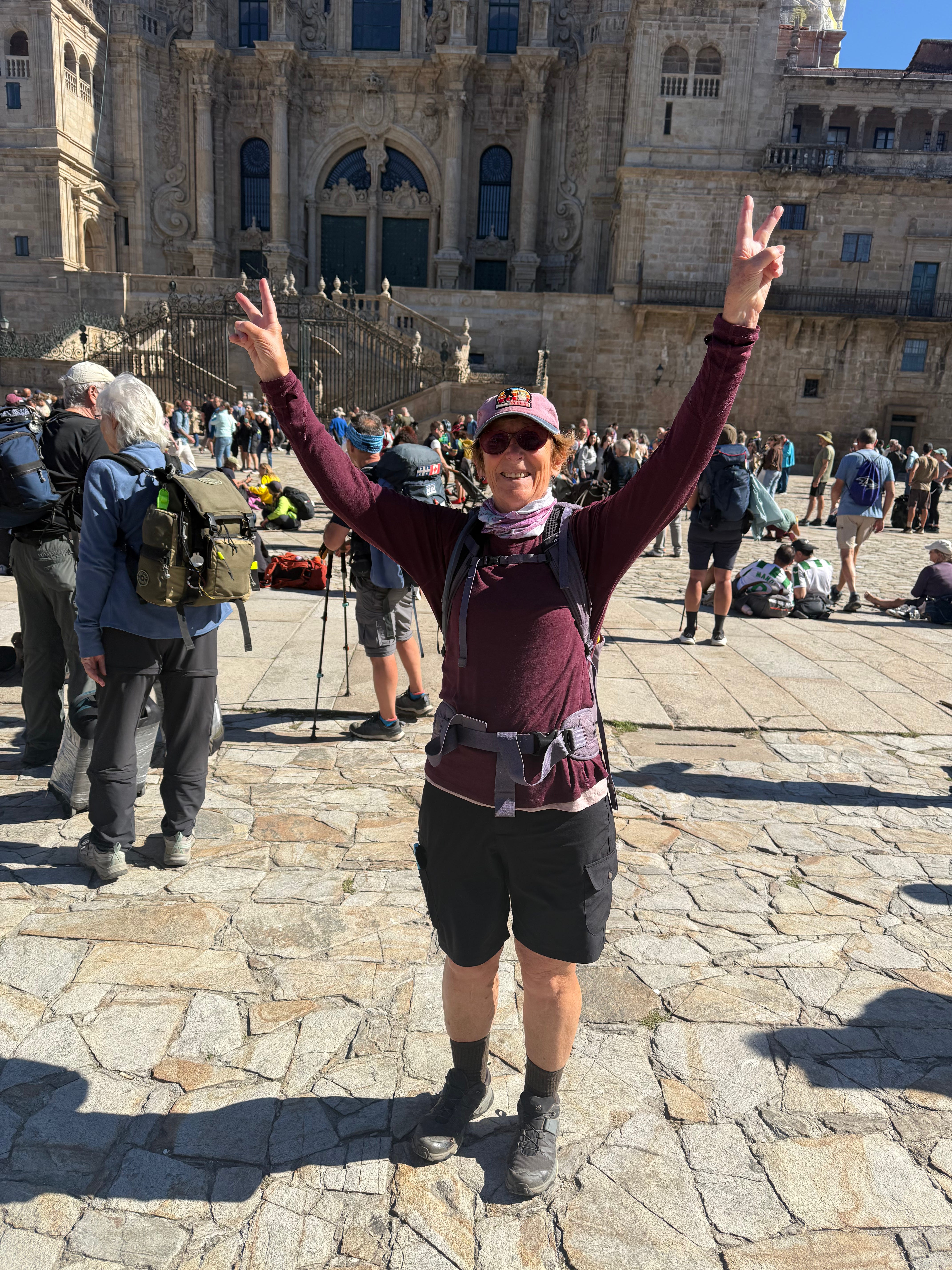
Well we have finally reached the end of our long, long journey on the Camino (though we are adding an epilogue of four days walking to the sea - Fisterra by the Atlantic). 779kms and 36 days of...
Interview with Rev Dr Joanna Collicutt McGrath
Oct 12, 2026 · 44m
This interview, hosted by Leisa Aitken, is part of our series, ‘Women as thought leaders in theology.’ It is with the brilliant and deeply pastoral Oxford based clinical psychologist, Anglican...

Breakfast with Jesus: Psalm 8 & the Image of God
Oct 7, 2026 · 27m
This is our second Breakfast with Jesus on our Camino walk - now over 600kms into it! This chat was recorded after we had climbed into the Galicia mountains and saw the awe-inspiring views from the...
Breakfast with Jesus: Walking the Camino
Sep 25, 2026 · 31m
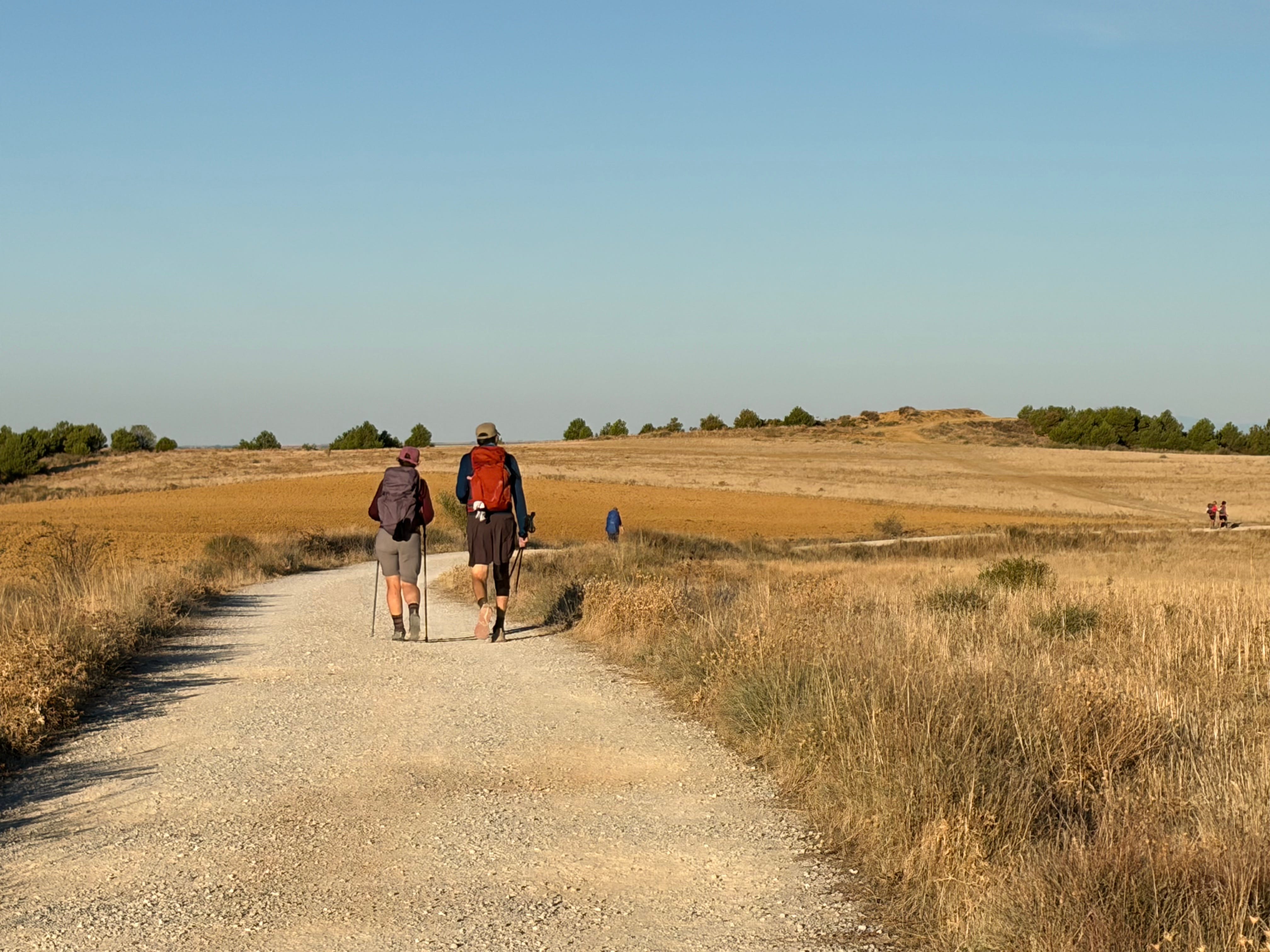
Anne and I are walking the vast Camino path - about 800km from St Jean in France to Santiago in Spain. We thought it would be a good time to revive our ‘Breakfast with Jesus’ channel in Gospel...
How to read Scripture as a living document
Sep 2, 2026 · 1h 10m
Inspiration and Scripture is a two way process - it includes our reading of scripture not just its delivery through authors. That is the fascinating perspective that Ben Myers offers in this thought...
Take these sermons with you.
Follow Gospel Conversations podcast in the Getsermons app to get every new sermon, build playlists, and pick up right where you left off.

