
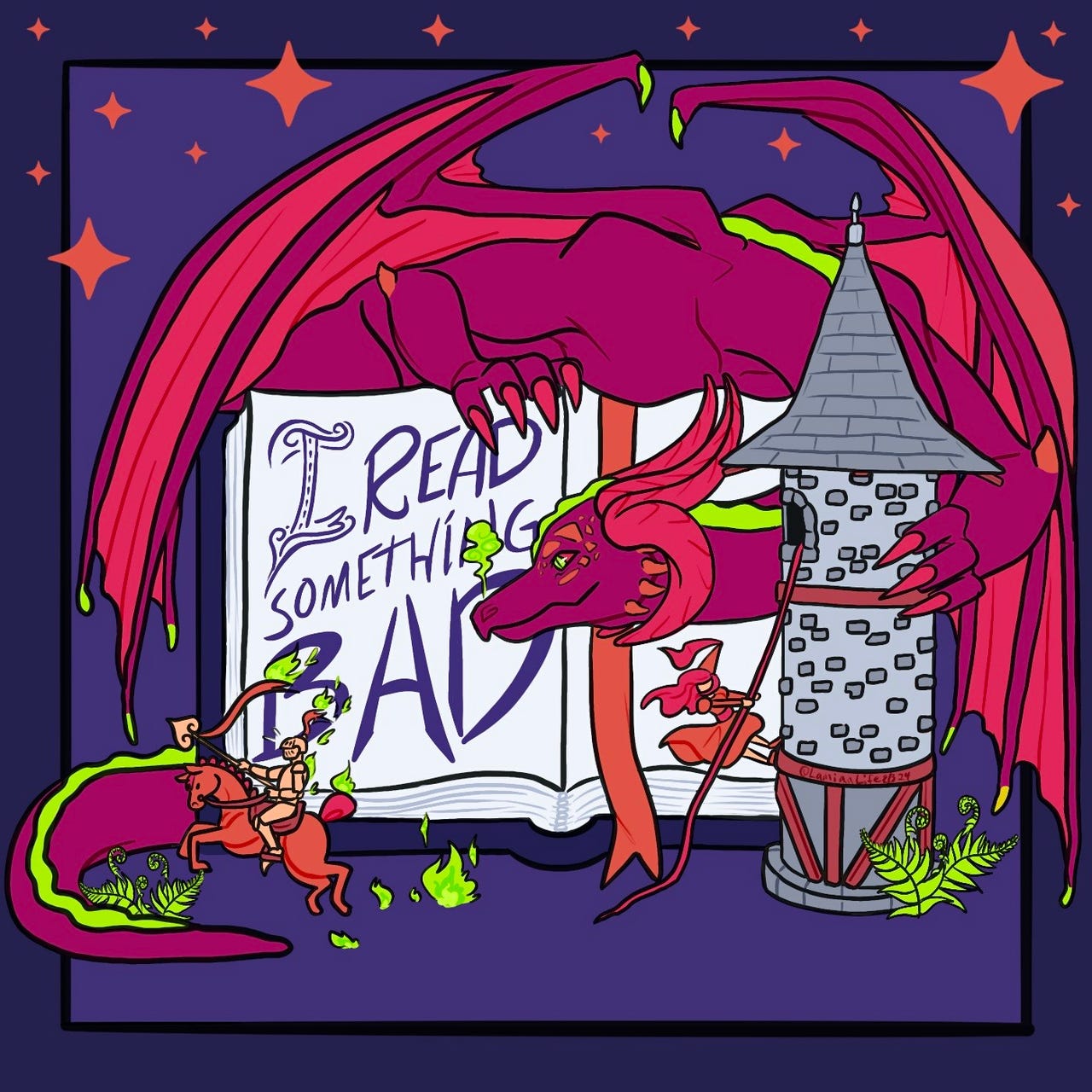
About this sermon
Welcome back!
Today we have a special guest—Brooklyn Stephens from We Choose Welcome—to talk about Wicked and why the people who refuse to watch it because “witches = evil” are exactly the ones who need its lessons on propaganda, authoritarianism, and othering the most.
We’re unpacking how Elphaba’s intimate knowing of the marginalized gave her empathy while Glinda’s proximity to power kept her climbing ladders, why social capital maximization is antithetical to the gospel, and how we’re all simultaneously Glinda in some rooms and Elphaba in others depending on who’s watching.
About We Choose Welcome
We Choose Welcome is a grassroots community seeking to mobilize and equip women of faith to build and cultivate a welcome movement from their tables at home to the halls of Congress. We hope to empower our community to take action for the vulnerable in both our personal lives and through advocating for just immigration policies.
We are here to provide educational resources, action tools, and a supportive community for those seeking to take the next step in their advocacy for immigrants and refugees.
Follow them on Instagram and Facebook to stay connected, or reach out to our team to learn more.
Topics Covered:
* Why people who reject Wicked for having magic are missing crucial lessons about propaganda and authoritarianism that feel startlingly relevant to current immigration enforcement tactics
* How Elphaba’s position on the margins gave her intimate knowing and empathy for the othered, while Glinda’s proximity to power kept her focused on climbing toward Madame Morrible
* The tension between optimism bias that blinds us to realistic steps versus compassion fatigue that burns us out—and how to sustain advocacy work for the long haul without stealing from yourself twice
* Why we’re all both Glinda and Elphaba depending on which room we’re in, and how recognizing this complexity helps us hold compassion for ourselves and others on the journey
* The cost of staying in our individual bubbles (literal floating bubbles for Glinda) versus stepping outside—because “all that’s required to live in a dream is endlessly closing your eyes”
* How evangelical social capital maximization and ladder-climbing is the opposite of empathy as a space-making practice that opens you up to connection
* The diplomatic versus complicit internal battle, and whether working from inside institutions or building outside alternatives is the “right” way (spoiler: we need both)
* Why Christian media’s heavy-handed messaging has maybe made audiences lose the skillset to engage deeply with complexity and moral ambiguity
* How the church is missing opportunities to be a safe place for people’s valid concerns about ICE raids, layoffs, and systemic harm because it wants to protect reputation over choosing justice
* The glimmers of hope happening quietly—200-300 person congregations getting trained, mothers walking immigrant children to school, Durham showing up with signs—even when we can’t post the photos for safety reasons
Looking at yourself in the mirror means locating where you are in the system, and sometimes you’re the one in the bubble floating over problems.
So what do we do about it? Here are some resources from We Choose Welcome:
* Allyship Guide
* Creative Resistance
* Letter Writing to Kristi Noem
* Wicked: On Oz and Othering
Timestamps:
02:00 Why People Who Reject Magic Miss the Propaganda Lessons
06:00 Elphaba’s Intimate Knowing vs Glinda’s Proximity to Power
10:00 Empathy as Space-Making vs Social Capital Ladder-Climbing
13:00 Optimism Bias and Sustaining Advocacy Without Burnout
17:00 Starting Where You Are: Allyship Guide and Local Action
21:00 We’re All Both Glinda and Elphaba Depending on the Room
24:00 Diplomatic vs Complicit: The Daily Internal Battle
27:00 The Cost of Staying in Your Bubble vs Stepping Outside
30:00 Being Where Your Feet Are as Countercultural Practice
33:00 When People Reject Accessible Metaphors: Information Isn’t Enough
37:00 Why Christian Media’s Heavy-Handedness Killed Deep Engagement
40:00 Cinematography and Using Your Senses to Notice Truth
42:00 When Church Protects Institution Over Real Human Concerns
45:00 Finding Glimmers: Churches Showing Up Quietly Across the Country
48:00 The Tension of Personal Disappointment and Collective Hope
This is a public episode. If you would like to discuss this with other subscribers or get access to bonus episodes, visit irsbpodcast.substack.com
More from I Read Something Bad
031 Katabasis with Dr. Beth Felker Jones
Sep 4, 2026 · 39m
Today we’ve got Dr. Beth Felker Jones joining us to dig into R.F. Kuang’s Katabasis, a dark academia descent into literal hell that doubles as a devastating portrait of PhD formation, academic...
030 The Escapism Episode: Why Reading Romance Isn't the Real Issue
May 8, 2026 · 57m
Today your matron saints of spice are tackling the topic of escapism—because apparently reading our silly little books is unhealthy coping, but planning to literally escape all worldly suffering via...
029 Quicksilver by Callie Hart
Apr 24, 2026 · 35m
Today we’re diving into Callie Hart’s Quicksilver.Topics Covered:* Why Zilvaren’s city structure is secretly showing us exactly how power keeps us fighting each other instead of the real problem* That...
028 FMCs of the Bible: Mary Magdalene
Apr 3, 2026 · 40m
Today we’re diving into Mary Magdalene—the biblical FMC who got completely wrecked by centuries of patriarchal mythmaking that turned her from “apostle to the apostles” into either a prostitute or...
027 The Legacy Series by Melissa K. Roehrich (Book 4)
Mar 21, 2026 · 42m
Today we’re wrapping up Melissa K. Roehrich’s Legacy series with Dawn of Chaos and Fury.We’re unpacking how churches structure everything around nuclear families to everyone’s detriment, why Jesus had...
026 Why is Christian Art So Bad?
Feb 6, 2026 · 52m
Today your Matron Saints of Spice are tackling the ever-controversial question of why so much Christian art feels thin, didactic, and aesthetically weak—and just plain BAD.We’re getting real about how...
Take these sermons with you.
Follow I Read Something Bad in the Getsermons app to get every new sermon, build playlists, and pick up right where you left off.

