
In The Garden
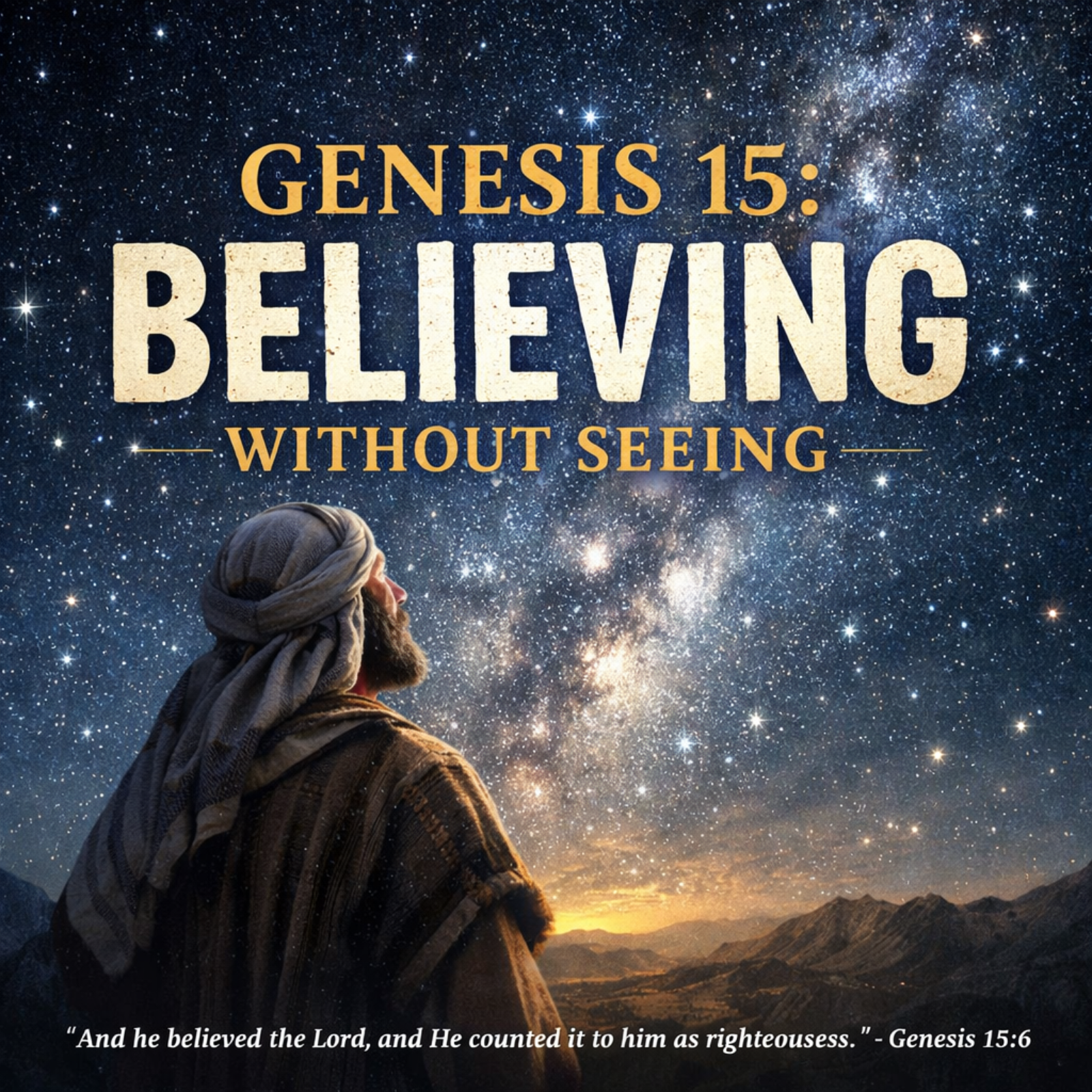
Genesis 15: Believing Without Seeing
Jan 24, 2026 · 5m
Prefer sermons downloaded automatically?
About this sermon
At the center of Genesis 15 is a single sentence that echoes throughout the entire Bible:
“And he believed the Lord, and He counted it to him as righteousness.” (Genesis 15:6)
Abram believes God before anything changes. He is still childless. The promise is still unfulfilled. There is no visible evidence—only God’s word. Scripture presents this belief, not achievement or certainty, as the foundation of righteousness.
Abram’s response matters because it establishes a biblical pattern: God does not require proof before trust, nor perfection before promise. He speaks, and He invites belief.
This theme is not isolated.
Centuries later, the prophet Habakkuk summarizes the same truth:
“The righteous shall live by his faith.” (Habakkuk 2:4)
Jesus affirms this pattern when speaking to Thomas after the resurrection:
“Blessed are those who have not seen and yet have believed.” (John 20:29)
The New Testament repeatedly returns to Genesis 15:6 to explain the Gospel. The apostle Paul cites it directly:
“For what does the Scripture say? ‘Abraham believed God, and it was counted to him as righteousness.’” (Romans 4:3)
Paul emphasizes that this belief came before the law, rituals, or religious systems—making faith, not performance, the starting point (Romans 4:9–11).
Scripture does not define faith as denial of reason. Hebrews offers a working description:
“Now faith is the assurance of things hoped for, the conviction of things not seen.” (Hebrews 11:1)
Faith, as presented in the Bible, acknowledges limits. Human life already depends on belief without full certainty—relationships, commitments, and meaning all require trust beyond evidence.
Jesus does not reject honest doubt. He engages it. He invites listening, following, and discernment—but He also issues a challenge:
“Do not disbelieve, but believe.” (John 20:27)
Genesis 15:6 confronts skepticism with a deeper question. Not whether belief can be avoided—but whether refusing belief is truly neutral. Scripture insists that everyone lives by faith in something.
The question is not if belief exists, but what belief is worthy of shaping a life.
Abram looks at the stars, hears a promise, and trusts the God who speaks. According to the Bible, that moment becomes the foundation of redemption itself.
More from In The Garden
Exodus 24: The Blood, the Meal, and the Mountain
Apr 1, 2026 · 6m
What if drawing near to God required both sacrifice and invitation?Exodus 24 reveals a covenant sealed in blood, a meal in God’s presence, and a man called into the fire.In this episode of In the...
Exodus 23: A Nation Belonging to God
Apr 1, 2026 · 4m
What do truth, rest, and ancient conquest have in common?Exodus 23 reveals one unified story: God forming a people who belong to Him.In this episode, we explore how Exodus 23—though it feels divided...
Exodus 22: Stewardship & Restitution
Mar 30, 2026 · 6m
What if the real cost of sin is far greater than what’s taken?Exodus 22 reveals a God who cares not just about justice—but about restoration.In this episode, we explore Exodus 22 and uncover...
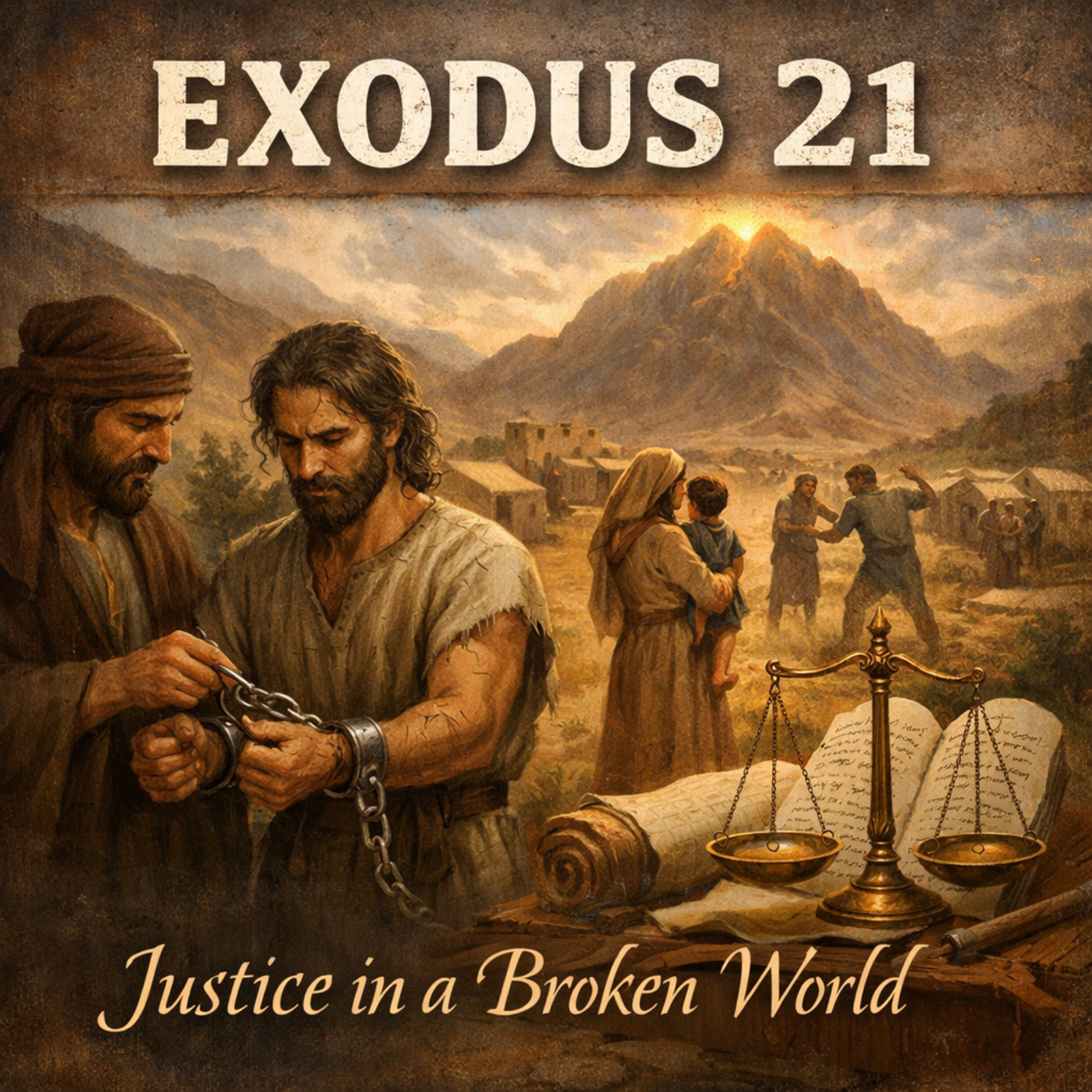
Exodus 21: Justice in a Broken World
Mar 29, 2026 · 4m
Slavery, justice, and God’s law—how do they fit together?In Exodus 21, we see God bringing order, restraint, and dignity into a broken world.This episode explores one of the most difficult passages in...
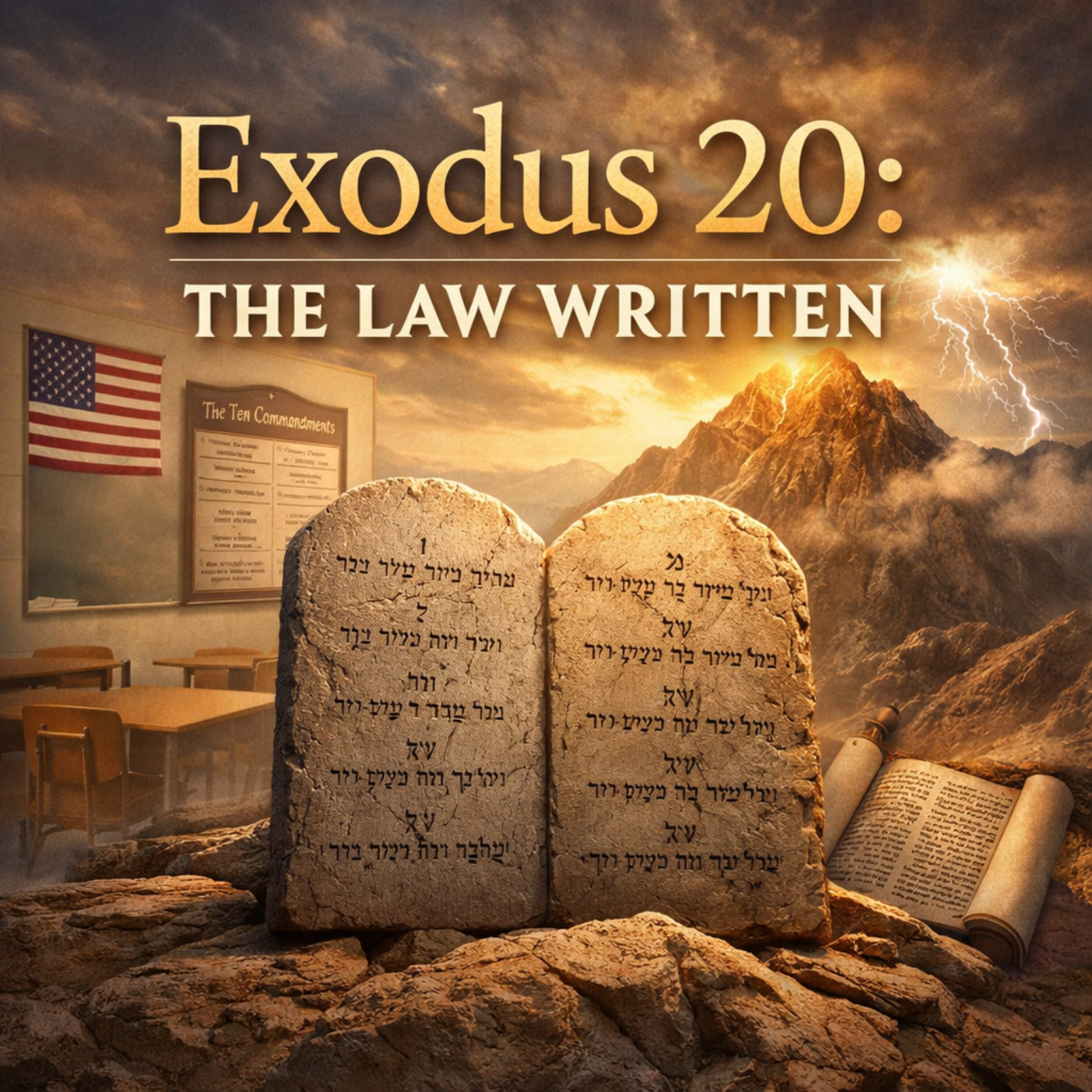
Exodus 20: The Law Written
Mar 29, 2026 · 5m
Ten commandments on the wall… but are they written on your heart?Exodus 20 reveals more than rules—it reveals the life God calls us to live.In this episode, we explore the foundation of God’s Law in...
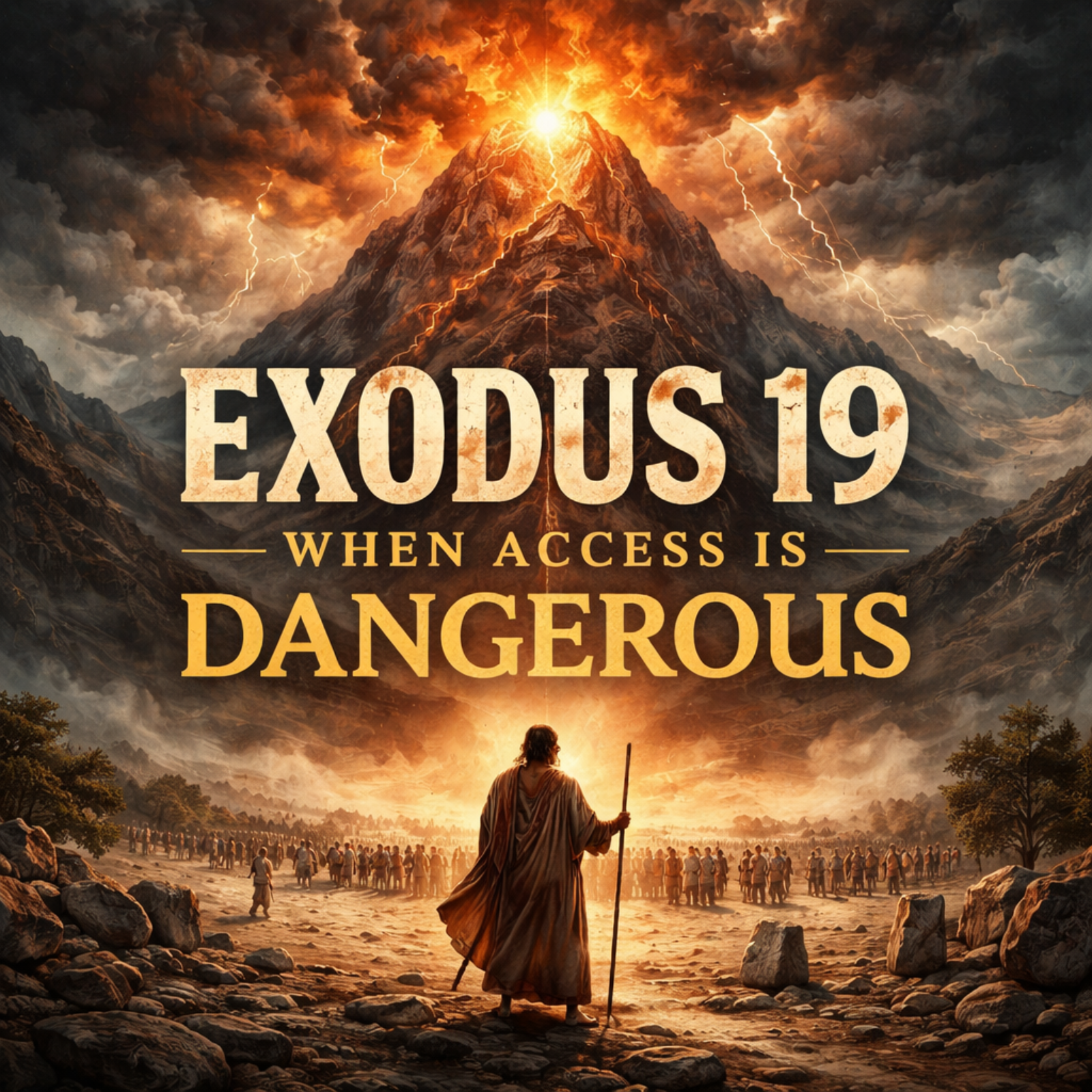
Exodus 19: When Access Is Dangerous
Mar 28, 2026 · 5m
You were never meant to approach God casually… but you were always meant to come close.Exodus 19 reveals a holy boundary—and points to the only way it could ever be crossed.In this episode, we step...
Take these sermons with you.
Follow In The Garden in the Getsermons app to get every new sermon, build playlists, and pick up right where you left off.

