
In The Garden
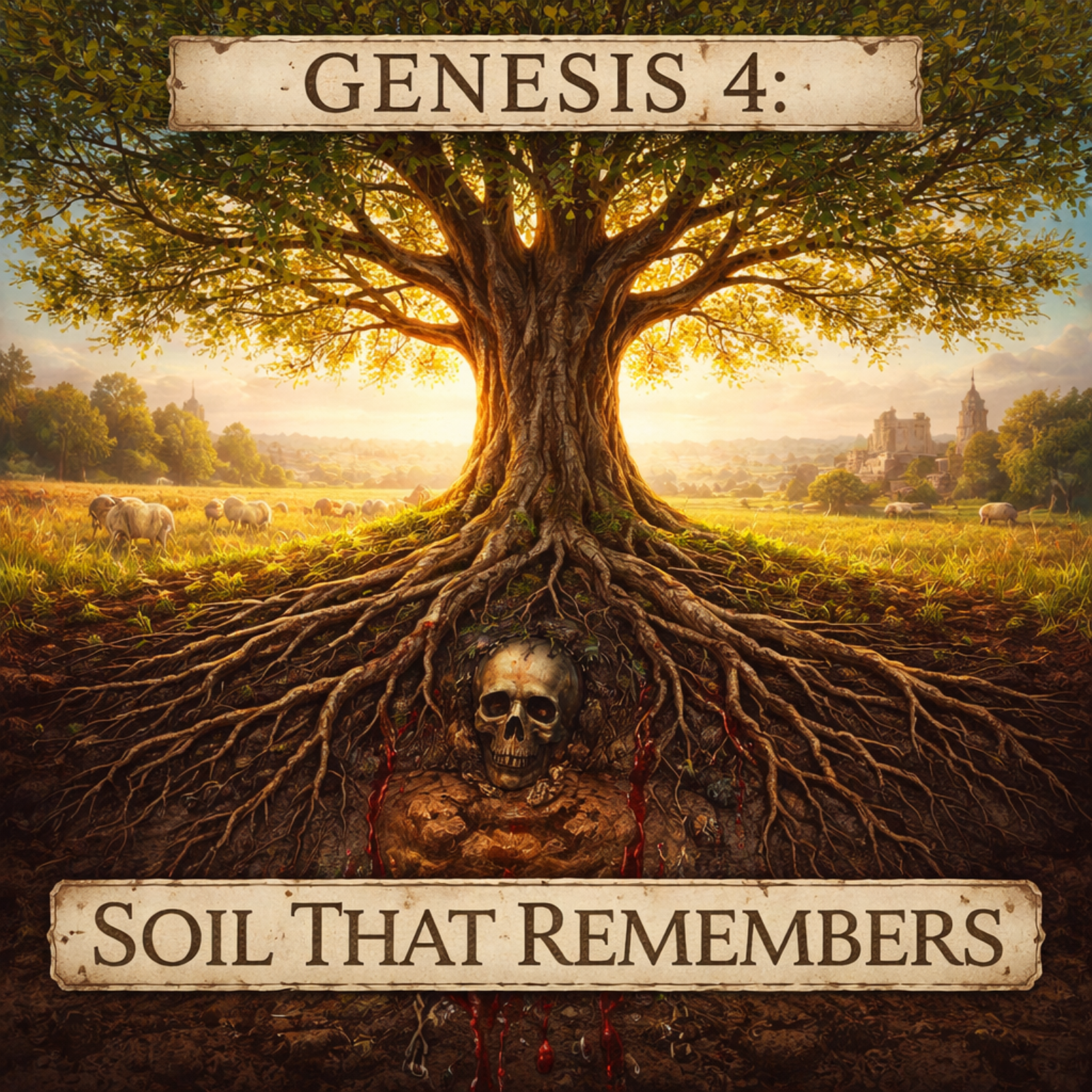
Genesis 4: Soil That Remembers
Jan 7, 2026 · 6m
Prefer sermons downloaded automatically?
About this sermon
Genesis chapter 4 is often read as a story about sibling rivalry, jealousy, and violence. But read carefully—and patiently—it also tells a deeper agrarian story: how humanity’s relationship with the soil, with one another, and with God begins to fracture outside the garden.
After Eden, work enters the world as necessity rather than delight. Two brothers are born. Cain works the ground. Abel keeps flocks. These are not just occupations; they represent two ways of relating to creation. Abel’s work depends on living systems—life reproducing life. Cain’s work requires breaking the soil, forcing productivity, and extracting yield.
Both bring offerings. Abel brings the firstborn of his flock—life offered back to the Giver of life. Cain brings fruit of the ground, but Scripture does not call it firstfruits. God’s concern is not profession, but posture. Worship rooted in gratitude contrasts with worship rooted in effort and comparison.
Before violence ever occurs, God warns Cain: “Sin is crouching at the door… but you must rule over it.” The language is agricultural—like a predator hidden in tall grass, waiting at the edge of the field. Cain ignores the warning.
When Cain kills Abel, the earth itself responds. “Your brother’s blood cries out to me from the ground.” This is poetic language, but it reveals a theological truth: creation absorbs violence. The soil remembers what is done upon it.
Then comes the key verse: “When you work the ground, it shall no longer yield to you its strength.” This is not merely punishment—it is revelation. Soil that is overworked loses fertility. It must be constantly amended just to remain productive. Genesis names this reality thousands of years before modern agricultural science.
Cain becomes a wanderer. In response to failing soil and instability, he builds the first city. Cities arise as buffers against scarcity, against dependence on God, and against the limits of the land. As civilization advances through Cain’s lineage, so do tools, technology, and violence.
Throughout Scripture, God continues to speak in agrarian language—fields, flocks, vines, seed, soil. Jesus teaches almost exclusively this way. He calls Himself the true vine, the good shepherd, the sower of seed. Where Cain sheds his brother’s blood into the ground, Christ pours out His own blood to redeem it.
The Bible does not end in a return to Eden alone, but in a garden city—the New Jerusalem. A city not built by human striving, but prepared by God. A place where the ground yields freely, where trees bear fruit each month, where there is no hunger, no violence, and no want.
Genesis 4 teaches us that how we treat the land cannot be separated from how we treat one another—or how we worship God. The soil remembers blood, but it also responds to faithfulness. From Cain’s field to Abel’s flock, from Babel to the New Jerusalem, Scripture traces a single truth: when humans try to control life, life breaks. But when life is received as gift and returned with gratitude, the garden grows again.
More from In The Garden
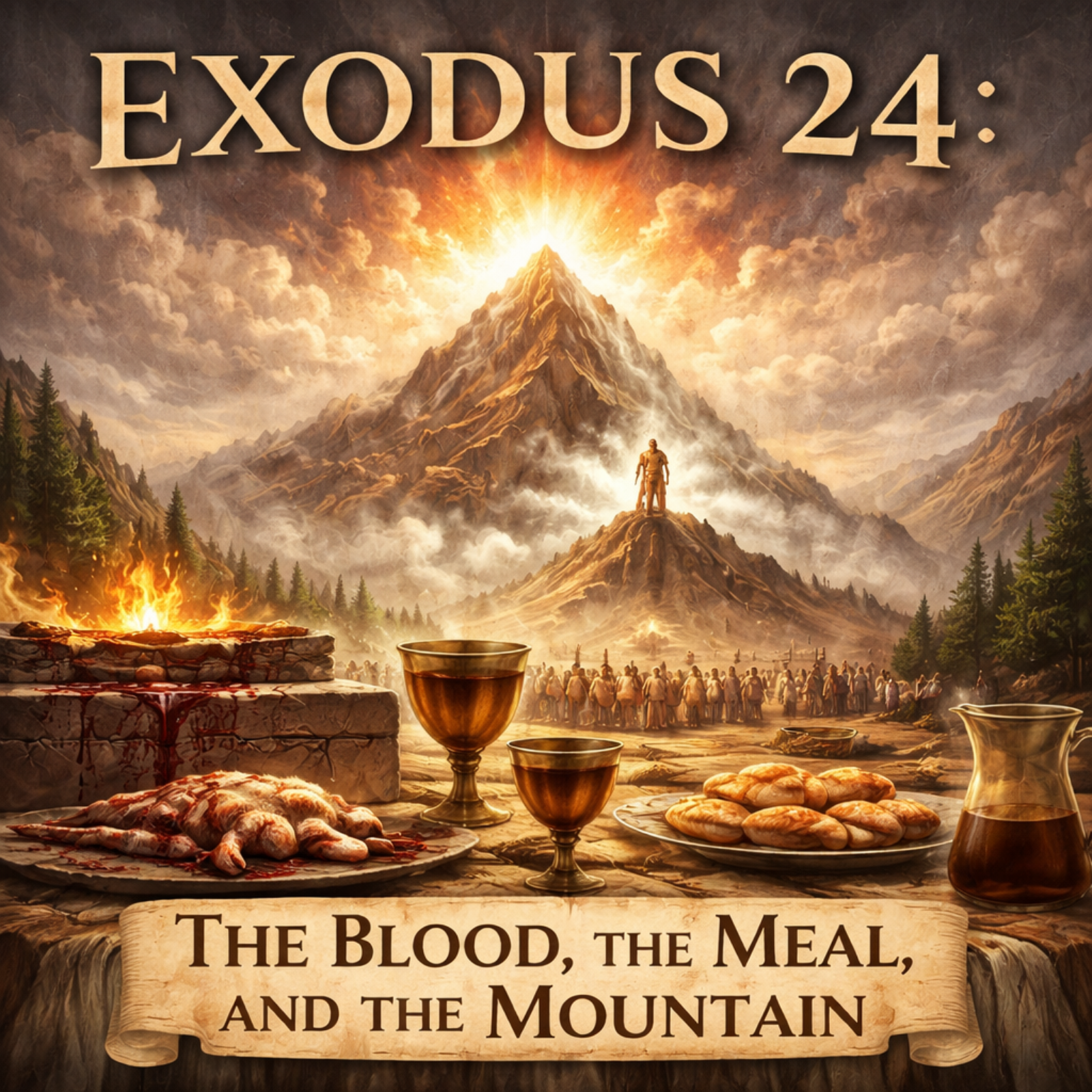
Exodus 24: The Blood, the Meal, and the Mountain
Apr 1, 2026 · 6m
What if drawing near to God required both sacrifice and invitation?Exodus 24 reveals a covenant sealed in blood, a meal in God’s presence, and a man called into the fire.In this episode of In the...
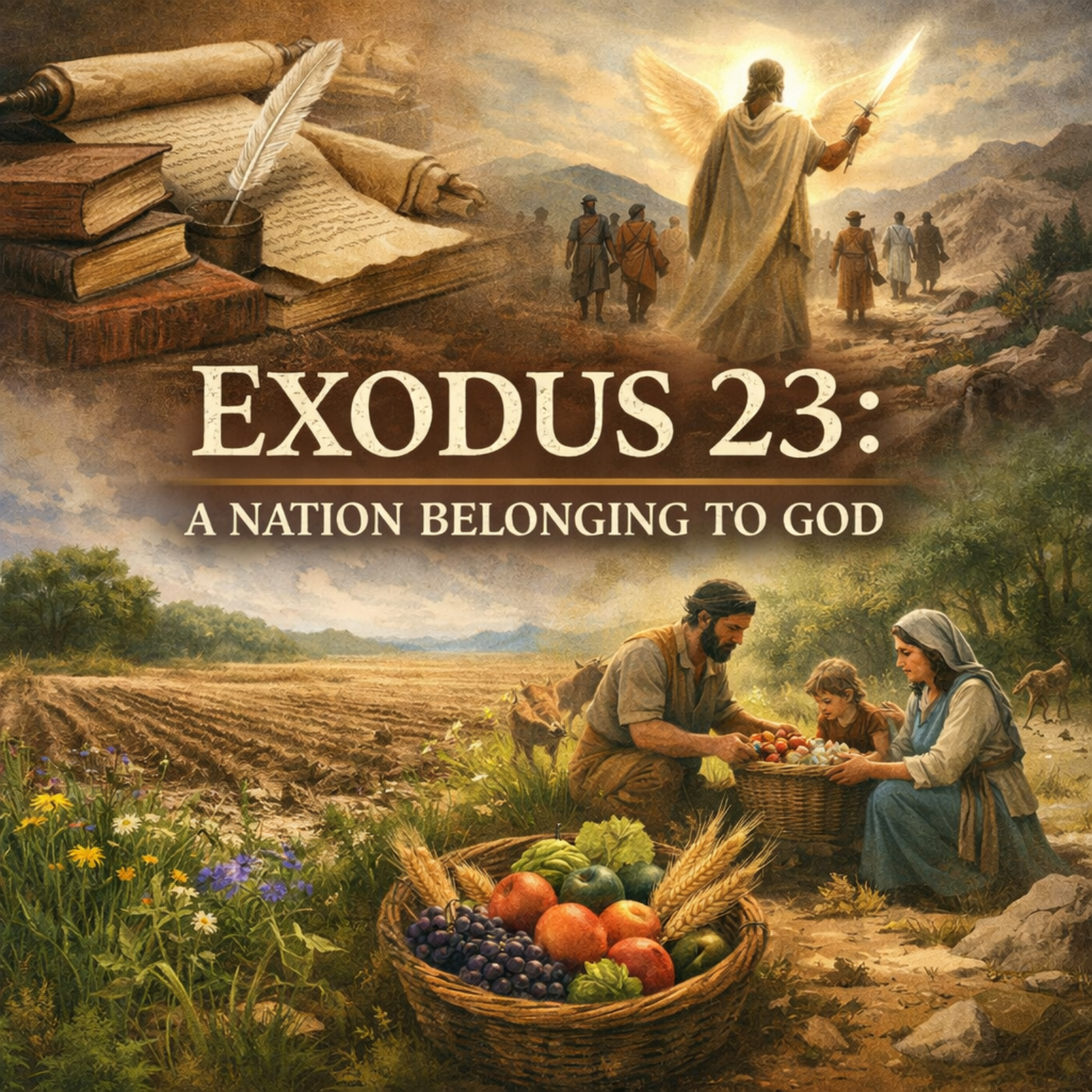
Exodus 23: A Nation Belonging to God
Apr 1, 2026 · 4m
What do truth, rest, and ancient conquest have in common?Exodus 23 reveals one unified story: God forming a people who belong to Him.In this episode, we explore how Exodus 23—though it feels divided...
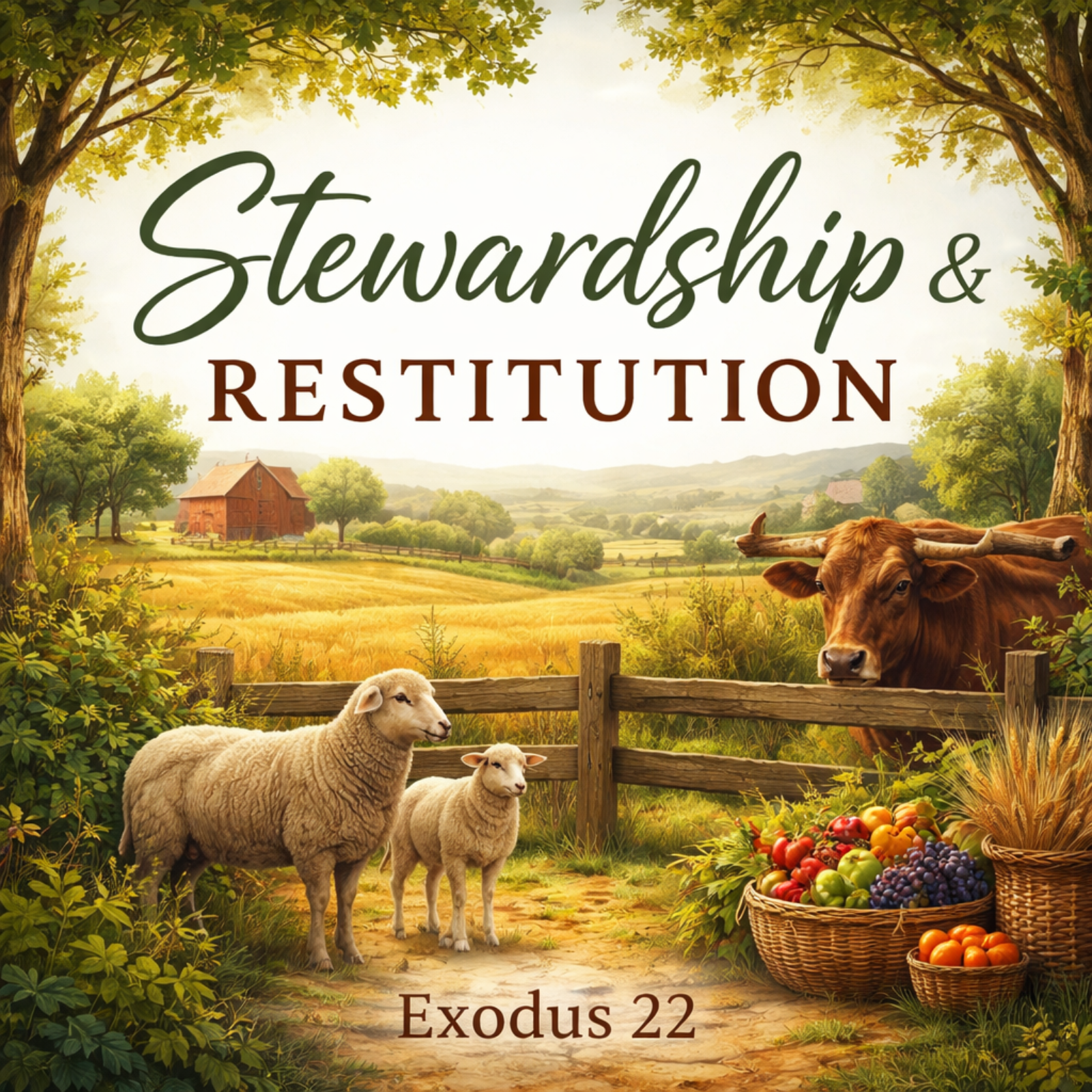
Exodus 22: Stewardship & Restitution
Mar 30, 2026 · 6m
What if the real cost of sin is far greater than what’s taken?Exodus 22 reveals a God who cares not just about justice—but about restoration.In this episode, we explore Exodus 22 and uncover...
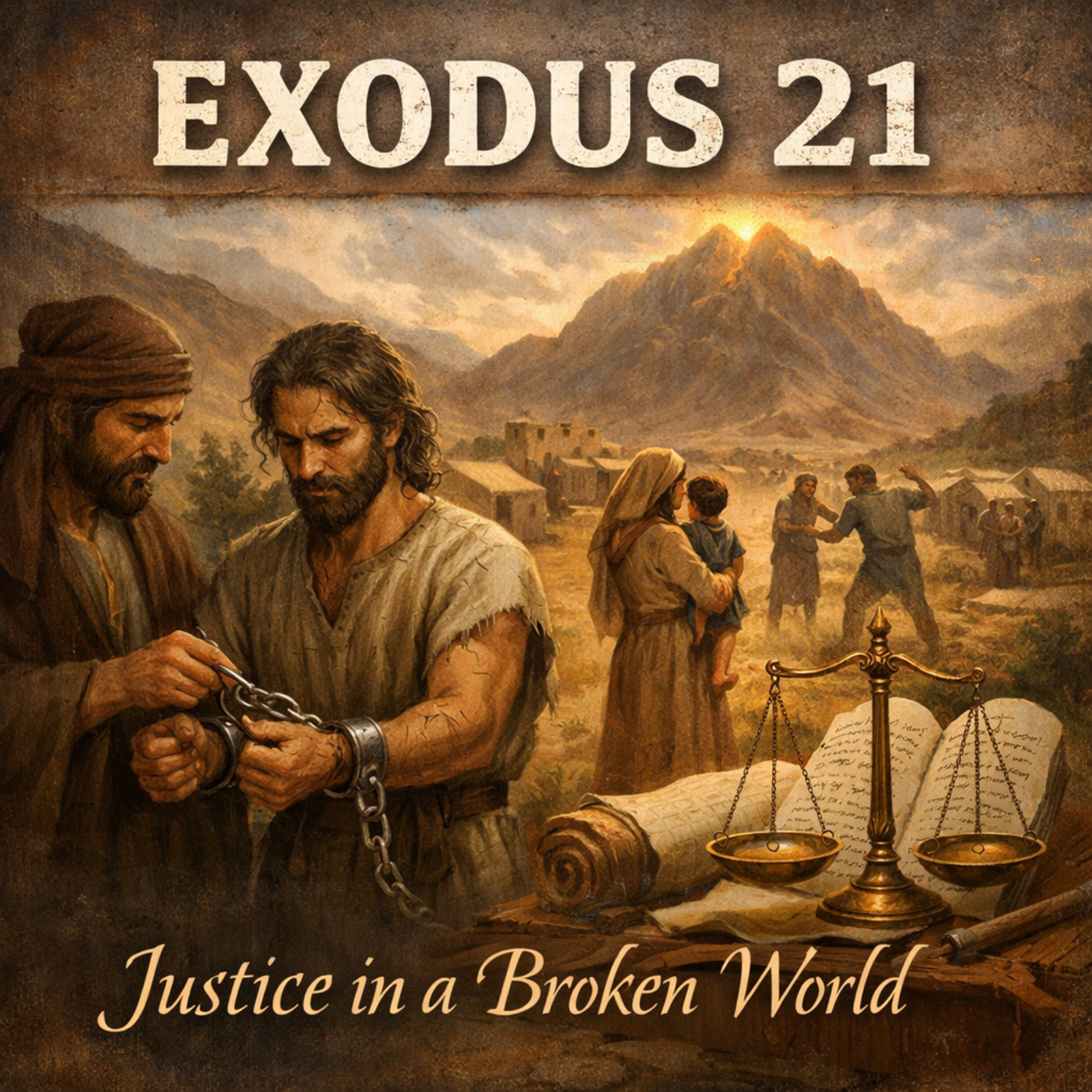
Exodus 21: Justice in a Broken World
Mar 29, 2026 · 4m
Slavery, justice, and God’s law—how do they fit together?In Exodus 21, we see God bringing order, restraint, and dignity into a broken world.This episode explores one of the most difficult passages in...
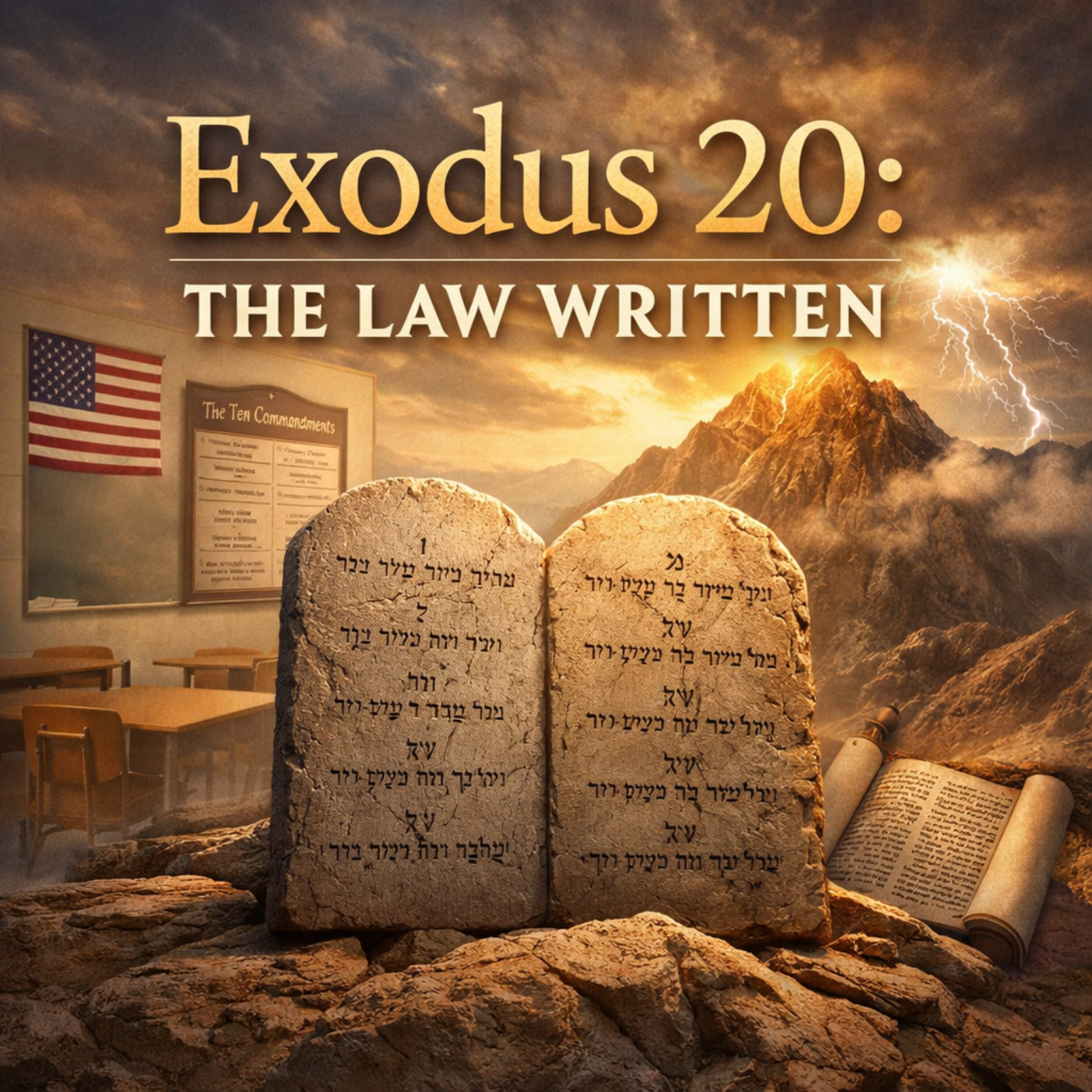
Exodus 20: The Law Written
Mar 29, 2026 · 5m
Ten commandments on the wall… but are they written on your heart?Exodus 20 reveals more than rules—it reveals the life God calls us to live.In this episode, we explore the foundation of God’s Law in...

Exodus 19: When Access Is Dangerous
Mar 28, 2026 · 5m
You were never meant to approach God casually… but you were always meant to come close.Exodus 19 reveals a holy boundary—and points to the only way it could ever be crossed.In this episode, we step...
Take these sermons with you.
Follow In The Garden in the Getsermons app to get every new sermon, build playlists, and pick up right where you left off.

