
Lectionary.pro
Lectionary.pro for the Fourth Sunday in Lent, Year A
Mar 8, 2026 · 26m
Prefer sermons downloaded automatically?
About this sermon
Hi, gang; it’s nice to be back among the land of the living and (mostly) to have my voice back! Thanks for the notes of encouragement last week.
I’m going to continue with the updated format we rolled out last week, giving some summaries of the texts for this Sunday, along with some preaching notes and such. As always, I truly welcome your feedback as to what is helpful and what is not — particularly. So, away we go!
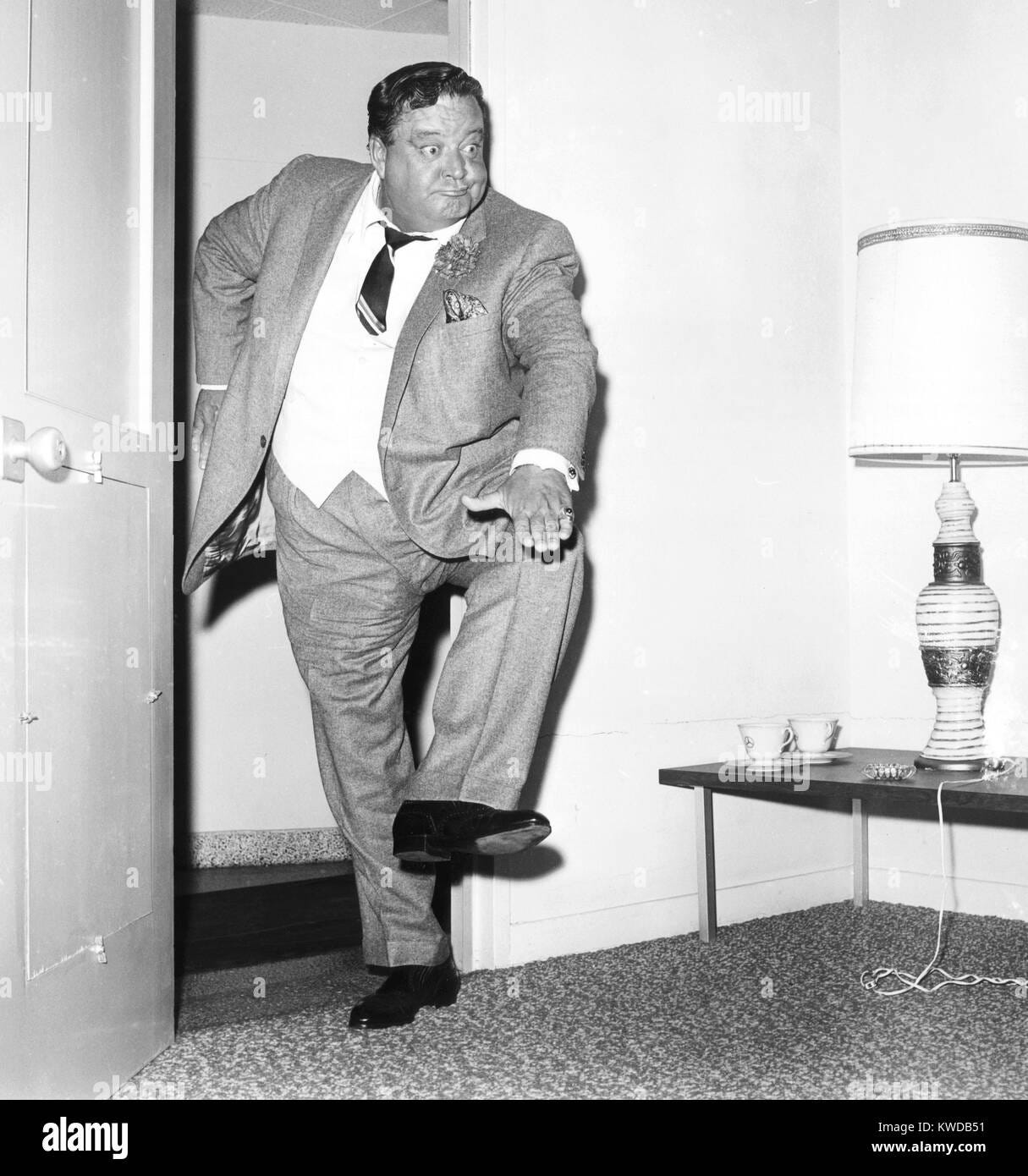
“The Great One” aka Jackie Gleason demonstrating his Away We Go pose
RCL Texts
1 Samuel 16:1–13
God sends Samuel to Bethlehem to anoint a new king from Jesse’s sons. Samuel assumes the oldest, strongest-looking son must be the one, but God interrupts that instinct: “The Lord does not see as mortals see… the Lord looks on the heart.” One by one, the obvious candidates pass by. Finally David, the youngest, is brought in from tending sheep, and God says, “Rise and anoint him.” The Spirit rushes upon David from that day forward. The passage confronts human fixation on appearance, status, and first impressions, and it highlights God’s freedom to choose the overlooked.
Preaching note:
God’s election disrupts our ranking systems. The text is not anti-giftedness; it is anti-reduction of people to image, polish, or social weight.
Pastoral caution:
Don’t weaponize “God looks at the heart” to dismiss responsible leadership discernment or to romanticize inexperience.
Application move:
Invite the congregation to reconsider one person they have underestimated — in church, family, or community — and pray for eyes trained by God rather than by appearance.
Psalm 23
This psalm speaks in intimate trust: the Lord is shepherd, host, guide, and protector. It moves from green pastures to dark valleys without pretending the valley is unreal. God’s presence is not only for peaceful seasons but also for threatening ones: “You are with me.” The tone shifts from third person (“he”) to second person (“you”) in the valley, suggesting nearness in trouble. The psalm ends not with escape from life but with confident belonging — dwelling in God’s house, held by goodness and mercy.
Preaching note:
Psalm 23 is not sentimental denial. It names threat and still confesses trust because God is near, not because life is easy.
Pastoral caution:
Avoid using this psalm to force quick comfort on grieving people (“you should feel peaceful by now”).
Application move:
Offer a breath prayer for anxious moments this week:
Inhale: “You are with me.”
Exhale: “I will not fear.”
Ephesians 5:8–14
Paul reminds believers of identity and calling: “Once you were darkness, but now in the Lord you are light.” Not merely “in darkness,” but darkness — a condition now transformed by Christ. Because of that change, the church is to “live as children of light,” producing goodness, justice, and truth. The passage rejects unfruitful works of darkness and calls for discernment about what pleases the Lord. The closing line (“Sleeper, awake… and Christ will shine on you”) sounds like a baptismal wake-up call: step out of hiddenness and into Christ’s illuminating life.
Preaching note:
Paul roots ethics in identity. We don’t behave into belonging; we live differently because we already belong to Christ.
Pastoral caution:
Don’t preach “light vs darkness” in ways that fuel self-righteousness or stigmatize those in depression, doubt, or struggle.
Application move:
Ask people to choose one concrete “light practice” for Lent: truth-telling, restitution, reconnection, or daily examen before bed.
John 9:1–41
Jesus sees a man blind from birth, and the disciples ask whose sin caused it. Jesus refuses that blame framework and says God’s works will be revealed. He heals the man with mud and water, sending him to wash in Siloam. As the man gains sight, conflict escalates: neighbors debate, religious leaders investigate, parents fear social consequences, and the healed man grows bolder in testimony. Ironically, those who claim spiritual sight become harder and more blind, while the one once blind comes to faith and worship. The story is about more than physical healing; it is about revelation, courage, and the cost of confessing Jesus.
Preaching note:
Jesus rejects simplistic blame and restores dignity. The healed man’s journey moves from partial understanding to public witness to worship.
Pastoral caution:
Do not imply disability is a spiritual object lesson or punishment. The text centers Jesus’ works, not human fault.
Application move:
Challenge the church to interrupt blame-language this week (“Who caused this?”) and replace it with mercy-language (“How can God’s care show up here?”).
An optional sermon outline (with illustration ideas)
“From Blind Assumptions to Living in the Light”
Core Claim: God sees truly, stays near, and calls us to walk in Christ’s light.
1) God Sees What We Miss
Text: 1 Samuel 16:1–13
• Samuel looks at appearance; God looks at the heart.
• David is overlooked, yet chosen and anointed.
• Lent confronts our habit of judging by surface: polish, confidence, résumé, class, age.
Preaching move:
Name the church’s temptation to mistake visibility for calling.
Illustration #1 (Hiring Panel / Audition):
A hiring committee nearly rejects a candidate because they’re quiet and unimpressive in first-round small talk. But their portfolio reveals deep wisdom and consistency. The “obvious” pick had charisma; the right pick had substance.
Point: We often confuse presentation with depth.
2) God Is With Us in the Valley, Not Just Beyond It
Text: Psalm 23
• The psalm includes both green pastures and dark valleys.
• The turning point is not changed scenery but changed presence: “You are with me.”
• Lent teaches trust in God’s companionship when outcomes are unresolved.
Preaching move:
Pastor people away from shallow optimism toward durable trust.
Illustration #2 (Night Drive in Fog):
Driving in dense fog, you can’t see far ahead. You move safely not because you can see the whole road, but because headlights give enough light for the next stretch.
Point: God often gives “next-step” light, not full-map certainty.
3) Christ Moves Us from Blame to Witness
Texts: Ephesians 5:8–14; John 9:1–41
• Disciples ask, “Who sinned?” Jesus refuses blame logic.
• Healing leads to conflict, interrogation, and eventually worship.
• Paul: “You were darkness, now you are light… live as children of light.”
• Christian maturity means truthfulness, courage, and mercy—not scapegoating.
Preaching move: Call the church to be a community where people are restored, not reduced.
Illustration #3 (Recovery Story / Public Testimony):
A person in recovery says, “People used to ask what was wrong with me. A mentor asked what happened to me and what healing might look like.” That shift changed everything.
Point: Blame imprisons; grace opens a future.
Conclusion / Invitation
This week, invite the congregation to:
1. Re-examine one judgment they’ve made by appearance.
2. Pray Psalm 23 daily in one anxious moment (“You are with me”).
3. Replace blame with witness in one hard conversation (“How might Christ bring light here?”).
Narrative Lectionary Text
John 18:28–40 (Jesus and Pilate)
Jesus is brought from the religious hearing to the Roman governor’s headquarters. The leaders avoid ritual defilement so they can eat Passover, while simultaneously pressing for Jesus’ execution — a sharp irony about outward purity and inward injustice. Pilate questions Jesus: “Are you the King of the Jews?” Jesus reframes kingship: his kingdom is “not from this world,” meaning it does not arise from coercion, violence, or imperial logic. He says he came to testify to the truth, and those who belong to the truth listen to his voice. Pilate responds with the famous, evasive question: “What is truth?” Though Pilate repeatedly signals Jesus’ innocence, he yields to crowd pressure and offers the Passover release choice. The crowd chooses Barabbas, and Jesus is rejected. The scene exposes political fear, compromised leadership, and the quiet authority of Christ’s truth.
Preaching note:
The passage is not mainly about a private religious…
This is a public episode. If you'd like to discuss this with other subscribers or get access to bonus episodes, visit lectionarypro.substack.com/subscribe
More from Lectionary.pro

Lectionary.pro for the First Sunday of Advent, Year B
Nov 23, 2026 · 25m
It’s not too late! Two great resources for getting your Advent and Year B preaching off to a great start: Guide to The Arc of Advent, Year BPersonal Study Edition of the Lectionary Texts for Year...

Lectionary.pro for The Reign of Christ, Year A
Nov 16, 2026 · 24m
This Sunday closes both the year and the long walk through Matthew. The last three parables move from readiness (the bridesmaids) to faithfulness with what we have been given (the talents) to...

Just in Time for Year B: A Brand New Resource
Nov 11, 2026 · 5m
From the team at The Lectionary Lab comes the best time-saving, study-enhancing project we have ever designed. The Personal Study Edition of the Lectionary Texts for Year B -- every single one of...

Lectionary.pro for the Twenty-Fifth Sunday after Pentecost, Proper 28, Year A
Nov 9, 2026 · 50m
The Gospel is the parable of the talents — the second of three parables in Matthew 25 that close the Matthew arc. A man going on a journey entrusts his property to three slaves. Two invest what they...

Lectionary.pro for the Twenty-Fourth Sunday after Pentecost, Proper 27, Year A
Nov 2, 2026 · 49m
We are just about ready to wrap up another church year (liturgically speaking, that is) and our texts for this week send us into Jesus’ own musings about how things get wound down (or up, depending on...

Lectionary.pro for the Twenty-Third Sunday after Pentecost, Proper 26, Year A
Oct 25, 2026 · 46m
A note on the calendar coincidence: November 1 is All Saints’ Day, which falls on a Sunday this year. Congregations observing All Saints with its own propers will use those readings. This guide covers...
Take these sermons with you.
Follow Lectionary.pro in the Getsermons app to get every new sermon, build playlists, and pick up right where you left off.

