
Modern Mind, Ancient Book | Bible Study in Jewish Context
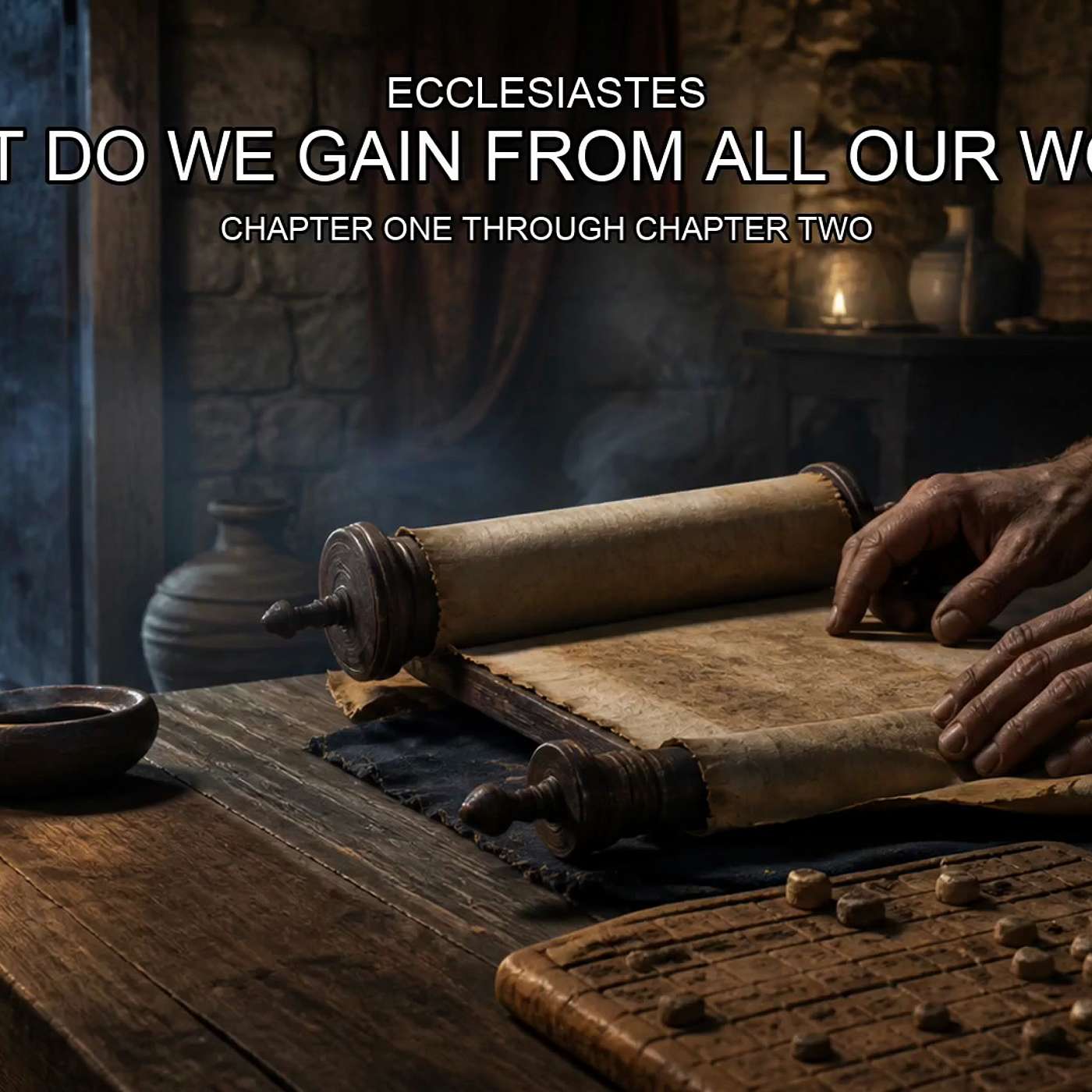
What Do We Gain From All Our Work? | Ecclesiastes 1–2
Sep 7, 2026 · 38m
Prefer sermons downloaded automatically?
About this sermon
Send us Fan Mail
What happens when wisdom, pleasure, success, possessions, and hard work are
real gifts—but still cannot make us permanent?
In Ecclesiastes chapters one and two, the Teacher conducts a royal experiment.
He tests knowledge, laughter, wine, houses, vineyards, gardens, wealth,
reputation, achievement, and legacy. The experiment succeeds at acquisition
and fails at lasting gain. Then the book makes a surprising turn: food, drink,
work, wisdom, knowledge, and joy may be received from the hand of God.
This opening study explains the Hebrew images behind Qoheleth, hevel, and
yitron; the meaning of “under the sun”; the limits of wisdom and inheritance;
and the responsible canonical connection between Ecclesiastes' death boundary,
Jesus' resurrection, and labor “in the Lord.”
Scripture
- Ecclesiastes 1:1–2:26
- Genesis 2:15; 3:17–19
- 1 Corinthians 15:20–28, 50–58
Scripture quotations use the Berean Standard Bible, third printing.
Chapters
- 00:00 — Modern Mind, Ancient Book opening
- 00:22 — What do we gain from all our work?
- 03:15 — The Teacher, Solomon, and the book
- 08:30 — Generations, cycles, and life under the sun
- 12:25 — Wisdom reveals what is crooked
- 16:11 — The royal experiment — Ecclesiastes 2:1–11
- 21:26 — Wisdom is light, but it is not resurrection
- 24:41 — Work, inheritance, grief, and sleeplessness
- 28:21 — Receiving enjoyment from the hand of God
- 32:17 — Jesus, resurrection, and labor in the Lord
- 37:08 — Next study and the final invitation
- 38:00 — Modern Mind, Ancient Book ending
Sources for further study
- Ludwig Koehler, Walter Baumgartner, Johann Jakob Stamm, and M. E. J.
Richardson, The Hebrew and Aramaic Lexicon of the Old Testament, electronic
edition (Brill, 1994–2000), entry I הֶבֶל.
- Duane A. Garrett, Proverbs, Ecclesiastes, Song of Songs, New American
Commentary 14 (Broadman & Holman, 1993), comments on Ecclesiastes 1:1–2:26.
- Graham S. Ogden and Lynell Zogbo, A Handbook on Ecclesiastes, UBS Handbook
Series (United Bible Societies, 1998), introduction and comments on
Ecclesiastes 1:1–3; 2:1; 2:24–25.
- Barry G. Webb, Five Festal Garments (InterVarsity Press, 2000), chapter 4.
- Mishnah Yadayim 3:5: https://www.sefaria.org/Mishnah_Yadayim.3.5?lang=en
and Babylonian Talmud, Shabbat 30b: https://www.sefaria.org/Shabbat.30b?lang=en
preserve identifiable later Jewish reception discussions of Ecclesiastes.
These sources support specific lexical, literary, historical, and canonical
observations. Their inclusion does not mean Modern Mind, Ancient Book adopts
every conclusion they contain.
Continue the study at https://modernmindancientbook.org/
Find the Way—Meet Rabbi Jesus.
Walk the Way — Modern Mind, Ancient Book.
Buzzsprout tags
Ecclesiastes Bible study, Ecclesiastes 1, Ecclesiastes 2, meaning of hevel, life under the sun, wisdom literature, work and purpose, biblical view of success, Solomon Ecclesiastes, royal experiment, Jesus and resurrection, Modern Mind Ancient Book
All our teaching remains free. Support Modern Mind, Ancient Book
More from Modern Mind, Ancient Book | Bible Study in Jewish Context
What Stands Between Us and Jesus? | Tradition and Mercy
Nov 24, 2026 · 9m
When does a helpful tradition begin to displace what God asks? Jesus’ words about parents, mercy and judgment help us examine our own barriers. We keep discernment, correction and accountability...
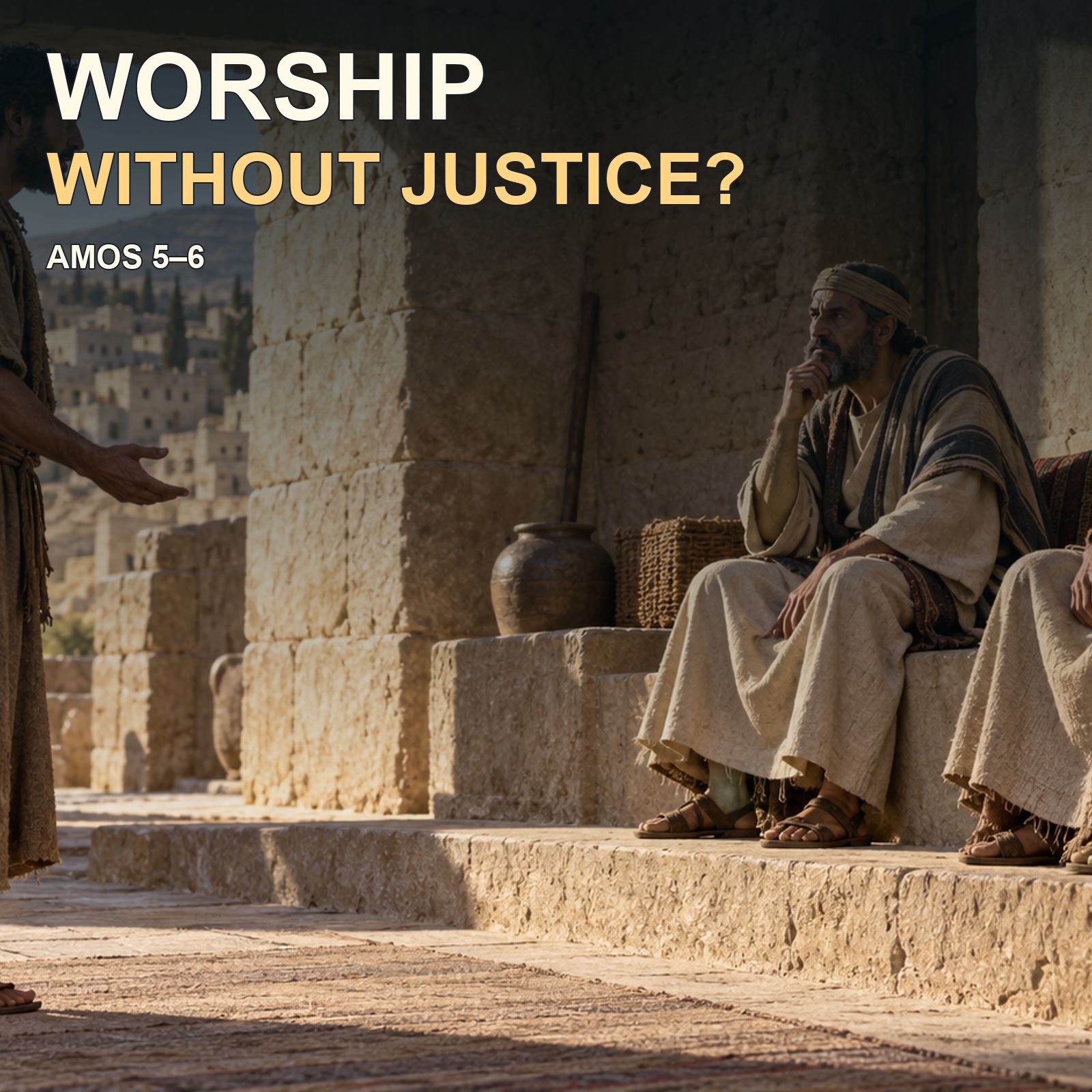
What Does God Hear When Worship Ignores Justice? | Amos 5–6
Nov 23, 2026 · 31m
What does God hear when worship ignores justice? Walk through Amos 5:1–6:14 and explore why the LORD calls His people to seek Him and live—and why religious confidence cannot excuse harm to...
Abraham: A New Name and a Promised Son | Genesis 17
Nov 23, 2026 · 4m
God gives Abram and Sarai new names—and promises a son when they are old. Follow Abraham through the covenant promises of Genesis 17, the blessing of Ishmael, the promise of Isaac, and the household’s...
He Said, Follow Me | Hearing Jesus and Doing His Words
Nov 22, 2026 · 10m
What does calling Jesus Lord ask of our actual lives? The two builders show why hearing his teaching must become a response. We hear Jesus within Israel’s Torah and prophets, consider love of God...
Switched On: What Happens When God Gives His Spirit to a Human Being?
Nov 20, 2026 · 24m
What happens when God gives His Spirit to a human being?In Episode 1 of Switched On, Roger Ferguson traces the Spirit’s work through the Torah. Joseph receives understanding and wisdom. Bezalel and...
What If We’re Wrong? | Faith Without Pretending
Nov 20, 2026 · 8m
Can we admit that our understanding is incomplete while trusting what God has revealed? Paul’s words about knowledge and love offer a way to hold conviction with humility. We examine knowing in...
Take these sermons with you.
Follow Modern Mind, Ancient Book | Bible Study in Jewish Context in the Getsermons app to get every new sermon, build playlists, and pick up right where you left off.

