
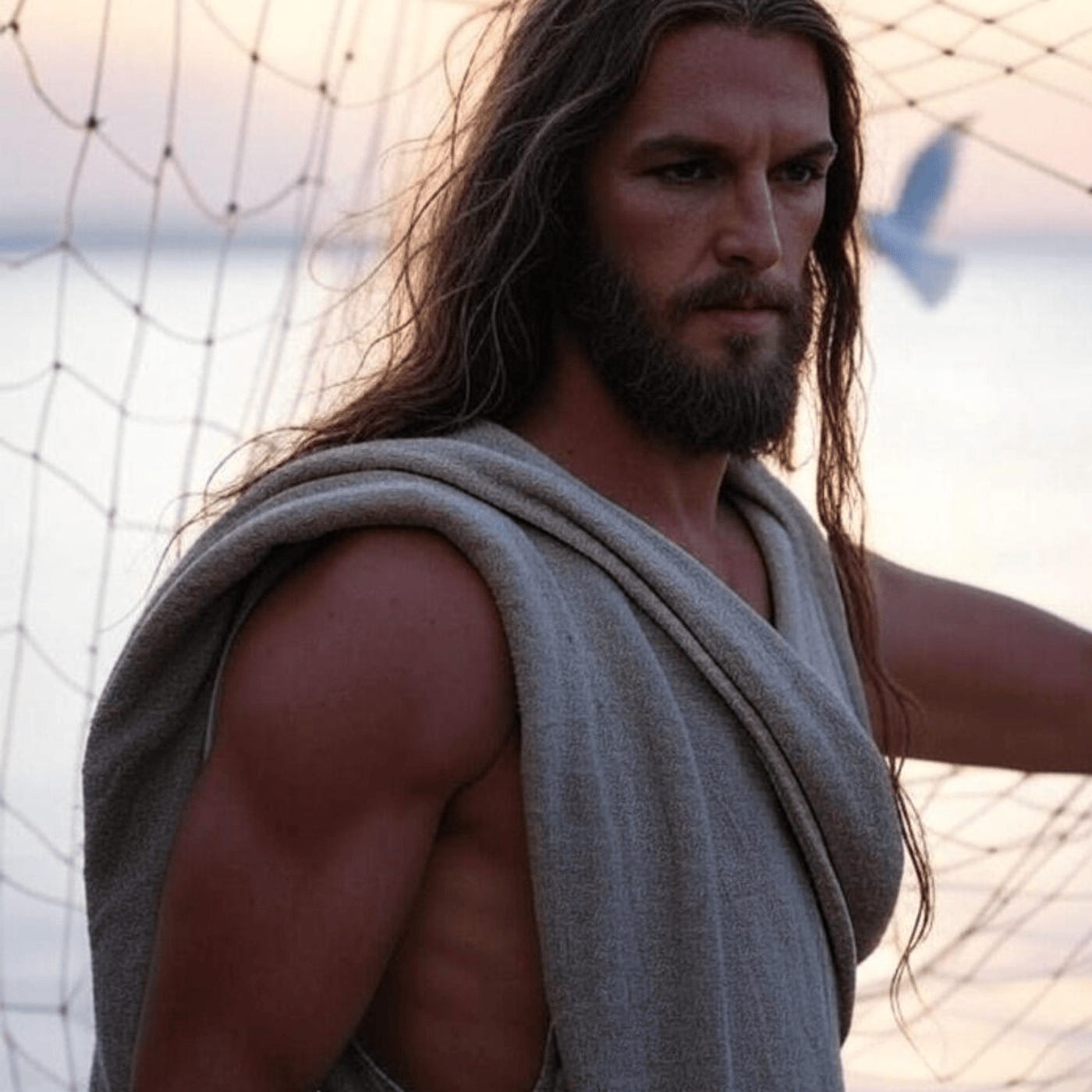
Son of Man: Urantia Project
On Atheism
Jan 16, 2025 · 5m
Prefer sermons downloaded automatically?
About this sermon
On Atheism
Excerpt from “A People’s Manifesto”
Please Share and subscribe to the Son of Man: Urantia Project.
Son of Man: Urantia, is a restatement of the life and teachings of Jesus of Nazareth as presented in the Urantia revelation and in accordance with its urging to do so for today’s generation.
Your support is urgently needed.
Son of Man: Urantia, 2nd ed., (600+ pg.)
BookPDF
Godspeed,
Bob
God, not religion, is central to our future. Because of this the idea of atheism first needs to be clarified and then put aside: it is unsupportable and will eventually have little relevance. The philosophical side of the atheist’s statement of disbelief in God is more correctly put as disbelief in God as presented by the world’s religions and portrayed in the lives of their members. Given the hypocrisy, contradictions, and unmitigated horror associated with the world’s religions what sane person can argue for God’s existence based on religious dogma without in the end simply reverting to one of the many “just because” stories. The religions dominating the planet today, without exception, have not only failed to elevate the dignity, integrity, and welfare of humanity they have done much to reduce us to our present level of depravity—a level so low that it should be unimaginable to even the most barbaric among us instead of being our accepted everyday existence.
But once the true nature of God our father is known and the evolutionary process of material worlds is understood, most people then validate the truth of God’s existence through their own unique experiences interacting with the actual entity of God resident in their mind. Knowing God’s existence is not based on deductive reasoning, but rather on your personal experience with God and only you can validate the truth of that experience: no one else can enter the process even if you so desired that they do so. You, in your heart, must decide the truth or not of God. Knowing God in this way, through actual experience, is true religion as opposed to the social groups of people believing the same way that are now formed around the world’s faiths.
On the pseudo-scientific side arguing for atheism are those people claiming to be both atheists and scientists who base their disbelief in God on their belief that consciousness cannot exist without a physical correlate, in other words, no brain no consciousness hence no soul. Even though science cannot prove that consciousness cannot exist without a brain, they believe that eventually it will. The problems here are that a belief is a philosophical statement of reality, where the scientific method is a process absent of belief and dependent on observation, experimentation, and the commitment to follow the evidence where ever it leads. Regarding whether or not consciousness can exist without a brain, there are innumerable documented cases of near-death experiences by medical doctors showing what does appear to be consciousness after the death of the material brain that supposedly produced it. At this point in humanity’s knowledge the most any true scientist can say on the subject of God’s existence is “I do not know.” From there that scientist then has every right to develop his own personal belief system and internal relationship with God without compromising his scientific integrity or being ostracized by the scientific community.
Both cases above are different than those people who cannot know God. Not everyone is born with a mind capable of making a decision based on truth, beauty, or goodness: this is obvious in today’s world. These people do not receive an entity from God to reside in their minds—they are the people who have committed some of humanity’s most horrific atrocities, and they are viewed by the rest of the celestial host in the universe as animals of that world with no potential for developing an eternal soul. When Jesus was asked by a friend if he would defend himself if attacked, it was this type of person to which Jesus referred when he answered that he would, and…
Bob
This is a public episode. If you'd like to discuss this with other subscribers or get access to bonus episodes, visit robertakezer.substack.com/subscribe
More from Son of Man: Urantia Project
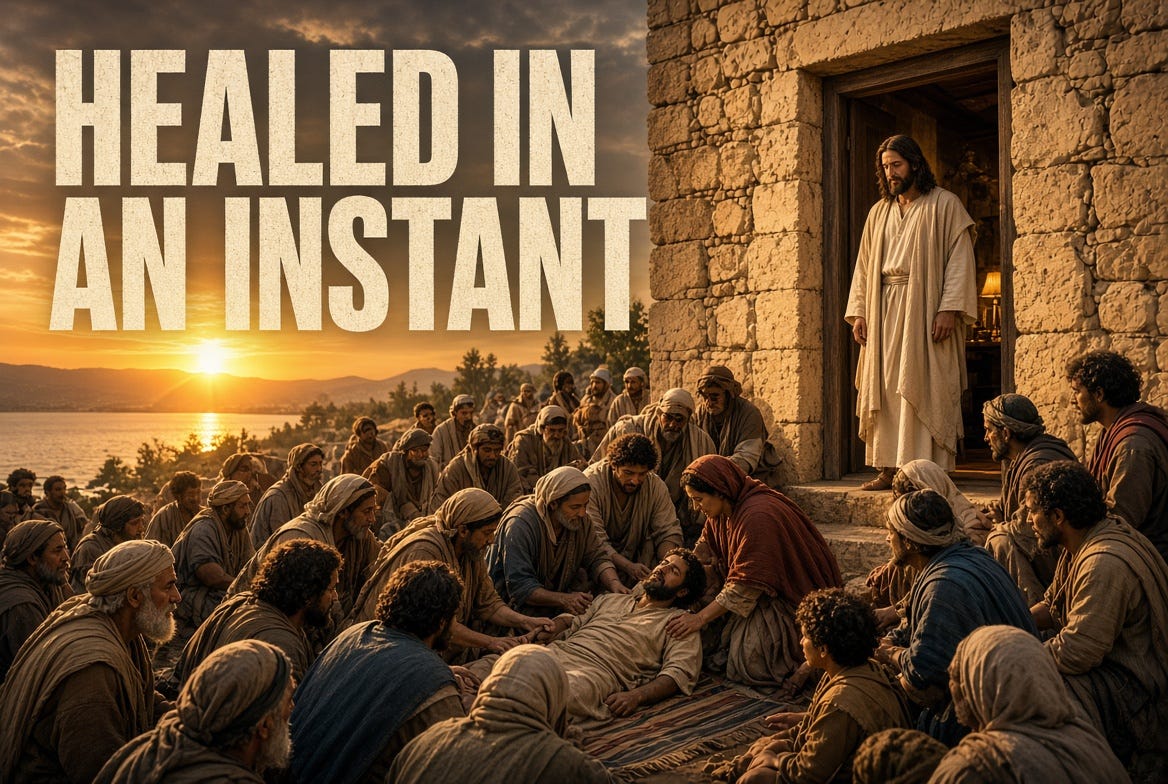
Ch. 24.2, Four Eventful Days at Capernaum
Oct 30, 2026 · 18m
Ch. 24.2 Four Eventful Days at CapernaumAfter sundown in Capernaum, nearly a thousand people gather at Zebedee’s home seeking Jesus. Most are sick or have brought the sick. When Jesus steps outside...
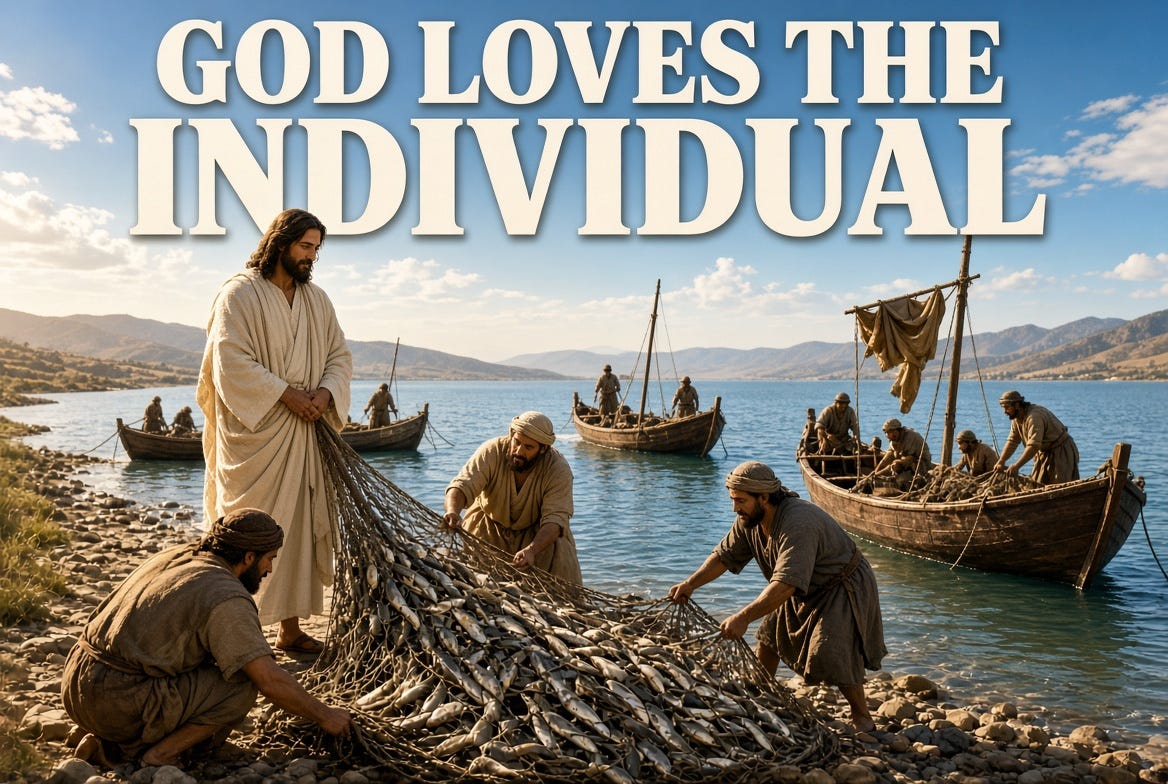
Ch. 24.1, Four Eventful Days at Capernaum
Oct 23, 2026 · 17m
Jesus and the Apostles arrived in Capernaum on Tuesday evening and made Zebedee’s home in Bethsaida their base. News of their return spread quickly. Jesus spent three days preparing the Apostles and...

Introduction to the Son of Man: Urantia Project
Oct 17, 2026 · 5m
This is the introduction to the Son of Man: Urantia Project.Part IV of The Urantia Book is a detailed account of the life and teachings of Jesus of Nazareth. It is not a religion about Jesus. The...
Ch. 23.3, At Gilboa and in the Decapolis
Oct 13, 2026 · 15m
Early October. John’s twelve and Jesus’ Twelve meet at Gilboa. Jesus will not run the conference. He gives three talks—sympathy, tolerance, cooperation—then leaves for two weeks and tells no one...
Ch. 23.2, At Gilboa and in the Decapolis
Oct 10, 2026 · 13m
The Twelve keep pressing on prayer. Jesus answers in eight strokes: faith widens the soul, sonship is a gift not a wage, prayer opens worship, it breaks the monotony, it cools self-attack, it is the...

Ch. 23.1, At Gilboa and in the Decapolis
Oct 5, 2026 · 14m
September on Mount Gilboa, between Samaria and the Decapolis. Public work is too hot: the leaders are hostile, Herod still holds John, and the two disciple camps are scraping. Jesus keeps the Twelve...
Take these sermons with you.
Follow Son of Man: Urantia Project in the Getsermons app to get every new sermon, build playlists, and pick up right where you left off.

