
Take 2 Theology
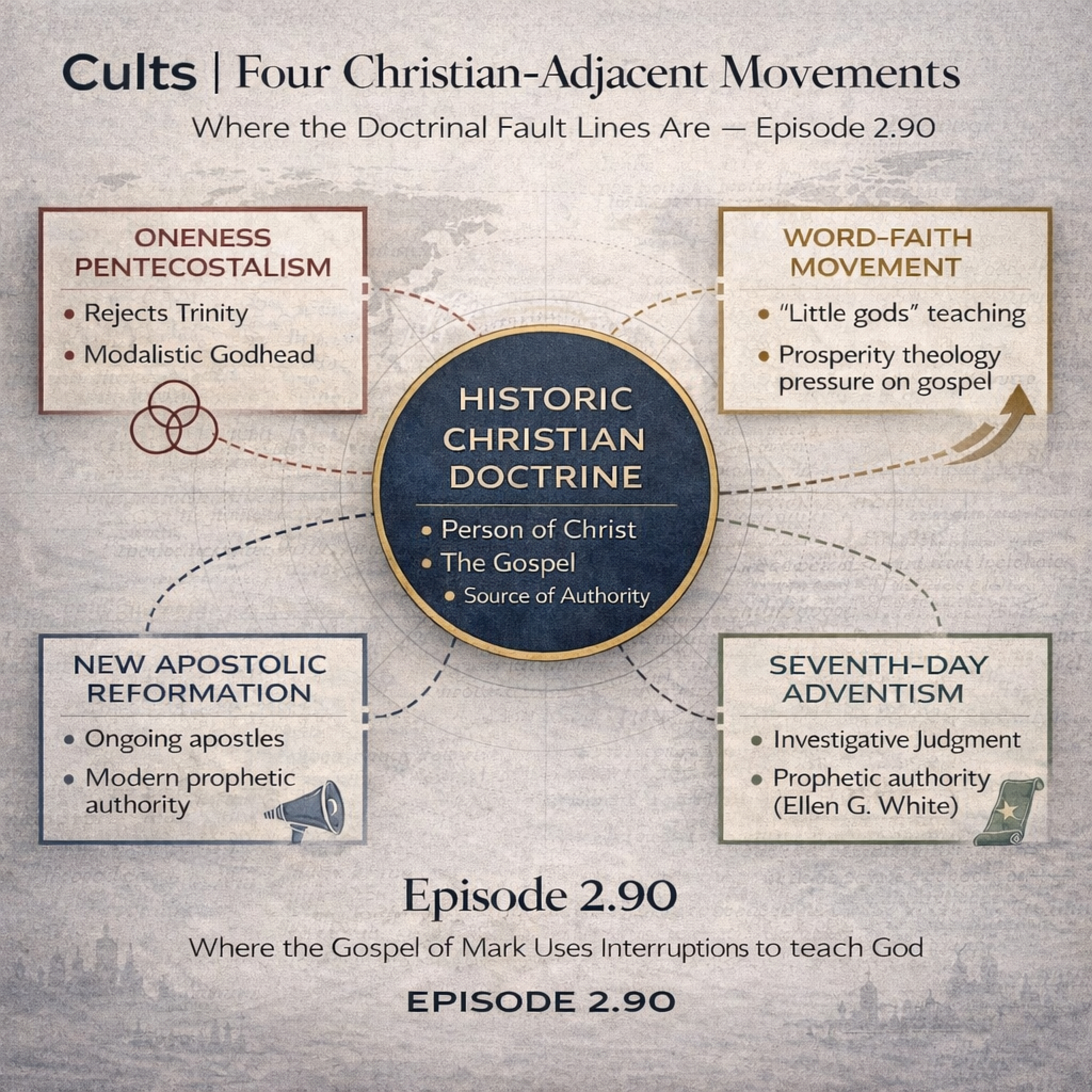
Cults | Four Christian-Adjacent Movements: Where the Doctrinal Fault Lines Are
Mar 12, 2026 · 44m
Prefer sermons downloaded automatically?
About this sermon
Episode 2.90
In this episode, Michael and Zach examine several modern Christian-adjacent movements and ask a clarifying question: Where do the real doctrinal fault lines lie? Rather than treating every movement as equally problematic, the discussion evaluates four key theological pressure points that historically define Christianity—the Trinity, the person of Christ, the gospel, and authority and revelation.
Using those categories, the episode surveys four movements often associated with Christianity: Oneness Pentecostalism, Word-Faith teaching, the New Apostolic Reformation, and Seventh-day Adventism. Each movement is examined according to how it relates to the core doctrines that have historically defined the Christian faith.
Oneness Pentecostalism raises fundamental questions about the Trinity by reviving a modalistic understanding of God. Some streams of Word-Faith theology introduce significant pressure on the doctrine of God and the gospel through “little gods” language and prosperity-centered interpretations of faith. The New Apostolic Reformation generally maintains orthodox Trinitarian theology but introduces concerns around ongoing apostolic authority and modern prophetic revelation. Seventh-day Adventism affirms many historic doctrines but raises questions surrounding prophetic authority and the role of the Investigative Judgment in shaping assurance.
Throughout the conversation, the goal is not to dismiss entire communities or question personal sincerity, but to evaluate theology using the same historical standards the church has long applied. By examining where doctrinal shifts occur—whether in the nature of God, the identity of Christ, the structure of the gospel, or the source of authority—listeners gain a framework for understanding why some differences are secondary while others alter the foundation itself.
The episode closes with a reminder: the presence of biblical language does not guarantee biblical theology. The real question is whether the central doctrines of Christianity remain intact.
Find our videocast here: https://youtu.be/oMjPjeiwrxs
Merch here: https://take-2-podcast.printify.me/
Music from #Uppbeat (free for Creators!):
https://uppbeat.io/t/reakt-music/deep-stone
License code: 2QZOZ2YHZ5UTE7C8
Find more Take 2 Theology content at http://www.take2theology.com
More from Take 2 Theology
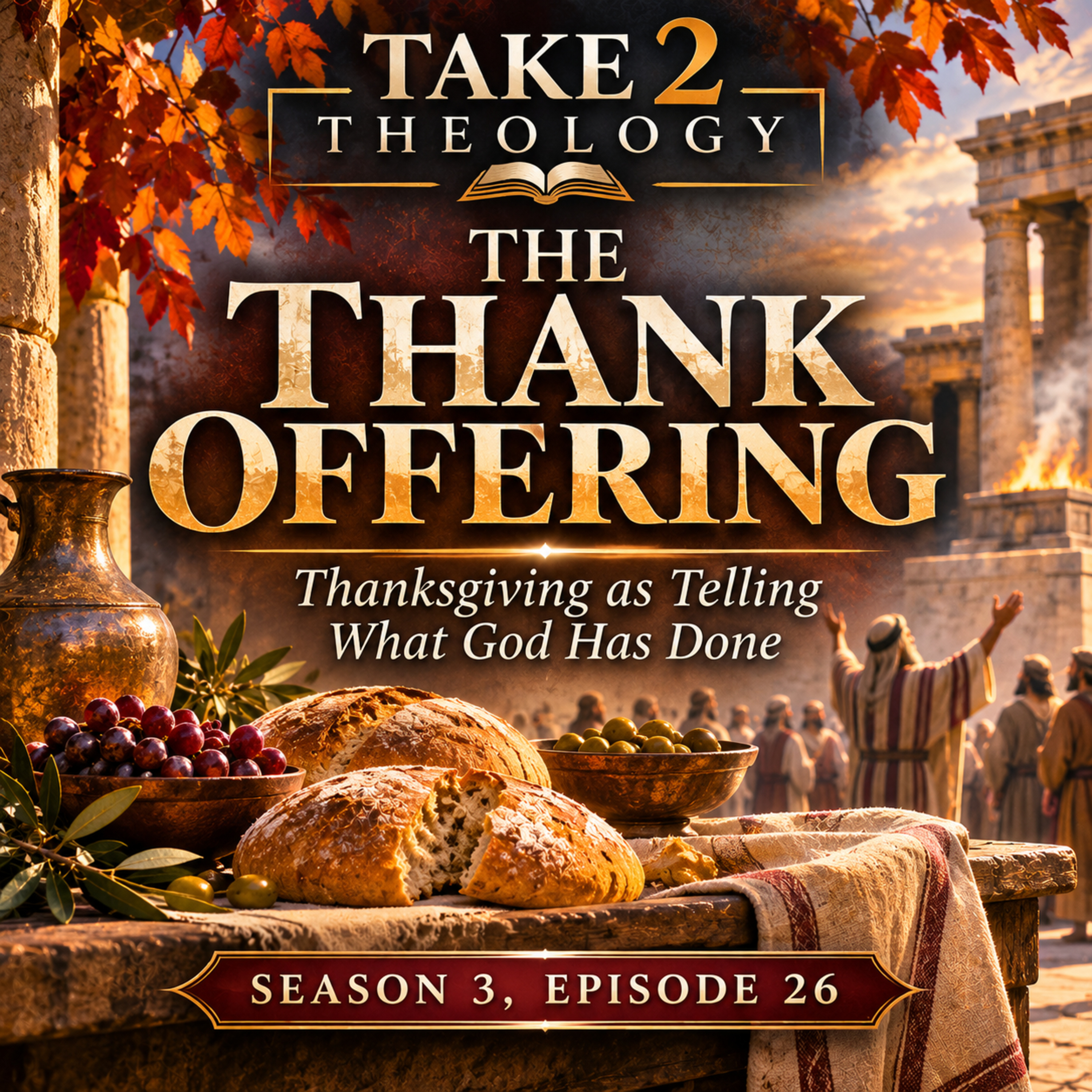
The Thank Offering | Thanksgiving as Telling What God Has Done
Nov 26, 2026 · 31m
Season 3, Episode 26In this Thanksgiving episode, Michael and Zach explore the Old Testament todah—the thank offering—and what it teaches Christians about giving thanks. Beginning in Leviticus 7, they...
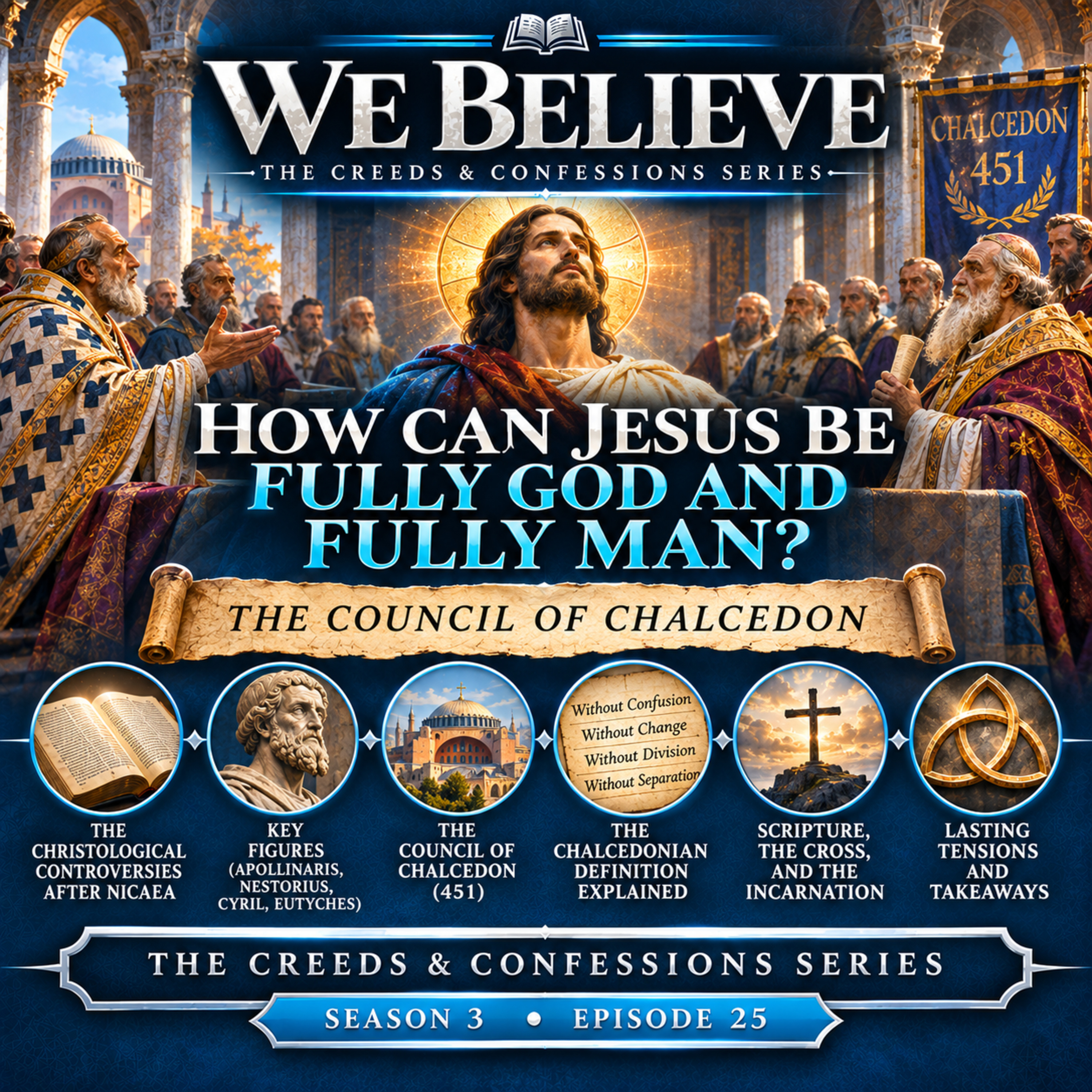
We Believe | How Can Jesus Be Fully God and Fully Man?
Nov 24, 2026 · 37m
Season 3, Episode 25In this episode, Michael and Zach turn to the Council of Chalcedon and one of the hardest questions in Christian theology: how can Jesus Christ be fully God and fully man at the...
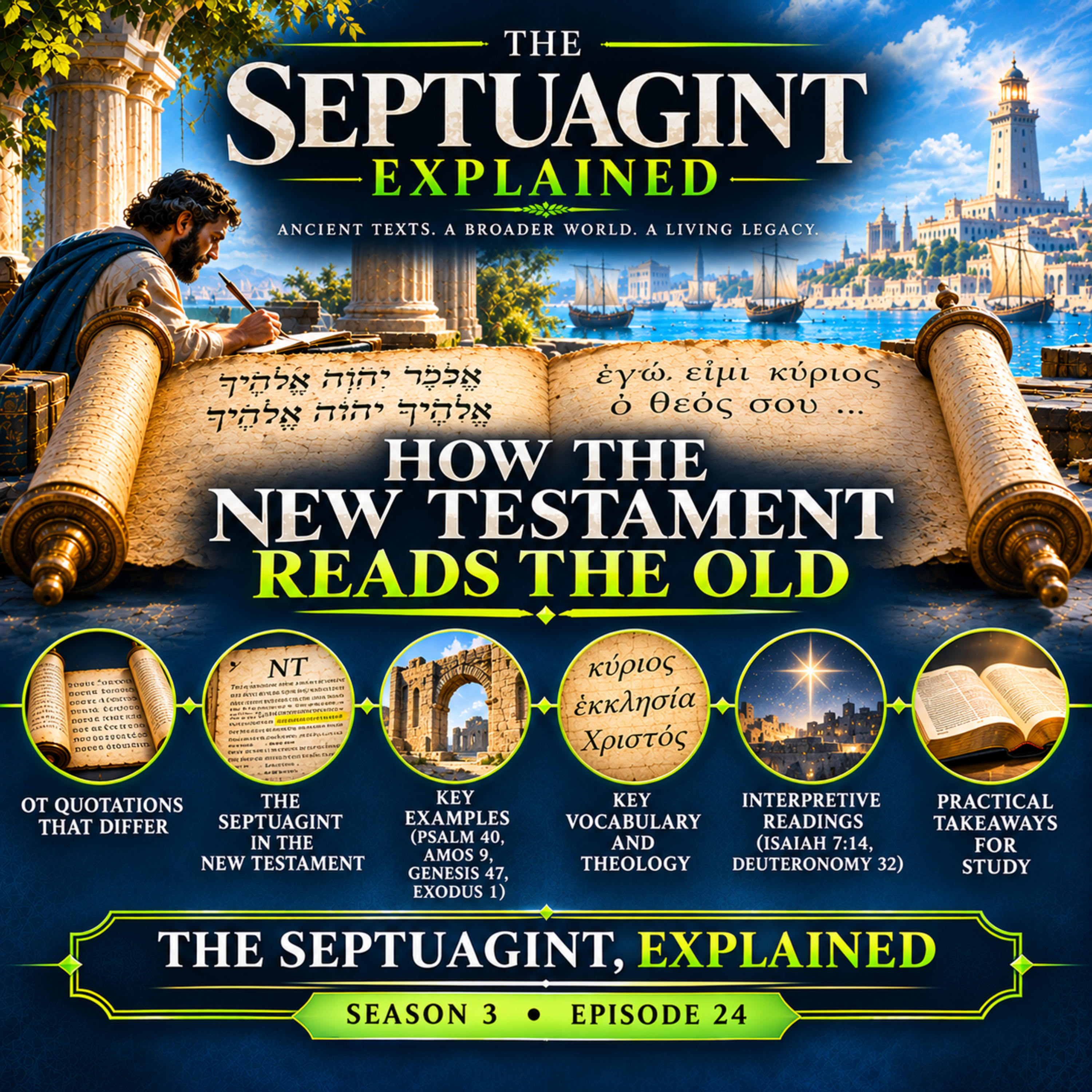
The Septuagint, Explained | How the New Testament Reads the Old
Nov 19, 2026 · 34m
Season 3, Episode 24In this episode, Michael and Zach wrap up their Septuagint series by asking what difference the Greek Old Testament actually makes for reading the New Testament. They begin with...
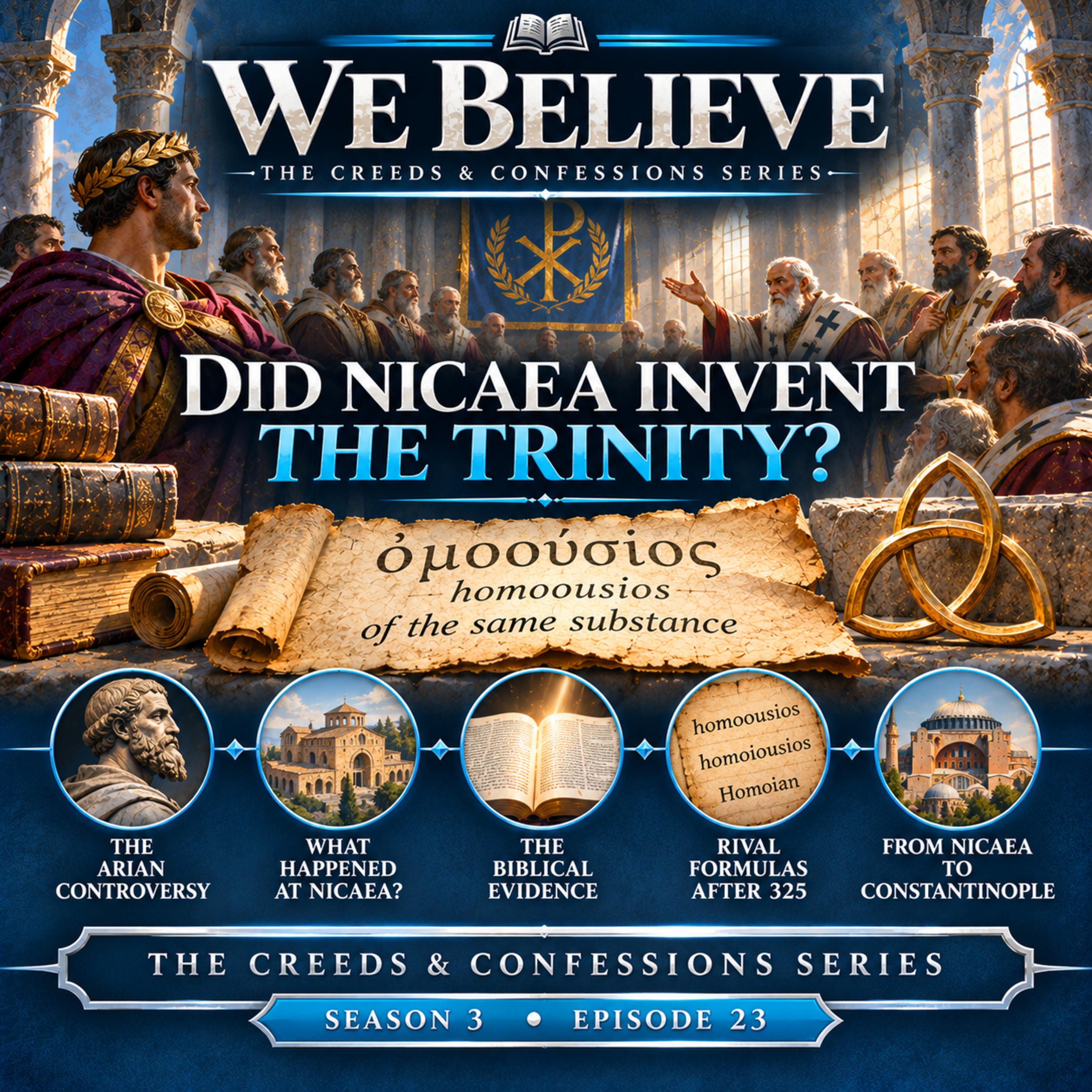
We Believe | Did Nicaea Invent the Trinity?
Nov 17, 2026 · 44m
Season 3, Episode 23In this episode, Michael and Zach take a closer look at the Council of Nicaea and the controversy over the deity of Christ. Did Nicaea invent the doctrine of the Trinity, or did it...
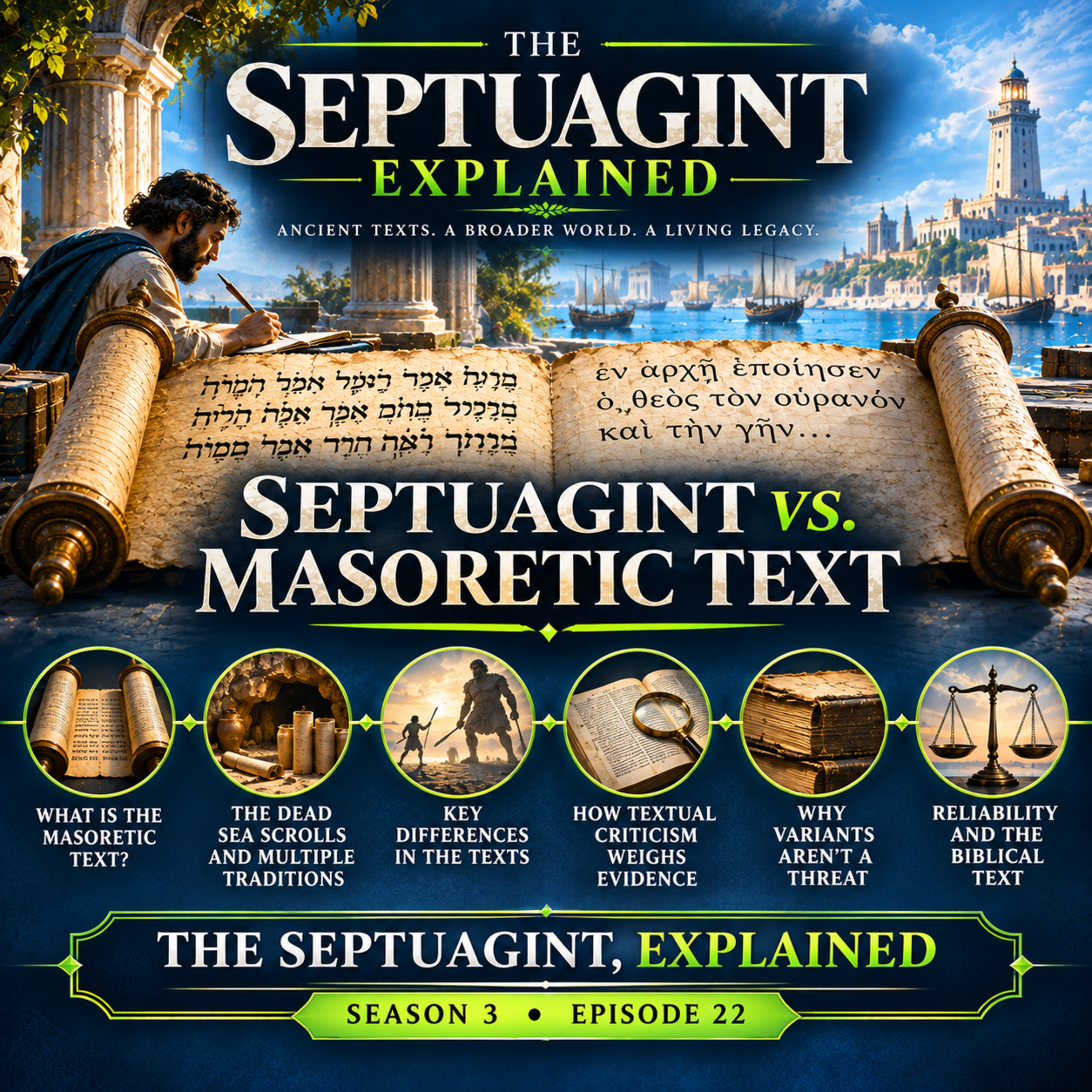
The Septuagint, Explained | Septuagint vs. Masoretic Text
Nov 12, 2026 · 32m
Season 3, Episode 22In this episode, Michael and Zach continue their series on the Septuagint by examining what happens when the ancient Greek Old Testament and the Masoretic Text behind most modern...
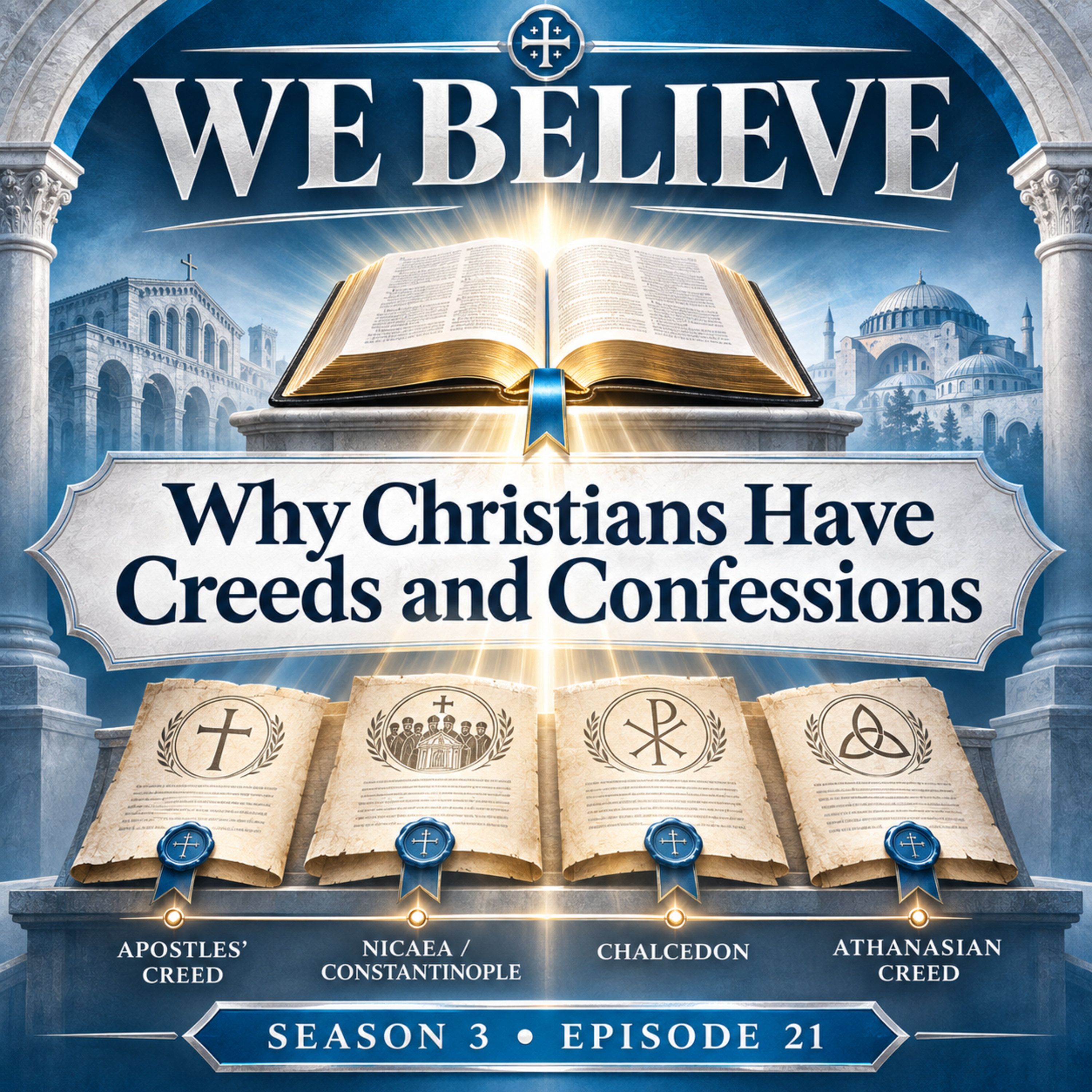
We Believe | Why Christians Have Creeds and Confessions
Nov 10, 2026 · 45m
Season 3, Episode 21In this episode, Michael and Zach begin a new series exploring the creeds and confessions that have shaped Christian theology. If Christians already have the Bible, why write...
Take these sermons with you.
Follow Take 2 Theology in the Getsermons app to get every new sermon, build playlists, and pick up right where you left off.

