
Take 2 Theology
Jonah: The Prophet Who Doesn’t Belong
Mar 17, 2026 · 42m
Prefer sermons downloaded automatically?
About this sermon
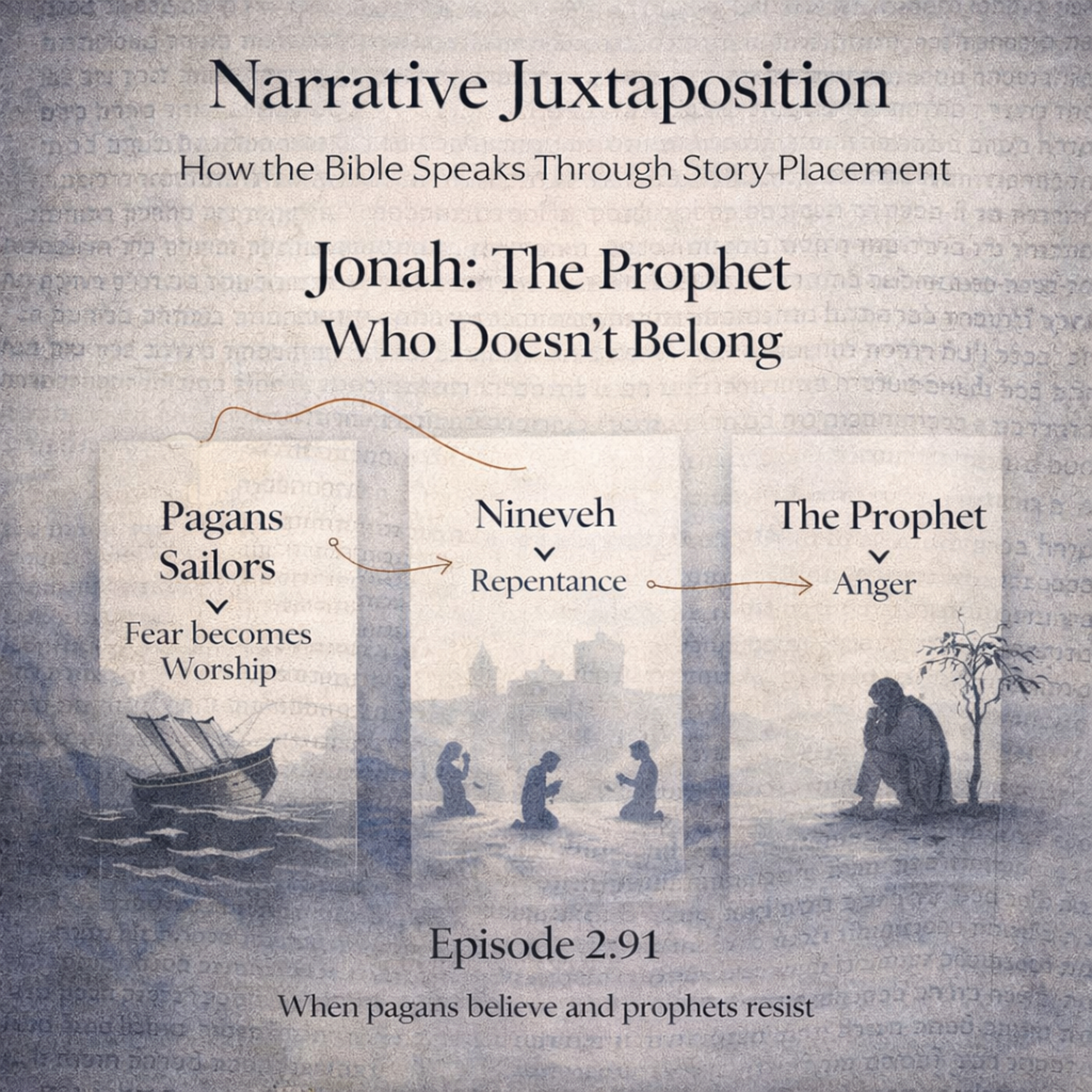
Episode 2.91
Narrative Juxtaposition: How the Bible Speaks Through Story Placement | Part 3
In this episode of the Narrative Juxtaposition series, Michael and Zach explore one of the most unusual books in the prophetic collection: Jonah. Unlike the surrounding prophets filled with poetic oracles and covenant warnings, Jonah reads like a narrative filled with irony, humor, and uncomfortable reversals. The question quickly emerges: why is this story placed among the prophetic books at all?
The episode argues that Jonah’s placement is intentional. Rather than delivering extended prophetic speeches, the book exposes the heart of the prophet himself. The story unfolds as a series of moral reversals in which the pagan characters repeatedly respond to God more faithfully than the prophet who knows Him best.
The pagan sailors in chapter one move from fear to reverence, praying to the Lord and offering sacrifices. The city of Nineveh responds to Jonah’s brief warning with immediate repentance. Meanwhile Jonah resists God’s call, avoids prayer, and ultimately becomes angry when God shows mercy.
Through these narrative contrasts, the book critiques religious pride, exposes the danger of nationalistic theology, and reminds readers that God’s compassion extends far beyond the boundaries His people might prefer. Jonah understands God’s character—gracious, compassionate, and slow to anger—but he resents the implications of that mercy when it reaches Israel’s enemies.
By placing Jonah among the prophets, the Old Testament provides a powerful internal critique of prophetic pride and spiritual entitlement. Before Israel hears judgment against the nations, the story forces God’s people to confront their own resistance to the global scope of God’s mercy.
The episode concludes by tracing the larger biblical trajectory. Jesus later identifies Himself as greater than Jonah, embodying the opposite posture: running toward sinners, embracing suffering, and rejoicing in repentance. The story ultimately challenges readers to ask whether their theology fuels compassion and mission—or quietly resists the wideness of God’s mercy.
Find our videocast here: https://youtu.be/9dcsWOwGRC0
Merch here: https://take-2-podcast.printify.me/
Music from #Uppbeat (free for Creators!):
https://uppbeat.io/t/reakt-music/deep-stone
License code: 2QZOZ2YHZ5UTE7C8
Find more Take 2 Theology content at http://www.take2theology.com
More from Take 2 Theology
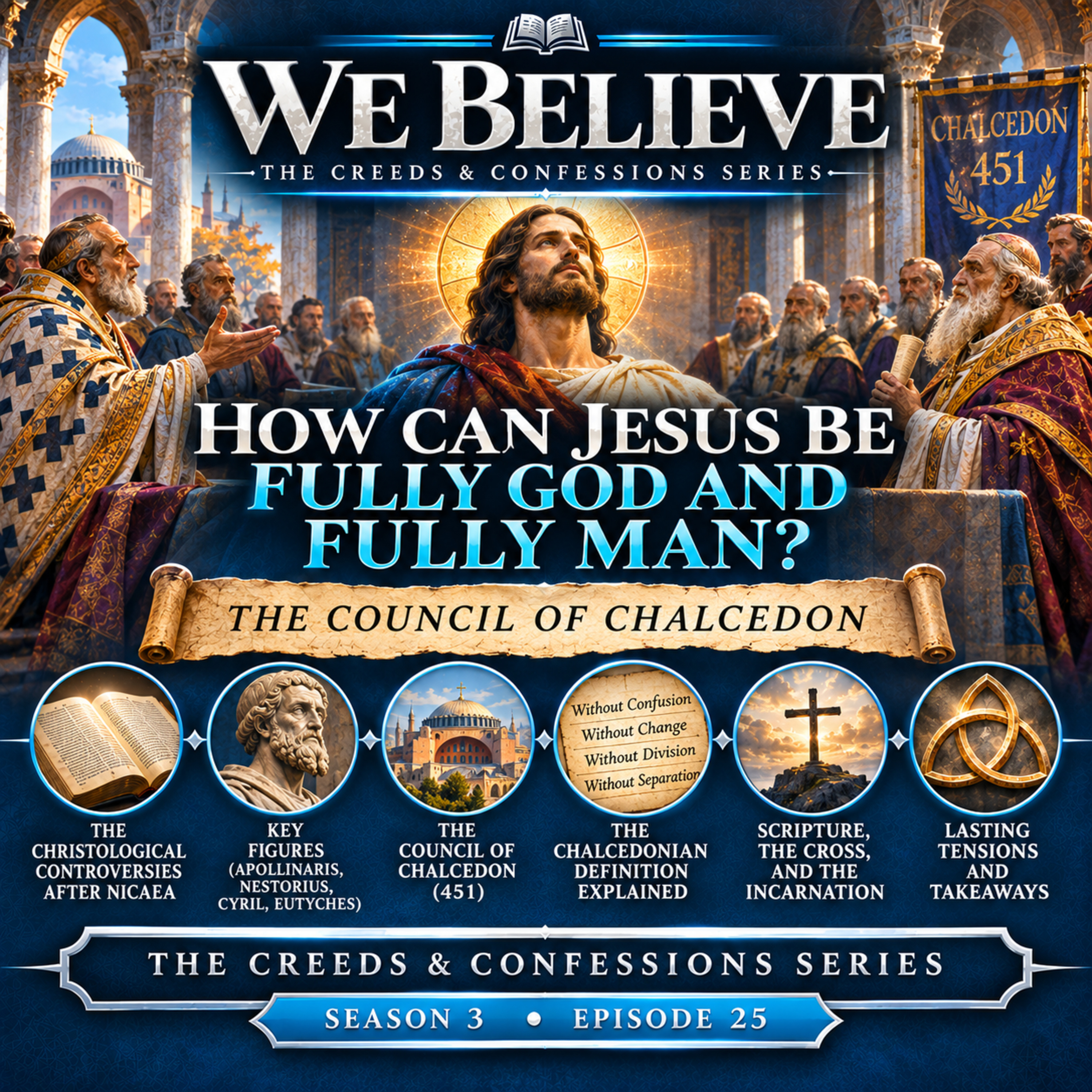
We Believe | How Can Jesus Be Fully God and Fully Man?
Nov 24, 2026 · 37m
Season 3, Episode 25In this episode, Michael and Zach turn to the Council of Chalcedon and one of the hardest questions in Christian theology: how can Jesus Christ be fully God and fully man at the...
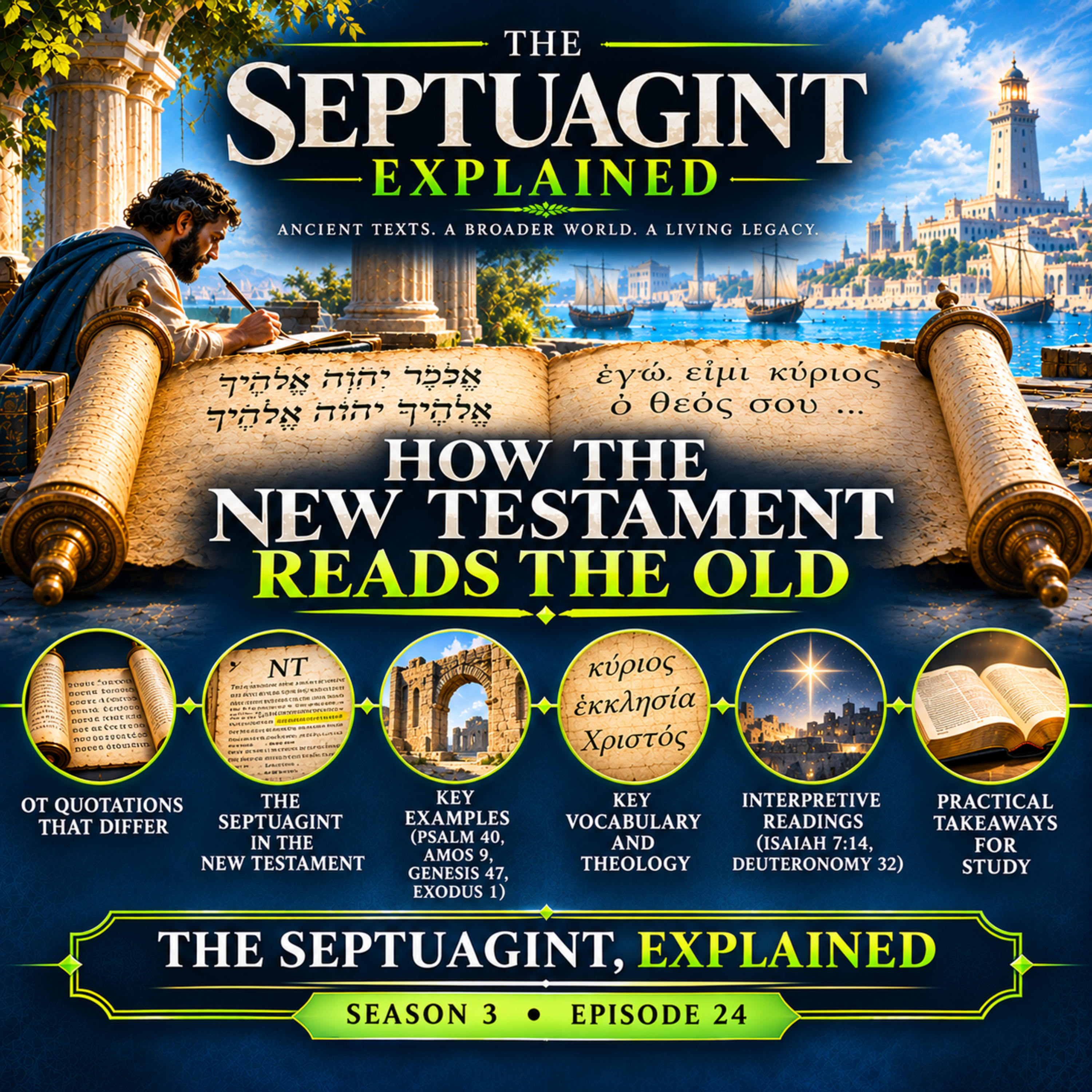
The Septuagint, Explained | How the New Testament Reads the Old
Nov 19, 2026 · 34m
Season 3, Episode 24In this episode, Michael and Zach wrap up their Septuagint series by asking what difference the Greek Old Testament actually makes for reading the New Testament. They begin with...
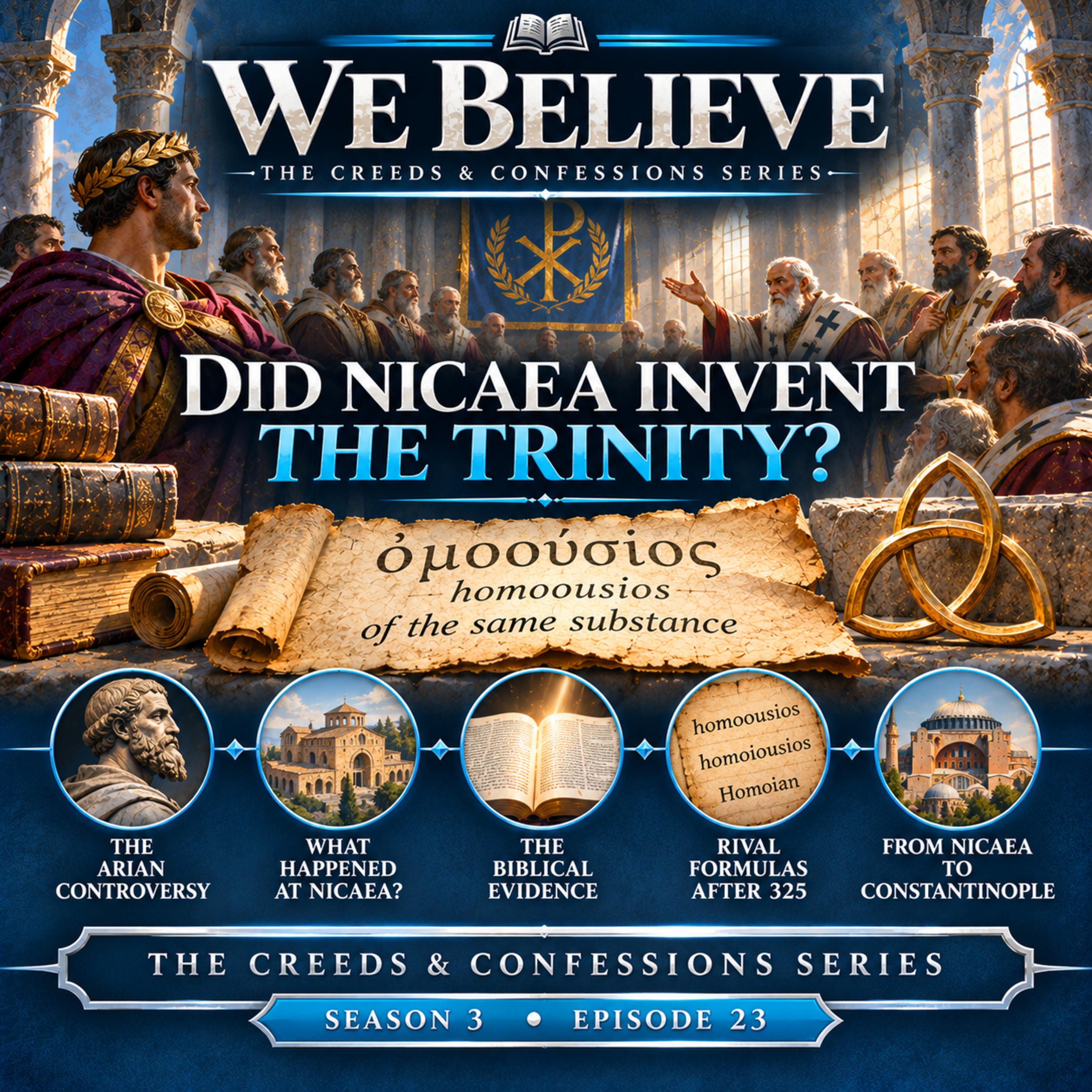
We Believe | Did Nicaea Invent the Trinity?
Nov 17, 2026 · 44m
Season 3, Episode 23In this episode, Michael and Zach take a closer look at the Council of Nicaea and the controversy over the deity of Christ. Did Nicaea invent the doctrine of the Trinity, or did it...
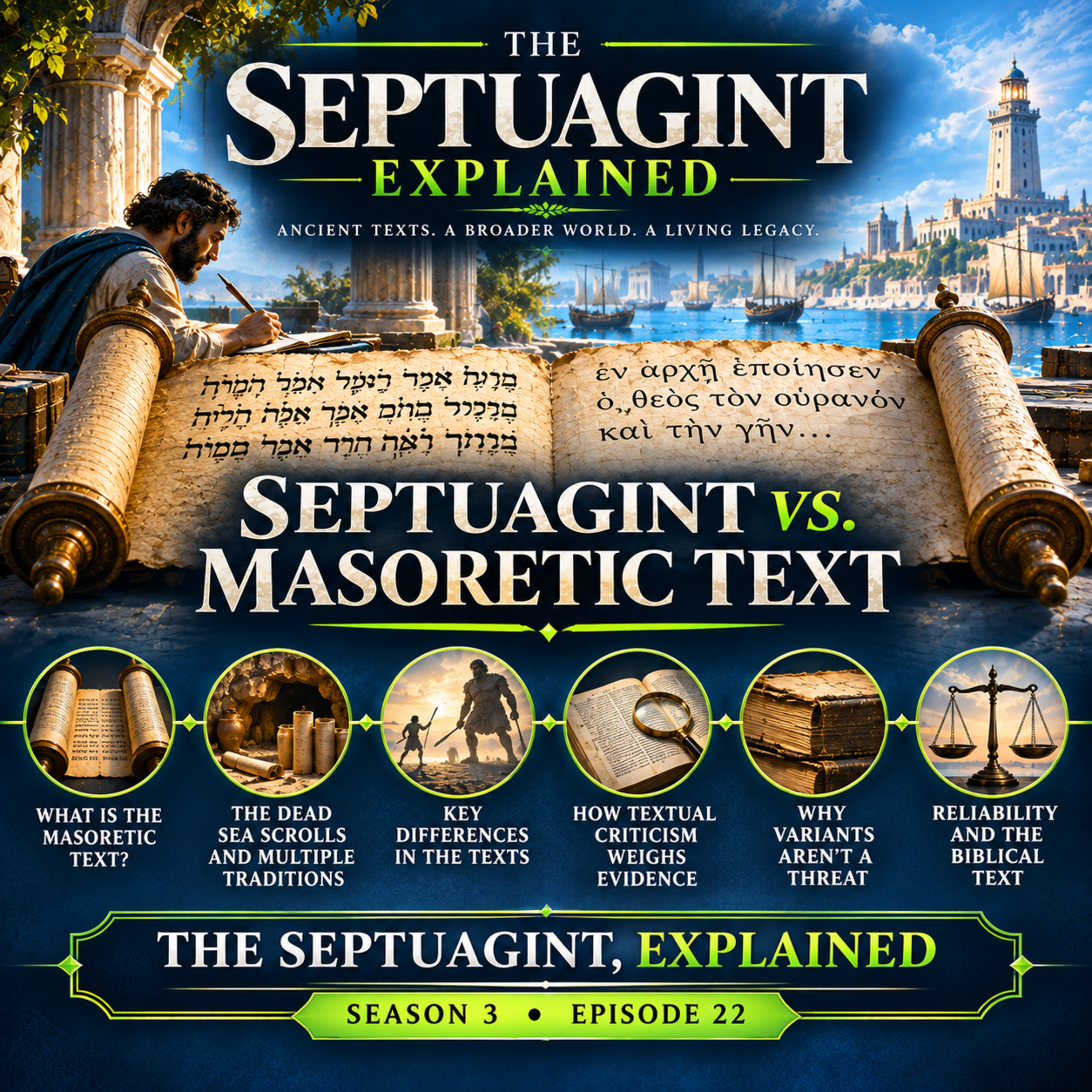
The Septuagint, Explained | Septuagint vs. Masoretic Text
Nov 12, 2026 · 32m
Season 3, Episode 22In this episode, Michael and Zach continue their series on the Septuagint by examining what happens when the ancient Greek Old Testament and the Masoretic Text behind most modern...
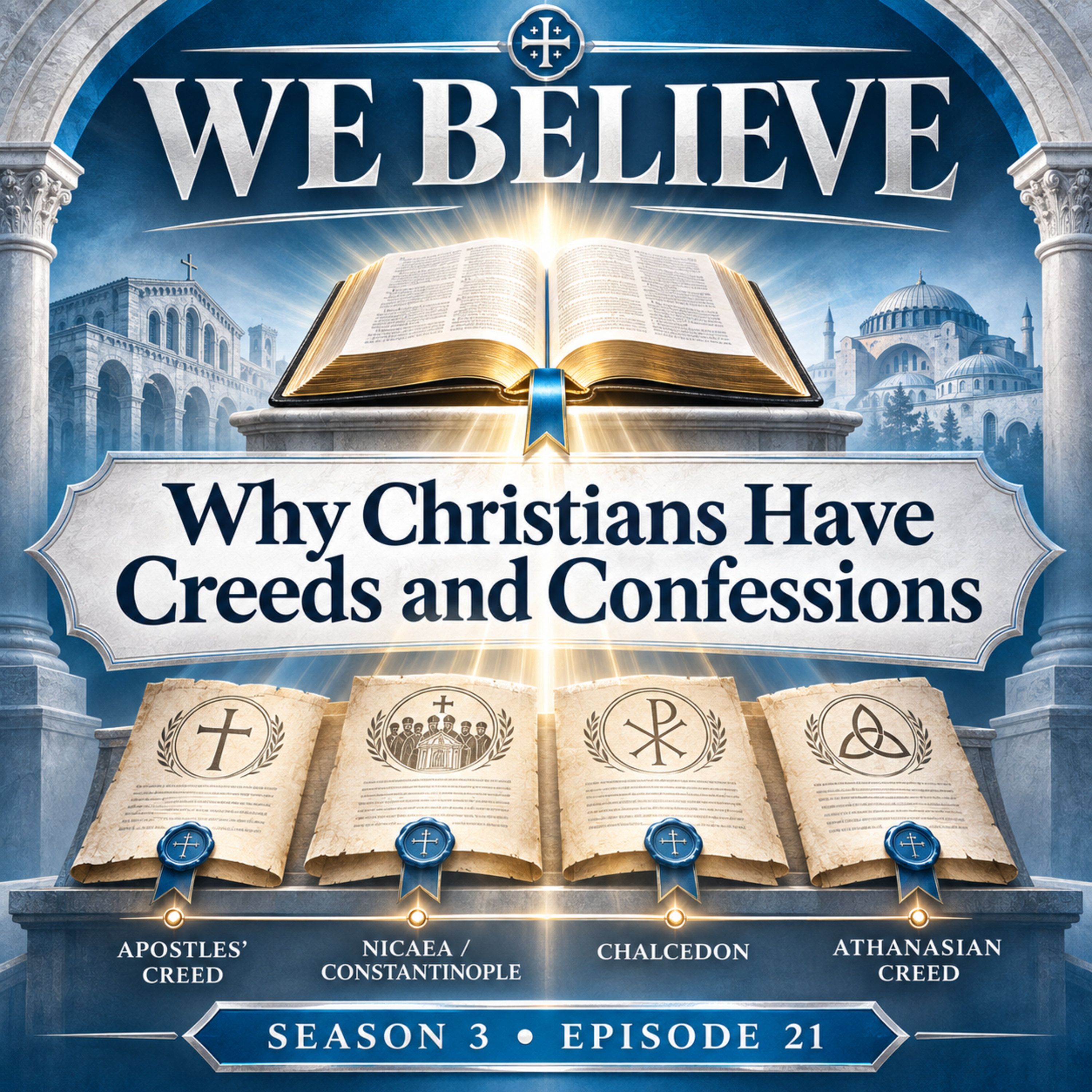
We Believe | Why Christians Have Creeds and Confessions
Nov 10, 2026 · 45m
Season 3, Episode 21In this episode, Michael and Zach begin a new series exploring the creeds and confessions that have shaped Christian theology. If Christians already have the Bible, why write...
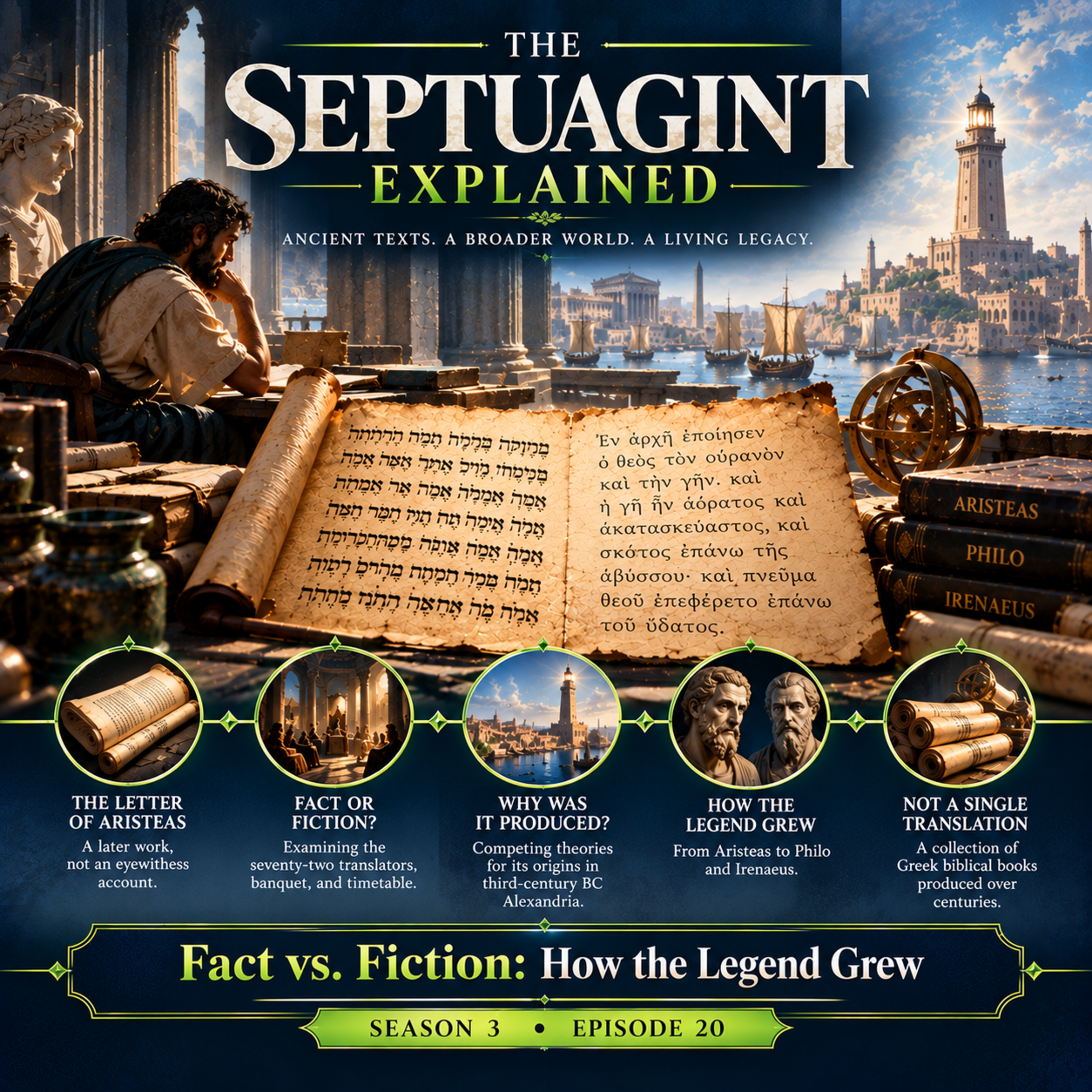
The Septuagint, Explained | Fact vs. Fiction: How the Legend Grew
Nov 5, 2026 · 25m
Season 3, Episode 18In this episode, Michael and Zach continue their series on the Septuagint by asking how much of the famous origin story is history—and how much is legend. They begin with the...
Take these sermons with you.
Follow Take 2 Theology in the Getsermons app to get every new sermon, build playlists, and pick up right where you left off.

