
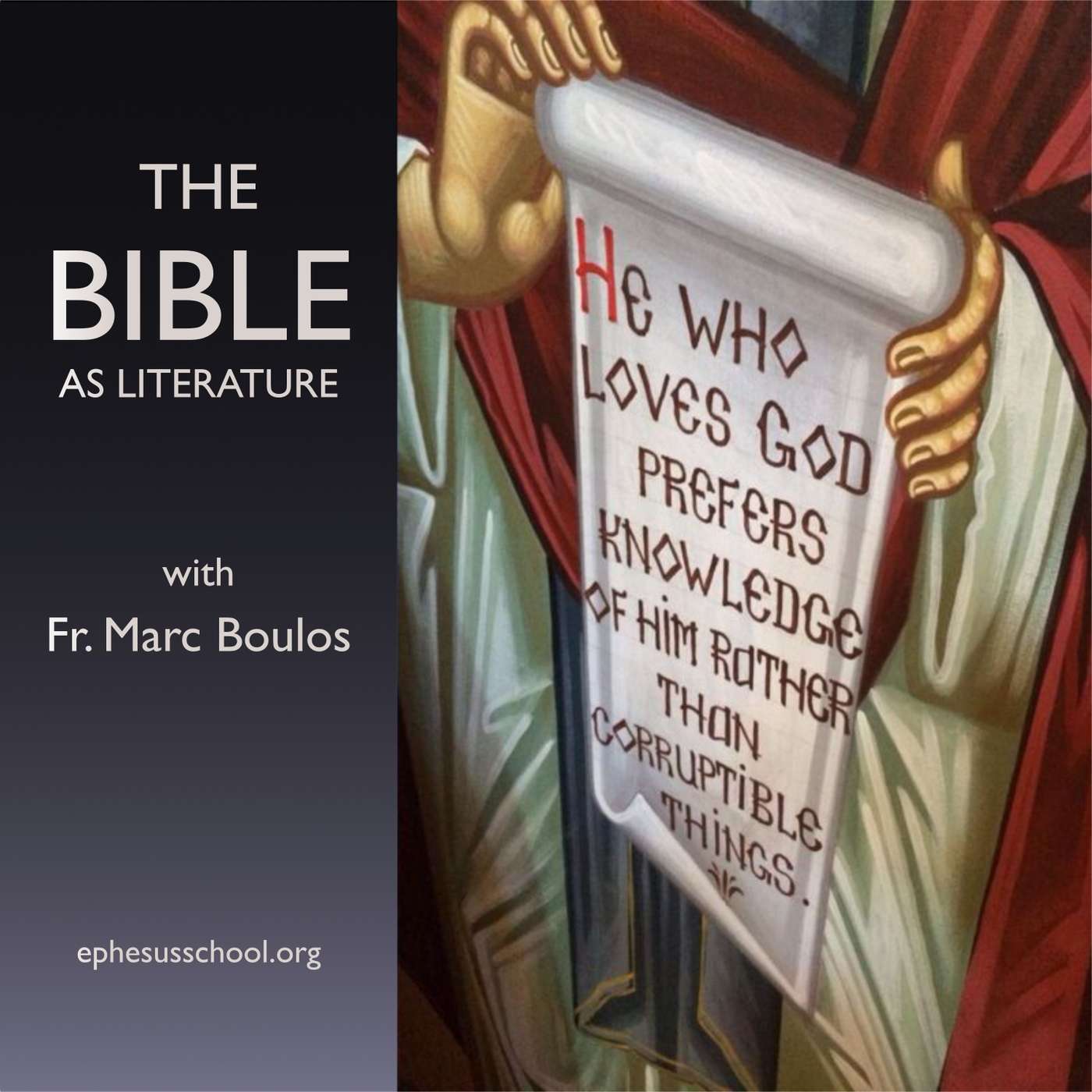
The Bible as Literature
God is the Light
Jan 30, 2025 · 36m
Prefer sermons downloaded automatically?
About this sermon
Evil always dresses in a garment of light. It hides in plain sight. It smiles. It’s friendly. It’s comforting. It’s dishonest. It appears as something it’s not.
Take, for example, that seemingly innocuous campfire song all your children have been taught to sing at your silly church camps: “This Little Light of Mine.” Like a mother who possesses children; like a tribe that possesses land; like those who refuse to let go of what God destroys—or worse, those who wickedly imagine they can compensate for God’s will by loving their neighbor—like a spoiled child clamoring for a toy.
Yes, this little hymn of the Antichrist twists the teaching of the Gospel of Luke into a fascist anthem that leads, at worst, to genocide—and at best, to a mind-numbing theology of the cult of self: the worship of money, human reason, community, and ultimately, state power.
“This little light of mine?”
Are you kidding me? Do you really think the place men dared not tread is now yours to share? Do you know what you’re talking about? Do you really believe the light upon which Moses dared not gaze is yours to adorn with coverings, like a pet?
Think. No—do not think. Hear.
To what did Luke refer in chapter 8 when he said lampstand? Container? Cover? What do any of these things have to do with you and your church camps?
He who has ears to hear, let him hear.
This week, I discuss Luke 8:16.
Show Notes
ἅπτω / נ-ג-ע (nun-gimel-ʿayin) / ن-ج-ع (nūn-jīm-ʿayn)
Greek: to set on fire. Hebrew: to touch, strike violently, reach, or afflict. The Arabic cognate نَجَعٌ (najaʿ) refers to 1. the effect of the action, 2. being effective, or 3. having an impact or benefit—for example, a statement or teaching; in modern usage, a medicine. In a nomadic context, it signifies the departure or migration of people or animals in search of pasture or sustenance.
λύχνος / נ-ר (nun-resh) / ن-و-ر (nūn-wāw-rāʾ)
Light, lamp. The Arabic cognate نُور (nūr) functions as “light” or “illumination.”
καλύπτω / כ-ס-ה (kaf-samek-he) / ك-س-ى (kāf-sīn-yāʾ)
Cover, conceal, clothe, drape, forgive. The Arabic verb كَسَا (kasā) means “to clothe” or “to cover.” Its triliteral root is ك-س-و (kāf-sīn-wāw). كسوة الكعبة (kiswat al-ka'bah) denotes the cloth that covers the Kaaba in Mecca.
σκεῦος / כ-ל-י (kaf-lamed-yod) / ك-ي-ل (kāf-yāʾ-lām)
Vessel, implement, tool. The Arabic word كيل (kayl) refers to a measure of grain. It denotes measuring, weighing, or apportioning something in quantities. The root is also related to the Hebrew function כול (kul), which can function as comprehending, containing, or measuring. In Arabic كُلّ (kulu) indicates all.
κλίνη / מ-ט-ה (mem-ṭet-he) / م-ط-ط (mīm-ṭāʾ-ṭāʾ)
Couch, bed, to incline, stretch downward, extend. The Arabic مَطَّ (maṭṭa) "to stretch" or "extend" shares a common Proto-Semitic root (m-ṭ-) with Hebrew:
Hebrew מ-ט-ה (m-ṭ-h);Arabic م-ط-ط (m-ṭ-ṭ); Aramaic מטא (mṭʾ); Akkadian (maṭû)
λυχνία / מ-נ-ר (mem-nun-resh) / ن-و-ر (nūn-wāw-rāʾ)
Lampstand, light, menorah. The Arabic cognate of מְנוֹרָה (menorah) is منارة (manārah), which means candlestick, lighthouse, or minaret (the tower of a mosque), the lighthouse from which the call to hear scripture is announced to all. The triliteral root in Arabic pertains to light, illumination, or shining.
اللَّهُ نُورُ السَّمَاوَاتِ وَالْأَرْضِ
(allāhu nūru as-samāwāti wa-al-arḍi)
”"God is the light of the heavens and the earth.”
(Surah An-Nur 24:35)
★ Support this podcast on Patreon ★
More from The Bible as Literature
The Same Skeleton: Hebrew and Arabic as One Grammar, with Blaise Webster
Nov 28, 2026 · 55m
Are Hebrew and Arabic two languages, or one Semitic tongue with the same skeleton? Fr. Marc Boulos talks with Blaise Webster about Ibn Janāḥ's Kitāb al-Uṣūl, the Book of Roots, now in English, and...
Reference and Function: Semitic Roots and Chinese Characters
Nov 15, 2026 · 27m
Do Chinese characters work the way Semitic roots do? Fr. Marc Boulos talks with Matthew Franklin Cooper about his comparative lexicography of Chinese, Hebrew and Arabic, and about how the Bible...
The Tenth Belongs to God
Nov 11, 2026 · 51m
Deliverance is not for sale.Balak sent the elders of Moab and Midian to Balaam with the fee for divination in their hands. Pharaoh's magicians asked about their reward before they threw down their...
The Illusion of Choice
Oct 25, 2026 · 36m
This week the Bible as Literature podcast steps outside its usual format. Fr. Marc Boulos sits down with two parishioners of St. Elizabeth: Bethany Saros, former parish council president, and Carter...
Crossing into Judgment
Oct 8, 2026 · 58m
Fr. Marc Boulos presents "Crossing into Judgment: The ʿIbri, the ʿArabah, and the Philological Manufacture of an Ethnos" at the 2026 OCABS Symposium, held October 2–3, 2026, at St. Elizabeth...
The Scriptural Canon
Oct 6, 2026 · 1h 35m
Fr. Paul Nadim Tarazi's final public presentation, "The Scriptural Canon," delivered as the keynote address at the 2026 OCABS Symposium, held Saturday, October 3, 2026, at St. Elizabeth Orthodox...
Take these sermons with you.
Follow The Bible as Literature in the Getsermons app to get every new sermon, build playlists, and pick up right where you left off.

