

The Eternal Love Story Podcast
Day 20 is Live
May 9, 2026 · 24m
Prefer sermons downloaded automatically?
About this sermon
A quick note before we begin Day 20.
Due to a numbering error in the book, today’s chapter has been corrected and is included in full right here in this post. Please read it here before moving on to the study guide.
If you have a digital or Kindle copy of the book, the corrected version has already been updated and is available to you now. If you purchased a physical copy, the text below is your updated chapter for today. I apologize for any confusion this may have caused.
Read today’s chapter below, then work through the study guide questions at the link below or respond on Substack.
New Day 20
A man spends forty years working the same job. He was never mistreated. He was paid every dollar he earned, on time, without complaint. On his last day, his employer shakes his hand and hands him his final check. It is fair. It is honest. It is exactly what the work produced. And standing in the parking lot, he realizes this is all the job ever had to give him. Every hour invested, every sacrifice made, every late night, came back to him in wages. Nothing more, nothing less.
A few miles away, another man receives a phone call. A lawyer’s voice tells him that someone who loved him deeply has died and left him everything in his estate. He sits in silence, trying to comprehend that he is now the heir of something he could never have purchased with any amount of work.
These two pictures capture the contrast at the heart of Romans 6:19-23. Over the last several days we have been learning what it means to have a new Master. We have seen that grace doesn’t give license to sin but changes who owns us, and that you were transferred from sin’s household to Christ’s through the gospel. Today Paul asks you to examine what each master actually produces, what each master ultimately pays, and why the contrast settles the question of which master is worth serving.
Point One: Present Yourself Deliberately to Righteousness
Paul opens these verses with a pastoral admission. He knows that this “slave” language is imperfect and limited. Let’s see how he introduces it in Romans 6:19: “I am using an example from everyday life because of your human limitations. Just as you used to offer yourselves as slaves to impurity and to ever-increasing wickedness, so now offer yourselves as slaves to righteousness leading to holiness.” (NIV)
Notice the word “offer.” This is not passive drifting. Paul is calling you to something deliberate. Just as, before you knew Christ, you actively gave yourself over to sin, you are now to actively give yourself over to righteousness. The same energy. The same wholehearted surrender. Only now, directed toward your new Master.
Some believers treat holiness as though it materializes automatically. They have received Christ, they know they have a new master, and they wait for transformation to arrive. But Paul says, “offer yourselves.” In Romans 12:1 Paul urges believers to “offer your bodies as a living sacrifice” to God. Holiness requires deliberate, daily presentation of yourself to Christ. You do not drift into Christlikeness, you offer yourself to Jesus.
Think of a musician. The gift may be genuine and the talent real, but the musician who never deliberately sits at the instrument, never offers the hours of practice, will never become what the gift makes possible. God has given you a new nature. The Spirit lives in you. But you must offer yourself, place what you have been given into the hands of your Master, and say, “I am yours today.” And notice where this offering leads: “righteousness leading to holiness.” Holiness is the destination. Righteousness is the road.
Point Two: Look Honestly at What Sin Once Produced
Paul now turns backward and asks a penetrating question about the old life. We see this in Romans 6:20-21: “When you were slaves to sin, you were free from the control of righteousness. What benefit did you reap at that time from the things you are now ashamed of? Those things result in death!” (NIV)
What did sin actually give you? What did those patterns, those years, those choices, actually produce? Paul expects an answer. The answer is shame.
Notice the phrase “the things you are now ashamed of.” Paul is pointing to things his readers can still feel. There are chapters of a life that, when remembered, make you look away. Relationships damaged. Words that cannot be unspoken. Years spent chasing what promised to satisfy, only to leave you emptier than before. Proverbs 14:12 says it plainly: “There is a way that appears to be right, but in the end it leads to death.” (NIV) Sin does not announce its destination. It advertises the pleasure and hides the bill.
The prodigal son in Luke 15 is a picture of exactly this. He demanded his inheritance, left home, and spent everything. Standing in a pigpen, longing to eat what the pigs were eating, he finally looked back over the journey and calculated what the far country had actually given him: hunger, loneliness, shame, and rags. That is what sin pays. It extracts the fullest price and delivers the least possible return. But Paul is not asking this question to condemn. He is asking it to clarify. When you can see what sin truly produces, the appeal of returning to it loses its color. The offer loses its shine. You have seen where that road ends.
Point Three: The New Master Produces a Harvest Worth Having
Paul’s contrast could not be sharper. Look at what he says in Romans 6:22: “But now that you have been set free from sin and have become slaves of God, the benefit you reap leads to holiness, and the result is eternal life.” (NIV)
Two things deserve your attention. First, the word “benefit.” Paul has just asked what benefit sin produced, and the implied answer was nothing worth keeping. Now he names the benefit of belonging to God: holiness and eternal life. This is not the language of loss and restriction. This is harvest language. Galatians 6:8 echoes it directly: “Whoever sows to please the Spirit, from the Spirit will reap eternal life.” (NIV) You are not a prisoner being denied pleasure. You are a farmer sowing into the richest soil in the universe, and the crop that grows is life that never ends.
Second, notice the phrase “set free from sin.” This is accomplished fact, not ongoing process. Christ went to the cross, bore every sin that could condemn you, and rose from the dead, defeating death itself. Because He died your death, you now live His life. Isaiah saw this coming centuries before the cross and wrote in Isaiah 53:5, “he was pierced for our transgressions, he was crushed for our iniquities; the punishment that brought us peace was on him, and by his wounds we are healed.” (NIV) Your freedom is not something you achieved. It is something Christ accomplished and handed to you.
Belonging to God produces holiness the way sunlight produces growth in a garden. You do not manufacture it through sheer effort alone. You present yourself to Him, and holiness becomes the result. Jesus said it in John 15:5, “I am the vine; you are the branches. If you remain in me and I in you, you will bear much fruit; apart from me you can do nothing.” (NIV) The branch does not strain to produce grapes. It stays connected to the vine, and fruit comes.
Point Four: Wages Versus Gift, The Final Contrast
Paul ends Romans 6 with one of the most concentrated statements of truth in all of Scripture. Let’s read it as the crescendo it is, in Romans 6:23: “For the wages of sin is death, but the gift of God is eternal life in Christ Jesus our Lord.” (NIV)
The entire verse turns on the contrast between two words: wages and gift.
Wages are earned. They are owed. When you work a job, your employer doesn’t hand you a paycheck as a favor. He owes it to you. Sin works exactly the same way. Every act of rebellion accrues a debt, and the paycheck at the end is not arbitrary. It is the fair, deserved wage of a life lived apart from God. Romans 3:23 says “all have sinned and fall short of the glory of God” (NIV), and the payment sin earns is death: separati…
This is a public episode. If you'd like to discuss this with other subscribers or get access to bonus episodes, visit mikecleveland.substack.com/subscribe
More from The Eternal Love Story Podcast
Day 17: Your Next Step
Nov 17, 2026 · 9m
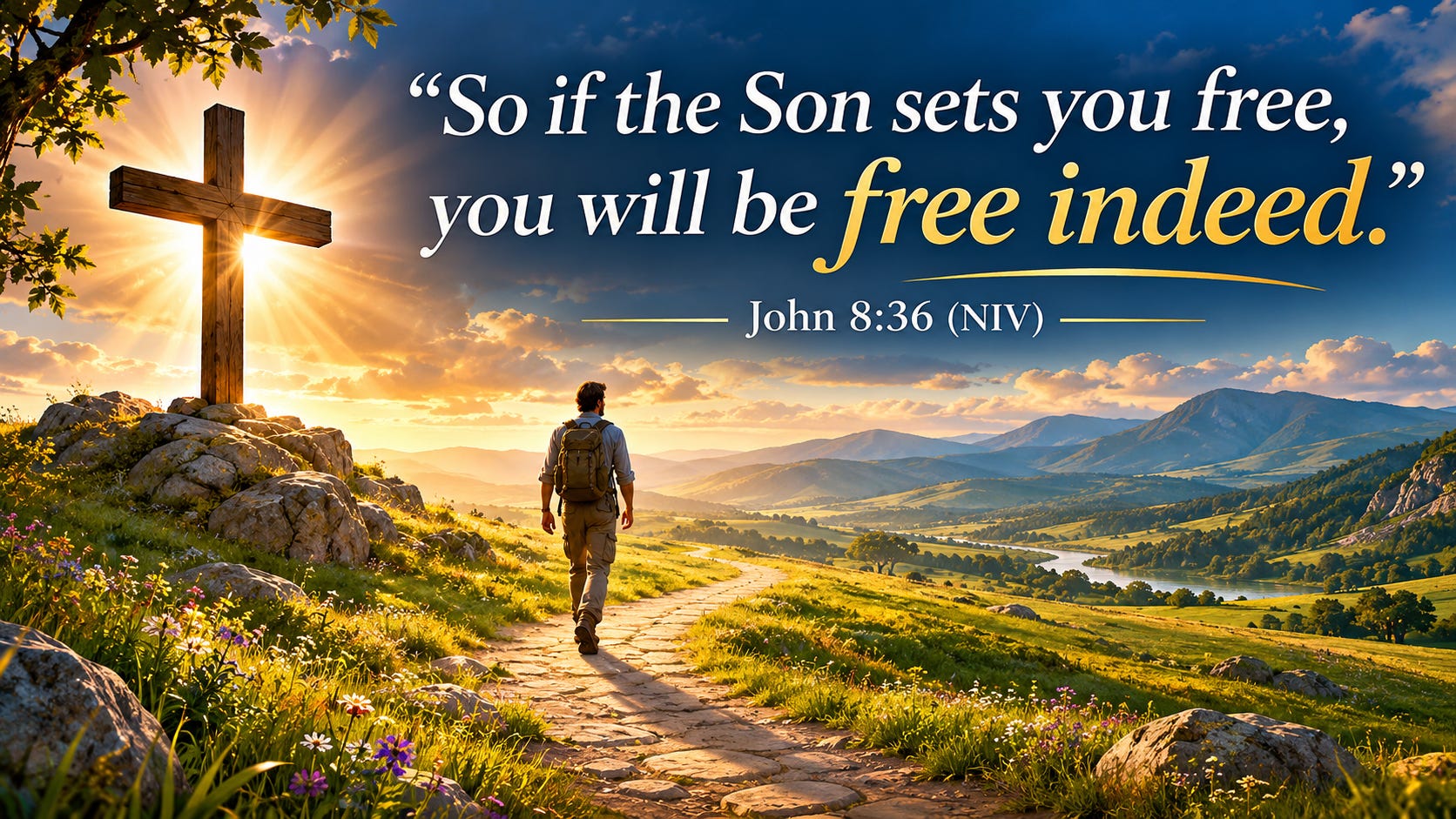
Today’s Podcast: Our Final EpisodeToday we come to the conclusion of our seventeen-day journey through Radical Amputation Vs. Gospel Transformation.We’ve explored the difference between trying to...
Day 16: A Solemn Warning and a Biblical Appeal
Nov 16, 2026 · 10m
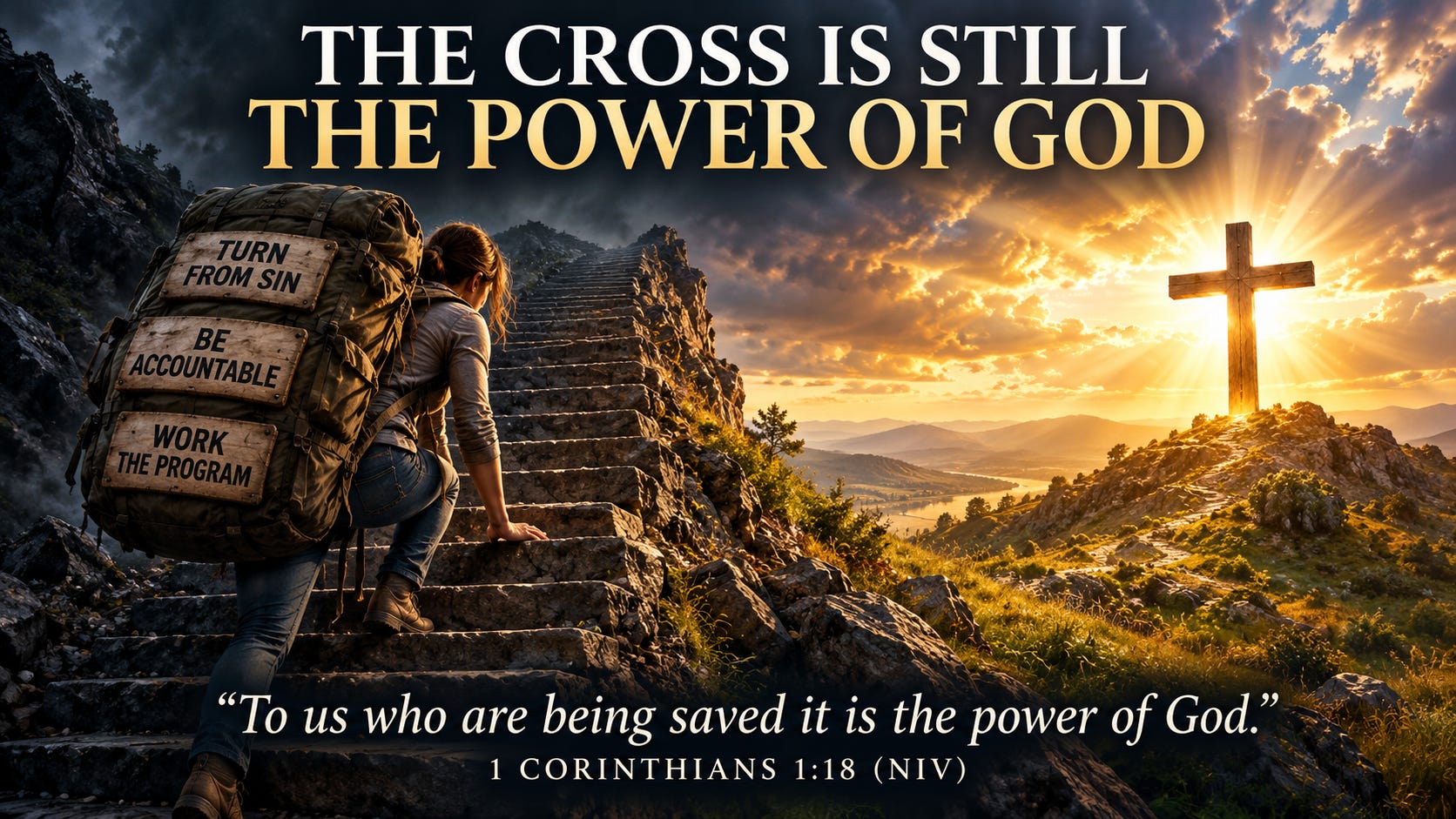
Is the gospel simply how we become Christians, after which we must rely on rules, discipline, and human effort to grow in holiness?Today, we examine a serious misunderstanding that can leave believers...

Day 15: Faces of Freedom
Nov 15, 2026 · 9m
Can the gospel really change a person’s deepest desires? Today, you’ll hear brief excerpts from the testimonies of four real people, three men and one woman, who discovered that freedom is not found...
Day 14: How Do You Know If It’s Working?
Nov 14, 2026 · 10m
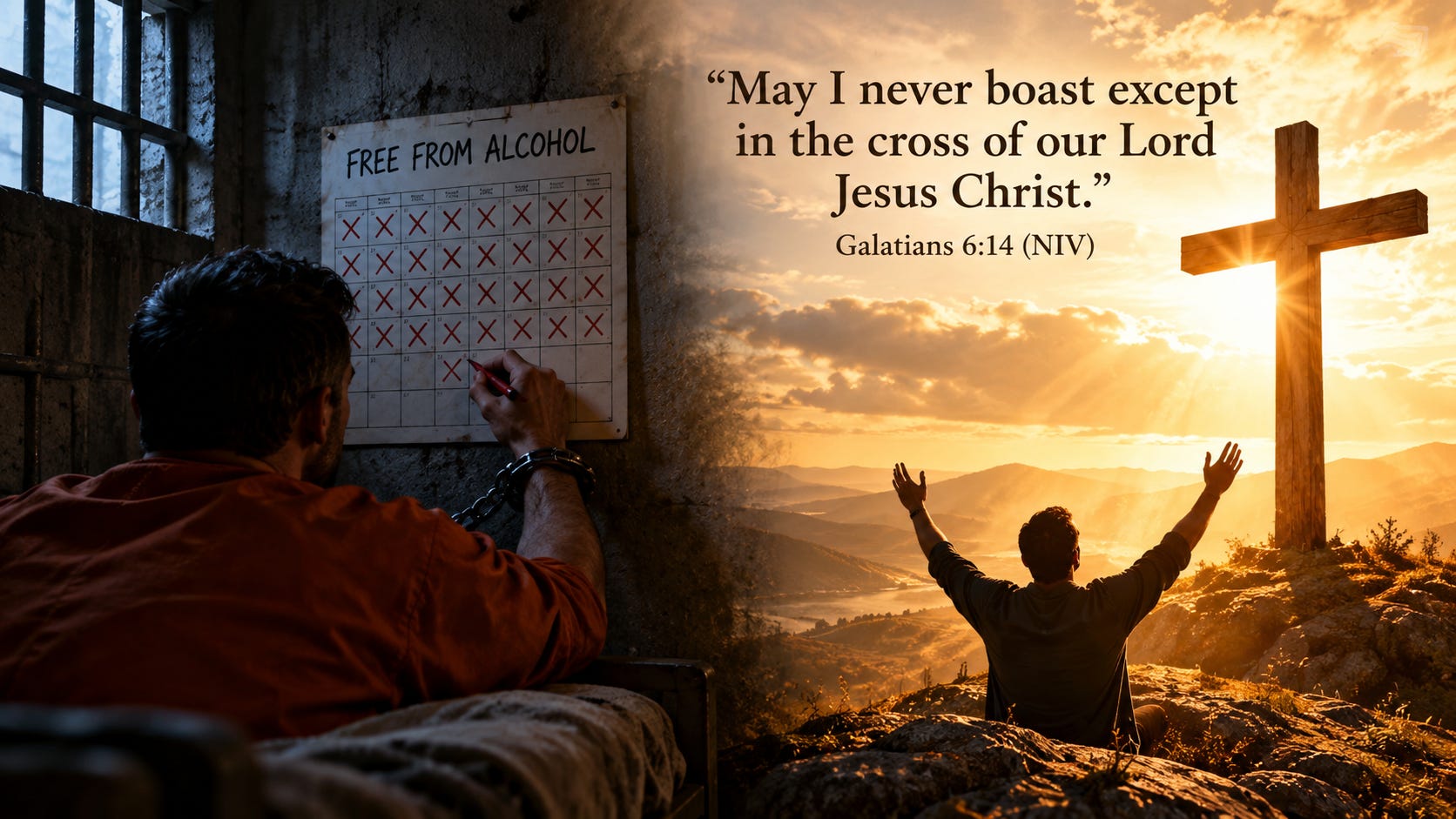
How do you know whether you’re actually being set free? Is it the number of days you’ve avoided a particular sin, the weight you’ve lost, or the habits you’ve changed? Those things may tell you...
Day 13: The Power of Love
Nov 13, 2026 · 9m
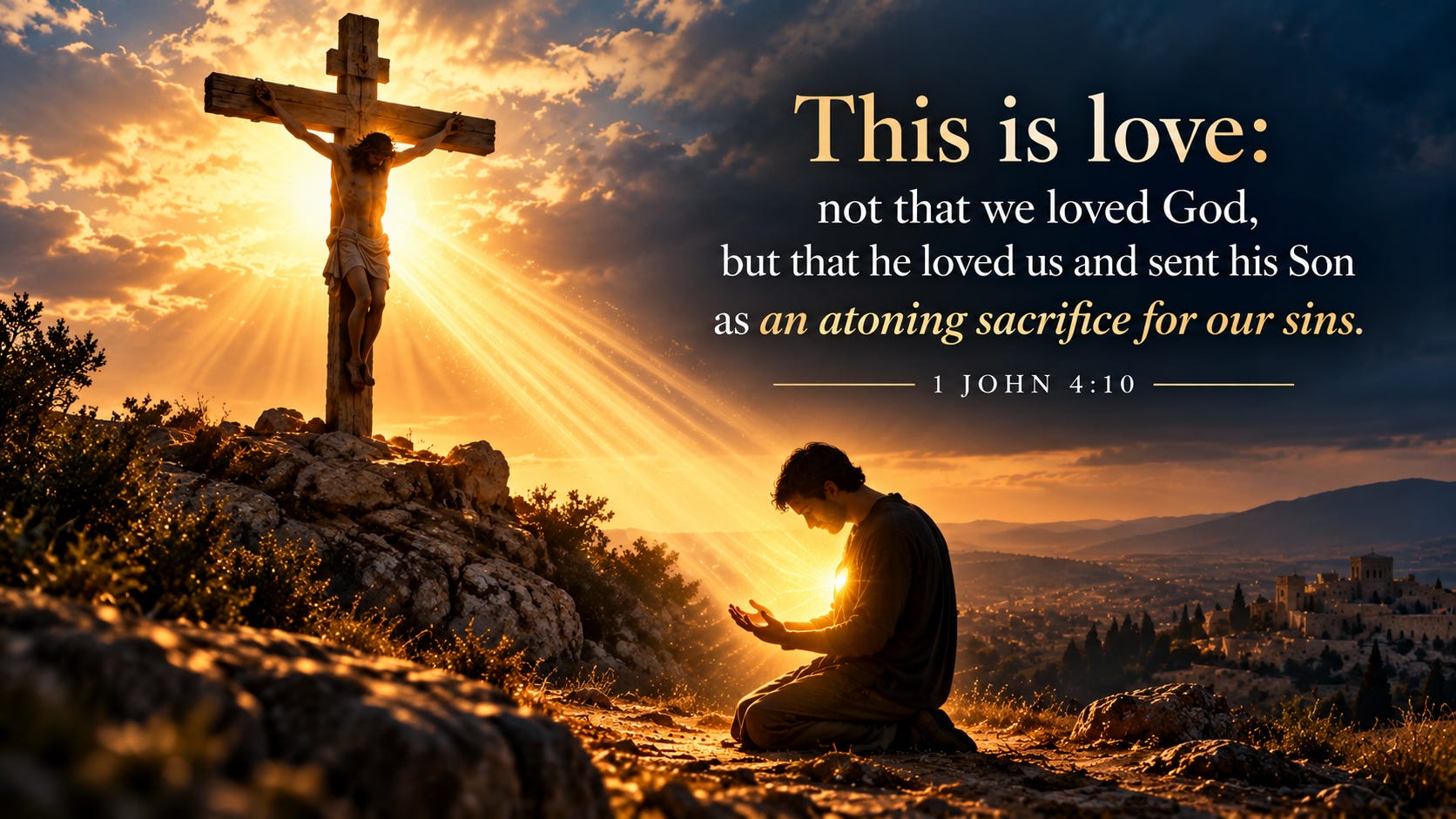
What is powerful enough to change what a person loves?Rules can restrain our behavior, and restrictions can remove opportunities to sin, but neither can create genuine love for Jesus Christ. Something...
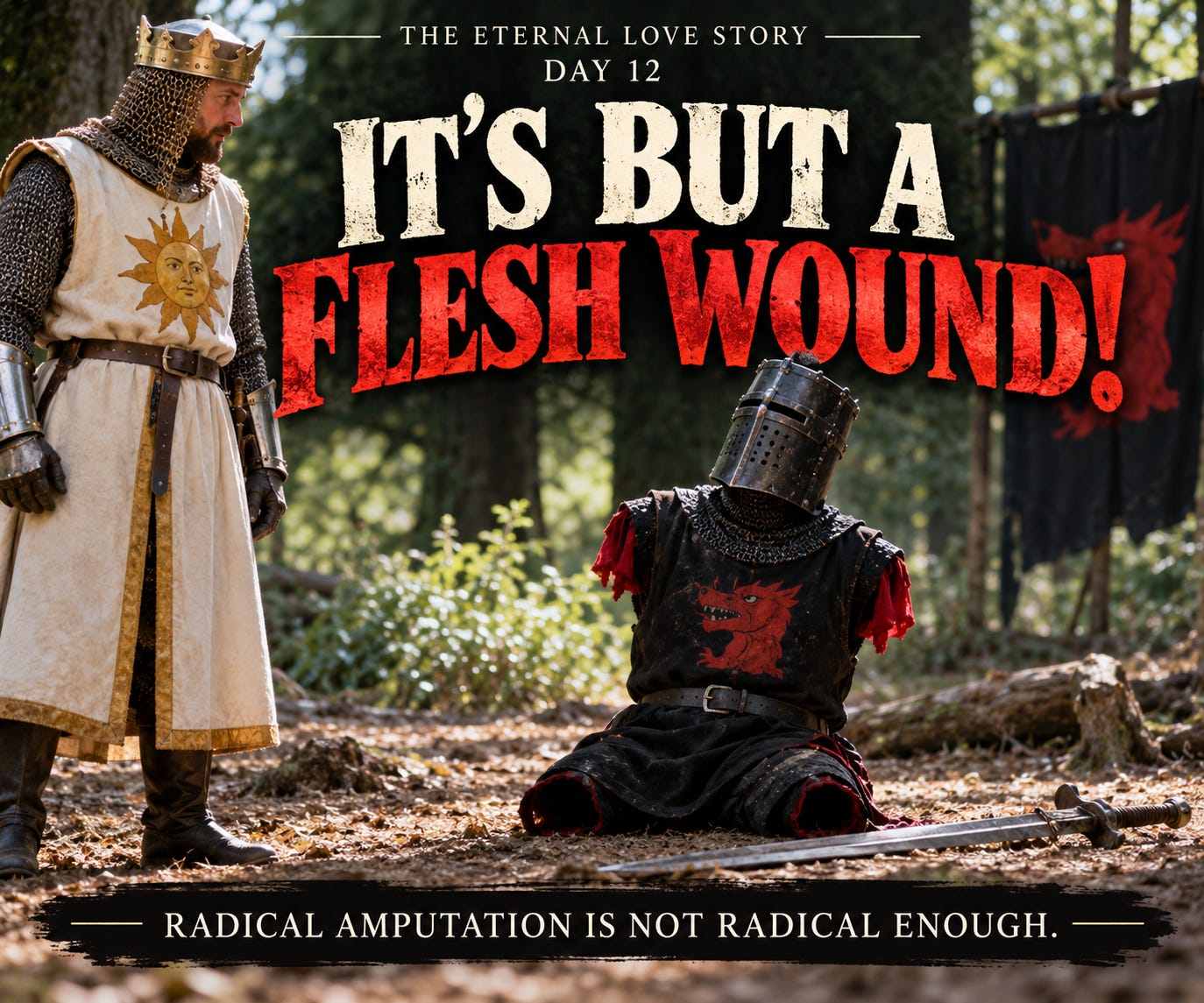
Day 12: “It’s But a Flesh Wound!”
Nov 12, 2026 · 10m
What do a stubborn medieval knight, four missing limbs, and radical amputation have in common?More than you might think!Today’s podcast takes us into one of the funniest scenes in movie history, where...
Take these sermons with you.
Follow The Eternal Love Story Podcast in the Getsermons app to get every new sermon, build playlists, and pick up right where you left off.

