
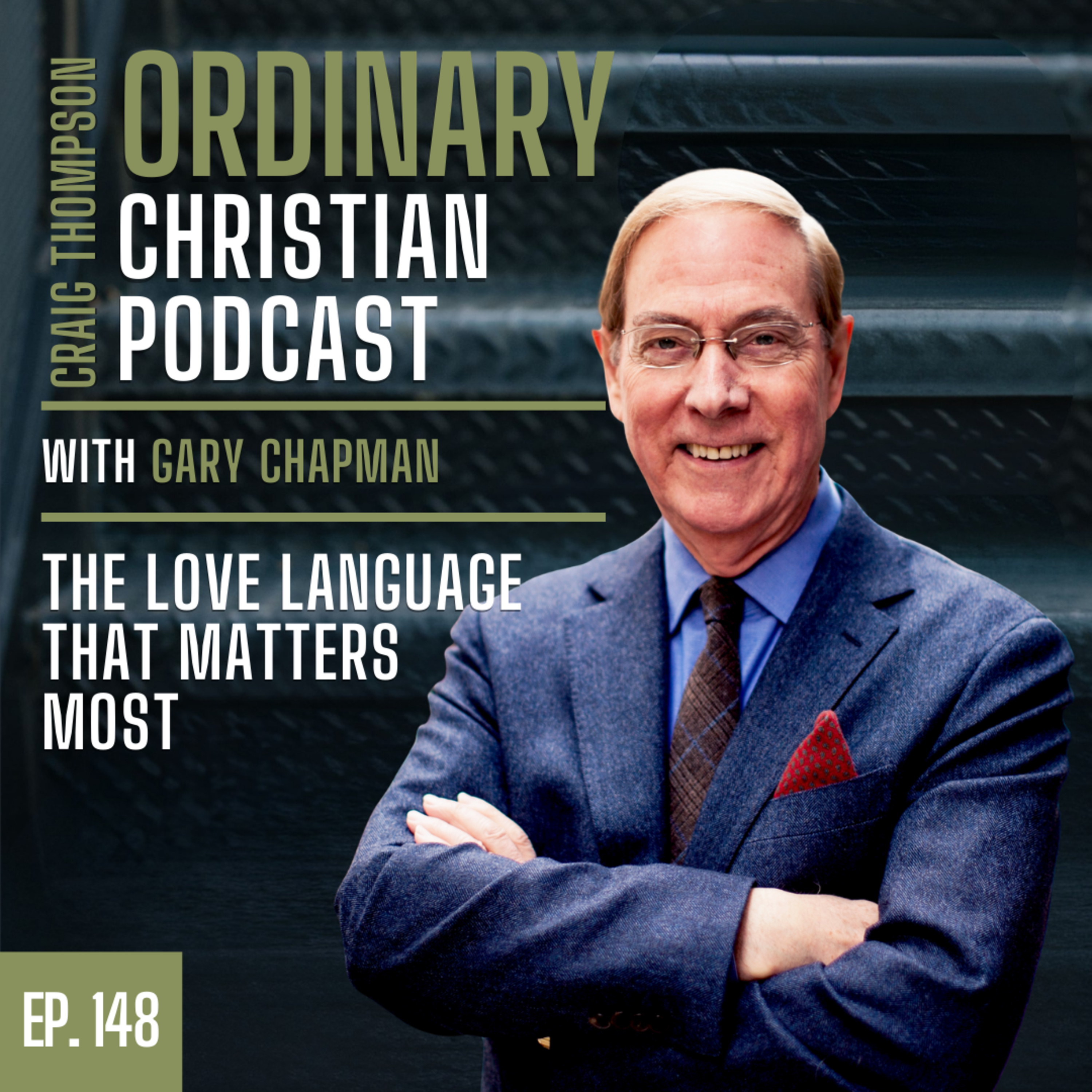
The Ordinary Christian Podcast
Episode 148: The Love Language that Matters Most with Gary Chapman
Feb 20, 2026 · 56m
Prefer sermons downloaded automatically?
About this sermon
In this episode of the Ordinary Christian Podcast, Craig interviews Dr. Gary Chapman, renowned author of ‘The Five Love Languages.’ They discuss Chapman’s extensive experience in marriage and family ministry, the importance of understanding love languages, and insights from his new book, ‘The Love Language That Matters Most.’ The conversation emphasizes empathy, communication, and the attitude of Christ in relationships, providing practical advice for couples seeking to strengthen their marriages.
Takeaways
Gary Chapman has been in marriage ministry for over 50 years.
The Five Love Languages concept helps couples understand each other’s emotional needs.
Empathy is crucial for effective communication in relationships.
Understanding personality types can enhance how love languages are expressed.
The attitude of Christ should guide how spouses treat each other.
Marriages require effort and growth; they don’t just happen.
Asking follow-up questions can deepen understanding between partners.
Love languages can apply to all close relationships, not just romantic ones.
It’s important to love unconditionally, even when feeling unloved.
Couples should read and discuss marriage books together to foster growth.
Sound Bites
“You can love an unloved spouse.”
“Empathy is key in communication.”
“You can grow in your relationship.”
Chapters
00:00Introduction to Gary Chapman and His Work
02:54The Five Love Languages Explained
05:43The Impact of Love Languages on Relationships
09:02Expanding the Love Languages Concept
11:46Personal Experiences with Love Languages
14:50The New Book: The Love Language That Matters Most
17:51Understanding Sensitivity in Love Languages
20:39The Importance of Unconditional Love
23:46Influencing Your Spouse Positively
26:46Final Thoughts and Reflections
28:59The Importance of Love Over Leadership
30:13Transformative Love in Marriage
32:58The Power of Servant Leadership
38:01The Art of Follow-Up Questions
42:13Empathy in Relationships
45:14Understanding Personality Types
47:52The Key to a Lasting Marriage
53:28Debunking Love Language Myths
More from The Ordinary Christian Podcast
Episode 179: Jesus-The Better Adam
Nov 26, 2026 · 15m
Craig explores Isaiah’s prophecy of Immanuel and how Jesus fulfills the role of the “second and better Adam.” He connects that Christmas hope to real grief and brokenness, showing how Christ can be...
Episode 178: Choosing Conversations and Questions Over Chat and AI
Nov 19, 2026 · 55m
On this episode of the Ordinary Christian Podcast, Craig is joined by pastors Adam Whiteside and Greg Galuppi to talk about the value of talking with people instead of AI. The conversation revolves...
Episode 177: Coffee Made Me a Better Man, And It Can Do The Same For You
Nov 12, 2026 · 21m
Craig uses his journey from sugary hazelnut coffee to black coffee to explore how everyday discipline, sacrifice, and useful tools can help Christians serve others. He connects small choices to...
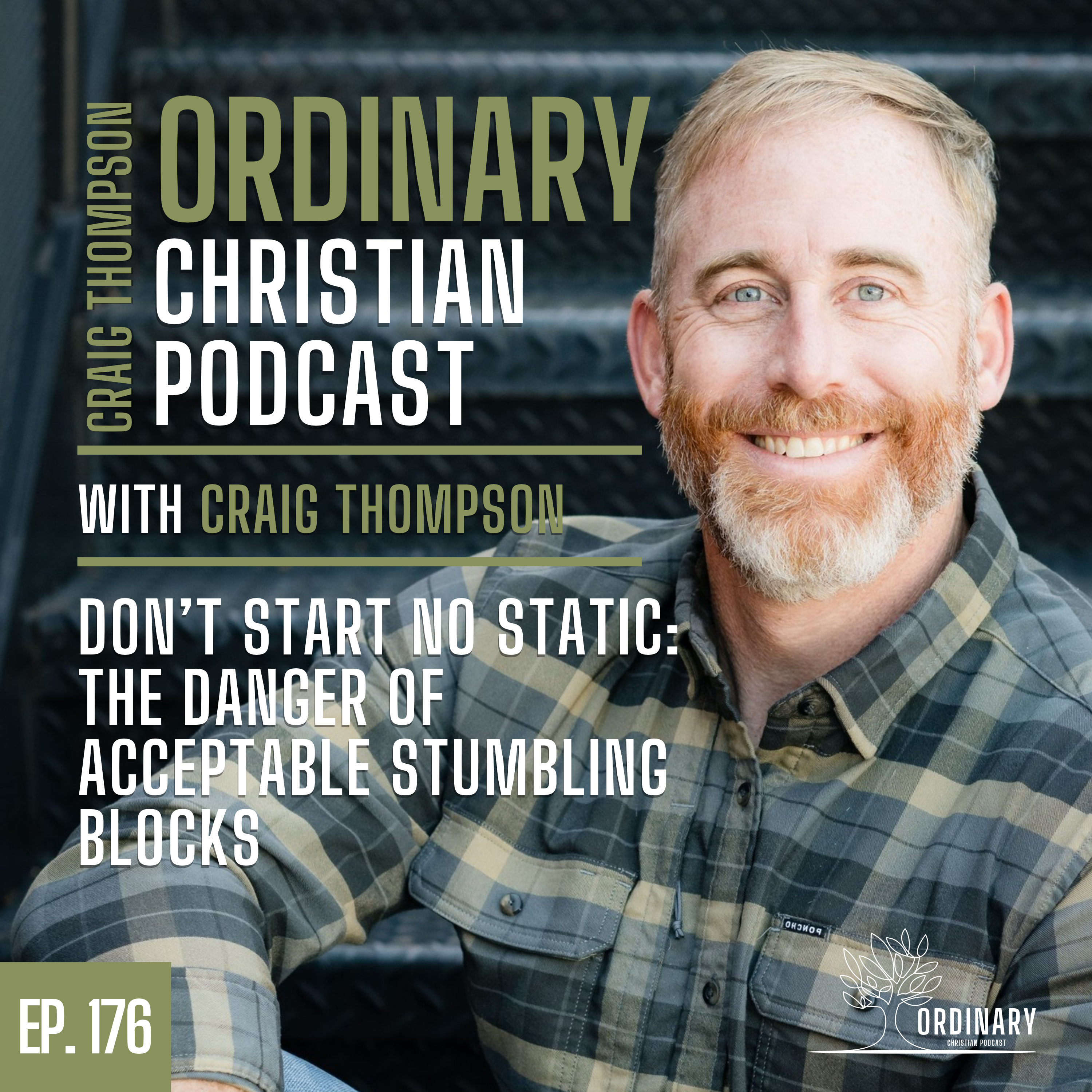
Episode 176: Don’t Start No Static-The Dangers of Acceptable Stumbling Blocks
Nov 5, 2026 · 20m
Craig explores how habits and hidden sin can interfere with personal spiritual growth, and how a Christian’s conduct can become a stumbling block for others. Using examples from daily life, church...
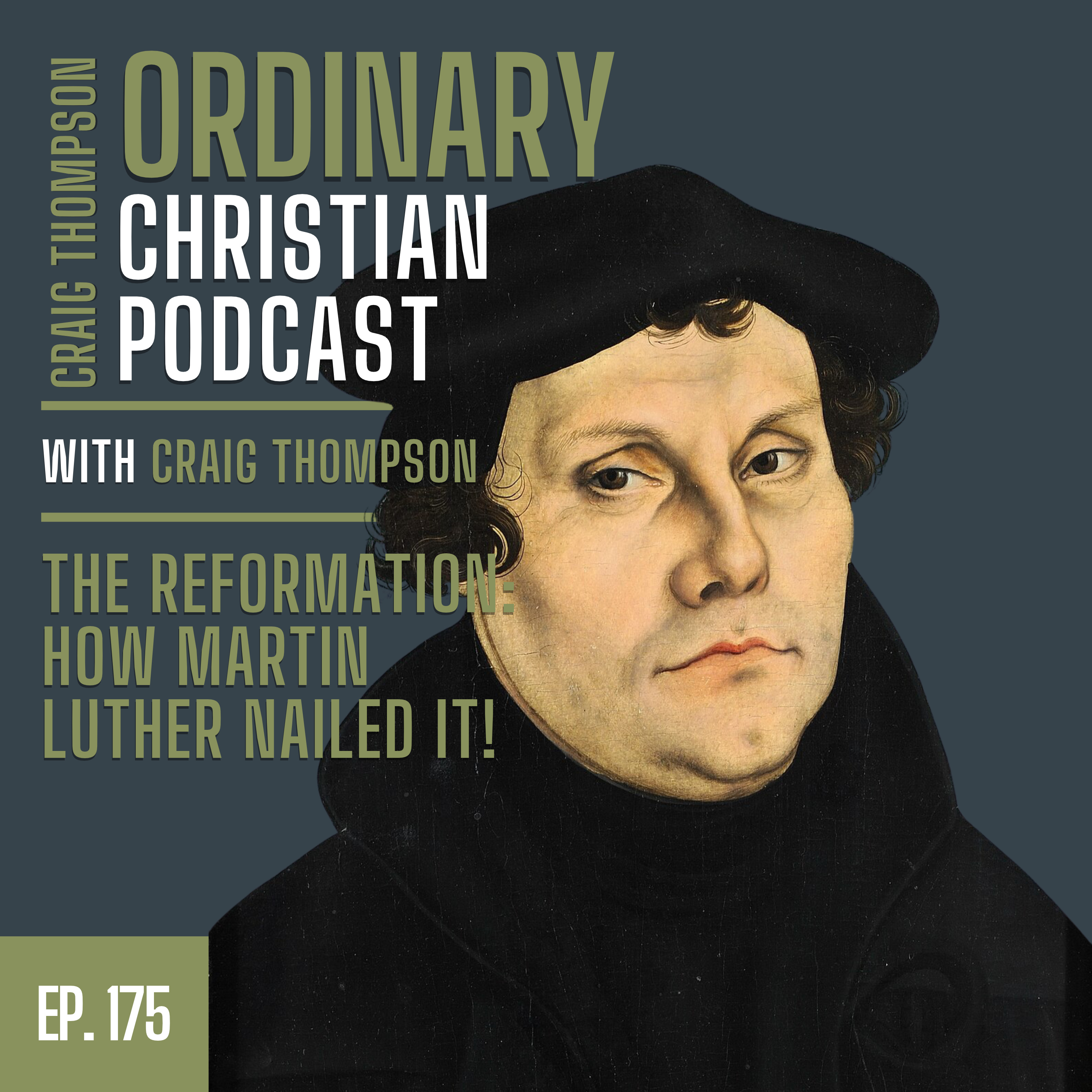
EPISODE 175: THE REFORMATION-MARTIN LUTHER NAILED IT
Oct 30, 2026 · 23m
On this episode Ordinary Christian Podcast Craig explains the meaning of Reformation Day and how the Protestant Reformation’s five solas remain central to Christian faith. He also offers practical...
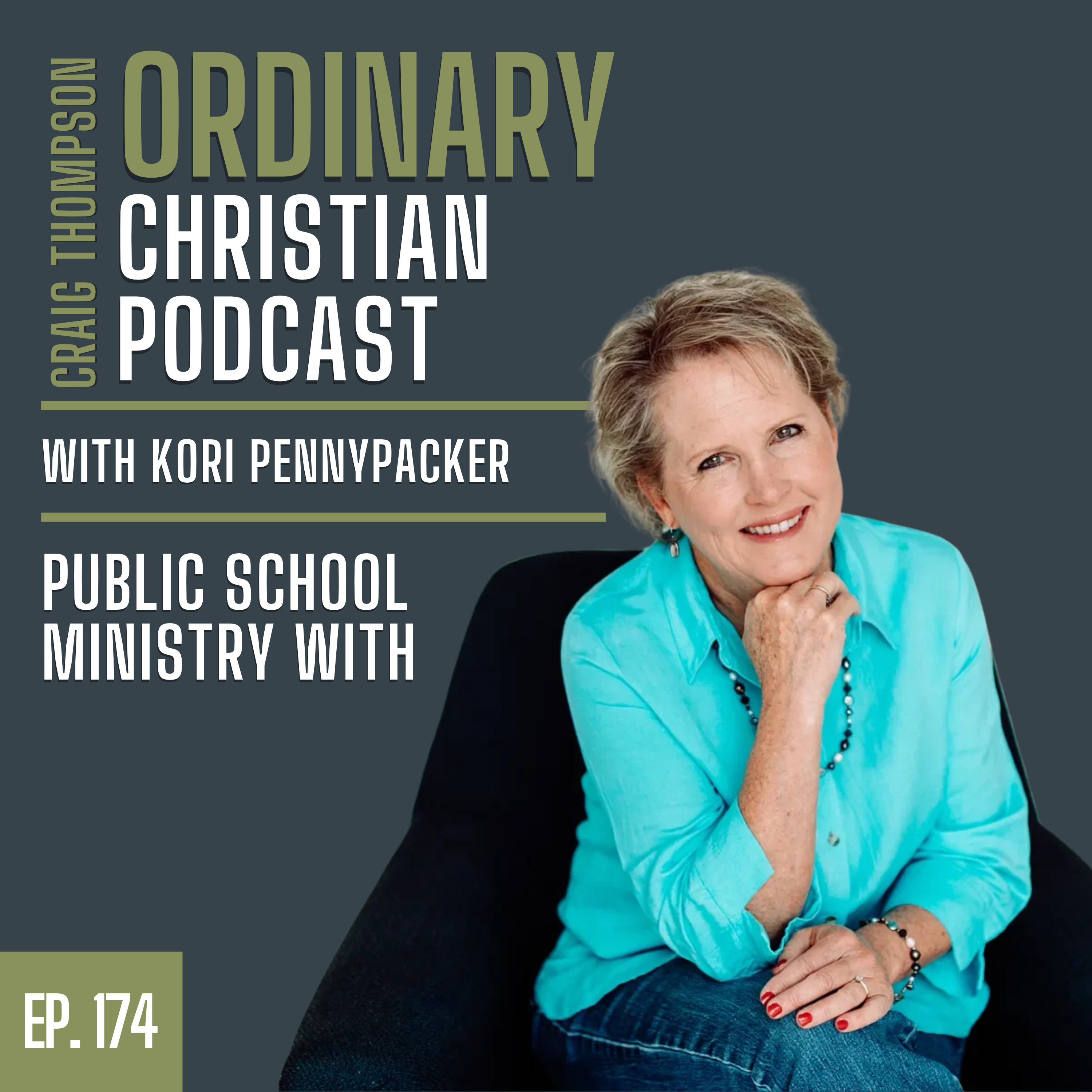
Episode 174: Public School Ministry with Kori Pennypacker
Oct 22, 2026 · 48m
Kori Pennypacker is the CEO of Bible2Schools and the author of a new book, Backpack Faith. In this episode, Kori Pennypacker shares insights on how Christians can actively engage in public school...
Take these sermons with you.
Follow The Ordinary Christian Podcast in the Getsermons app to get every new sermon, build playlists, and pick up right where you left off.

