

The Thomistic Institute
Catholic Scientists – Prof. Jonathan I. Lunine
Mar 6, 2026 · 55m
Prefer sermons downloaded automatically?
About this sermon
Prof. Jonathan I. Lunine presents his life as a planetary scientist and Catholic convert as a lived example of the harmony between faith and science, then highlights two priest‑scientists—Georges Lemaître and Gregor Mendel—whose foundational work on the Big Bang and genetics shows that Catholic belief has stood at the center of modern scientific revolutions.
This lecture was given on February 20th, 2026, at Duke University.
For more information on upcoming events, visit us at thomisticinstitute.org/upcoming-events.
About the Speakers:
Jonathan Lunine is the Chief Scientist at NASA’s Jet Propulsion Laboratory and Professor of Planetary Science at Caltech in Pasadena, California. Beforehand, he was the David C. Duncan Professor in the Physical Sciences and Chair of the Department of Astronomy at Cornell University. Lunine is interested in how planets form and evolve, what processes maintain and establish habitability, and what kinds of exotic environments (methane lakes, etc.) might host a kind of chemistry sophisticated enough to be called "life". He pursues these interests through theoretical modeling and participation in spacecraft missions. He is co-investigator on the Juno mission now in orbit at Jupiter, using data from several instruments on the spacecraft, and on the MISE and gravity science teams for the Europa Clipper mission. He was on the Science Working Group for the James Webb Space Telescope, focusing on characterization of extrasolar planets and Kuiper Belt objects. Lunine has contributed to concept studies for a wide range of planetary and exoplanetary missions. Lunine is a member of the National Academy of Sciences and has participated in or chaired a number of advisory and strategic planning committees for the Academy and for NASA.
Keywords: Big Bang, Catholic Scientists Society, Conversion Story, Darwin Mendel Synthesis, Georges Lemaitre, Gregor Mendel Augustinian Monk, Myth of War Between Science And Religion, Planetary Science, Thomistic Perspective On Creation, Vatican Observatory
More from The Thomistic Institute
Fearing Well, All the Way Down - Sr. Anna Wray, O.P.
Nov 25, 2026 · 44m
Sr. Anna Wray, O.P. explores Saint Thomas Aquinas’s tripartite account of fear, offering a practical guide for wayfarers to reorder their affections and cultivate a holy, filial fear of God.This...
He That Glories, Let Him Glory in the Lord - Fr. Dominic Verner, O.P.
Nov 24, 2026 · 49m
Fr. Dominic Verner, O.P. explores the Thomistic understanding of glory, arguing that the Christian life is a call to properly order our desire for recognition by glorying exclusively in the cross of...
Cultivating the Virtue of Hope: Lessons from St. Thomas - Prof. David Elliot
Nov 23, 2026 · 49m
Defining the theological virtue of hope as a resilient disposition of the will, Prof. David Elliot illustrates how reliance on God's grace and our natural longing for happiness can sustain us in our...
Sexes in the City: Men and Women in Plato's Republic - Dr. Kevin Kambo
Nov 20, 2026 · 53m
Dr. Kevin Kambo analyzes the classical concept of "homophrosune," or oneness of mind, as a model for integrating the masculine and feminine temperaments of courage and orderliness, providing his...
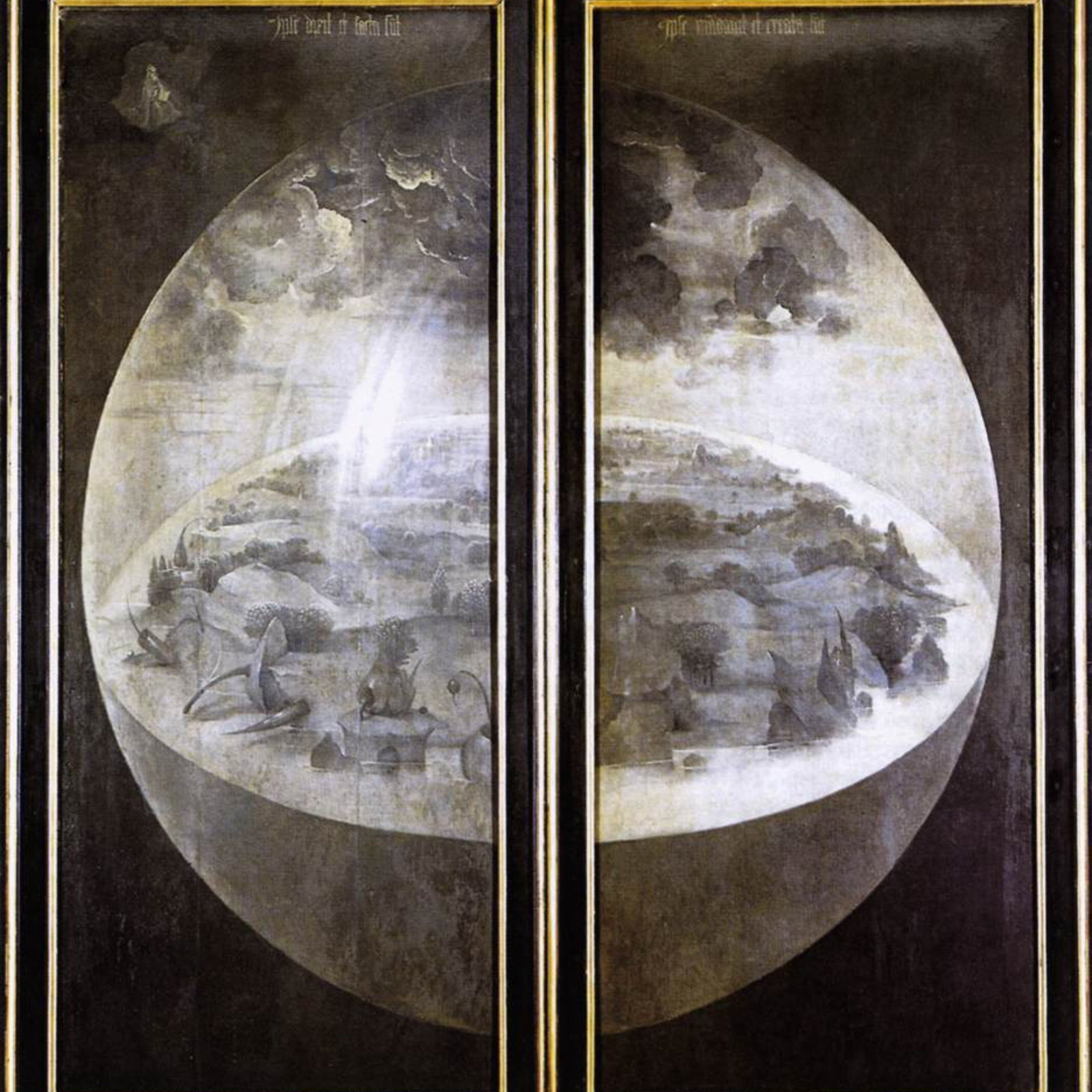
The Life and Times of a Flat-Earther: A Sketch of a Pseudo Controversy - Fr. Timothy Bellamah, O.P.
Nov 19, 2026 · 43m
By analyzing the writings of Thomas Aquinas and other historical records, Fr. Timothy Bellamah, O.P. debunks the pseudo-controversy of the medieval "flat-earth" myth to demonstrate that the Church has...
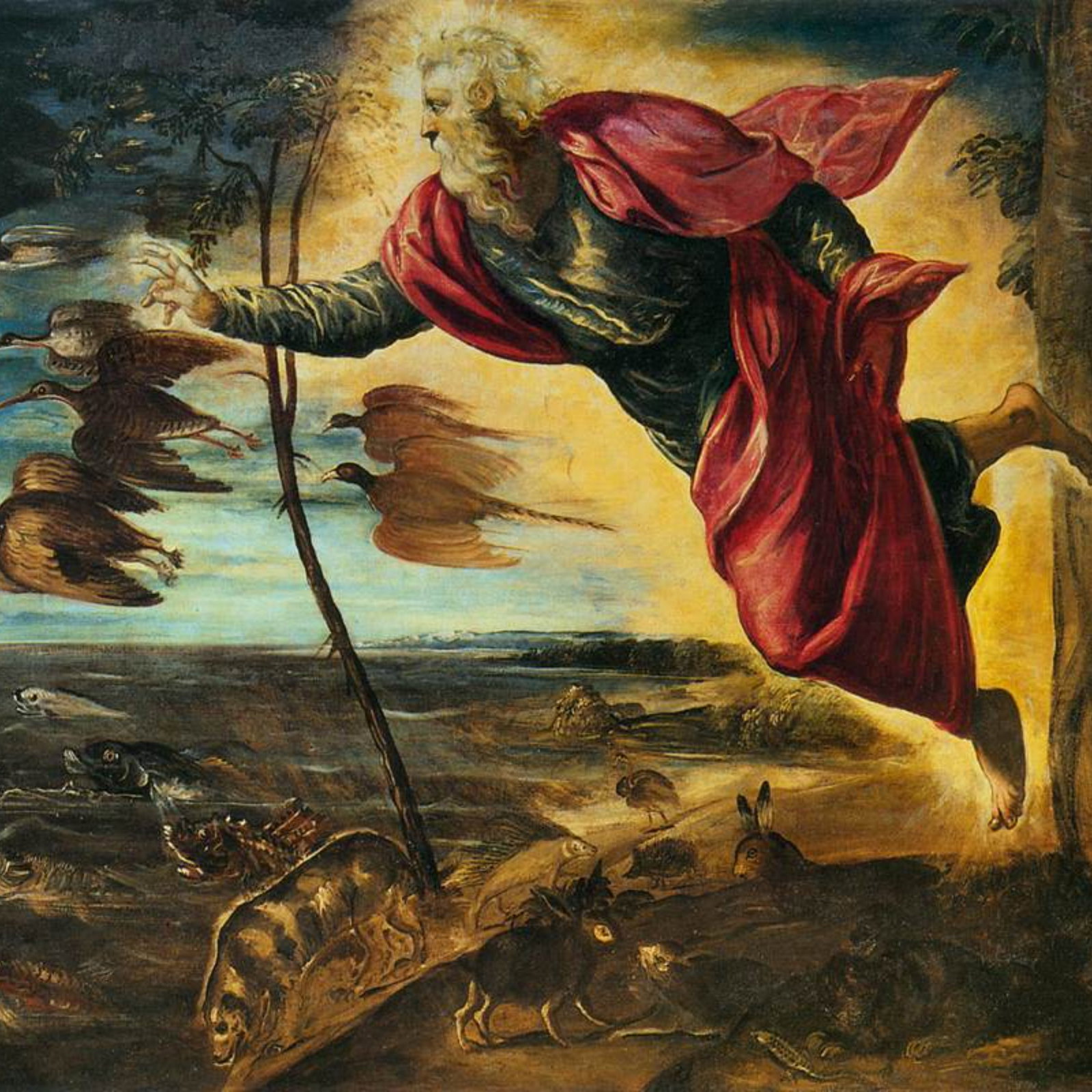
Divine Foreknowledge and Evolutionary Biology - Fr. Timothy Bellamah, O.P.
Nov 18, 2026 · 43m
Utilizing St. Thomas Aquinas’s framework of primary and secondary causality, Fr. Timothy Bellamah, O.P. reconciles Catholic doctrine with evolutionary biology by explaining how God governs the world...
Take these sermons with you.
Follow The Thomistic Institute in the Getsermons app to get every new sermon, build playlists, and pick up right where you left off.

