
The Thomistic Institute
Is Religion Really an Enemy of Science? – Prof. Carlos A. Casanova
Mar 2, 2026 · 47m
Prefer sermons downloaded automatically?
About this sermon
Prof. Carlos A. Casanova argues that religion—understood as a theological worldview affirming God as the rational creator—is not an enemy but an historical and structural ally of science, since the very rise, methods, and institutional homes of the sciences (from Plato and Aristotle through medieval universities to Galileo) developed within religious cultures that prized truth for its own sake.
This lecture was given on December 3rd, 2025, at Purdue University.
For more information on upcoming events, visit us at thomisticinstitute.org/upcoming-events.
About the Speakers:
A native of Venezuela, Carlos Casanova holds a law degree from the Catholic University Andrés Bello and a Ph.D. in philosophy from the University of Navarre, Spain. He is now a lecturer at the University of Florida’s Hamilton Center.
He is a native of Venezuela. There he served as an attorney for the Office of the Attorney General of Venezuela and for the Venezuelan Congress, and as an assistant to a Justice of the Venezuelan Supreme Court in the early 90s. Afterward he was a professor of the Graduate Studies in Philosophy at the Universidad Simón Bolívar and Chair of the Program. In 2002, threatened by the Chavista regime, he was forced to leave the country. During his first stay in the USA, professor Casanova was a visiting scholar at Boston University and a senior research associate at the Jacques Maritain Center, University of Notre Dame, where he worked with Ralph McInerny. During this time he married Laura Ternan with whom he has 5 children.
In 2005 he went to Chile, to work at the International Academy of Philosophy with professor Josef Seifert. Afterward he taught at Universidad Santo Tomás in Chile, and at the School of Law of the Pontifical Catholic University of Chile. In 2020-2022 he opposed the abortionist movement and the attempts to introduce comprehensive sexual education during the early years of basic school. These efforts led to him receiving in 2022 the National Award bestowed by the “Network for Life and the Family.” Due to the Marxist turn of the country, the Casanova family decided to leave Chile and migrate again, back to the United States in 2022.
Professor Casanova’s work focuses on metaphysics, political and social philosophy, ethics, and classical Greek philosophy. He has endeavored to dismantle the black legend that hides the achievements of Christianity in the Spanish American empire and in the Latin Christendom (so called “Middle Ages”). His scholarly competence also includes philosophy of science, epistemology, philosophy of mind, medieval philosophy, and contemporary European philosophy. He has published nine books and numerous scholarly papers.
Keywords: Aristotle, Experimental Method, Faith And Reason In Science, Galileo's Scholastic Background, Medieval Universities, Natural Theology And Metaphysics, Posterior Analytics, Science In Latin Christendom, Theology As Queen Of Sciences
More from The Thomistic Institute
Miracles Under Scrutiny - Prof. Christopher Malloy
Nov 27, 2026 · 48m
While they are not a substitute for the divine gift of faith, Prof. Christopher Malloy argues that the rigorous analysis of miracles can provide a us with credible, rational signs that lead us...
Courage: Human, Heroic, & Christian - Prof. Patrick Clark
Nov 26, 2026 · 44m
Prof. Patrick Clark contrasts contemporary secular heroism with the Thomistic understanding of courage, arguing that true Christian fortitude is defined by the martyr's steadfast participation in...
Fearing Well, All the Way Down - Sr. Anna Wray, O.P.
Nov 25, 2026 · 44m
Sr. Anna Wray, O.P. explores Saint Thomas Aquinas’s tripartite account of fear, offering a practical guide for wayfarers to reorder their affections and cultivate a holy, filial fear of God.This...
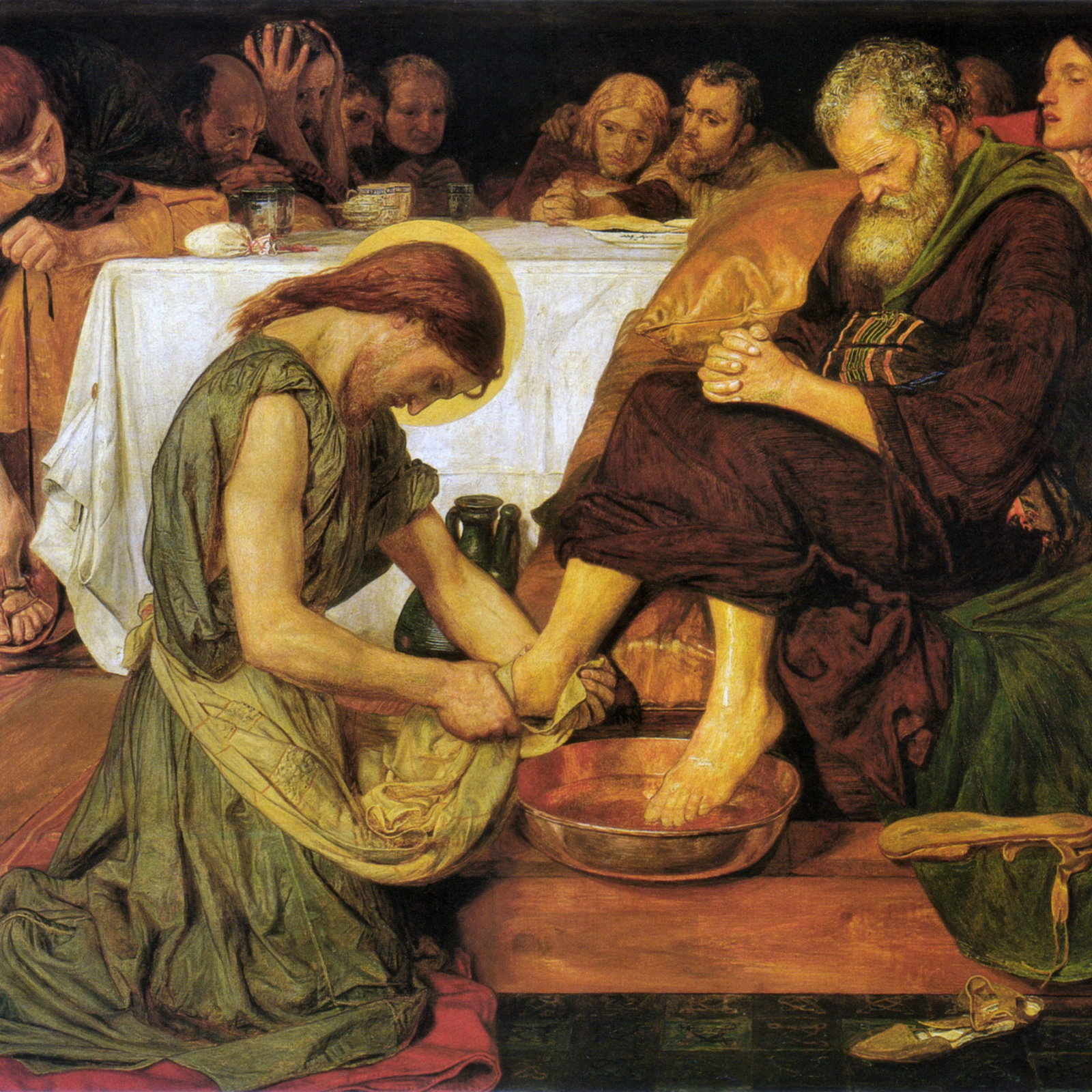
He That Glories, Let Him Glory in the Lord - Fr. Dominic Verner, O.P.
Nov 24, 2026 · 49m
Fr. Dominic Verner, O.P. explores the Thomistic understanding of glory, arguing that the Christian life is a call to properly order our desire for recognition by glorying exclusively in the cross of...
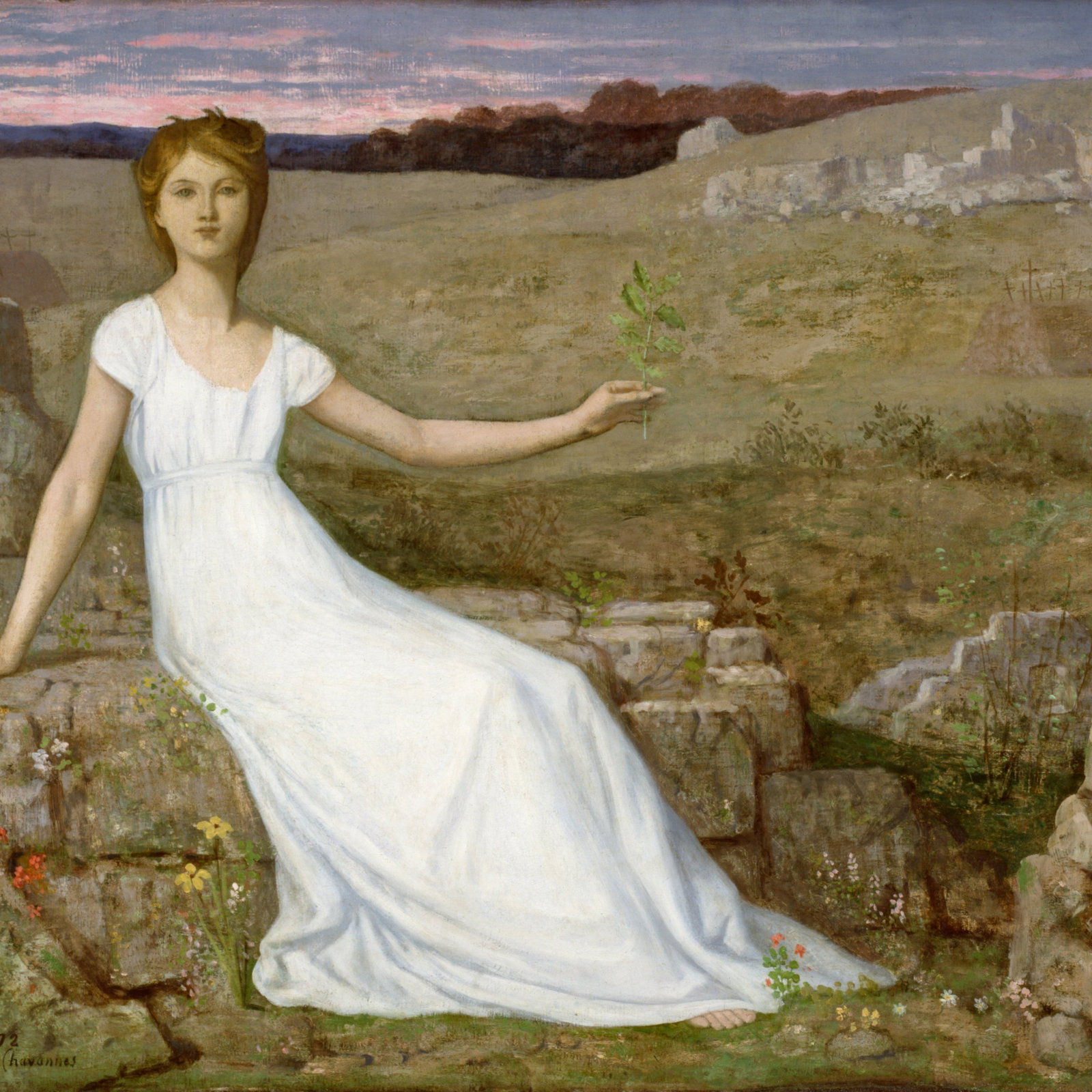
Cultivating the Virtue of Hope: Lessons from St. Thomas - Prof. David Elliot
Nov 23, 2026 · 49m
Defining the theological virtue of hope as a resilient disposition of the will, Prof. David Elliot illustrates how reliance on God's grace and our natural longing for happiness can sustain us in our...
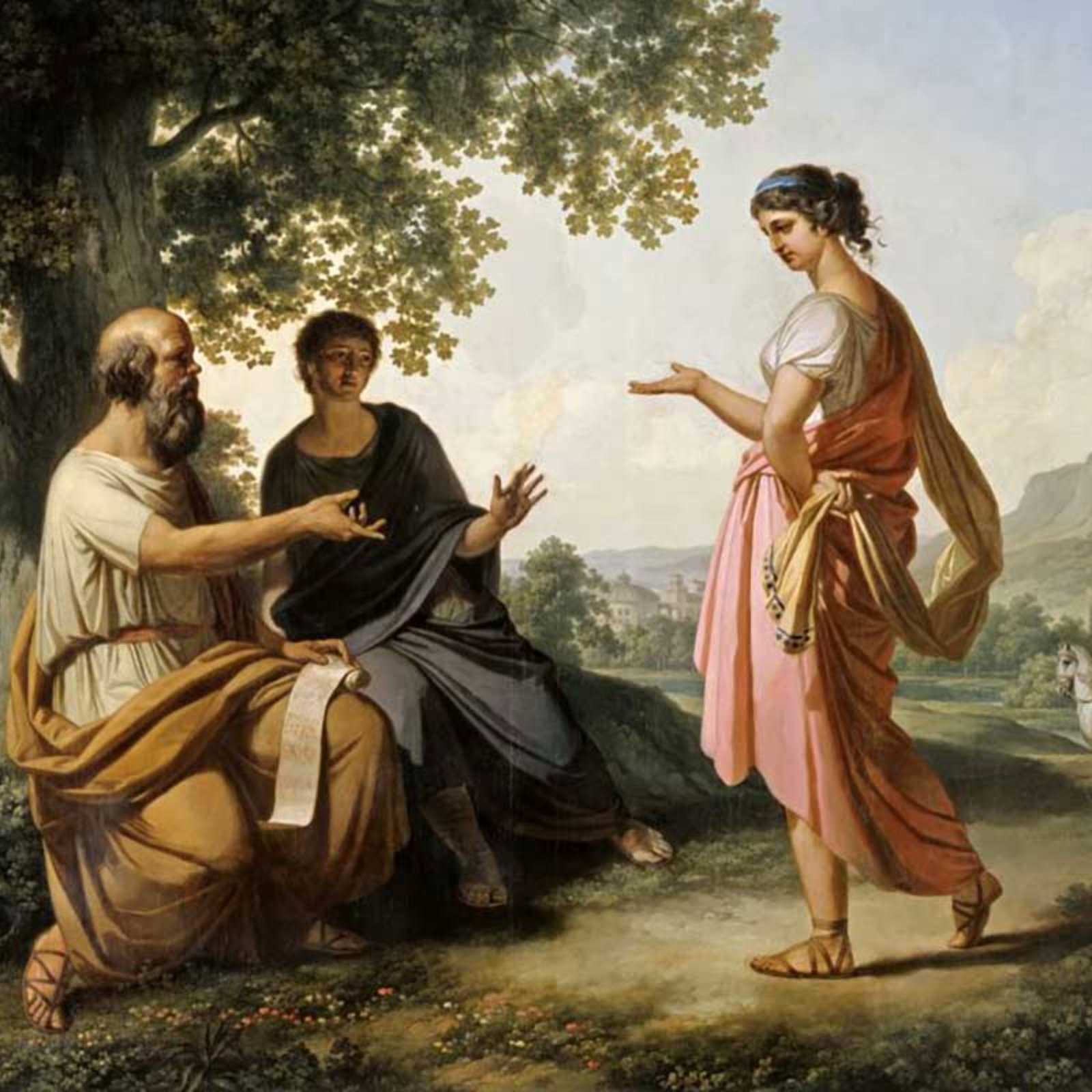
Sexes in the City: Men and Women in Plato's Republic - Dr. Kevin Kambo
Nov 20, 2026 · 53m
Dr. Kevin Kambo analyzes the classical concept of "homophrosune," or oneness of mind, as a model for integrating the masculine and feminine temperaments of courage and orderliness, providing his...
Take these sermons with you.
Follow The Thomistic Institute in the Getsermons app to get every new sermon, build playlists, and pick up right where you left off.

