
The Thomistic Institute
What Can We Learn from Aquinas About AI? | Prof. Gyula Klima
May 21, 2025 · 48m
Prefer sermons downloaded automatically?
About this sermon
Prof. Gyula Klima uses Aquinas’ philosophy of mind to argue that human intelligence, rooted in immaterial universal concept formation, is metaphysically distinct from artificial general intelligence (AGI), though AGI can still serve as a powerful tool for enhancing human understanding and life.
This lecture was given on February 19th, 2025, at Dominican House of Studies.
For more information on upcoming events, visit us at thomisticinstitute.org/upcoming-events.
About the Speaker:
Gyula Klima is Professor of Philosophy at Fordham University, New York, Doctor of the Hungarian Academy of Sciences, and Ordinary Member of the Pontifical Academy of St. Thomas Aquinas. He is the Founding Director of the Society for Medieval Logic and Metaphysics and of the Society for the European History of Ideas and Editor of their Proceedings. He is also an editor of the Stanford Encyclopedia of Philosophy, and the Editor-in-Chief of a book series at Springer, Historical-Analytical Studies in Mind, Nature, and Action, and at Fordham, Medieval Philosophy, Texts and Studies. Before taking up his position at Fordham, he had taught philosophy in the US at Yale and Notre Dame, prior to which he had done research in Europe at the universities of Budapest, Helsinki, St. Andrews, and Copenhagen. His publications, besides more than a hundred scholarly papers, include The Metaphysics and Theology of the Eucharist (Springer, 2024), Questions on the Soul by John Buridan and Others: A Companion to John Buridan’s Philosophy of Mind (Springer, 2017), Intentionality, Cognition and Mental Representation in Medieval Philosophy (Fordham University Press, 2015), John Buridan (Oxford University Press, 2008), John Buridan: Summulae de Dialectica, an annotated translation with a philosophical introduction; (Yale University Press, 2001); ARS ARTIUM: Essays in Philosophical Semantics, Medieval and Modern (Institute of Philosophy of the Hungarian Academy of Sciences, 1988).
Keywords: Artificial General Intelligence, Human Intelligence, Immaterial Intellect, Metaphysical Limits, Philosophy of Intelligence, Philosophy of Mind, Sensory vs. Intellectual Representation, Thomistic Anthropology, Universal Concept Formation
More from The Thomistic Institute

Courage: Human, Heroic, & Christian - Prof. Patrick Clark
Nov 26, 2026 · 44m
Prof. Patrick Clark contrasts contemporary secular heroism with the Thomistic understanding of courage, arguing that true Christian fortitude is defined by the martyr's steadfast participation in...
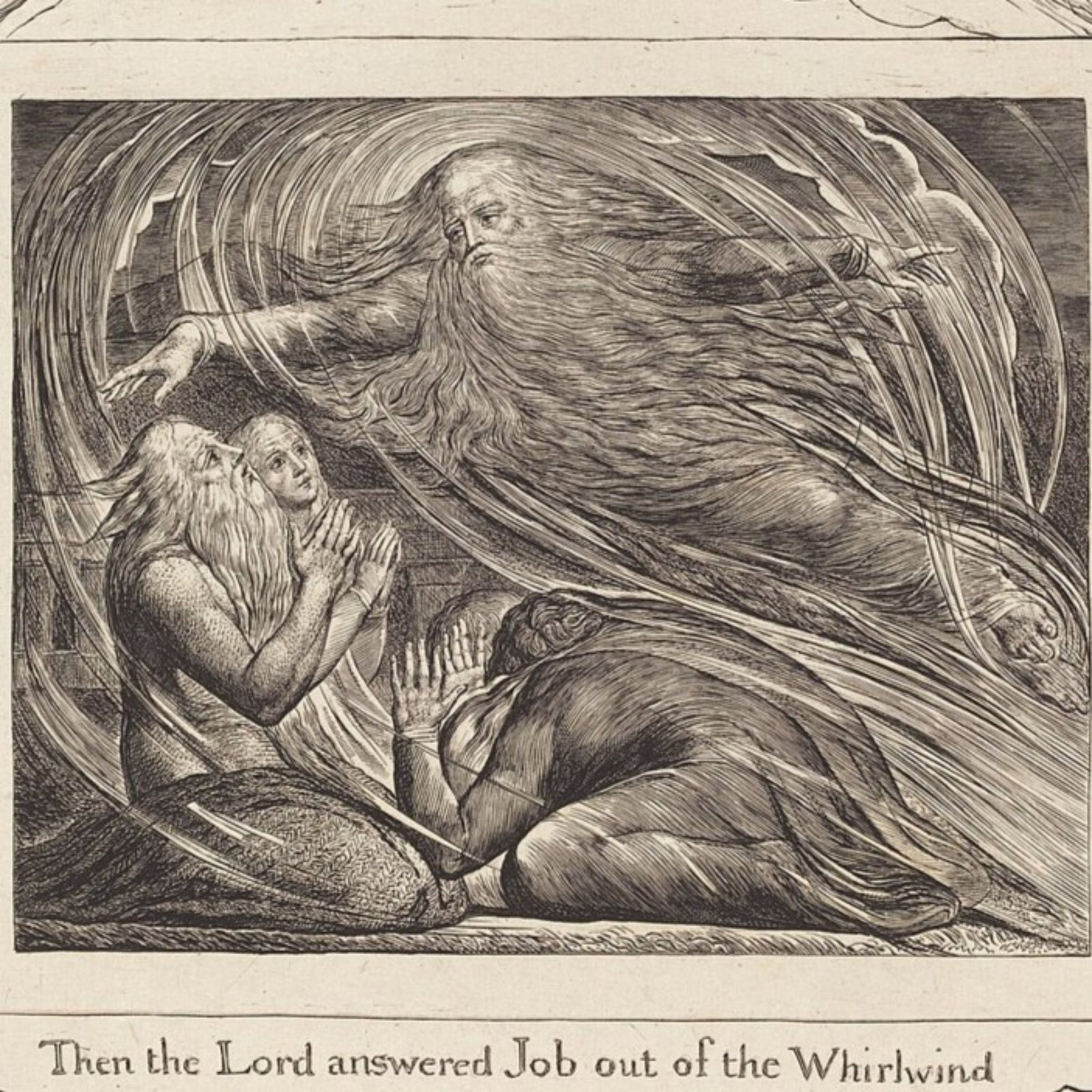
Fearing Well, All the Way Down - Sr. Anna Wray, O.P.
Nov 25, 2026 · 44m
Sr. Anna Wray, O.P. explores Saint Thomas Aquinas’s tripartite account of fear, offering a practical guide for wayfarers to reorder their affections and cultivate a holy, filial fear of God.This...
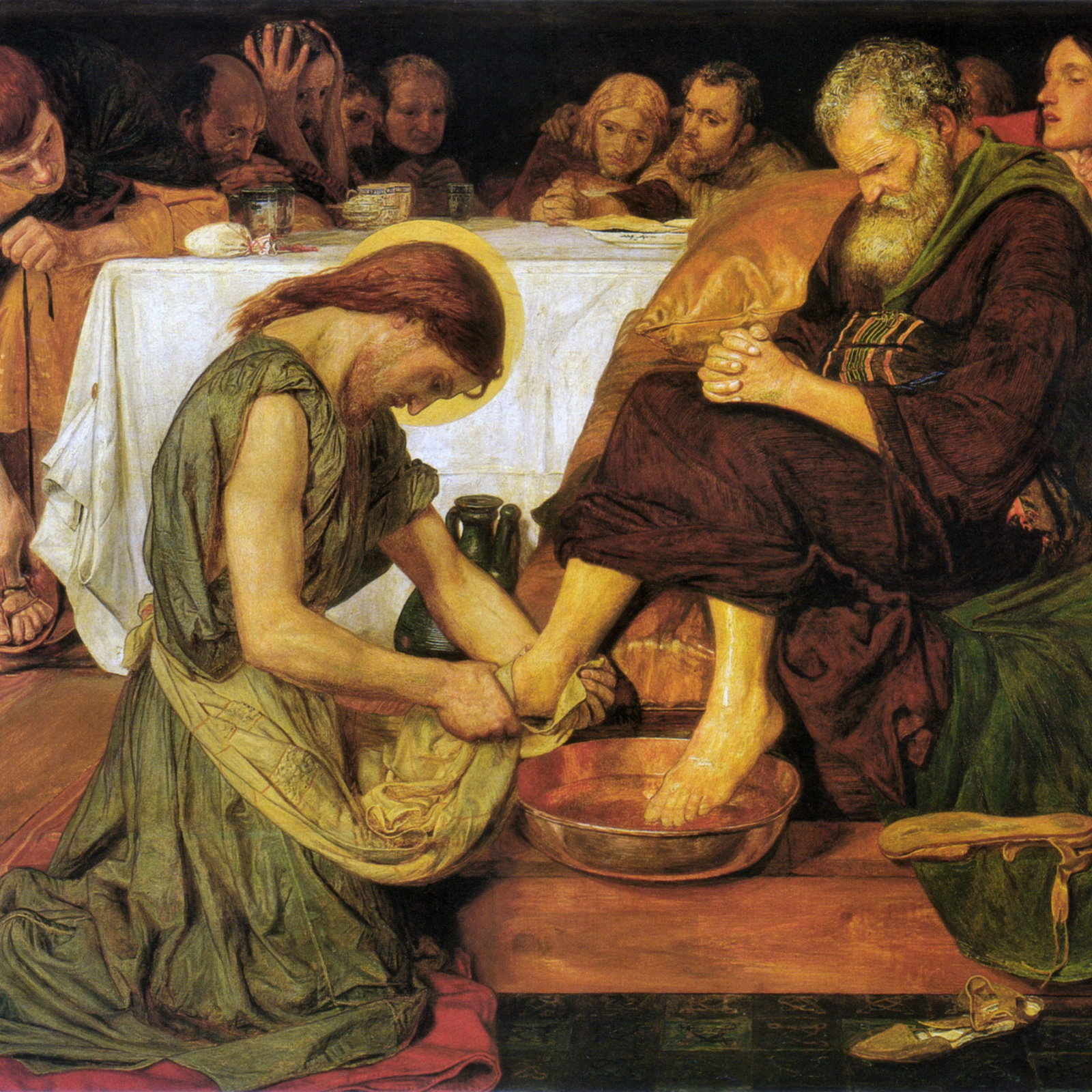
He That Glories, Let Him Glory in the Lord - Fr. Dominic Verner, O.P.
Nov 24, 2026 · 49m
Fr. Dominic Verner, O.P. explores the Thomistic understanding of glory, arguing that the Christian life is a call to properly order our desire for recognition by glorying exclusively in the cross of...
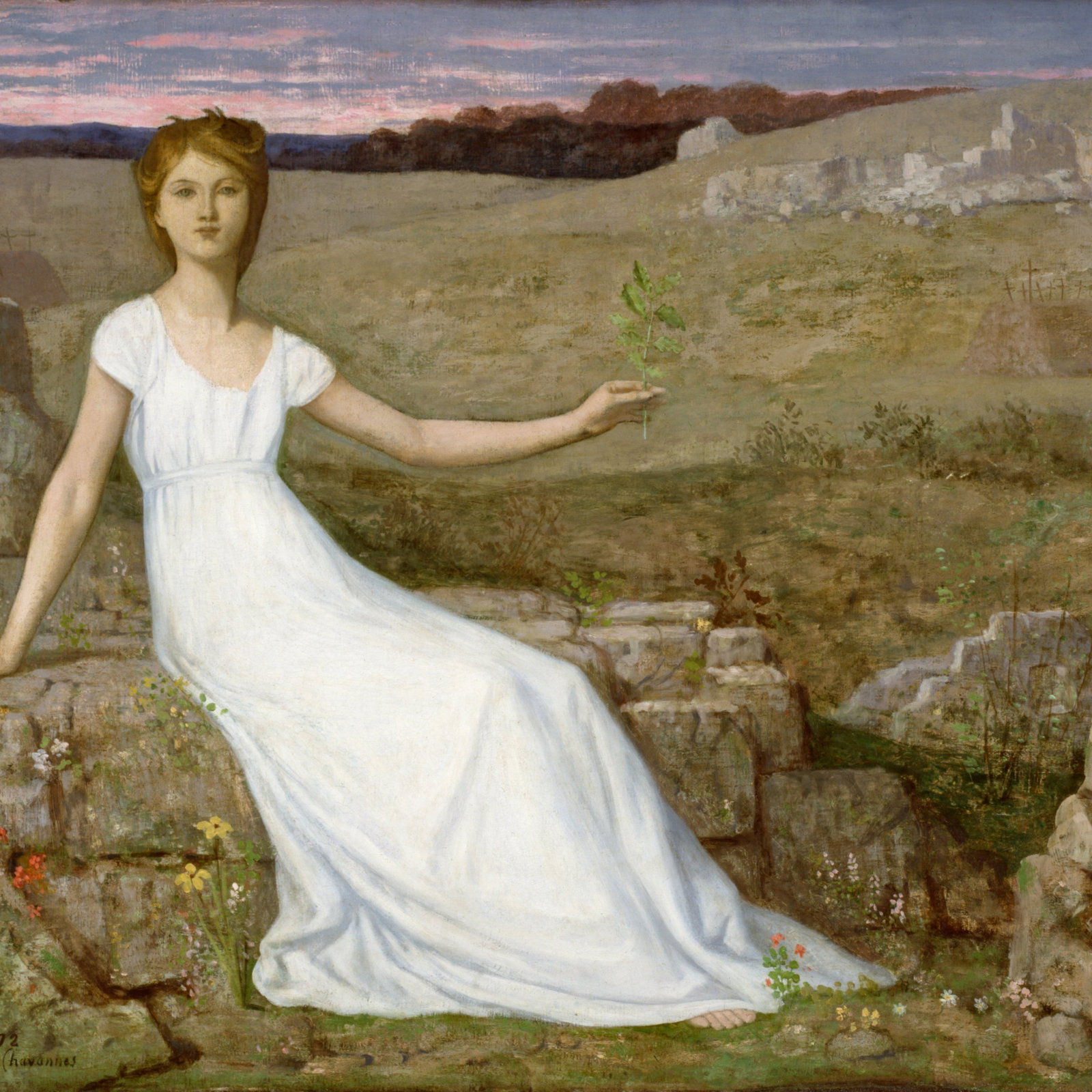
Cultivating the Virtue of Hope: Lessons from St. Thomas - Prof. David Elliot
Nov 23, 2026 · 49m
Defining the theological virtue of hope as a resilient disposition of the will, Prof. David Elliot illustrates how reliance on God's grace and our natural longing for happiness can sustain us in our...
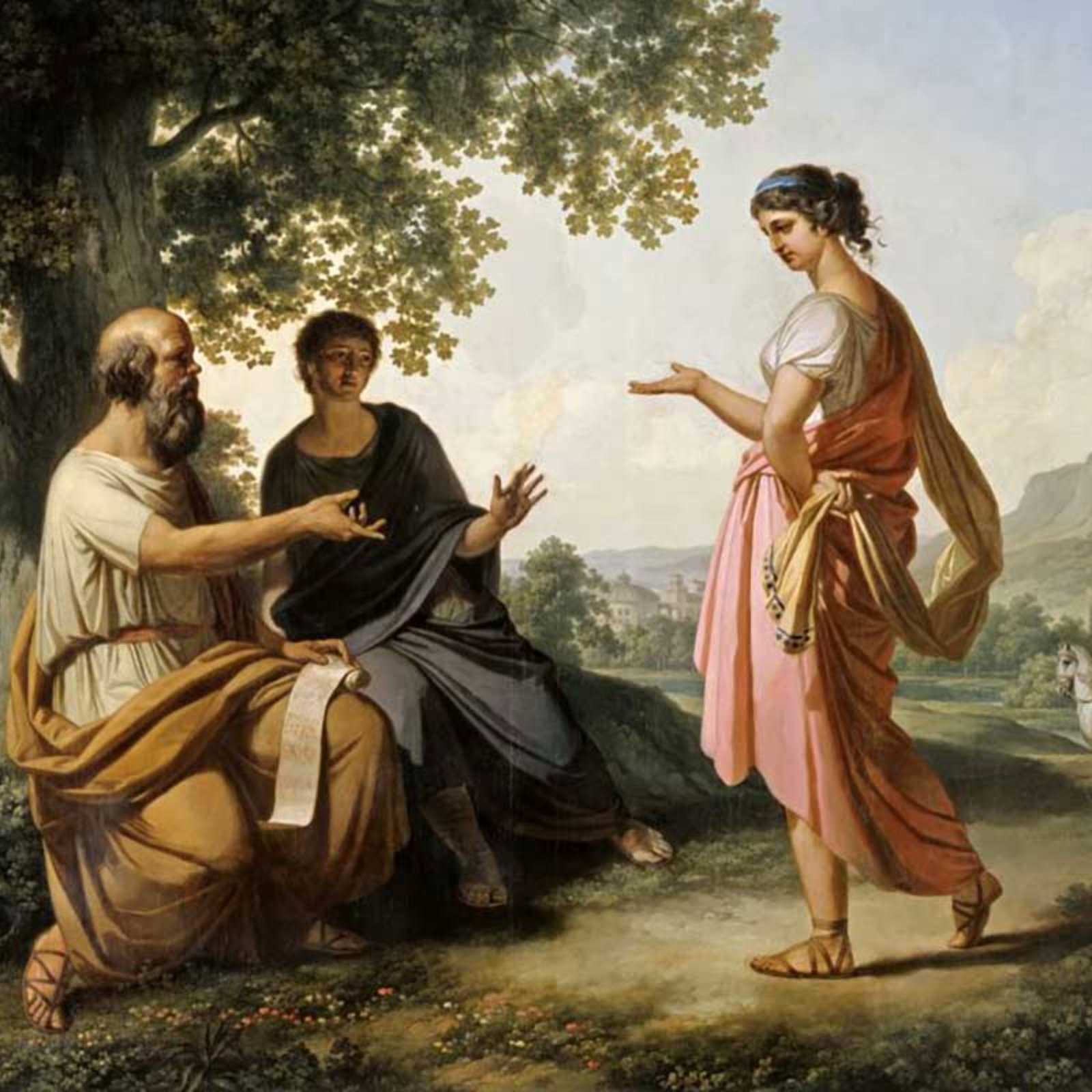
Sexes in the City: Men and Women in Plato's Republic - Dr. Kevin Kambo
Nov 20, 2026 · 53m
Dr. Kevin Kambo analyzes the classical concept of "homophrosune," or oneness of mind, as a model for integrating the masculine and feminine temperaments of courage and orderliness, providing his...
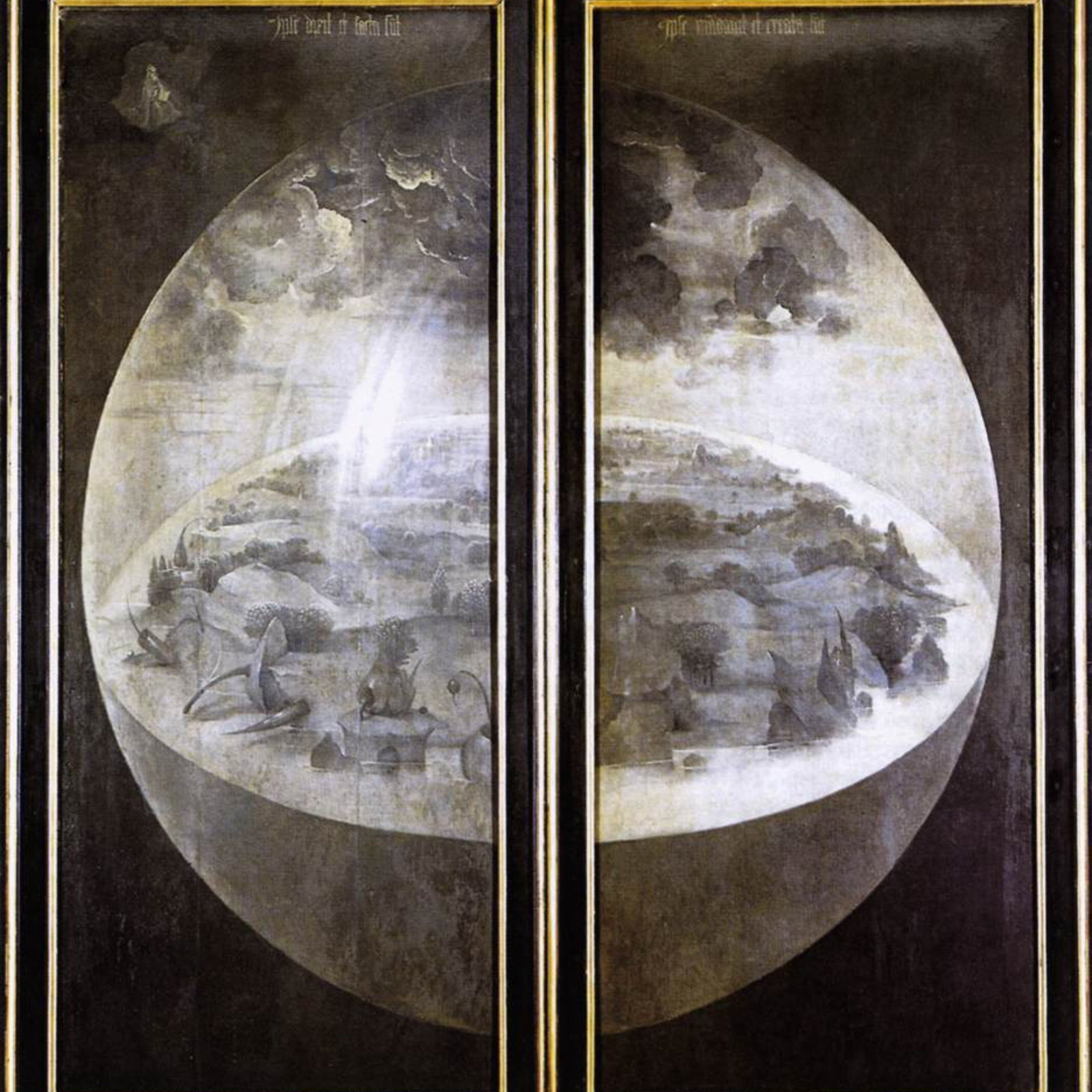
The Life and Times of a Flat-Earther: A Sketch of a Pseudo Controversy - Fr. Timothy Bellamah, O.P.
Nov 19, 2026 · 43m
By analyzing the writings of Thomas Aquinas and other historical records, Fr. Timothy Bellamah, O.P. debunks the pseudo-controversy of the medieval "flat-earth" myth to demonstrate that the Church has...
Take these sermons with you.
Follow The Thomistic Institute in the Getsermons app to get every new sermon, build playlists, and pick up right where you left off.

