
The Tolkien Road
0002 - The Silmarillion - Ainulindalë
Feb 7, 2015 · 1h 4m
Prefer sermons downloaded automatically?
About this sermon
Why did Tolkien begin Middle-earth with music?
In Episode 2 of Talking Tolkien, John and Greta dive into the Ainulindalë, “The Music of the Ainur,” the creation story that opens The Silmarillion. They explore Eru Ilúvatar, the Ainur, Melkor’s rebellion, the Valar, and the movement from music to vision to reality.
CHAPTERS
00:00 — Introduction
01:42 — Welcome to Episode 2
02:48 — Why The Silmarillion Is So Hard
07:36 — Beginning the Ainulindalë
07:57 — Tolkien’s Creation Story
09:22 — Music, Vision, and Reality
10:12 — Tolkien and Sub-creation
14:42 — Elves, Men, and Mortality
17:48 — Eru Ilúvatar and the Ainur
19:59 — Melkor Enters the Music
22:30 — Melkor’s Desire for Domination
26:10 — Hubris and the Origin of Evil
26:44 — What Do the Three Themes Mean?
29:26 — Melkor’s Discordant Music
31:35 — The Ainur and the Valar
37:02 — The Music Ends
38:03 — Ilúvatar Puts Melkor in His Place
39:10 — Evil Woven Into Greater Good
43:39 — Why the Valar Enter Eä
45:22 — The Children of Ilúvatar
49:17 — Elves and Men
57:18 — The First Battle for Arda
58:47 — How Melkor Changes the World
1:01:08 — The Terrifying Image of Melkor
1:02:13 — Final Thoughts
MUSIC, VISION, REALITY
John proposes a threefold structure for the Ainulindalë:
• Music
• Vision
• Reality
Ilúvatar gives the Ainur themes to develop in music. That music becomes a vision of the world, and the vision is eventually made real.
This reflects Tolkien’s idea of sub-creation: inspiration becomes vision, and vision becomes something created.
MELKOR AND THE ORIGIN OF DISCORD
Melkor is the greatest of the Ainur, but he wants more.
Instead of contributing freely to Ilúvatar’s theme, he introduces his own discord.
His defining problem is domination. He wants his mark on everything.
That becomes one of Tolkien’s great recurring themes: evil does not merely create—it seeks to control.
EVIL AND GREATER GOOD
Ilúvatar makes clear that Melkor cannot ultimately escape his design.
Even Melkor’s rebellion will be woven into something greater.
This does not make evil good. It means evil cannot finally defeat the Creator’s purposes.
Throughout Tolkien’s stories, sorrow can become the ground from which an even greater joy emerges.
THE AINUR, THE VALAR, AND THE CHILDREN
• The Ainur are the spiritual beings created by Ilúvatar.
• The Valar are Ainur who enter the created world.
• They descend largely out of love for the Children of Ilúvatar.
• The Children are Elves and Men.
• Elves are immortal within the life of the world.
• Men are mortal.
The contrast is important: Melkor wants to dominate, while the Valar want to nurture.
THE BIG TAKEAWAY
The Ainulindalë establishes the pattern of Tolkien’s entire mythology.
Creation begins in harmony.
Pride introduces discord.
Evil seeks domination.
But rebellion cannot ultimately escape Ilúvatar’s greater design.
And beneath it all is Tolkien’s idea of sub-creation: music becomes vision, vision becomes reality, and created beings participate in making something beautiful from what they have been given.
Become a supporter of this podcast: https://www.spreaker.com/podcast/the-tolkien-road--5222755/support.
More from The Tolkien Road
0403 » The Rings of Power » S3E4 » Gundabad » 10 Critical Problems
Nov 27, 2026 · 8m
Check out my new book Tolkien's Tragedy, where I set the record straight on the Second Age.10 CRITICAL PROBLEMS WITH THE RINGS OF POWER S3E4GUNDABAD, EAGLES & ARONDIR'S DEATHSeason 3 of The Rings of...
0402 » The Rings of Power » S3E3 » The Secret Fire » 10 Critical Problems
Nov 23, 2026 · 7m
Want to discover the Second Age as Tolkien actually envisioned it?Check out Tolkien's Tragedy: Concerning Númenor, an exploration of the rise and fall of the greatest kingdom of Men, and the spiritual...
0401 » The Rings of Power » S3E2 » The Gift Of Men » 10 Critical Problems
Nov 20, 2026 · 15m
10 CRITICAL PROBLEMS WITH THE RINGS OF POWER S3E25 CONTRADICTIONS & 5 CRINGE MOMENTSSeason 3 of The Rings of Power continues, and we're back with another installment of 10 Critical Problems!This...
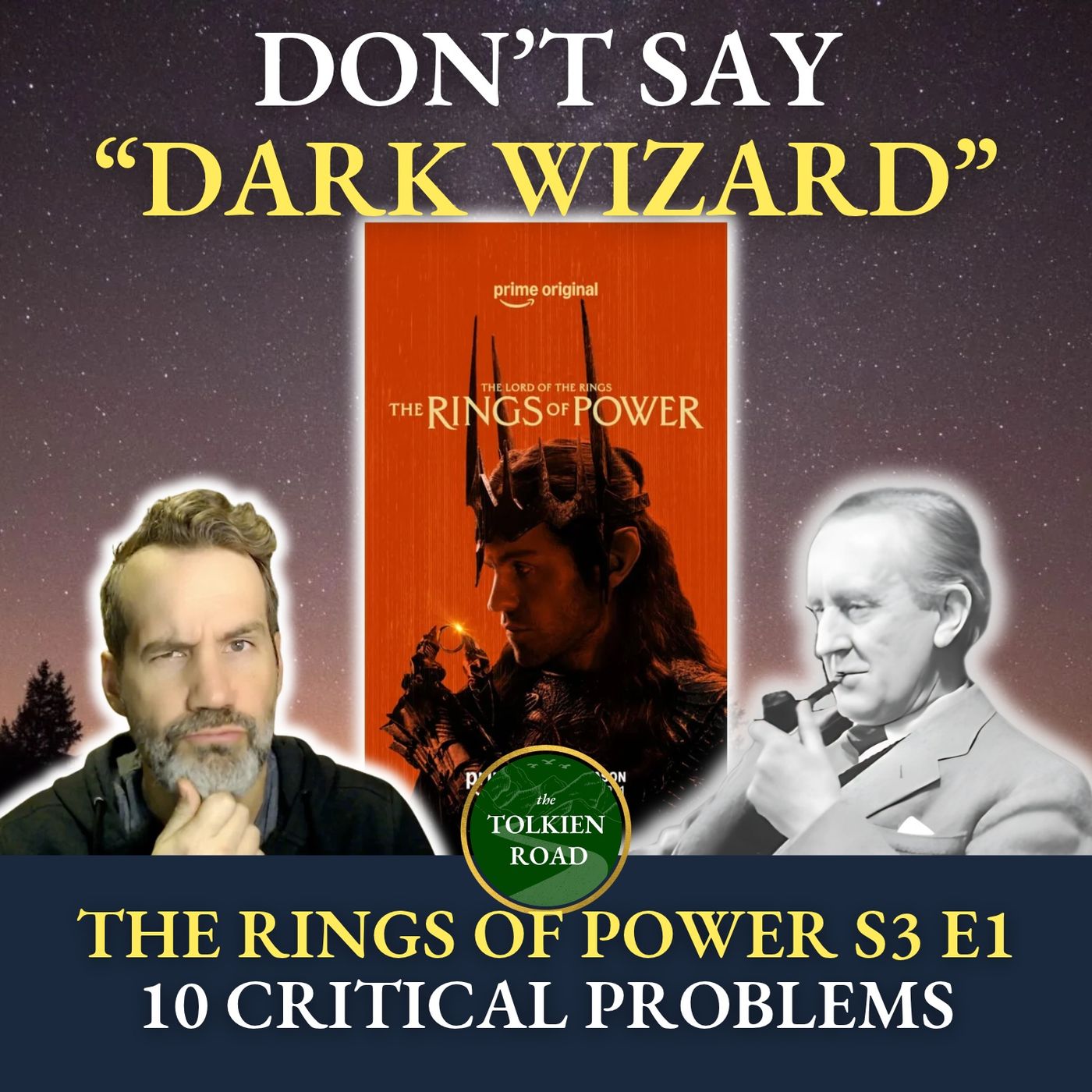
0400 » The Rings of Power » S3E1 » Marnûkh » 10 Critical Problems
Nov 16, 2026 · 14m
10 CRITICAL PROBLEMS WITH THE RINGS OF POWER S3E15 CONTRADICTIONS & 5 CRINGE MOMENTSSeason 3 of Amazon's The Rings of Power is here, and we're kicking off a new series on The Tolkien Road: 10 Critical...
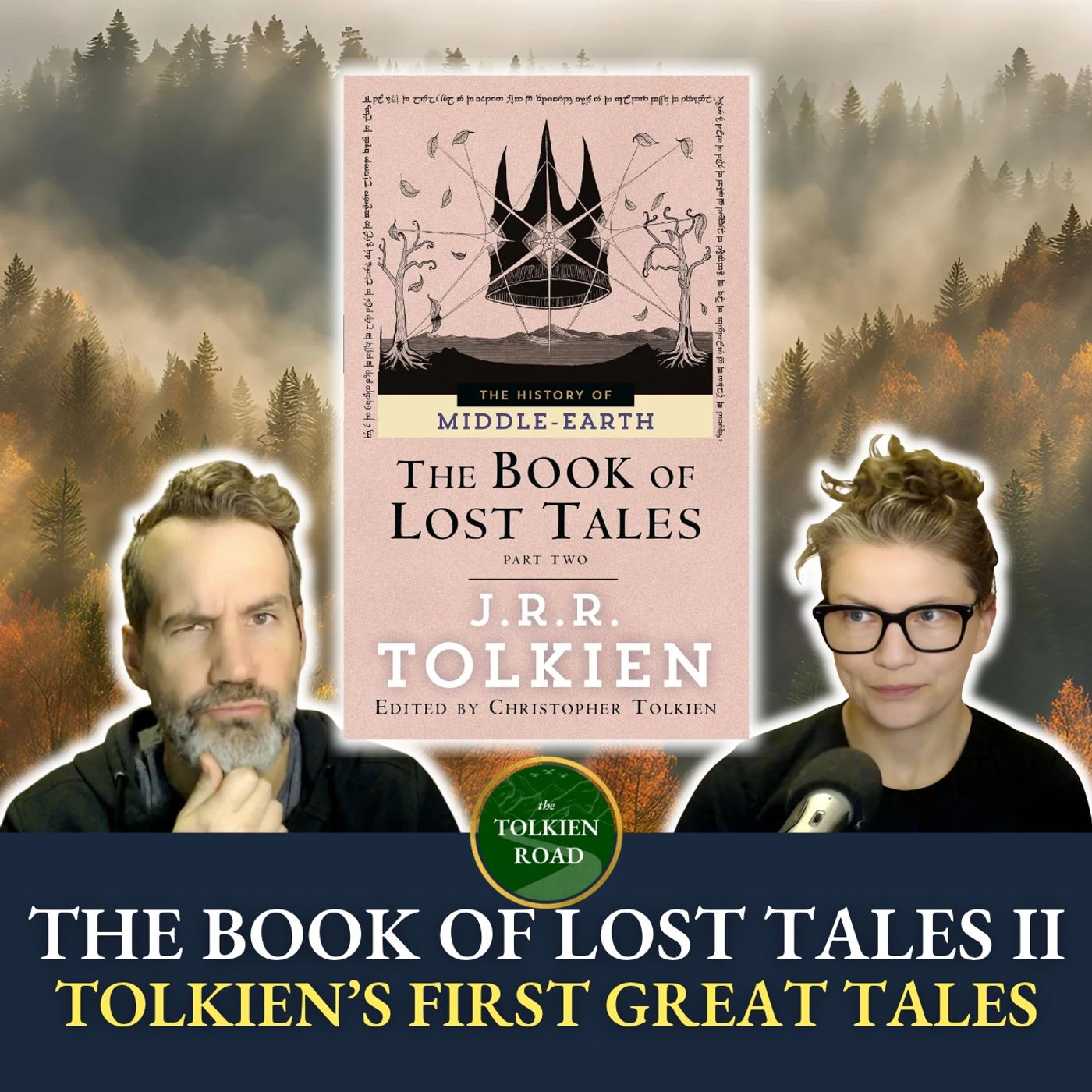
0235: The Book of Lost Tales II » Tolkien's First Great Tales
Nov 11, 2026 · 1h 18m
What did Beren and Lúthien, Túrin, Gondolin, and Eärendil look like when Tolkien first imagined them?In Episode 235 of The Tolkien Road, John and Greta survey The Book of Lost Tales 2, containing...
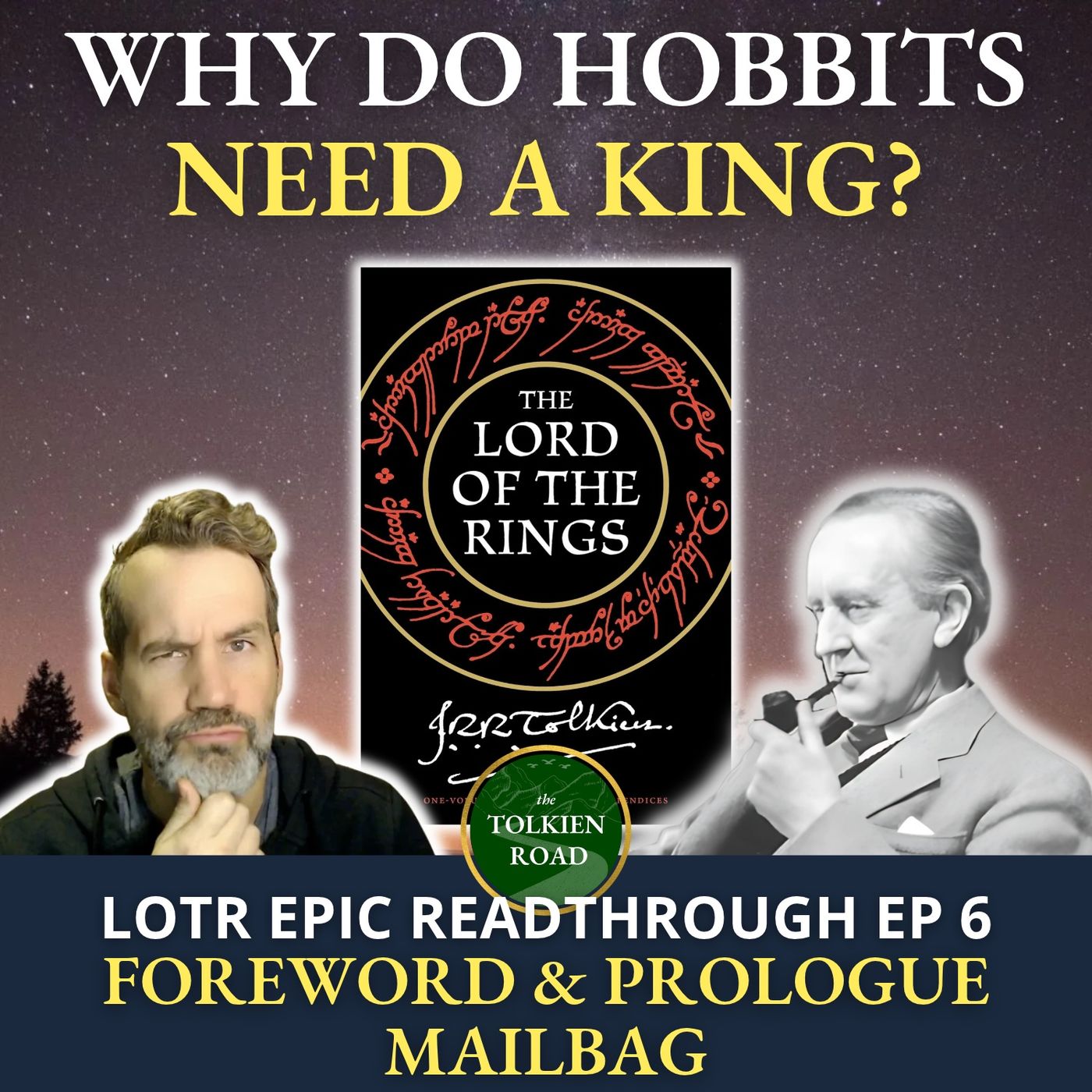
0394: The Lord of the Rings » Foreword & Prologue » Mailbag
Nov 9, 2026 · 22m
What did Tolkien Road listeners notice in the Foreword and Prologue that deserved a second look?In Episode 394 of The Tolkien Road, John opens the Do Not Be Hasty mailbag to discuss Tolkien’s creative...
Take these sermons with you.
Follow The Tolkien Road in the Getsermons app to get every new sermon, build playlists, and pick up right where you left off.

