
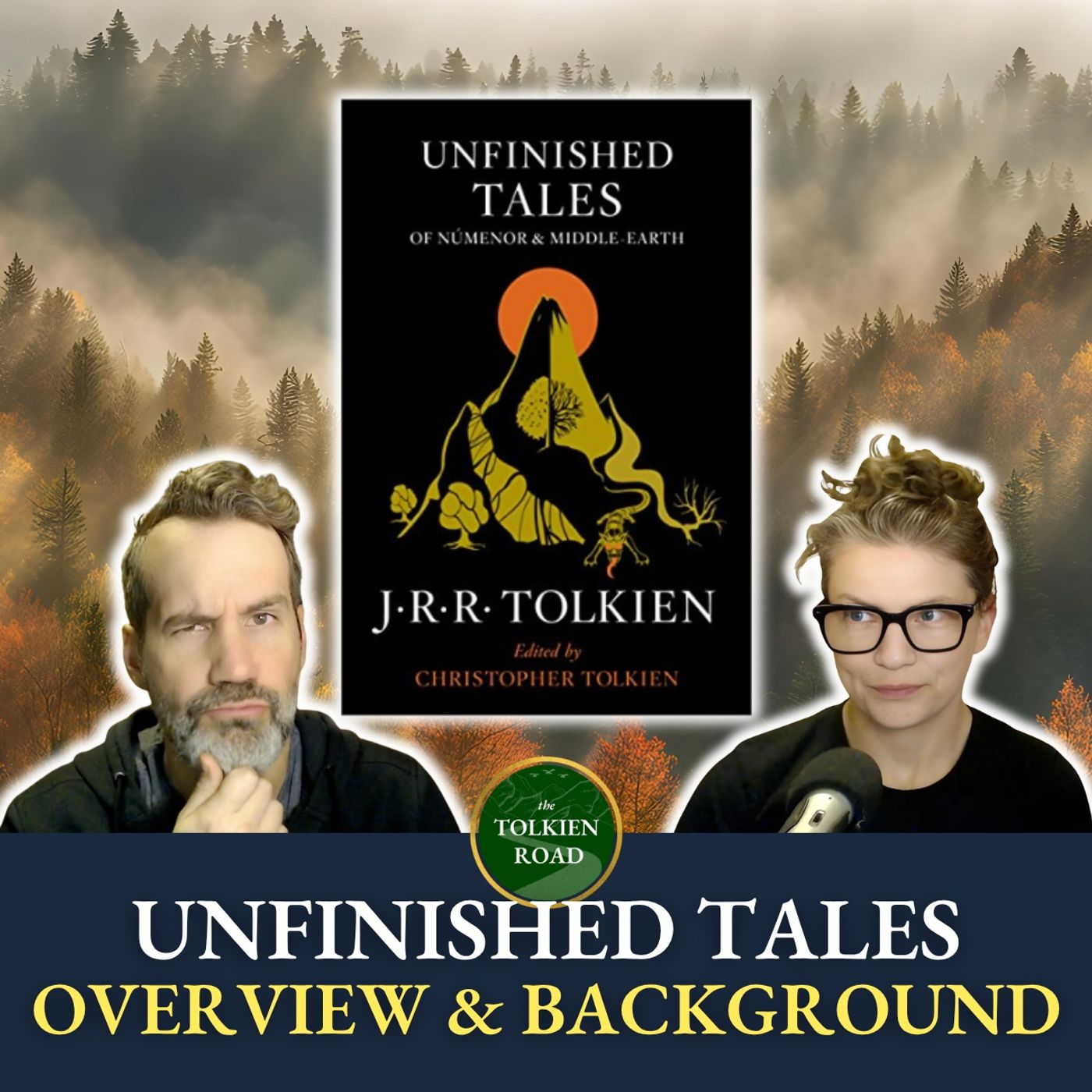
The Tolkien Road
0230: Unfinished Tales » Overview & Background
Oct 7, 2026 · 1h 14m
Prefer sermons downloaded automatically?
About this sermon
What exactly is Unfinished Tales—and why did Christopher Tolkien choose to publish his father’s unfinished writings at all?
In this episode of The Tolkien Road, we begin a new journey into Tolkien’s posthumously published legendarium by exploring the history, purpose, and editorial philosophy behind Unfinished Tales of Númenor and Middle-earth.00:00 — Introduction: Beginning Unfinished Tales
06:36 — Tolkien Quote of the Week: Why Fantasy Matters
08:52 — What Is Unfinished Tales?
10:14 — Why This Book Was So Important
11:38 — Christopher Tolkien Takes Up His Father’s Work
12:56 — Why Unfinished Tales Is Harder Than The Silmarillion
14:31 — Unfinished Tales as a Bridge to The History of Middle-earth
16:54 — Christopher Tolkien’s Experience with The Silmarillion
20:28 — The Three Choices Christopher Tolkien Faced
21:33 — Choosing Textual History Instead of New Stories
24:14 — Why Christopher Changed His Editorial Approach
27:36 — Why Publish Tolkien’s Unfinished Material?
28:23 — Do Tolkien Fans Really Want All the Details?
44:59 — Christopher Tolkien’s Lasting Editorial Legacy
45:42 — Listener Correspondence
What Is Unfinished Tales?Unfinished Tales of Númenor and Middle-earth was published in 1980
It followed The Silmarillion, which Christopher Tolkien published in 1977
The book gathers incomplete narratives, drafts, notes, and alternate versions of stories from across the legendarium
Some stories are relatively complete, while others require extensive editorial explanation
Christopher frequently interrupts the narrative to explain manuscript differences, chronology, textual problems, and editorial choices
Why It Is Different from The SilmarillionThe Silmarillion was shaped into a relatively cohesive narrative
Christopher combined and edited multiple sources in an attempt to present something close to his father’s intended mythology
Unfinished Tales takes a very different approach
Rather than smoothing over inconsistencies, Christopher increasingly shows readers the manuscripts as Tolkien actually left them
The result is more scholarly, fragmented, and sometimes more difficult—but also much more transparent
Christopher Tolkien’s Three Choices
After publishing The Silmarillion, Christopher essentially faced three paths:Do nothing and leave his father’s unpublished material alone
Continue the legendarium, perhaps by completing stories or bringing in other writers
Present the textual history, allowing readers to see Tolkien’s drafts, revisions, contradictions, and unfinished writings
Christopher ultimately chose the third path.
Why That Decision MatteredUnfinished Tales became a prototype for the later twelve-volume History of Middle-earth
Instead of continuing Middle-earth himself, Christopher became the curator and interpreter of Tolkien’s manuscripts
He increasingly preferred to show readers what his father actually wrote rather than construct polished versions of unfinished stories
Stories already familiar from The Silmarillion, such as Tuor’s journey to Gondolin and the tale of the Children of Húrin, could now appear in fuller or less heavily edited forms
Readers gained access not only to Tolkien’s stories but also to the process by which those stories developed
Christopher Tolkien as “Tour Guide”
A useful way to understand Unfinished Tales is as a museum of Tolkien’s unfinished writings, with Christopher serving as the tour guide.He explains:Which manuscripts survive
How different versions relate to one another
Where Tolkien changed his ideas
Which texts are incomplete
Why contradictions exist
What editorial decisions were made
That makes the book more demanding, but also extraordinarily valuable for readers who want to understand how Tolkien’s legendarium evolved.
Why Tolkien Fans Want This Material
Christopher sometimes seems uncertain whether readers really want such detailed material.
But for serious Tolkien readers, those details are part of the appeal. Geography, timelines, alternate drafts, abandoned ideas, and seemingly tiny differences can all provide insight into Tolkien’s creative process.
By publishing the textual history, Christopher also gave future readers and adapters a much clearer picture of Tolkien’s actual vision.
The Big Takeaway
Unfinished Tales represents a turning point in the history of Tolkien publishing.
After the more interventionist editorial approach required to create The Silmarillion, Christopher Tolkien chose a different path: preserve the manuscripts, expose their complexity, and let readers see the legendarium developing in Tolkien’s own words.
That decision gave us not only Unfinished Tales, but eventually The History of Middle-earth—and an unprecedented window into the creation of Middle-earth.
SPECIAL THANKSKaitlyn of Tea with Tolkien
Liis U
Andrew T
John R
Shannon S
Brian O
Emilio P
Zeke F
James A
James L
Chris L
Chuck F
Asya V
Ish of the Hammer
Teresa C
David of Pints with Jack
Jonathan D
Eric S
Joey S
Eric B
Matt L
Johanna T
Ms. Anonymous
Sam N
Mike M
Become a supporter of this podcast: https://www.spreaker.com/podcast/the-tolkien-road--5222755/support.
More from The Tolkien Road
0403 » The Rings of Power » S3E4 » Gundabad » 10 Critical Problems
Nov 27, 2026 · 8m
Check out my new book Tolkien's Tragedy, where I set the record straight on the Second Age.10 CRITICAL PROBLEMS WITH THE RINGS OF POWER S3E4GUNDABAD, EAGLES & ARONDIR'S DEATHSeason 3 of The Rings of...
0402 » The Rings of Power » S3E3 » The Secret Fire » 10 Critical Problems
Nov 23, 2026 · 7m
Want to discover the Second Age as Tolkien actually envisioned it?Check out Tolkien's Tragedy: Concerning Númenor, an exploration of the rise and fall of the greatest kingdom of Men, and the spiritual...
0401 » The Rings of Power » S3E2 » The Gift Of Men » 10 Critical Problems
Nov 20, 2026 · 15m
10 CRITICAL PROBLEMS WITH THE RINGS OF POWER S3E25 CONTRADICTIONS & 5 CRINGE MOMENTSSeason 3 of The Rings of Power continues, and we're back with another installment of 10 Critical Problems!This...
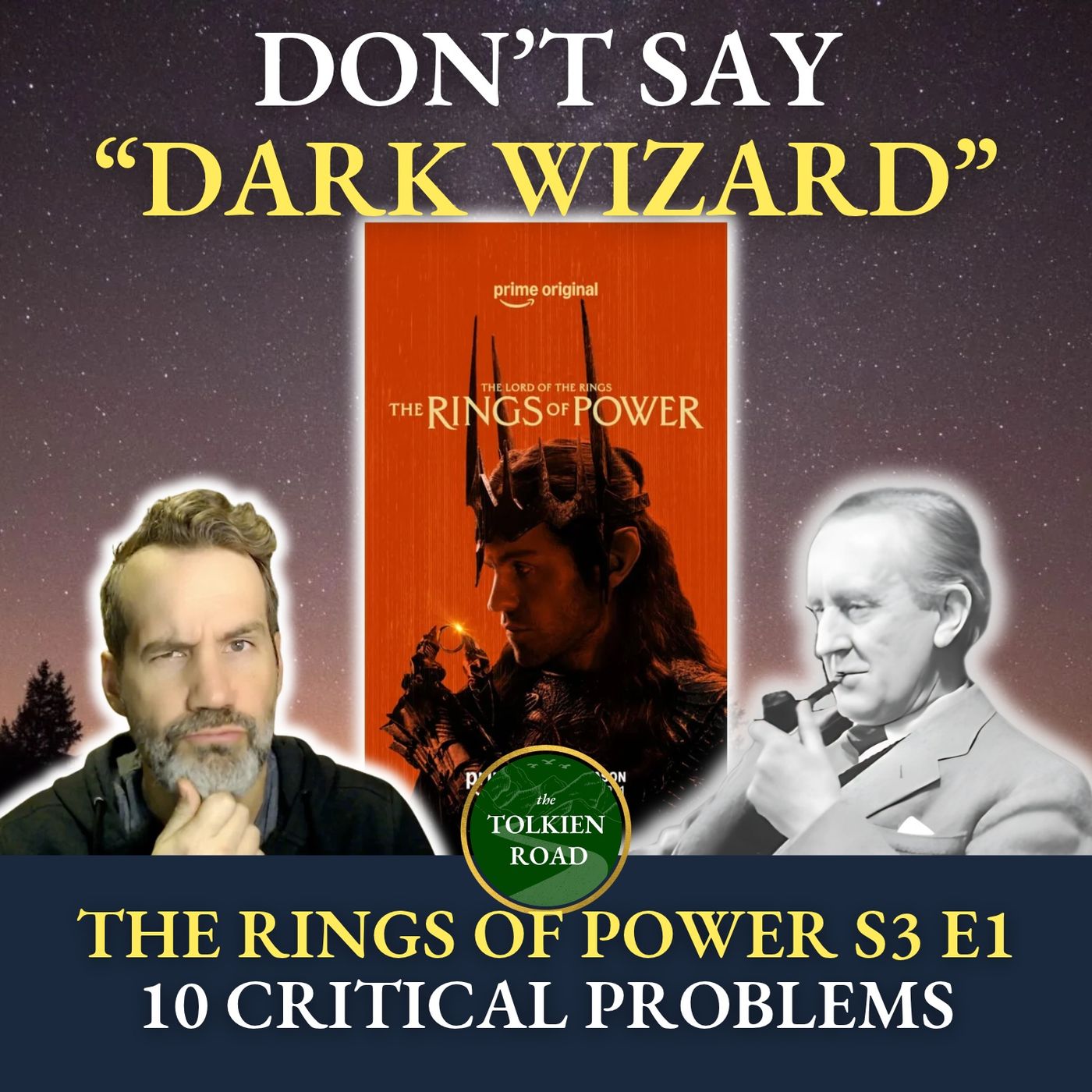
0400 » The Rings of Power » S3E1 » Marnûkh » 10 Critical Problems
Nov 16, 2026 · 14m
10 CRITICAL PROBLEMS WITH THE RINGS OF POWER S3E15 CONTRADICTIONS & 5 CRINGE MOMENTSSeason 3 of Amazon's The Rings of Power is here, and we're kicking off a new series on The Tolkien Road: 10 Critical...
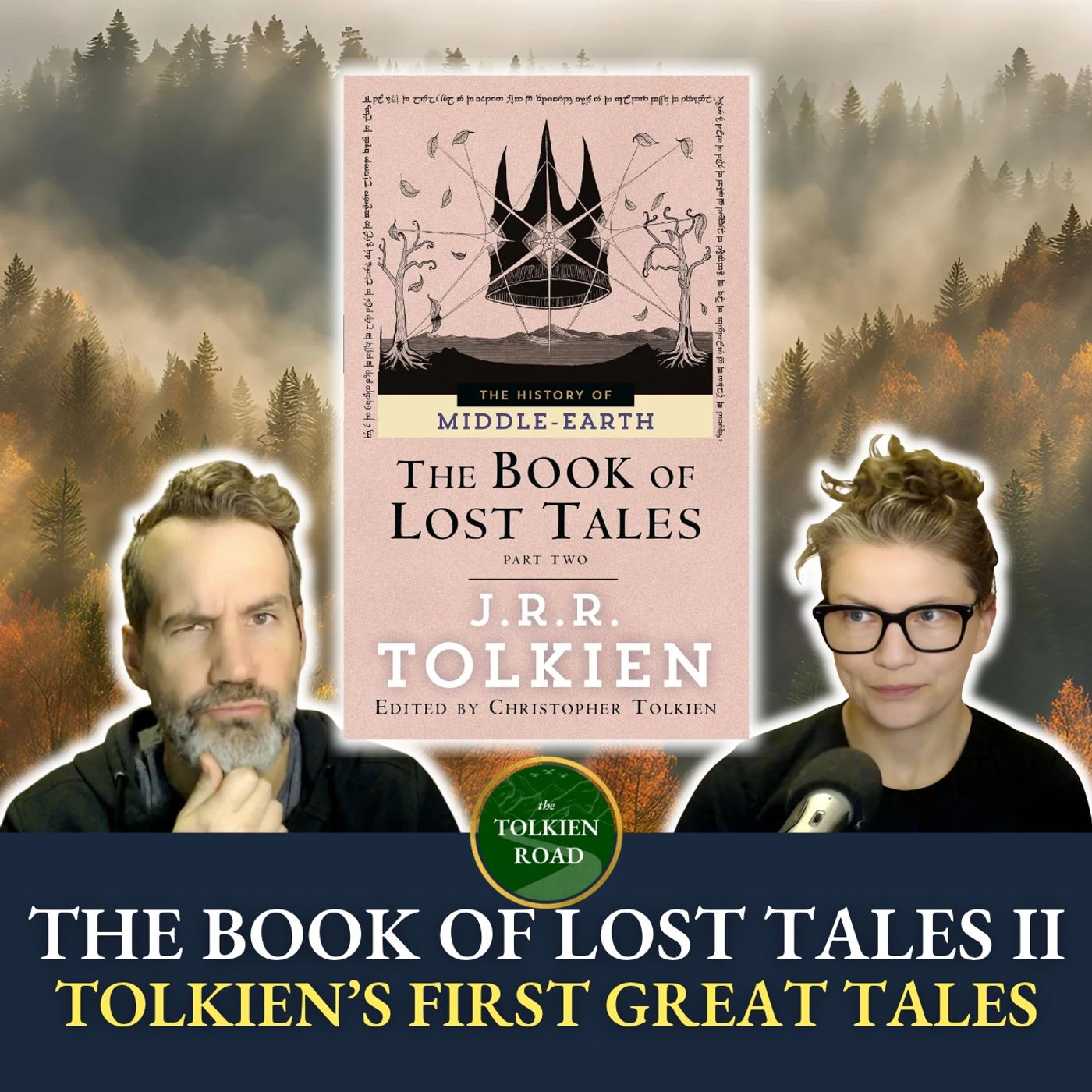
0235: The Book of Lost Tales II » Tolkien's First Great Tales
Nov 11, 2026 · 1h 18m
What did Beren and Lúthien, Túrin, Gondolin, and Eärendil look like when Tolkien first imagined them?In Episode 235 of The Tolkien Road, John and Greta survey The Book of Lost Tales 2, containing...
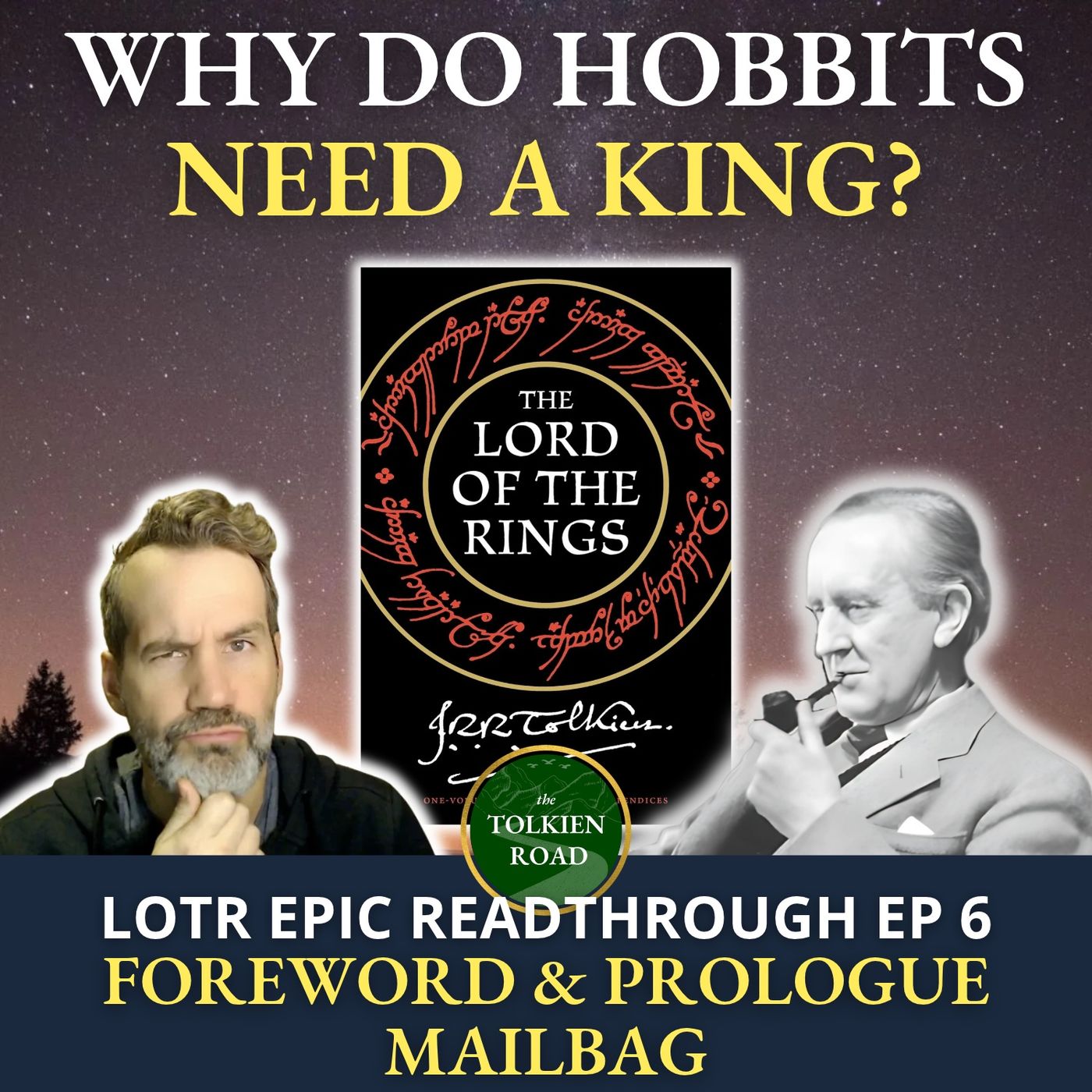
0394: The Lord of the Rings » Foreword & Prologue » Mailbag
Nov 9, 2026 · 22m
What did Tolkien Road listeners notice in the Foreword and Prologue that deserved a second look?In Episode 394 of The Tolkien Road, John opens the Do Not Be Hasty mailbag to discuss Tolkien’s creative...
Take these sermons with you.
Follow The Tolkien Road in the Getsermons app to get every new sermon, build playlists, and pick up right where you left off.

