
Trinity and Christian Life
Aquinas on Divine Concurrence and Agency
Dec 11, 2025 · 32m
Prefer sermons downloaded automatically?
About this sermon
If God is absolutely sovereign and the primary cause of everything, is there any room left for human free will? Conversely, if humans are truly free, does that mean God loses control over history? In this deep dive, we explore Thomas Aquinas’s metaphysical solution to this ancient tension: the doctrine of Divine Concurrence (concursus divinus).
Join us as we unpack how Aquinas navigates the narrow path between two theological extremes: Occasionalism (where creatures are mere puppets) and Deism (where God is a distant spectator),. We analyze the mechanics of how God acts as the "Primary Cause" to empower creatures as genuine "secondary causes," ensuring that every action is fully caused by God and fully caused by the creature, but in different ways,.
In this episode, we cover:
• The Metaphysical Crisis: Why Christian theology requires a "non-competitive" relationship between the infinite Creator and finite creatures,.
• Primary vs. Secondary Causality: Understanding how God is the Causa Prima who sustains the being of an action, while the creature determines the specific nature of the act,.
• The "Limping" Analogy: How Aquinas solves the problem of evil. If God causes every action, is He the author of sin? We look at the "deficient cause" argument: God supplies the energy (the walking), but the sinner supplies the defect (the limp),.
• The Mechanism of Grace: How God moves the human will "interiorly" and "immutably" without forcing it, acting closer to us than we are to ourselves,.
• The Great Controversy: The fierce theological "civil war" between the Dominicans (Bañezians) and Jesuits (Molinists) over whether God "physically premoves" the will or concurs simultaneously with it,,.
• Reformed Legacy: How this Thomistic distinction influenced Protestant heavyweights like Francis Turretin and the Westminster Confession of Faith to defend the doctrine of Providence,.
Key Quote: "The writing is produced wholly by the writer and wholly by the pen... The effect proceeds entirely from both, but in different orders of causality."
Analogy for the Road: Think of a master pianist playing a concerto. The music produced is 100% the result of the pianist (the Primary Cause) who provides the intent and the motion. However, the music is also 100% the result of the piano (the secondary cause), which provides the specific sound and mechanics. If the piano is out of tune, the discord (sin/evil) comes entirely from the defect in the instrument, not the skill of the pianist, even though the pianist provides the power to strike the keys
More from Trinity and Christian Life
Why Churches Fail Disabled Families: Moving from Accommodation to Belonging
Nov 14, 2026 · 54m
Why do local churches—which readily profess the God-given dignity of all people—so often struggle to include disabled individuals and their families? In this episode, we examine the painful gap...
D.A. Carson's Battle for the Center | 1 Corinthians 15 & The Gospel
Nov 9, 2026 · 1h 8m
It is remarkably easy to sound prophetic from the margins; what is urgently needed is the courage to be prophetic from the centerIn this episode, we dive into D. A. Carson’s defining exposition of 1...
Eden Was Never the Final Destination: Adam’s Pre-Fall Eschatological Vocation
Nov 1, 2026 · 51m
Was the Garden of Eden meant to be humanity’s permanent paradise, or was it merely the starting line? In this episode, we explore the deep biblical theology behind Adam’s original commission before...
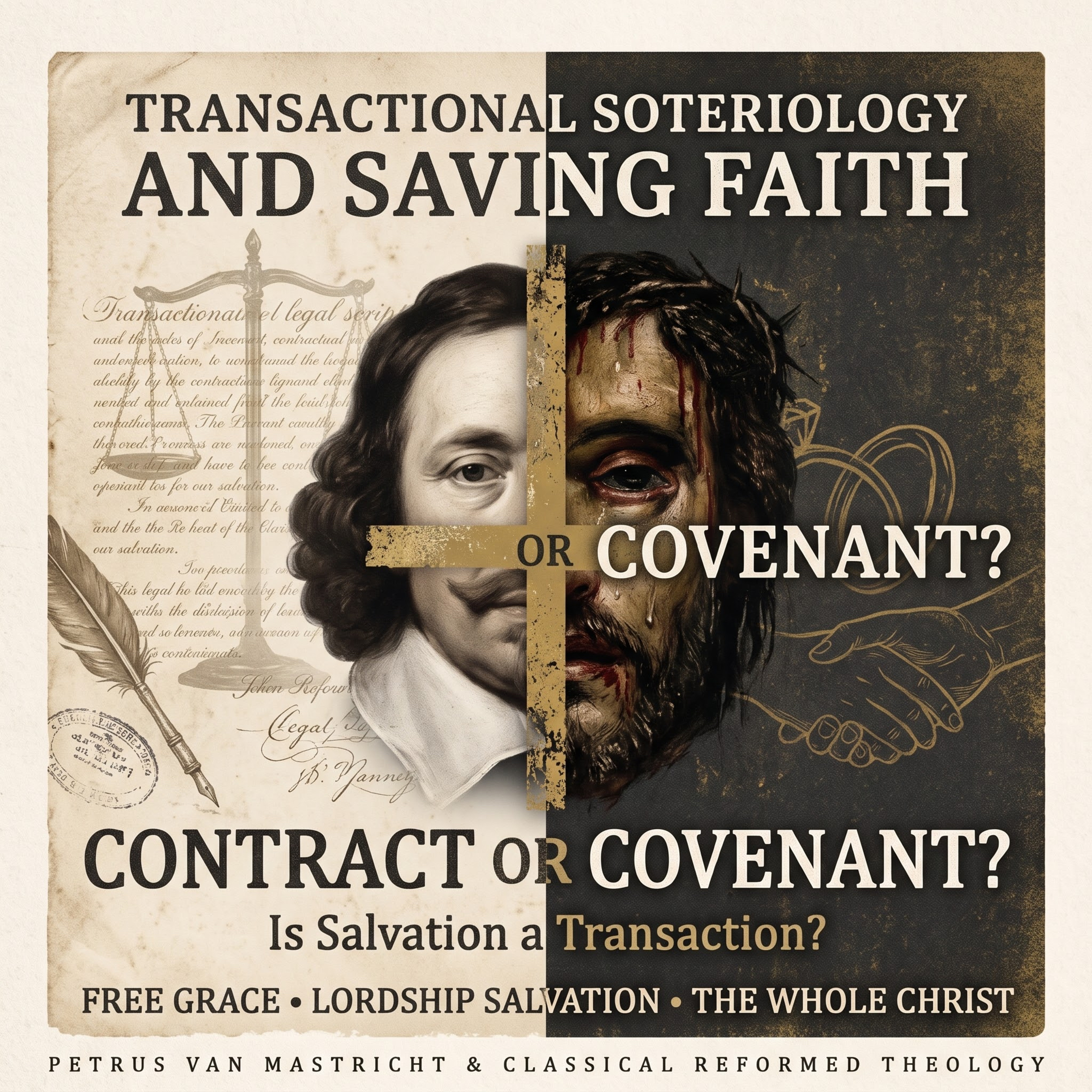
Is Salvation a Contract or Covenant? | Free Grace vs. Lordship Salvation
Oct 23, 2026 · 45m
Is salvation a commercial contract or a conjugal covenant? In this episode, we unpack the late 20th-century controversy between Free Grace Theology (Zane Hodges, Charles Ryrie) and Lordship...
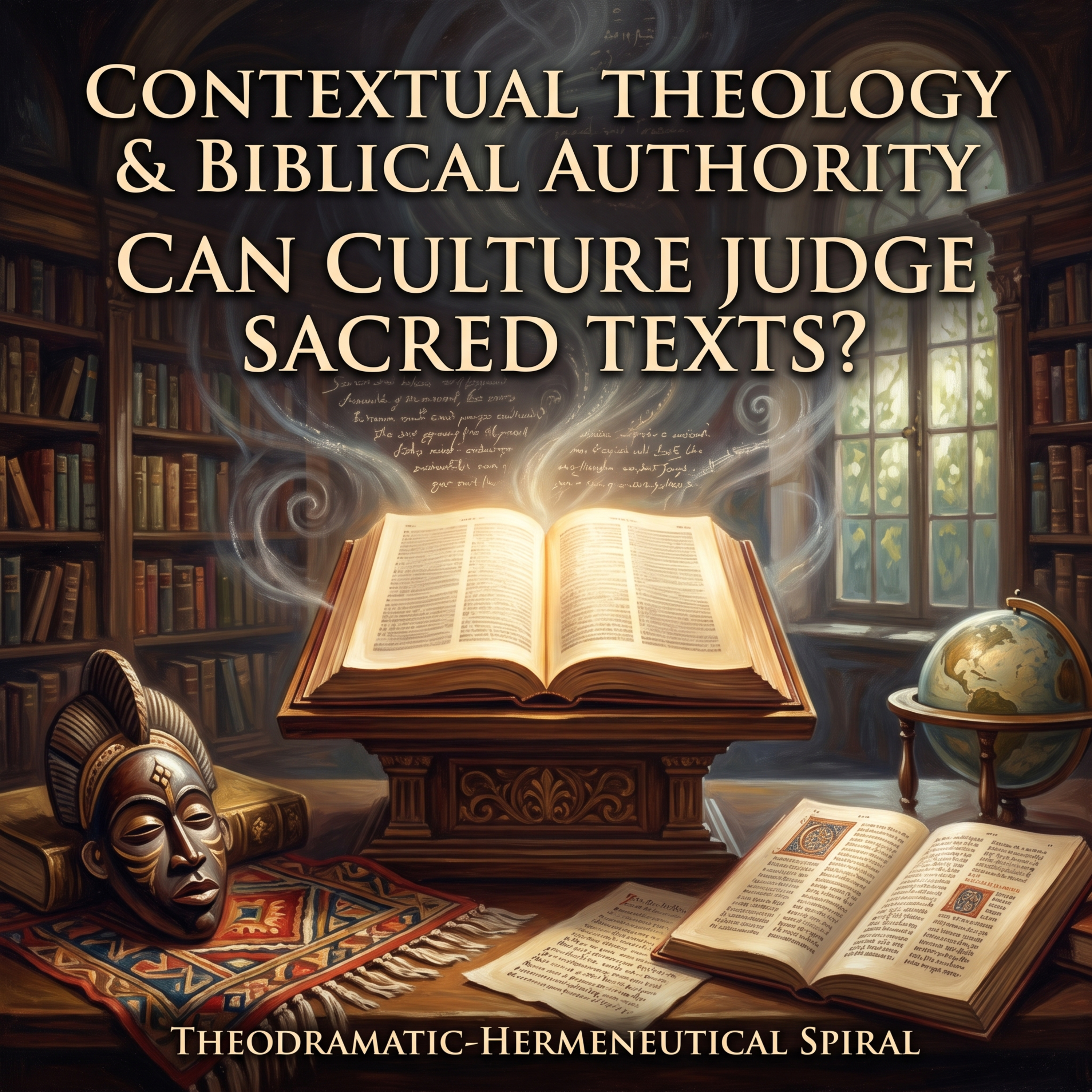
Can Culture Judge Sacred Texts? Contextual Theology, Hermeneutics & Biblical Authority
Oct 19, 2026 · 1h 3m
When we say "all theology is contextual," what do we actually mean? Does modern cultural experience merely ask questions of ancient Scripture, or can culture sit as a normative judge over sacred texts...
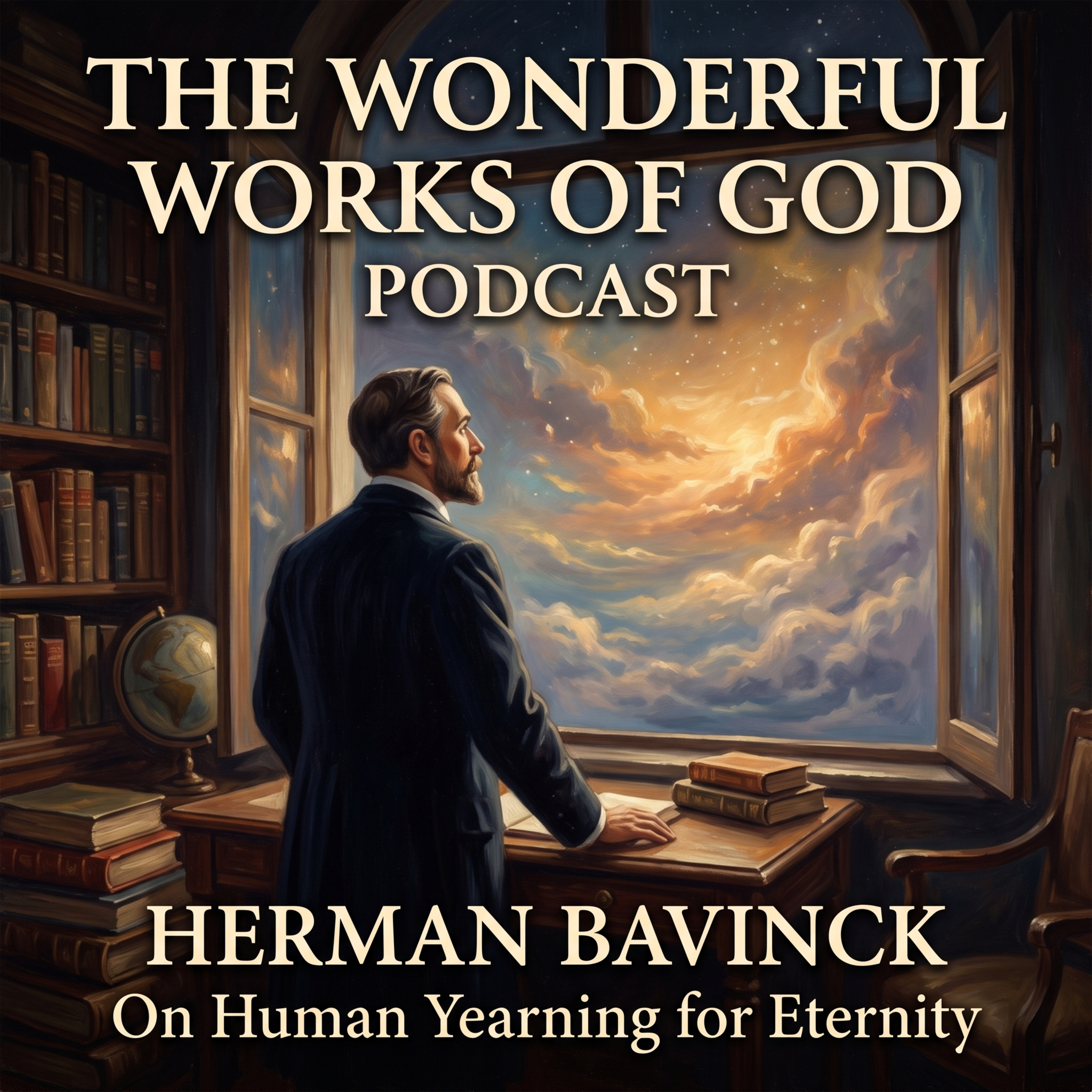
Herman Bavinck on Human Yearning for Eternity | The Wonderful Works of God
Oct 17, 2026 · 48m
Why is the human heart perpetually restless, even when surrounded by temporal success, culture, and knowledge? In this episode, we explore Chapter 1 ("Man’s Highest Good") of Dutch Reformed theologian...
Take these sermons with you.
Follow Trinity and Christian Life in the Getsermons app to get every new sermon, build playlists, and pick up right where you left off.

