
Trinity and Christian Life
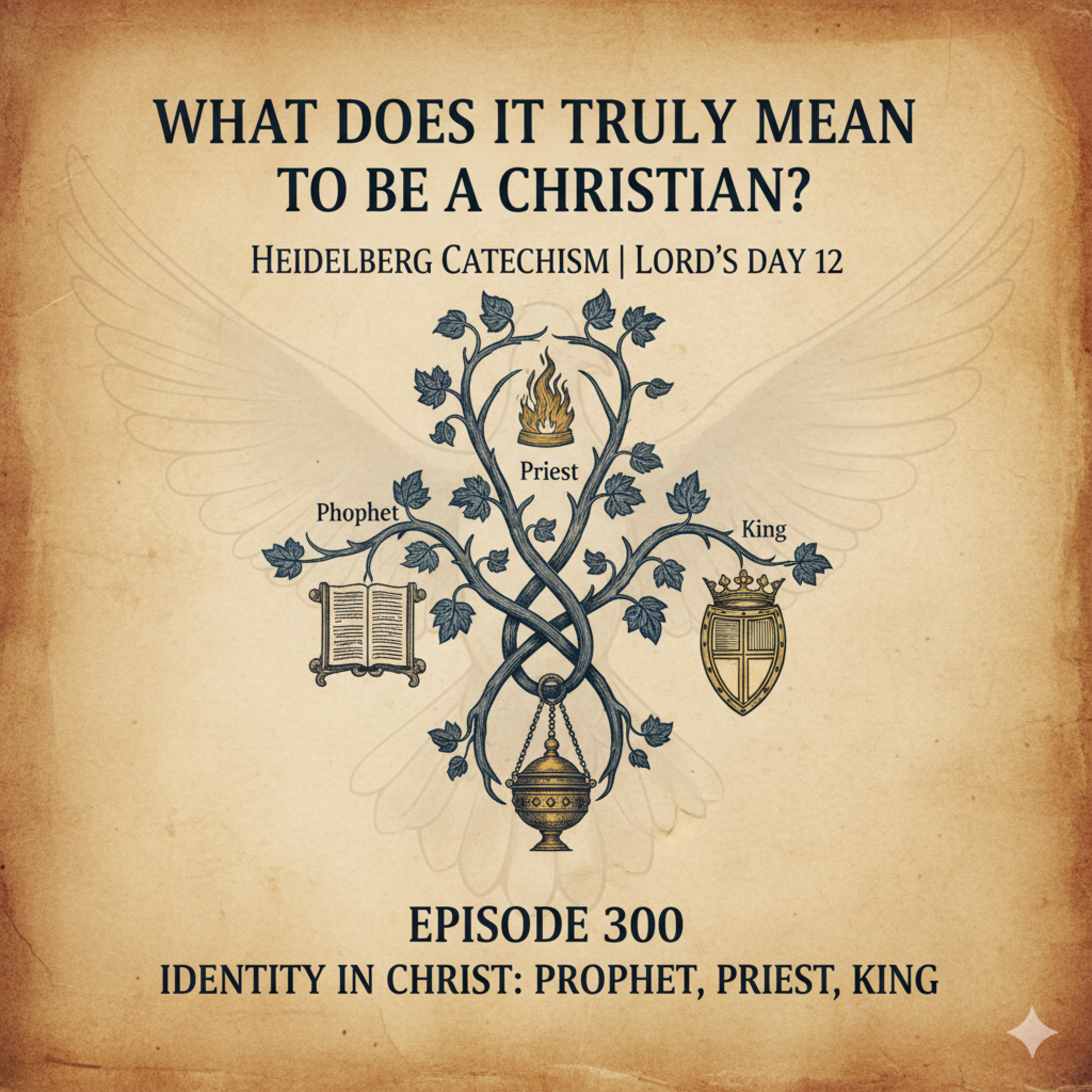
Identity in Christ - Prophet, Priest, King
Sep 17, 2025 · 31m
Prefer sermons downloaded automatically?
About this sermon
What does it truly mean to be a Christian? This profound exploration of the Heidelberg Catechism's Lord's Day 12 reveals a revolutionary understanding of Christian identity that has shaped Reformed theology for over 450 years.
The Revolutionary Definition:
The Heidelberg Catechism defines a Christian as one who is "by faith a member of Christ and thus a sharer in his anointing." This isn't just poetic language - it's the theological foundation that transforms how we understand our entire existence as believers.
Historical Context and Purpose:
Written in 1563 by Zacharias Ursinus in the Electoral Palatinate, the Heidelberg Catechism emerged from a desire to unite various Protestant factions around faith that was "robustly biblical, theologically precise, and warmly devotional." Structured around Guilt, Grace, and Gratitude, it addresses the crucial question: if salvation is by grace alone through faith alone, what motivates Christian living?
The answer revolutionizes Christian ethics: The Christian life flows entirely from gratitude for salvation already accomplished, not from fear of condemnation or attempts to earn favor with God.
Mystical Union: The Foundation of Everything
Before a Christian does anything, they are something. The doctrine of mystical union with Christ establishes that believers are "engrafted" into Christ, drawing life and sustenance from Him like branches on a vine. This union grants both justification (legal declaration) and sanctification (transformative work) - the "double grace" that comes from receiving the "whole Christ."
The Catechism grounds this in 1 Corinthians 12:12-27, using corporate scripture to answer a personal question, demolishing "purely individualistic understandings of Christian identity." To be a Christian is to be incorporated into a living organism united to Christ as Head and to all other members.
Sharing in Christ's Anointing
As members of the "Anointed One" (Christos), believers partake in that anointing - the gift of the Holy Spirit. This makes every believer a "little anointed one" reflecting the great Anointed One. The Spirit's anointing consecrates for holy purposes and empowers for called tasks.
This universal anointing, supported by Acts 2:17 and 1 John 2:27, establishes the "office of all believers," dismantling rigid clergy-laity divisions and equipping every Christian for active service.
The Threefold Office: Prophet, Priest, and King
The anointing empowers Christians for specific callings that mirror Christ's own offices:
PROPHET - "To Confess His Name" Every Christian is a spokesperson for God, called to "forth-tell" the truth of the gospel in word and deed. This verbal confession (Matthew 10:32, Romans 10:9-10) is both necessary fruit of faith and spiritual sacrifice of praise.
PRIEST - "A Living Sacrifice of Thanks" The priesthood of all believers grants every Christian direct access to God and the calling to offer spiritual sacrifices. Romans 12:1's command to "present your bodies as a living sacrifice" becomes total self-dedication motivated by gratitude for God's mercies.
KING - "To Strive and Reign" The kingly office has dynamic tension: present struggle against sin and Satan (Galatians 5:16-17, Ephesians 6:11) "with a free conscience," and future co-regency with Christ over all creation (2 Timothy 2:12, Matthew 25:34). This provides realistic yet hope-filled vision of Christian life.
Practical Transformation
This isn't abstract theology - it's identity that transforms everything. The Catechism "masterfully integrates being and doing," grounding all Christian vocation in new ontology in Christ. Every believer is called to:
Public witness (prophetic)
Personal consecration (priestly)
Spiritual warfare (kingly)
All animated by "deep and abiding gratitude for the grace of God."
Modern Relevance:
In an age of identity confusion and performative Christianity, the Heidelberg Catechism offers profound clarity: your identity is secure in mystical union with Christ
More from Trinity and Christian Life
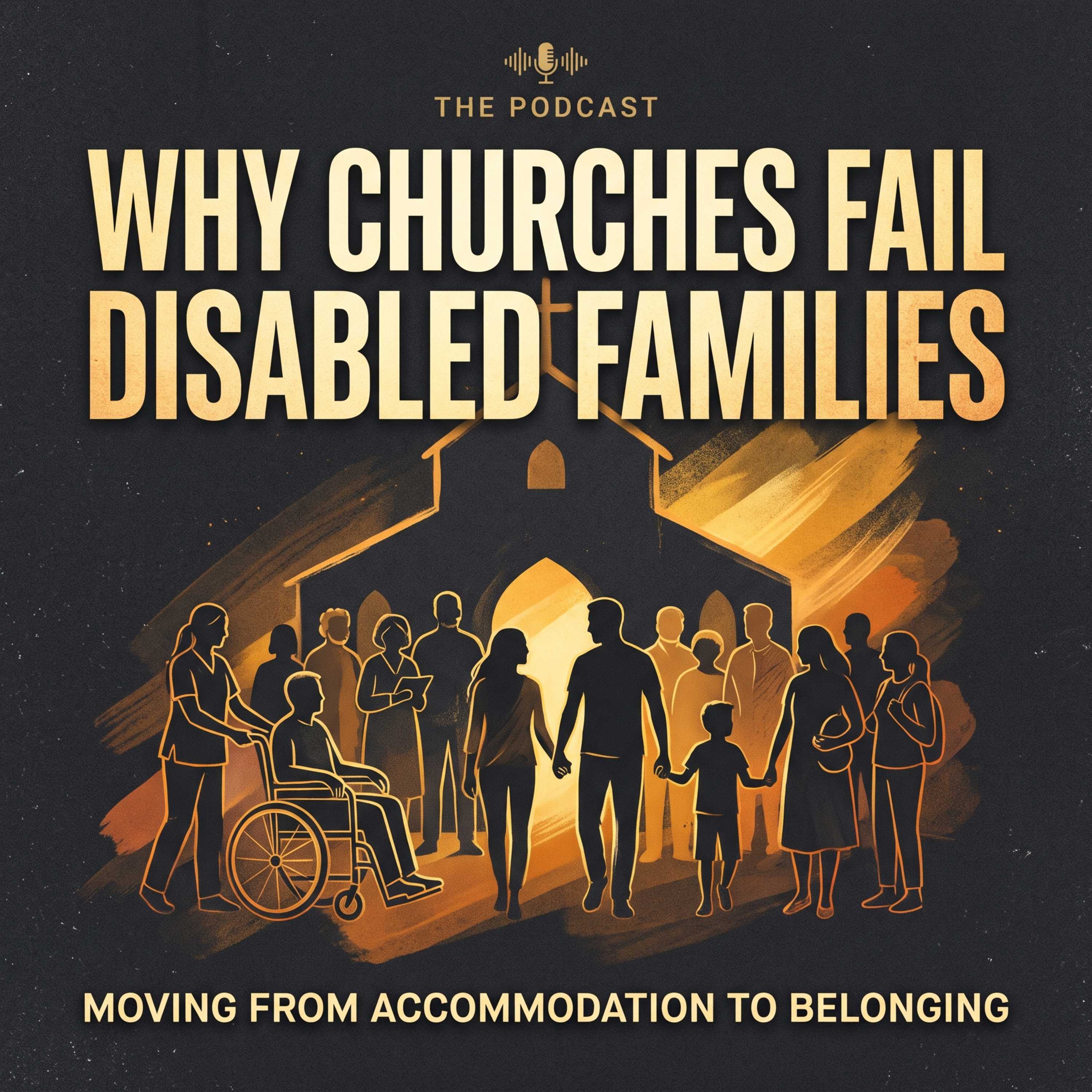
Why Churches Fail Disabled Families: Moving from Accommodation to Belonging
Nov 14, 2026 · 54m
Why do local churches—which readily profess the God-given dignity of all people—so often struggle to include disabled individuals and their families? In this episode, we examine the painful gap...
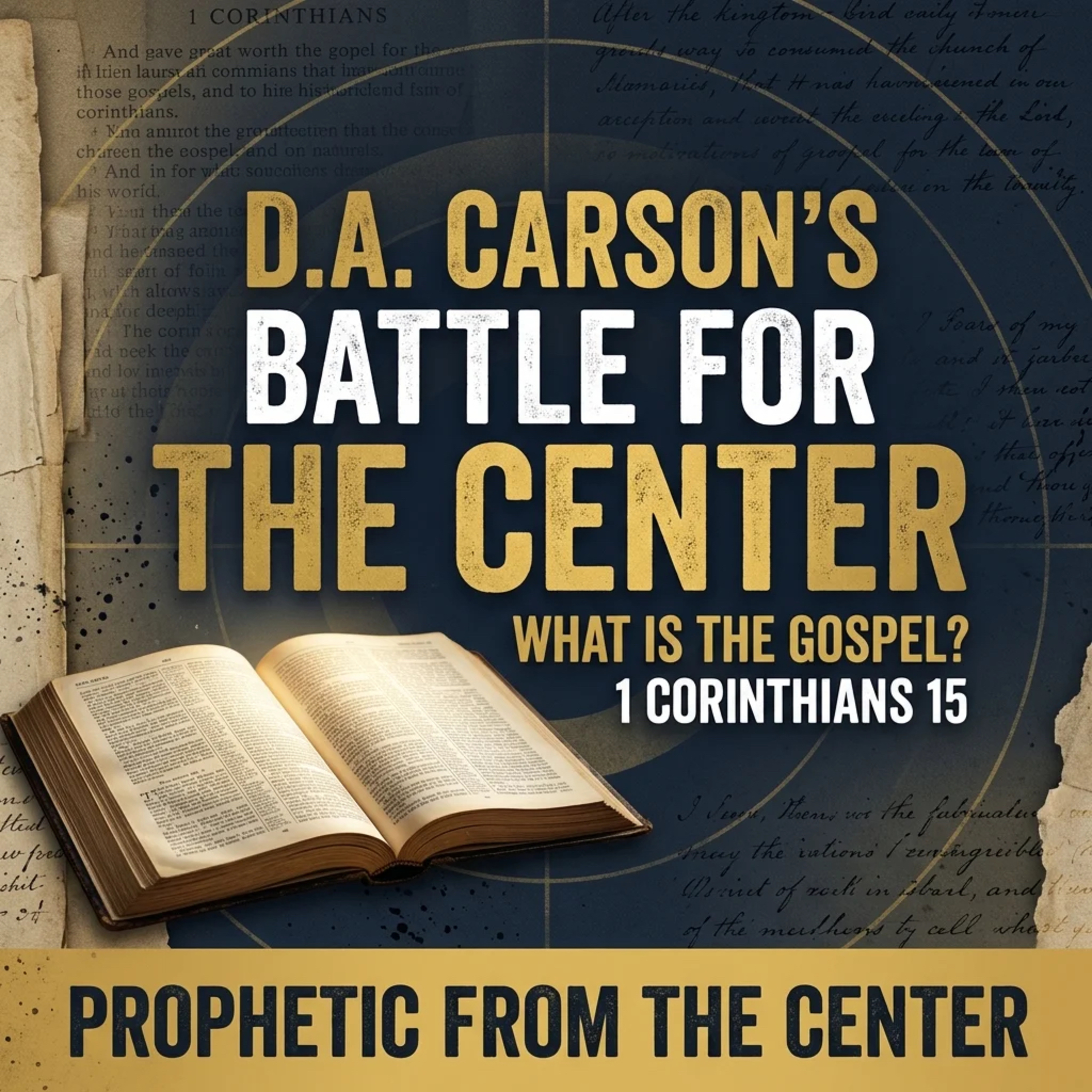
D.A. Carson's Battle for the Center | 1 Corinthians 15 & The Gospel
Nov 9, 2026 · 1h 8m
It is remarkably easy to sound prophetic from the margins; what is urgently needed is the courage to be prophetic from the centerIn this episode, we dive into D. A. Carson’s defining exposition of 1...
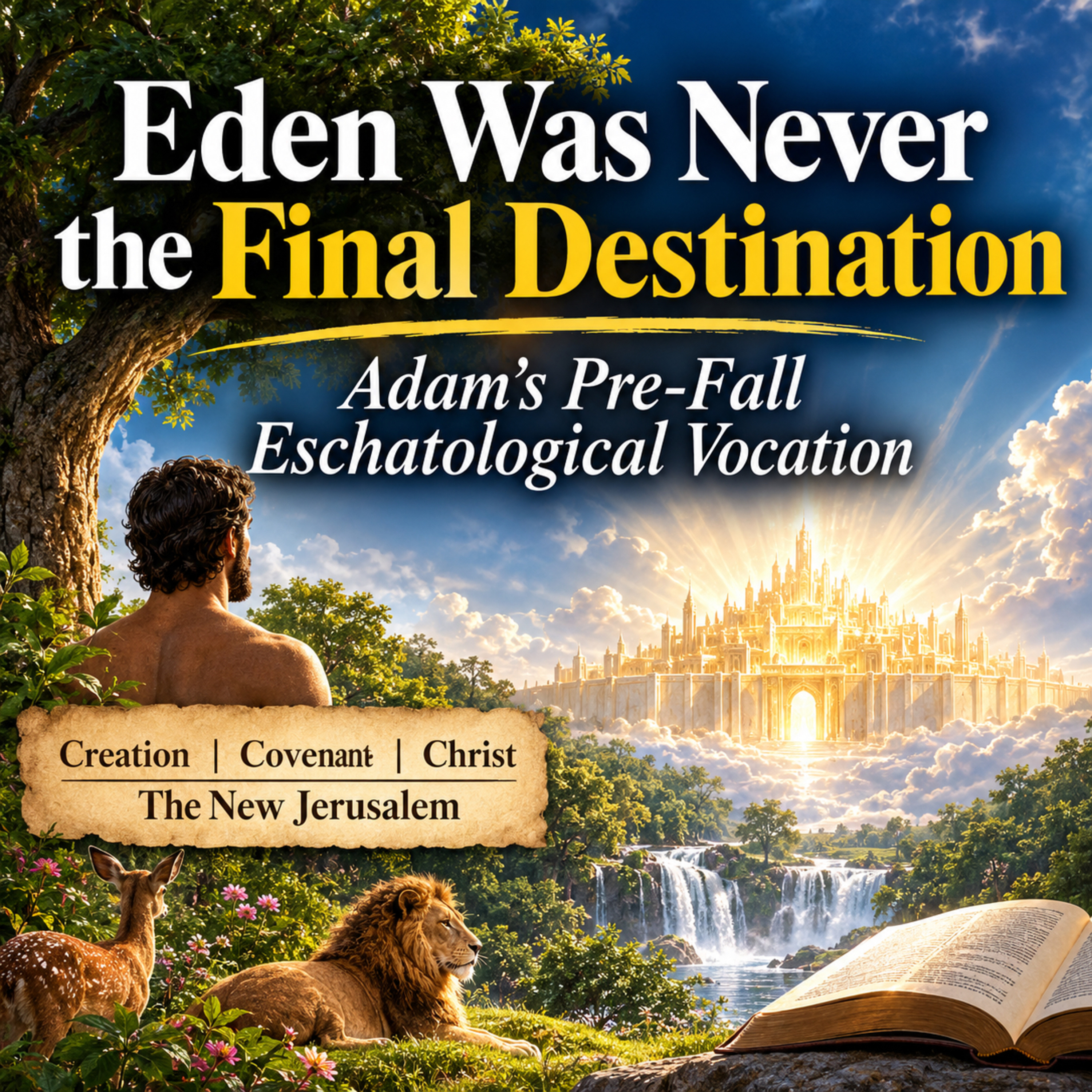
Eden Was Never the Final Destination: Adam’s Pre-Fall Eschatological Vocation
Nov 1, 2026 · 51m
Was the Garden of Eden meant to be humanity’s permanent paradise, or was it merely the starting line? In this episode, we explore the deep biblical theology behind Adam’s original commission before...
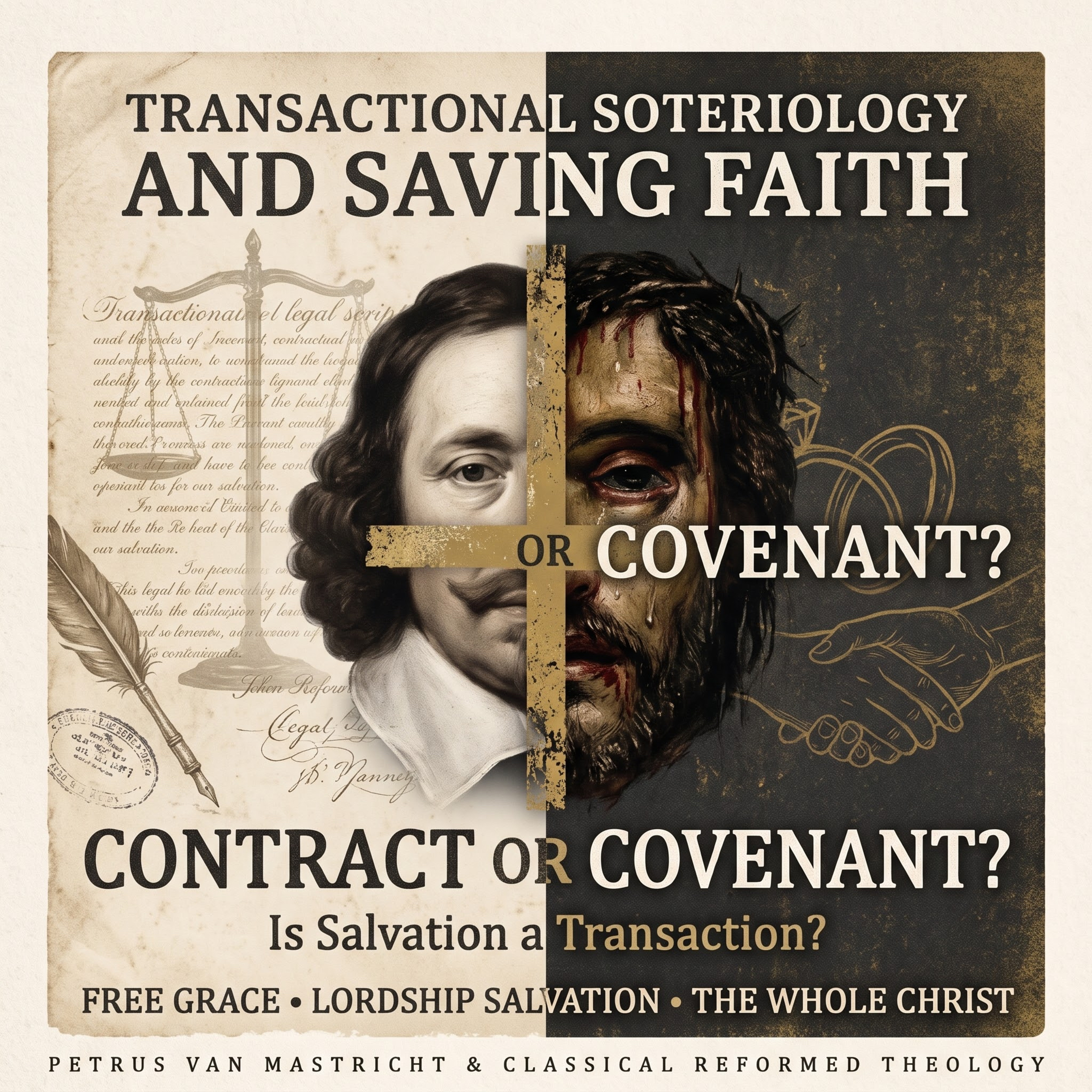
Is Salvation a Contract or Covenant? | Free Grace vs. Lordship Salvation
Oct 23, 2026 · 45m
Is salvation a commercial contract or a conjugal covenant? In this episode, we unpack the late 20th-century controversy between Free Grace Theology (Zane Hodges, Charles Ryrie) and Lordship...
Can Culture Judge Sacred Texts? Contextual Theology, Hermeneutics & Biblical Authority
Oct 19, 2026 · 1h 3m
When we say "all theology is contextual," what do we actually mean? Does modern cultural experience merely ask questions of ancient Scripture, or can culture sit as a normative judge over sacred texts...
Herman Bavinck on Human Yearning for Eternity | The Wonderful Works of God
Oct 17, 2026 · 48m
Why is the human heart perpetually restless, even when surrounded by temporal success, culture, and knowledge? In this episode, we explore Chapter 1 ("Man’s Highest Good") of Dutch Reformed theologian...
Take these sermons with you.
Follow Trinity and Christian Life in the Getsermons app to get every new sermon, build playlists, and pick up right where you left off.

