
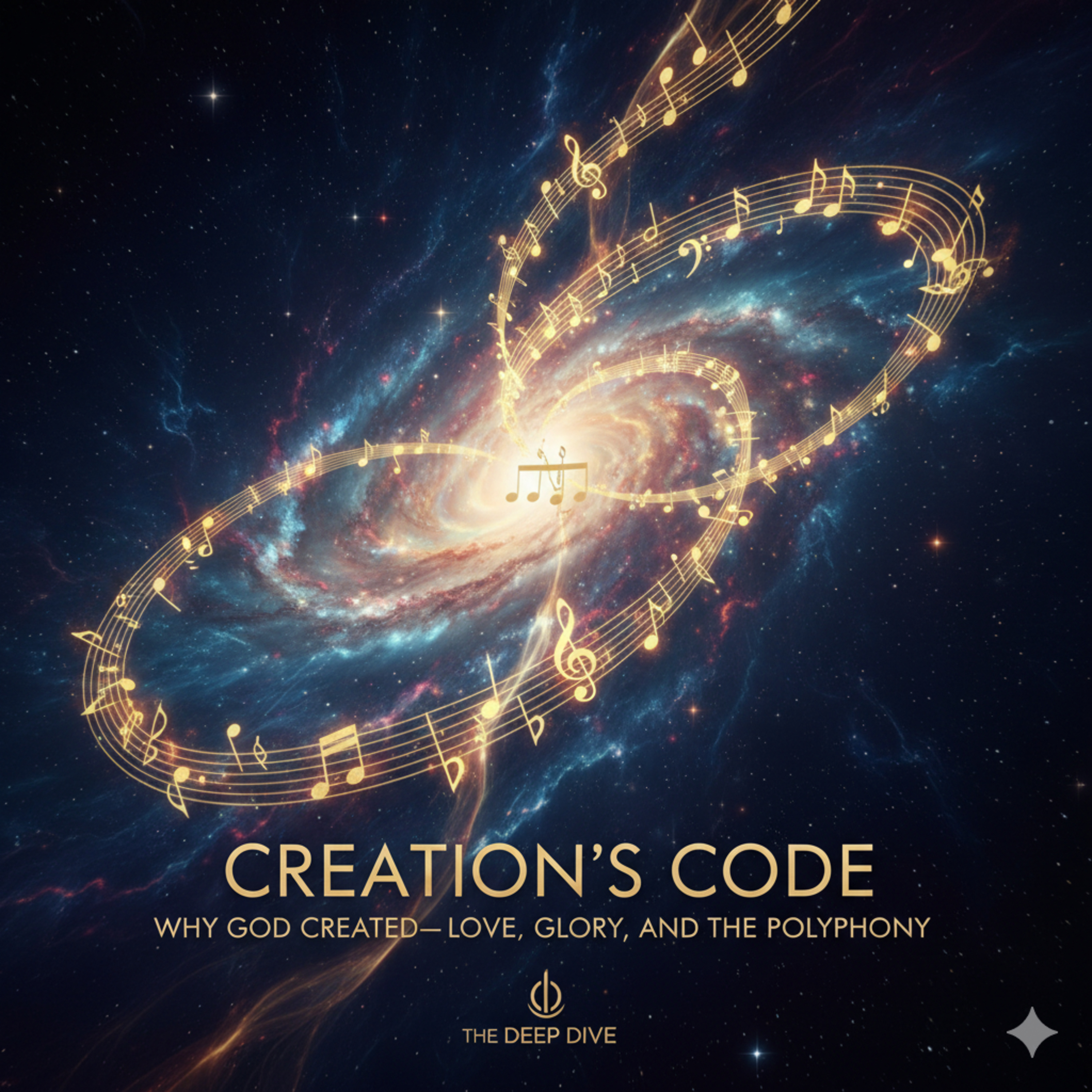
Trinity and Christian Life
More Than Love: God's Motive for the Cosmos
Oct 31, 2025 · 33m
Prefer sermons downloaded automatically?
About this sermon
Why did God create the world?
The simple, foundational answer is "out of love." But for anyone who digs a little deeper, that beautiful answer immediately raises more questions. If it was just love, why is creation so complex and messy? And how does that fit with the strong theological tradition that the main purpose is God's own "glory"?
This week on The Deep Dive, we move beyond the simple sentiment to explore the systematic theology and deep metaphysics of why creation exists. We unpack the idea that God's motive wasn't a single note, but a "polyphony of purposes"—a rich, harmonious chord where love, glory, fellowship, and divine self-expression play together.
Join us as we explore the bedrock of reality, tackling the big ideas that define the relationship between God and the cosmos.
In this episode, we cover:
The Foundation of Love (Creatio ex Amore): How the doctrine of the Trinity is essential to understanding God's love. (Hint: God wasn't lonely).
Freedom and Generosity (Creatio ex Nihilo): Why "creation out of nothing" isn't just about raw power, but is the ultimate guarantee of God's free and unconstrained generosity.
The "Theater of God's Glory": Reconciling divine love with Soli Deo Gloria. We discuss how God sharing His glory is His most loving act—and how our greatest satisfaction is found in Him.
Made for Connection (The Relational Purpose): Tracing the Imago Dei (Image of God) from the Garden of Eden, through the Tabernacle and Incarnation, to the final "dwelling" in the New Creation.
The Artist's Vulnerability (Kenosis): Viewing creation as an act of divine self-expression and "self-emptying"—a risky "making space" for a truly free and distinct creation.
Wrestling with the "Why": How does the problem of evil (theodicy) challenge this loving picture? We look at the Augustinian (Fall), Irenaean (Soul-Making), and Free Will defenses.
A Tour of Traditions: How Catholic, Eastern Orthodox, Reformed, Wesleyan, and modern Process theologies each hear different notes in this "polyphony."
More from Trinity and Christian Life
What Makes Preaching Faithful? Exegesis, Christology & Pastoral Relevance
Nov 26, 2026 · 1h 1m
What actually happens when a preacher steps into the pulpit with an open Bible? Is preaching merely a lecture on ancient history, a masterclass in communication, or a genuine encounter with the living...
Why Honor–Shame Theology Backfires | Evaluating the Honor–Shame Paradigm in Biblical Theology
Nov 26, 2026 · 57m
Over the past three decades, the honor–shame movement has reshaped evangelical missiology by challenging Western individualistic blind spots and recovering neglected biblical themes of kinship,...
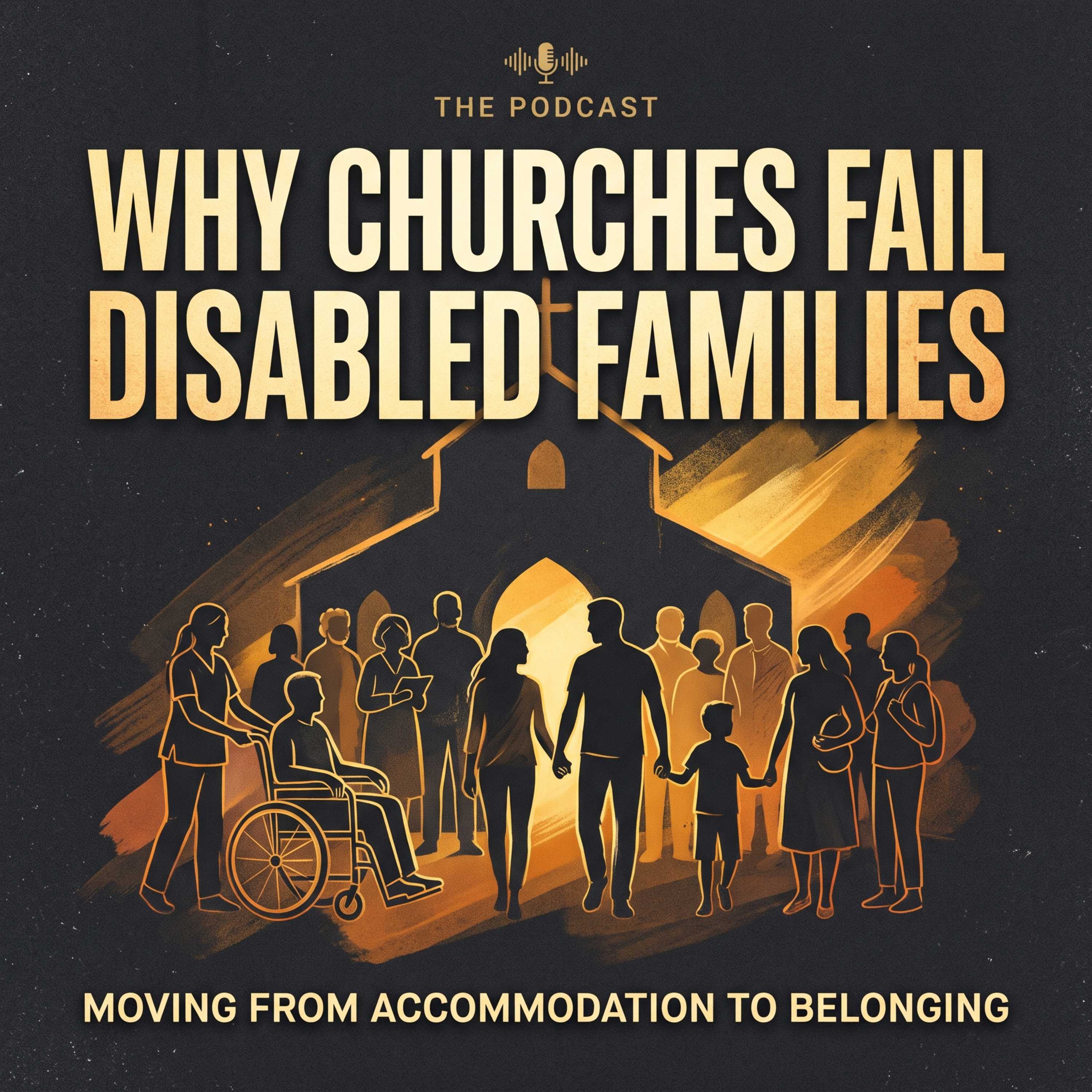
Why Churches Fail Disabled Families: Moving from Accommodation to Belonging
Nov 14, 2026 · 54m
Why do local churches—which readily profess the God-given dignity of all people—so often struggle to include disabled individuals and their families? In this episode, we examine the painful gap...
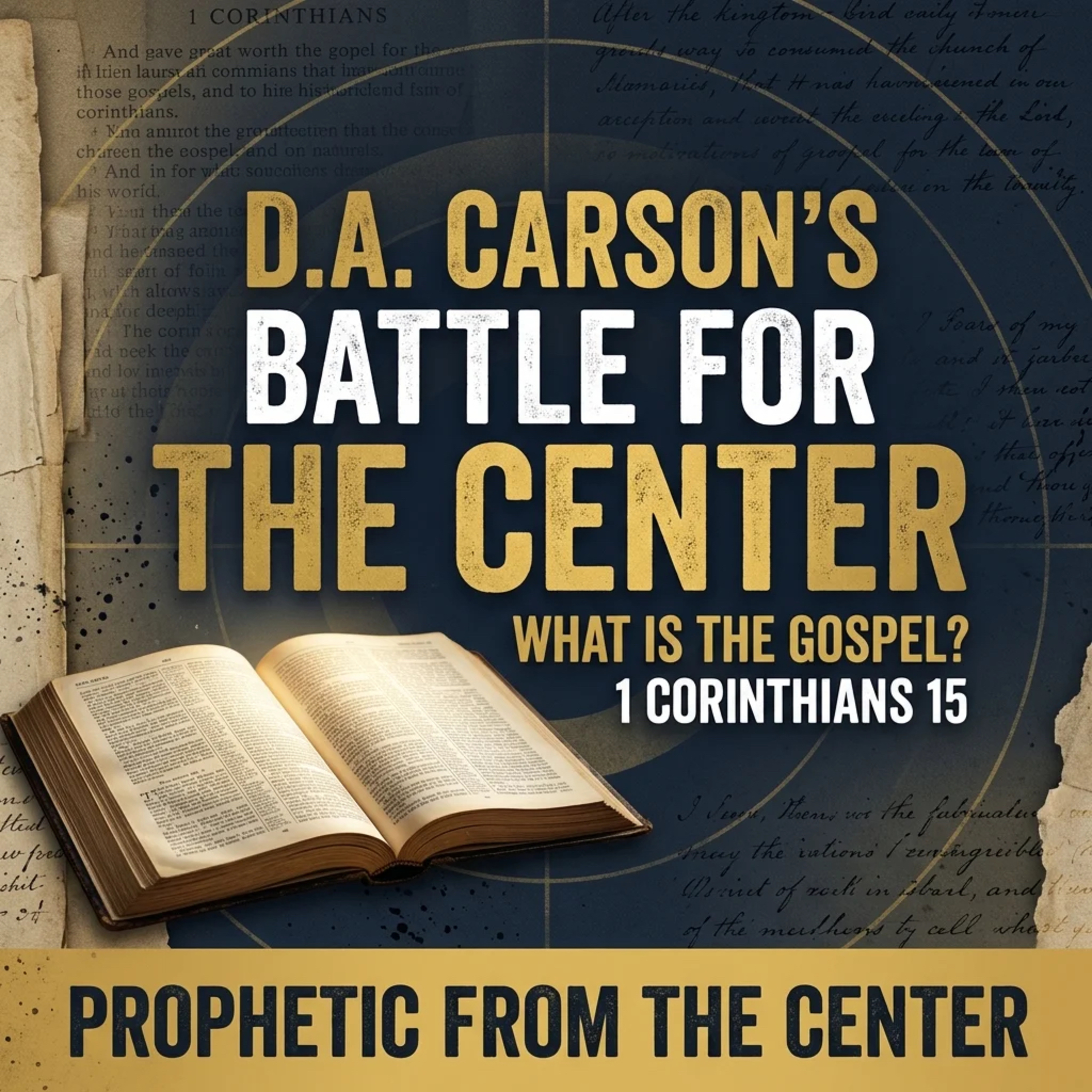
D.A. Carson's Battle for the Center | 1 Corinthians 15 & The Gospel
Nov 9, 2026 · 1h 8m
It is remarkably easy to sound prophetic from the margins; what is urgently needed is the courage to be prophetic from the centerIn this episode, we dive into D. A. Carson’s defining exposition of 1...
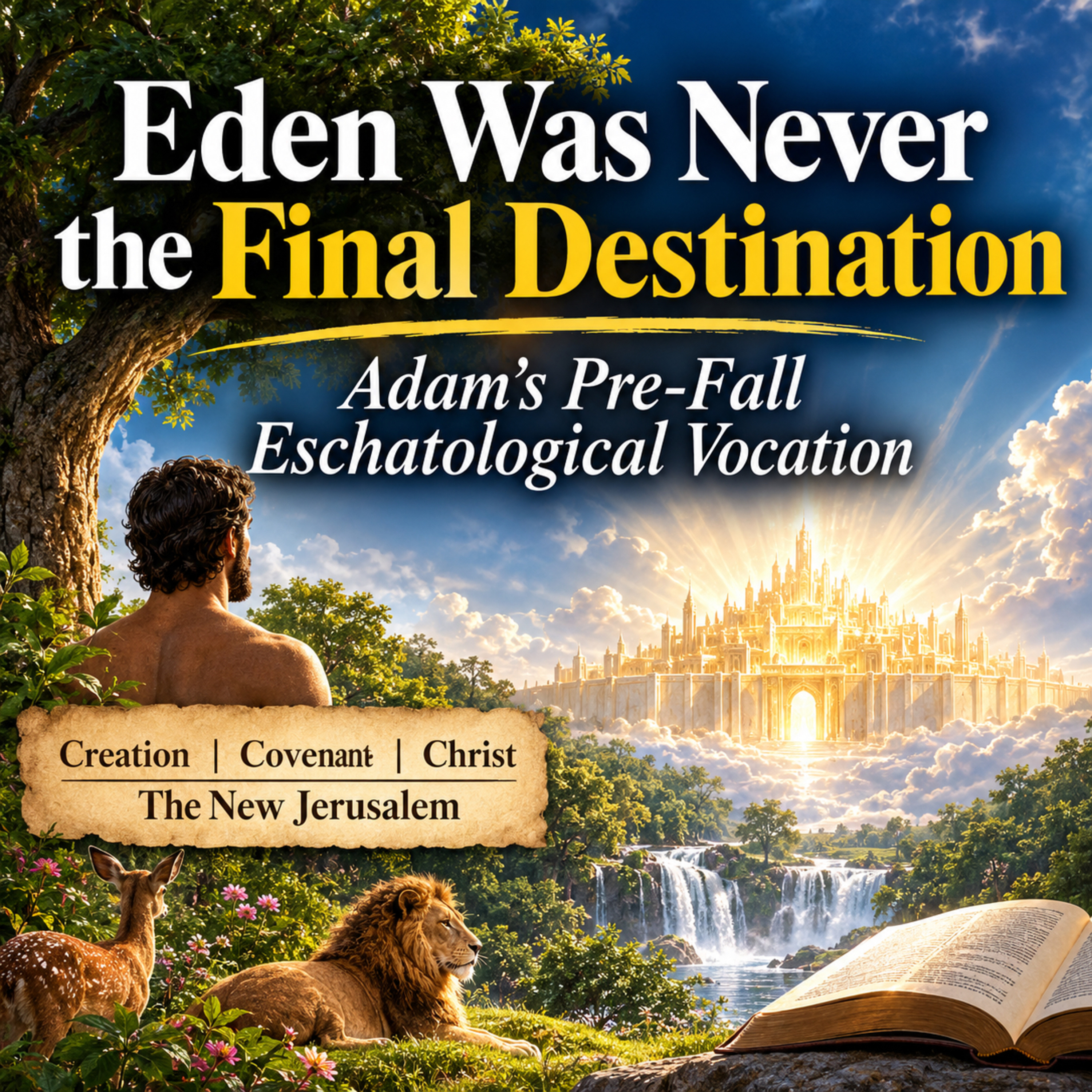
Eden Was Never the Final Destination: Adam’s Pre-Fall Eschatological Vocation
Nov 1, 2026 · 51m
Was the Garden of Eden meant to be humanity’s permanent paradise, or was it merely the starting line? In this episode, we explore the deep biblical theology behind Adam’s original commission before...
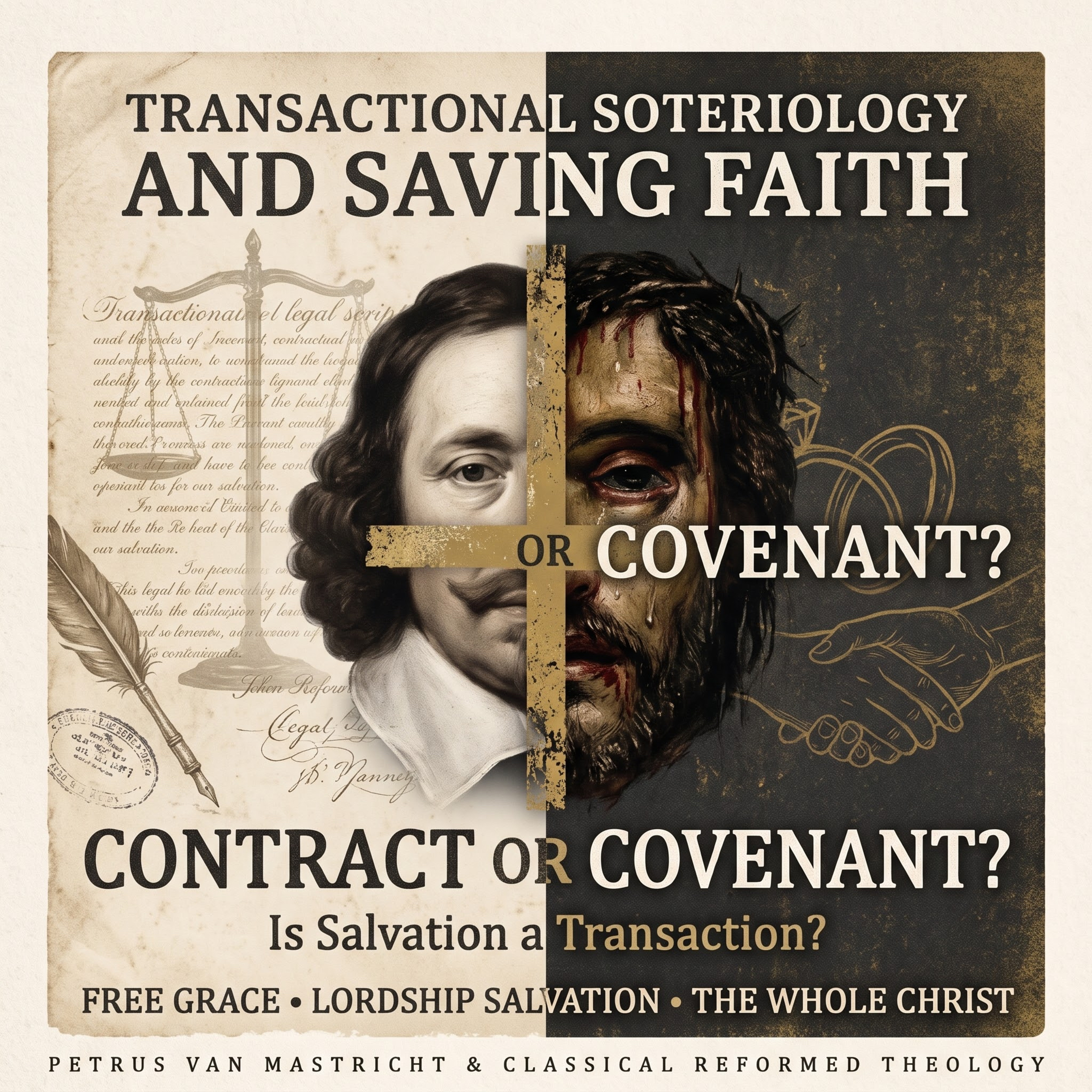
Is Salvation a Contract or Covenant? | Free Grace vs. Lordship Salvation
Oct 23, 2026 · 45m
Is salvation a commercial contract or a conjugal covenant? In this episode, we unpack the late 20th-century controversy between Free Grace Theology (Zane Hodges, Charles Ryrie) and Lordship...
Take these sermons with you.
Follow Trinity and Christian Life in the Getsermons app to get every new sermon, build playlists, and pick up right where you left off.

