
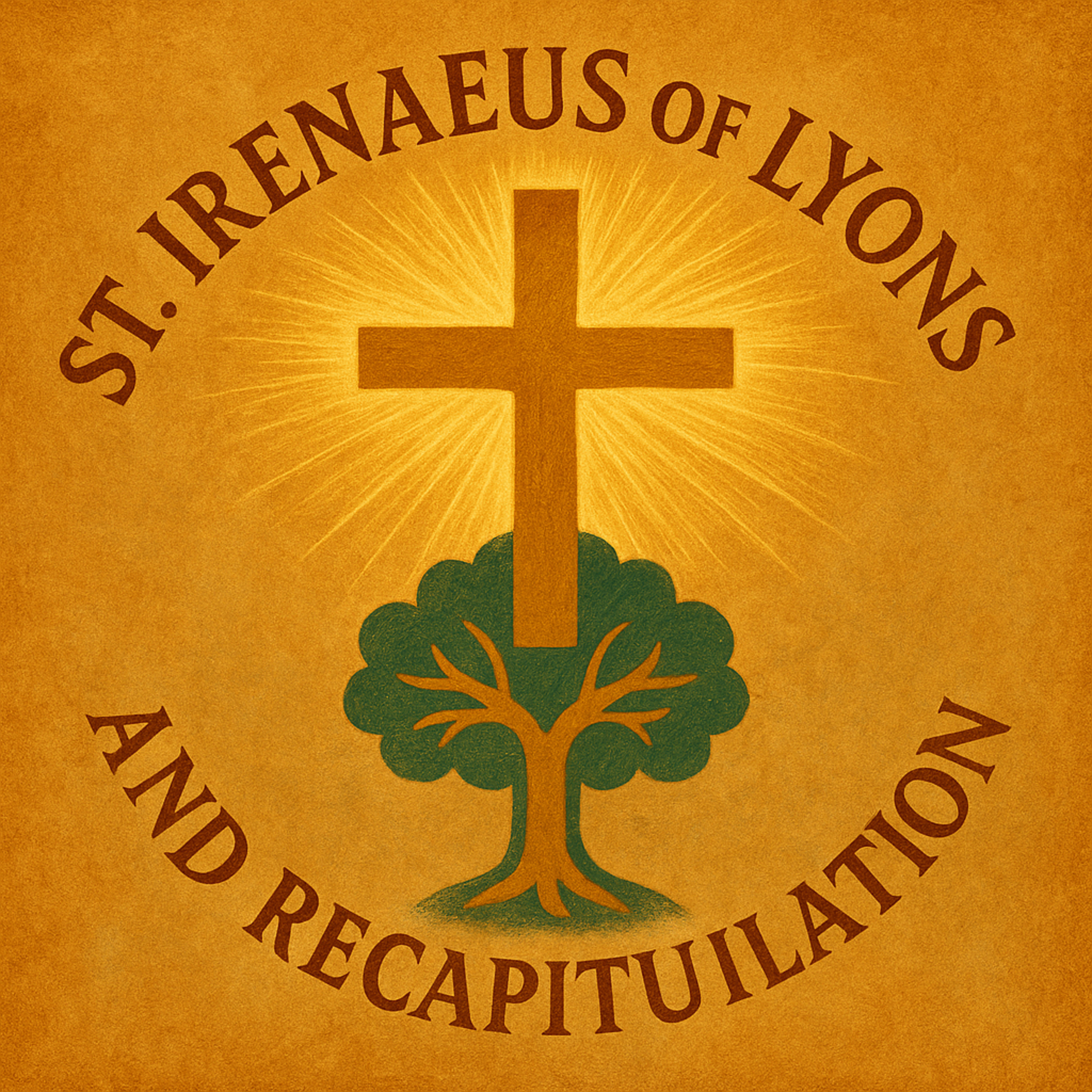
Trinity and Christian Life
The Irenaean Doctrine of Recapitulation
Dec 11, 2025 · 33m
Prefer sermons downloaded automatically?
About this sermon
What does it mean for Christ to be the "Second Adam"? In the 2nd Century, St. Irenaeus of Lyons developed the doctrine of Recapitulation to counter Gnostic dualism and define Orthodox Christology. This video breaks down how Christ "sums up" the entire human narrative, turning the history of the Fall into a history of Redemption.
📚 Key Concepts Explored:
1. The "Economy" vs. Gnosticism Gnostics believed the physical world was a mistake made by a lesser deity and that salvation was an escape from the body. Irenaeus countered with the "Economy" (oikonomia): a single, unfolding plan by one God to bring history to a purposeful conclusion through the Incarnation.
2. The Logic of Reversal (Adam & Christ) Recapitulation views salvation as a "great circle." Irenaeus argues that the disease (sin) must be cured by its specific antidote.
• The Soil: Adam was formed from virgin soil; Christ was born of a Virgin.
• The Tree: The defeat at the Tree of Knowledge was reversed by the victory on the Tree of the Cross.
• The Disobedience: The lack of restraint in Eden was healed by the humility of Gethsemane.
3. The New Eve (Mary) Irenaeus introduces a vital Mariological link: "The knot of Eve's disobedience was loosed by the obedience of Mary". Just as a virgin disobeyed and brought death, a virgin obeyed and enabled Life to enter the world.
4. The "Exchange Formula" (Theosis) The ultimate goal of Recapitulation isn't just legal forgiveness, but Theosis (becoming like God). Irenaeus famously stated: "The Word of God... became what we are, that He might bring us to be even what He is Himself". This union renders the mortal body immortal.
5. Christus Victor Irenaeus portrays the Atonement as a cosmic victory. God did not snatch humanity back by force, but by justice. By resisting temptation as a man, Christ broke the devil's claim over humanity.
More from Trinity and Christian Life
What Makes Preaching Faithful? Exegesis, Christology & Pastoral Relevance
Nov 26, 2026 · 1h 1m
What actually happens when a preacher steps into the pulpit with an open Bible? Is preaching merely a lecture on ancient history, a masterclass in communication, or a genuine encounter with the living...
Why Honor–Shame Theology Backfires | Evaluating the Honor–Shame Paradigm in Biblical Theology
Nov 26, 2026 · 57m
Over the past three decades, the honor–shame movement has reshaped evangelical missiology by challenging Western individualistic blind spots and recovering neglected biblical themes of kinship,...
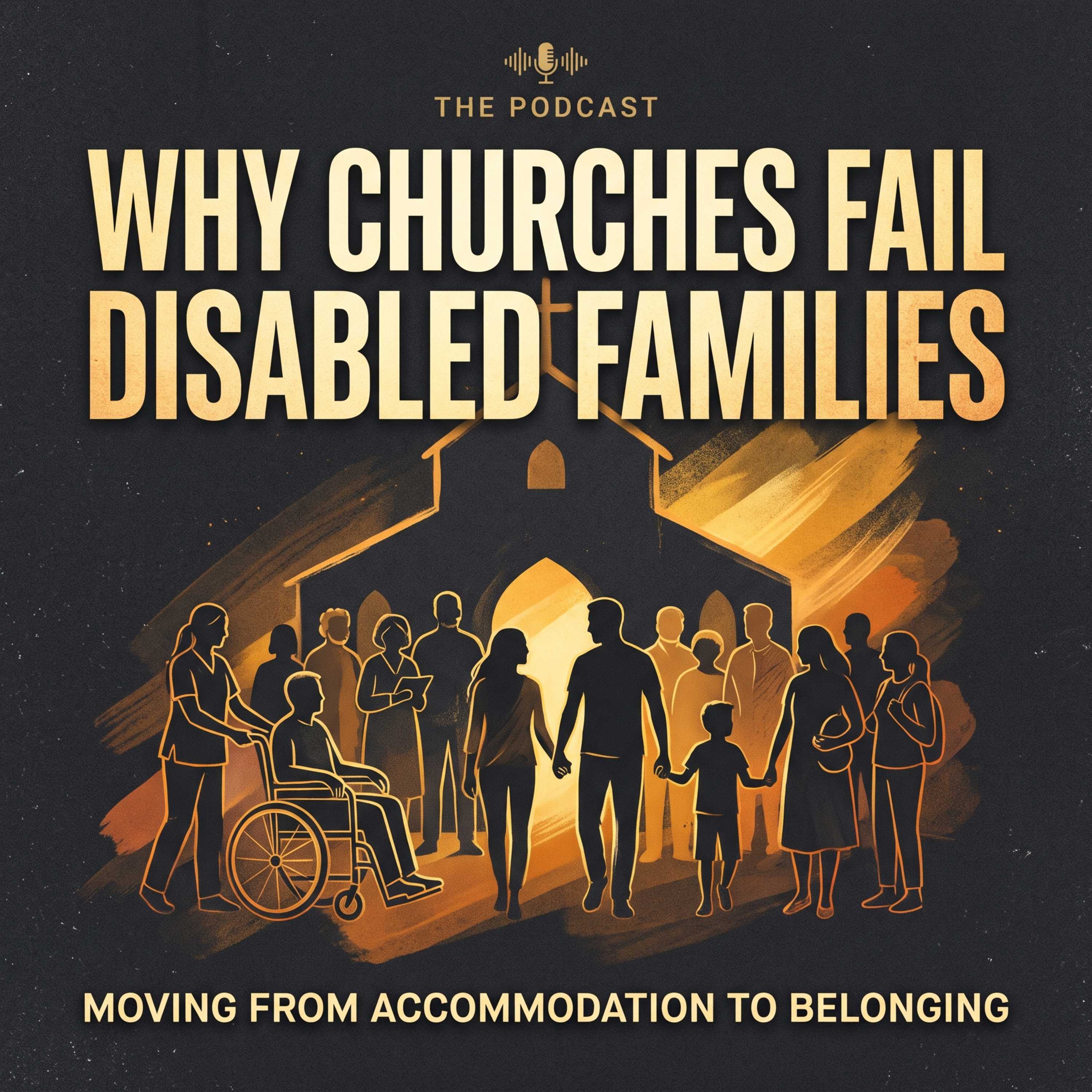
Why Churches Fail Disabled Families: Moving from Accommodation to Belonging
Nov 14, 2026 · 54m
Why do local churches—which readily profess the God-given dignity of all people—so often struggle to include disabled individuals and their families? In this episode, we examine the painful gap...
D.A. Carson's Battle for the Center | 1 Corinthians 15 & The Gospel
Nov 9, 2026 · 1h 8m
It is remarkably easy to sound prophetic from the margins; what is urgently needed is the courage to be prophetic from the centerIn this episode, we dive into D. A. Carson’s defining exposition of 1...
Eden Was Never the Final Destination: Adam’s Pre-Fall Eschatological Vocation
Nov 1, 2026 · 51m
Was the Garden of Eden meant to be humanity’s permanent paradise, or was it merely the starting line? In this episode, we explore the deep biblical theology behind Adam’s original commission before...
Is Salvation a Contract or Covenant? | Free Grace vs. Lordship Salvation
Oct 23, 2026 · 45m
Is salvation a commercial contract or a conjugal covenant? In this episode, we unpack the late 20th-century controversy between Free Grace Theology (Zane Hodges, Charles Ryrie) and Lordship...
Take these sermons with you.
Follow Trinity and Christian Life in the Getsermons app to get every new sermon, build playlists, and pick up right where you left off.

