
Trinity and Christian Life
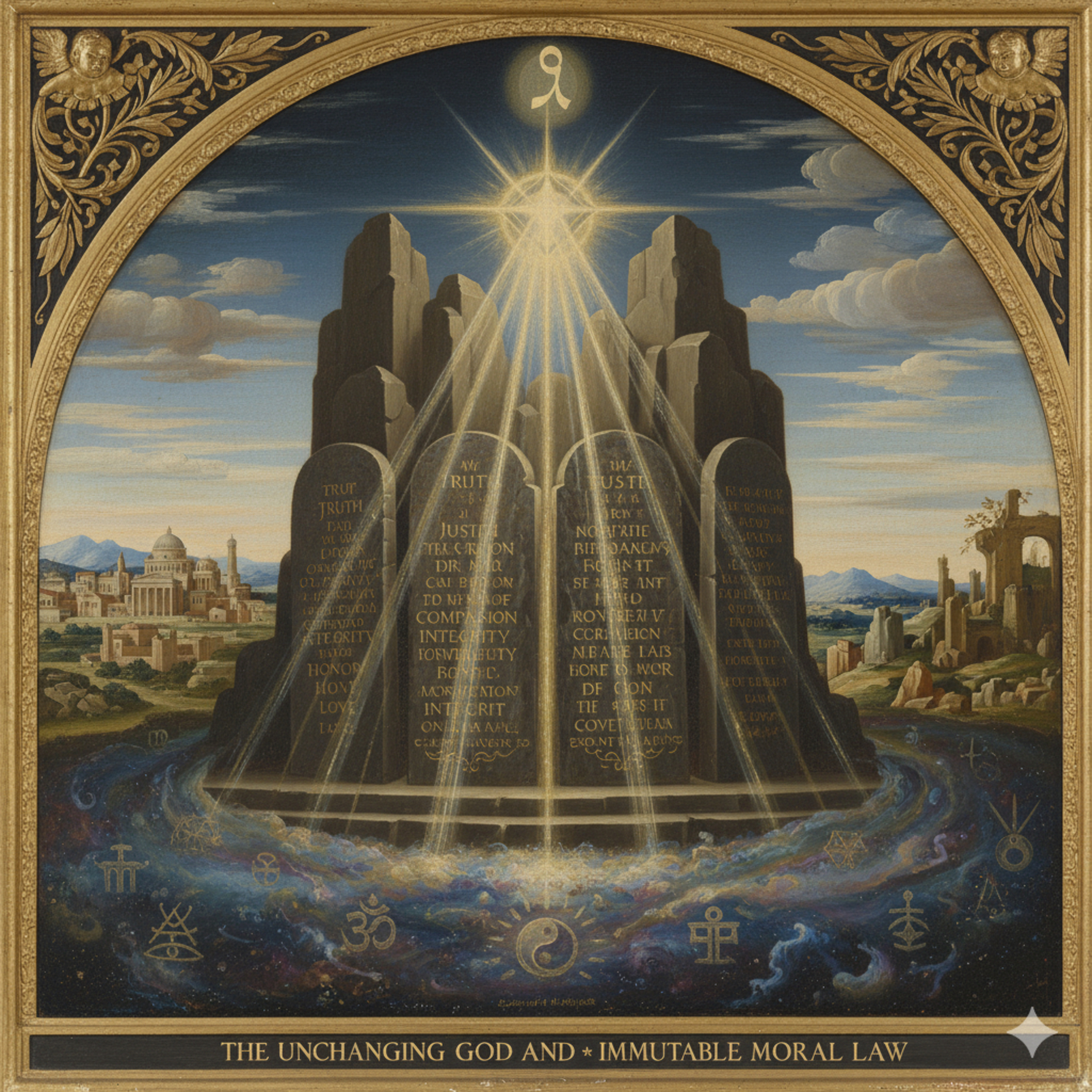
The Unchanging God and the Immutable Moral Law
Nov 18, 2025 · 40m
Prefer sermons downloaded automatically?
About this sermon
LEX AETERNA, LEX IMMUTABILIS: The Unchanging God and the Continuity ofGiver. We establish the metaphysical foundation for all Christian doctrine in divine immutability, the attribute that guarantees God is unchanging in His character, will, and covenant promises.
We adhere to the "strong" view of immutability, which rules out all intrinsic change in God. This view alone provides the logical foundation for an essentially immutable moral law. This concept is intrinsically linked to divine impassibility, which assures us that God's love is "eternal, unalterable love" and not a reactive passion.
The apparent tension is resolved through the classical tripartite division of the comprehensive Law of Moses into three categories: moral, ceremonial, and civil. This distinction is the essential hermeneutical mechanism for understanding the continuity and discontinuity of the law in the New Covenant.
• The Moral Law (e.g., the Ten Commandments): This law is of permanent application and is unchanging because it is a direct "transcript of His character". It is the universal law revealed through natural law and codified in Scripture.
• The Ceremonial Law (e.g., sacrifices, purity regulations): These laws were typological, serving as a "shadow of Christ". They were temporary by design and became obsolete when Christ, the substance, arrived.
• The Civil Law (the judicial code for Israel): These were specific laws given for the unique nation-state of Israel and expired with the dissolution of the Old Testament economy.
Christ did not come to destroy the Law, but to "fulfill" it (plērōsai), signifying a completion of God's unchanging, pre-ordained plan of redemption. His work abrogated the ceremonial and civil "law of commandments and ordinances".
We compare how major theological systems—including Covenant Theology (which affirms continuity via the tripartite division), Traditional Dispensationalism (which views the law as one unit for Israel), and New Covenant Theology (which rejects the tripartite division but re-establishes moral norms in the Law of Christ)—approach this continuity.
Finally, we explore how a failure to correctly synthesize the immutable and temporary laws leads to the twin heresies of Antinomianism (rejecting moral obligation) and Legalism (seeking salvation through performance).
For the Christian, the immutable moral law serves a dual, grace-filled function:
1. The Pedagogical Use (Mirror): It shows us our sin and drives us to Christ for salvation.
2. The Normative Use (Guide): It acts as a "flashlight" or "lamp unto our feet," revealing the path ahead for a life of joyful, loving obedience.
Keywords: Divine Immutability, Tripartite Law, Moral Law, Ceremonial Law, Civil Law, Covenant Theology, Dispensationalism, Fulfillment of the Law, Legalism, Antinomianism, Law of Christ, Natural Law, The Decalogue.
More from Trinity and Christian Life
Why Churches Fail Disabled Families: Moving from Accommodation to Belonging
Nov 14, 2026 · 54m
Why do local churches—which readily profess the God-given dignity of all people—so often struggle to include disabled individuals and their families? In this episode, we examine the painful gap...
D.A. Carson's Battle for the Center | 1 Corinthians 15 & The Gospel
Nov 9, 2026 · 1h 8m
It is remarkably easy to sound prophetic from the margins; what is urgently needed is the courage to be prophetic from the centerIn this episode, we dive into D. A. Carson’s defining exposition of 1...
Eden Was Never the Final Destination: Adam’s Pre-Fall Eschatological Vocation
Nov 1, 2026 · 51m
Was the Garden of Eden meant to be humanity’s permanent paradise, or was it merely the starting line? In this episode, we explore the deep biblical theology behind Adam’s original commission before...
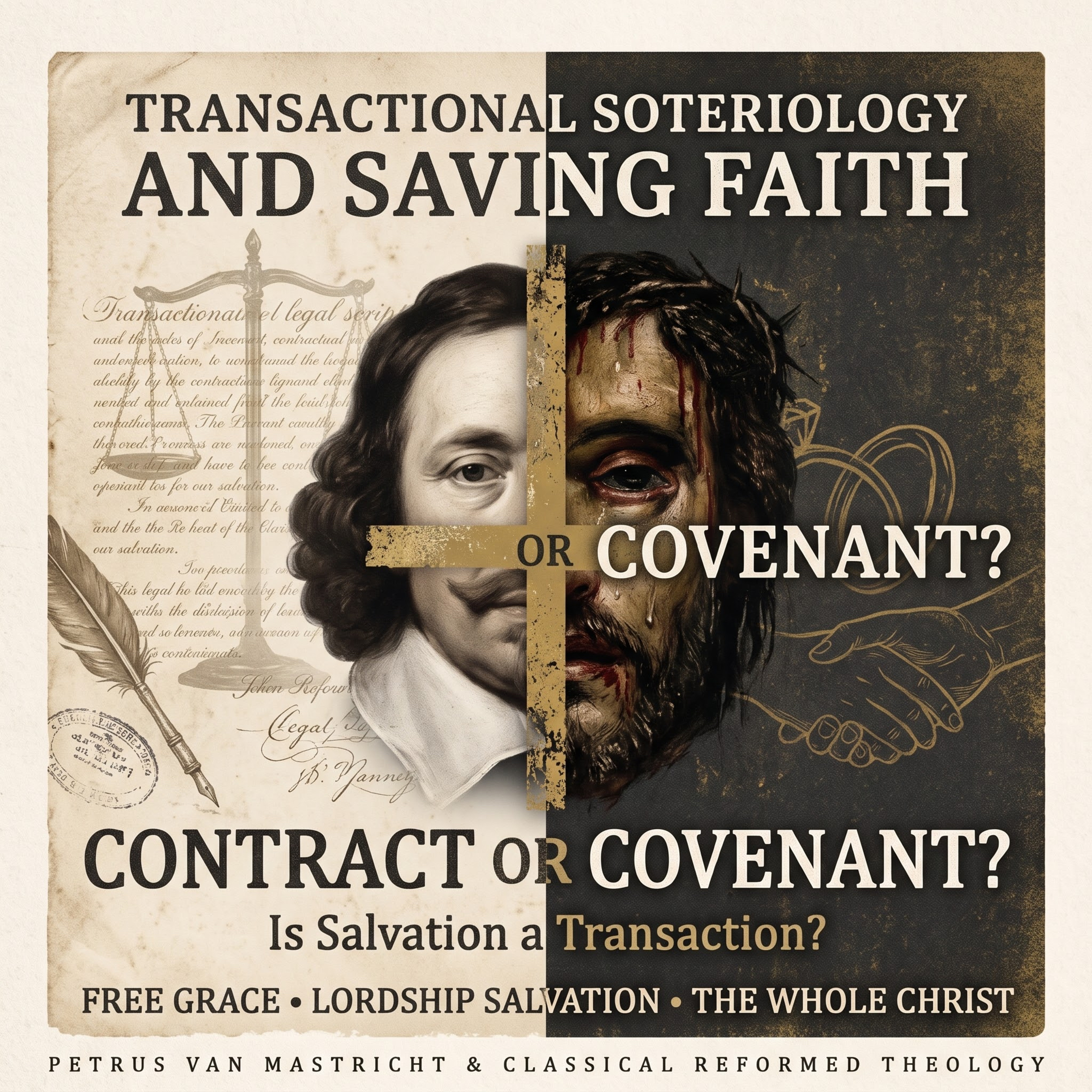
Is Salvation a Contract or Covenant? | Free Grace vs. Lordship Salvation
Oct 23, 2026 · 45m
Is salvation a commercial contract or a conjugal covenant? In this episode, we unpack the late 20th-century controversy between Free Grace Theology (Zane Hodges, Charles Ryrie) and Lordship...
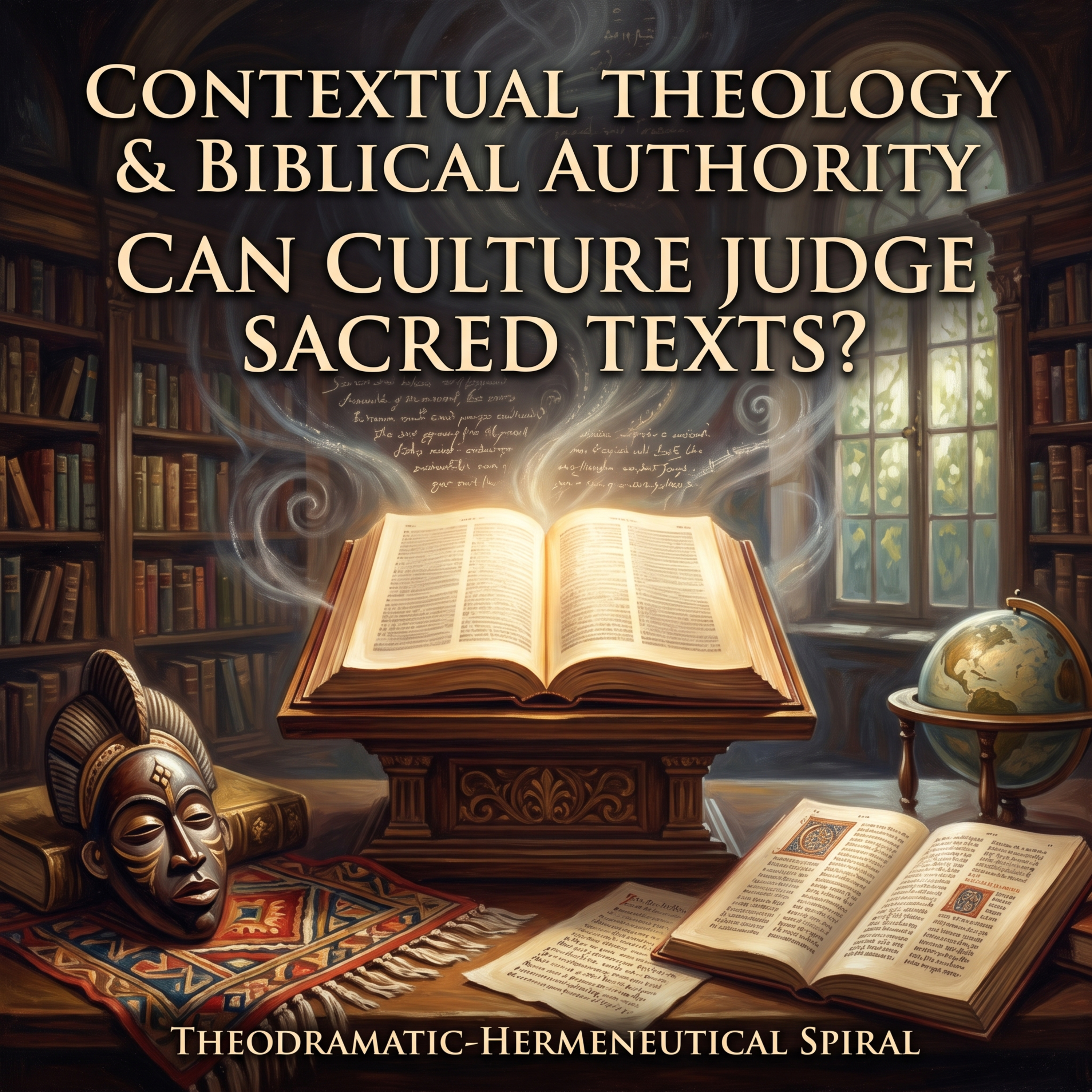
Can Culture Judge Sacred Texts? Contextual Theology, Hermeneutics & Biblical Authority
Oct 19, 2026 · 1h 3m
When we say "all theology is contextual," what do we actually mean? Does modern cultural experience merely ask questions of ancient Scripture, or can culture sit as a normative judge over sacred texts...
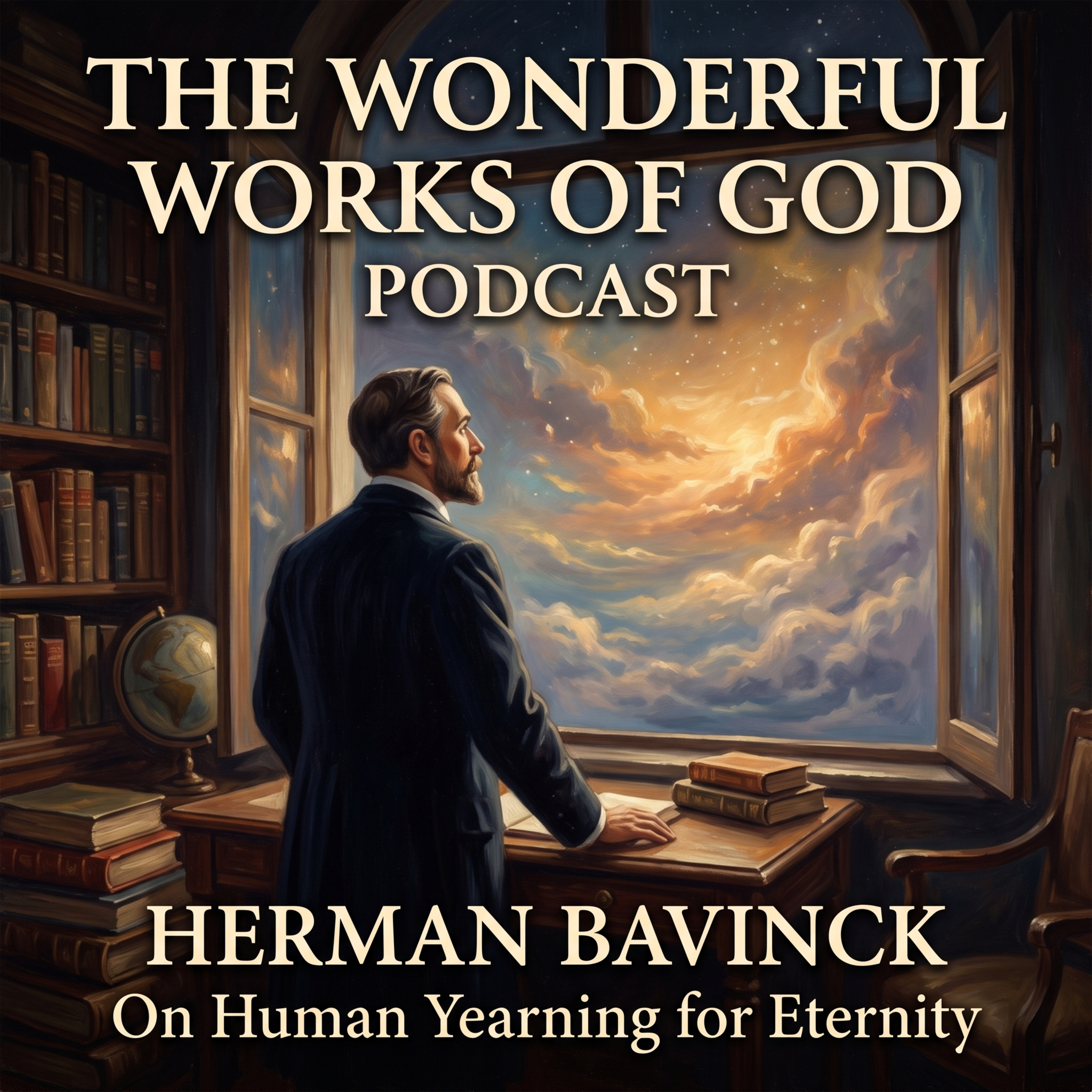
Herman Bavinck on Human Yearning for Eternity | The Wonderful Works of God
Oct 17, 2026 · 48m
Why is the human heart perpetually restless, even when surrounded by temporal success, culture, and knowledge? In this episode, we explore Chapter 1 ("Man’s Highest Good") of Dutch Reformed theologian...
Take these sermons with you.
Follow Trinity and Christian Life in the Getsermons app to get every new sermon, build playlists, and pick up right where you left off.

