

Undeceptions with John Dickson
89. Question Answer VIII
Jan 9, 2023 · 1h 0m
Prefer sermons downloaded automatically?
About this sermon
This episode of Undeceptions is sponsored by Zondervan Academic's Masterlectures. Get 50% off your first three month subscription with the code 'Undeceptions50'.
QUESTIONS
Why did Jesus come during the Ancient period? I get why Jesus came (to fulfill God’s promises and save the world etc.) but why the specific time period and place? Why didn’t Jesus come in say, the medieval era? Or the 1900s? Why was it ancient Rome?
In ‘The Flood’ episode, you talk of the story of the flood as a piece of ‘high art’ that should be understood as a retelling of stories that existed in the cultural climate. But would the ancient audience have thought like this or take it at face value as though they were real events that really happened?
Do you believe that Adam and Eve are historical figures?
In the episode called ‘Global Christianity’, you mention the missionary impulse in Judaism: in the NT book of Acts we meet people who are described as ‘God fearers’. How many ‘God fearers’ who weren’t Jewish were around in the first century? And what motivated them to worship the God of Israel?
Regarding the ‘Pro Life’ episode, suppose a pregnant mother in labor has a series of complications. If she births the baby, she’ll die. But if she doesn’t birth it soon, the baby will die. Would it be a sin, if you chose the mother to live, and the baby to die?
I teach school students who are blind or have low vision and some have a hard time understanding what their blindness means in regard to their relationship with God. I’m keen to know if you have a way to account for the descriptions of blindness in such a way that my students can hear the different passages and still see themselves as loved and valued by a good God, even if/when they are not healed, and despite the fact that some passages use blindness as a criticism. Can you help?
Why is the Catholic and Protestant bible different? What are those differences? Should Protestants read the books that are in the Catholic Bible too? What can Protestants learn from those books? How have those differences changed how Protestants and Catholics view the world?
I want to learn more about the Catholic faith and what happened before it became so ritualised. What was it like before the Catholic faith became the Catholic faith?
What’s the deal with burial vs Cremation – specifically around our renewed bodies that God will transform us into? Does cremation hinder this?
The typical Christian answer to the question “Where does evil come from?” is free will. I.e. God made Adam and Eve perfect, but gave them free will. They decided to turn away from God, and now there’s evil, sin and suffering in the world. But that argument doesn’t really make sense, because free will doesn’t necessarily entail evil. For example, God has free will, and he’s completely good. God could have made us with a good nature, and still given us free will (like what we’ll have in heaven). Based on this, it seems like God must have made evil. Or to phrase it another way, God seems to have made Adam and Eve with a propensity for evil, or made them too weak to cope with the moral choices he was giving them. If an inventor designs something and it malfunctions, it isn’t really fair for him to blame the thing he’s made for going wrong. We’d say that it’s his fault for not designing it properly. So how is God not responsible for our sin?
A friend follows Baháʼí religion and says there is essential worth of all religions is the unity of all people. They regard the major world religions as fundamentally unified in purpose. At the heart of their teaching is the goal of a unified world order that ensures the prosperity of all nations, creeds and classes. It all sounds nice, but how does it play out in reality, and how does it differ from Christianity?
I have been reading your book, Bullies and Saints and was struck by your Chapter on the Inquisition. I get it, that the French Revolution in comparison had more deaths and other sorts of sufferings. However when a Catholic friend said to a Jewish friend (in my presence) that the Spanish Inquisition wasn’t so bad, I wondered what the Jews thought of the whole issue? My Jewish friend just looked at him. Also what would be a helpful way to handle this issue when talking to people of other faiths, like Jewish and Muslim, who as you stated in your book were booted out of Spain?
I was reading a book by author and pastor Mark Clark who said Jesus would have dropped his ‘h’s, that he had a really distinctive accent, and that other people from Galilee dropped their ‘h’s and that the people from Jerusalem would have thought they were really uneducated because of that. Any other interesting things from Jesus that we might not know from the Bible that would help us connect with him as a man who walked the earth as well as our Lord and Jesus Christ our Saviour.
Visit the undeceptions.com for more content, including the full show notes for this episode.
Follow the show on Facebook, Twitter and Instagram
Email the show with your comments / feedback: [email protected]
Undeceptions is the flagship podcast of Undeceptions.com: Letting the truth out.
Theme music: JS Bach's Cello Suites, Prelude, performed by the Undeceptions Band.
Hosted by John Dickson
Produced by Kaley Payne
Directed by Mark Hadley
Audio Editing by Richard Hamwi
Social Media by Sophie Hawkshaw
Administration by Lyndie Leviston
Writer and researcher: Alasdair Belling
Online Librarian: Siobhan McGuiness
Copyright Undeceptions Ltd 2023
More from Undeceptions with John Dickson
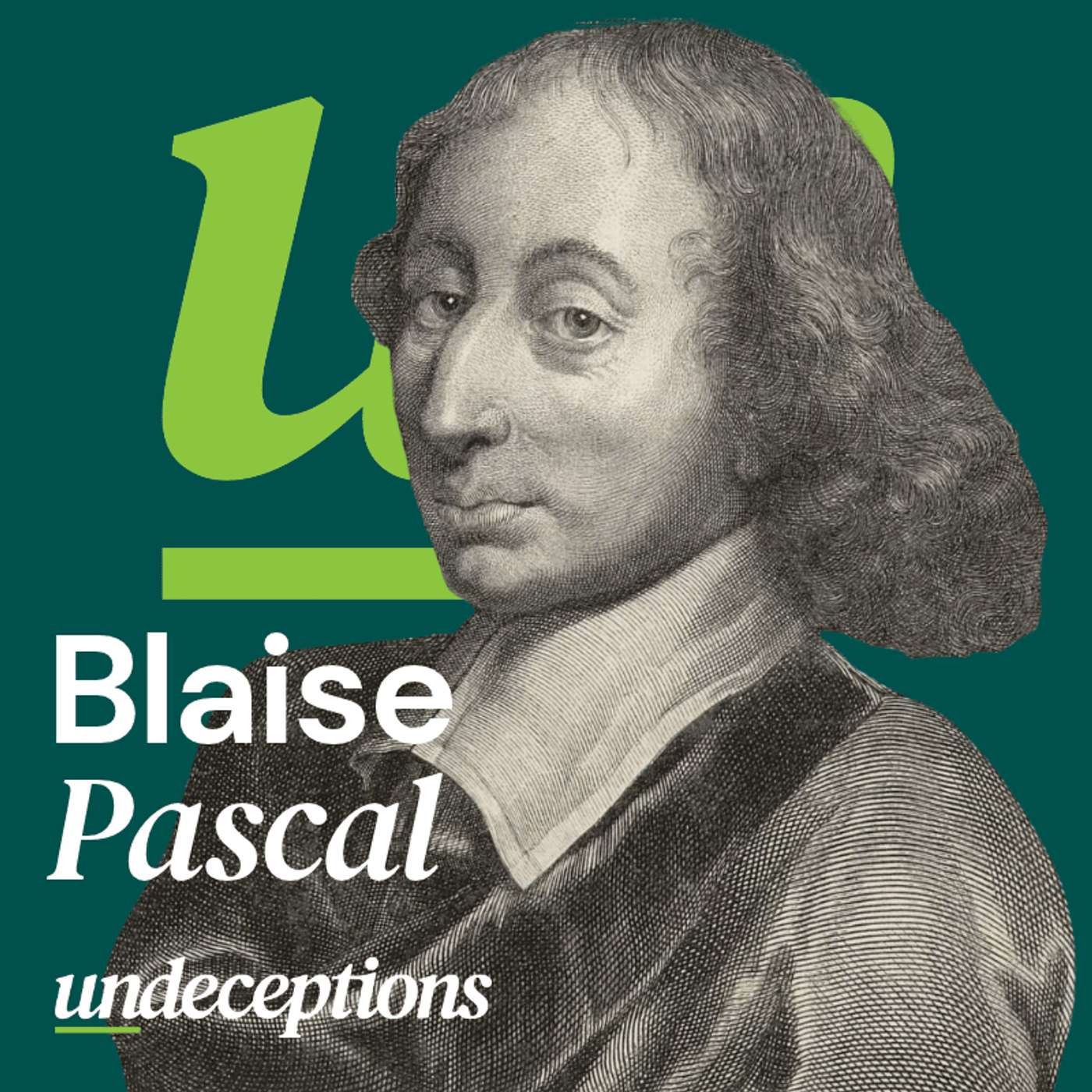
192. Blaise Pascal
Nov 23, 2026 · 1h 13m
Long before smartphones and modern distractions, 17th-century supreme polymath Blaise Pascal understood the human condition—our infinite abyss, the logic of the heart, and why God remains a "hidden...
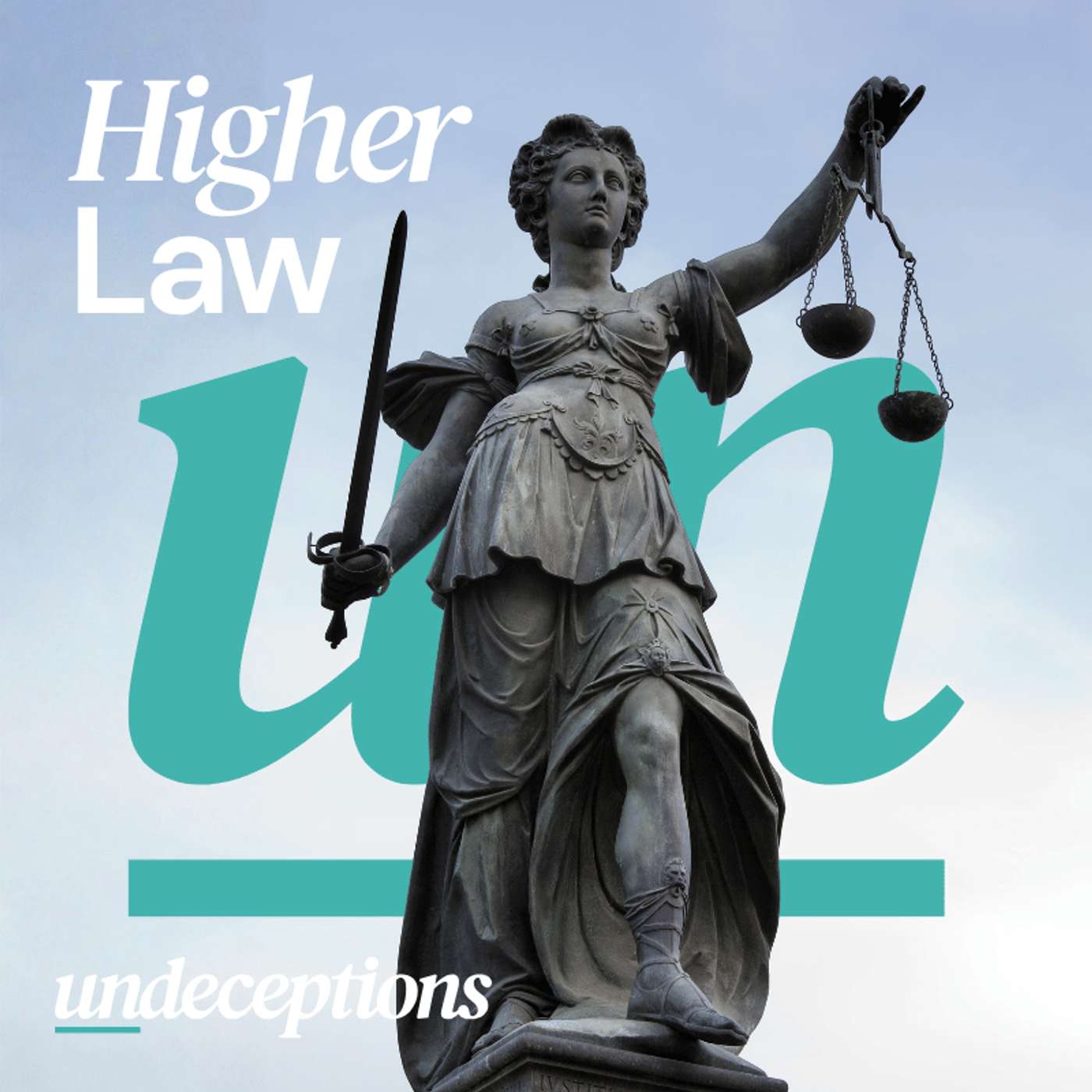
191. Higher Law
Nov 16, 2026 · 54m
Where do our concepts of law and justice come from?Is the legal system simply there to protect us from harming one another, or is it meant to cultivate a virtuous society? And why do so many of us...
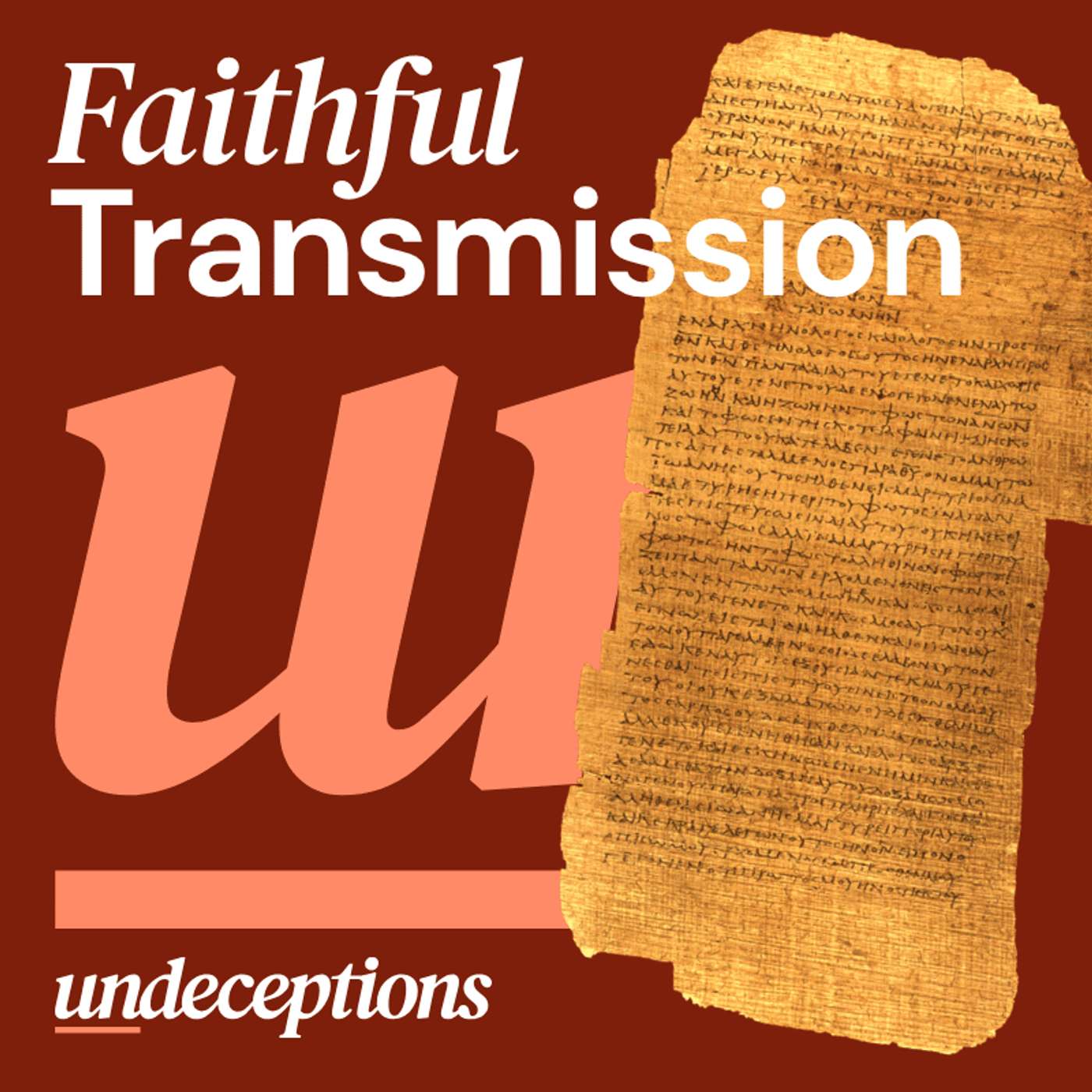
190. Faithful Transmission
Nov 9, 2026 · 1h 18m
Can we really trust that the New Testament we read today matches what was originally written 2,000 years ago?In this episode, textual critic Dirk Jongkind dives into the fascinating world of ancient...
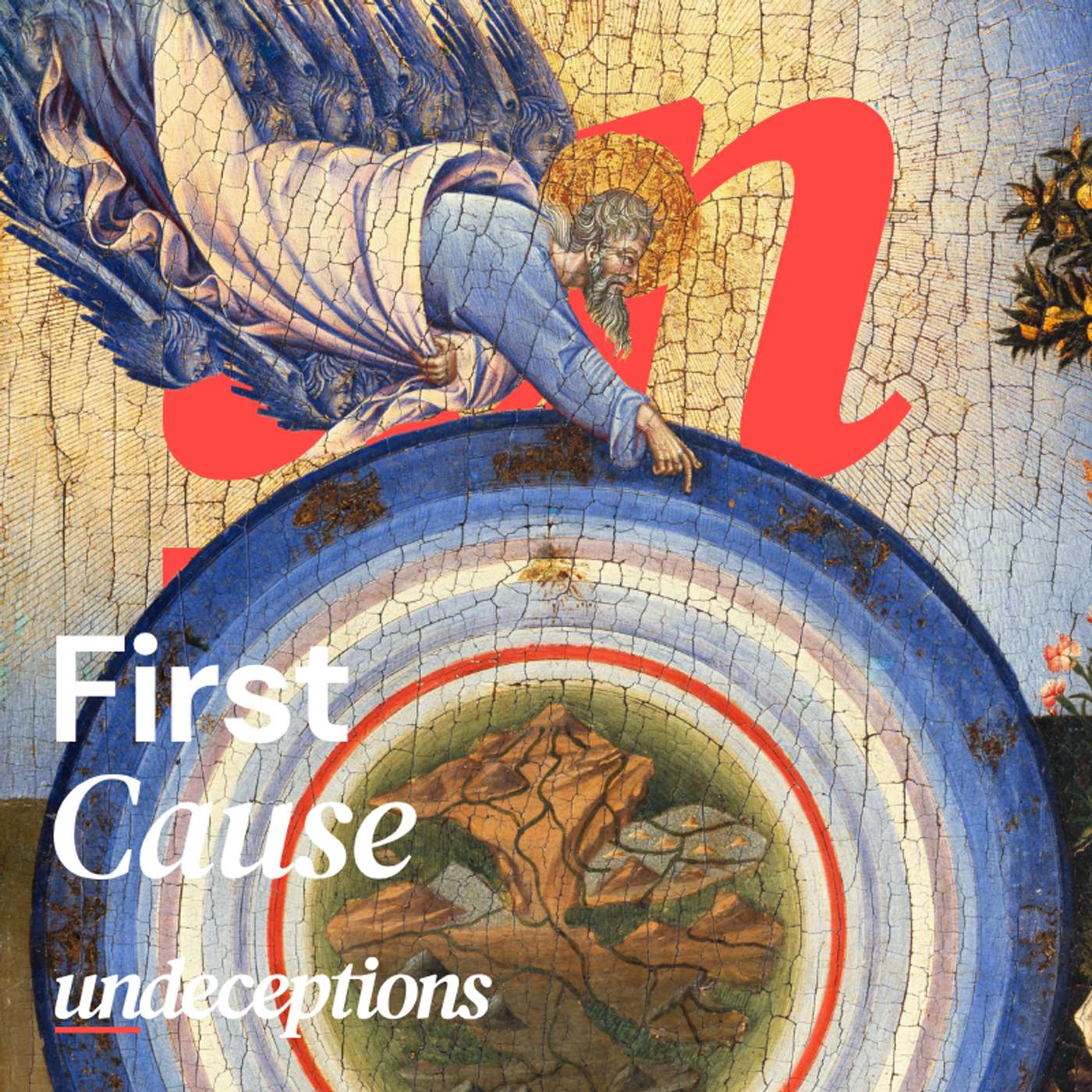
189. First Cause
Nov 2, 2026 · 55m
The question of whether the universe has a beginning – or, more properly, a ‘foundation’ – and what that origin might be, has been the bread and butter of philosophers since the beginning of...
188. The Pagans
Oct 26, 2026 · 1h 20m
The modern world was supposed to leave magic behind. But a new generation is searching for enchantment in paganism, folklore, and the supernatural. What’s driving this spiritual interest? Is it a...
187. On Slavery
Sep 14, 2026 · 1h 24m
What in the world do we do about slavery in the Bible?We shouldn’t rush to William Wilberforce and the Christian abolitionists so quickly that we gloss over an uncomfortable fact: Christians really...
Take these sermons with you.
Follow Undeceptions with John Dickson in the Getsermons app to get every new sermon, build playlists, and pick up right where you left off.

