
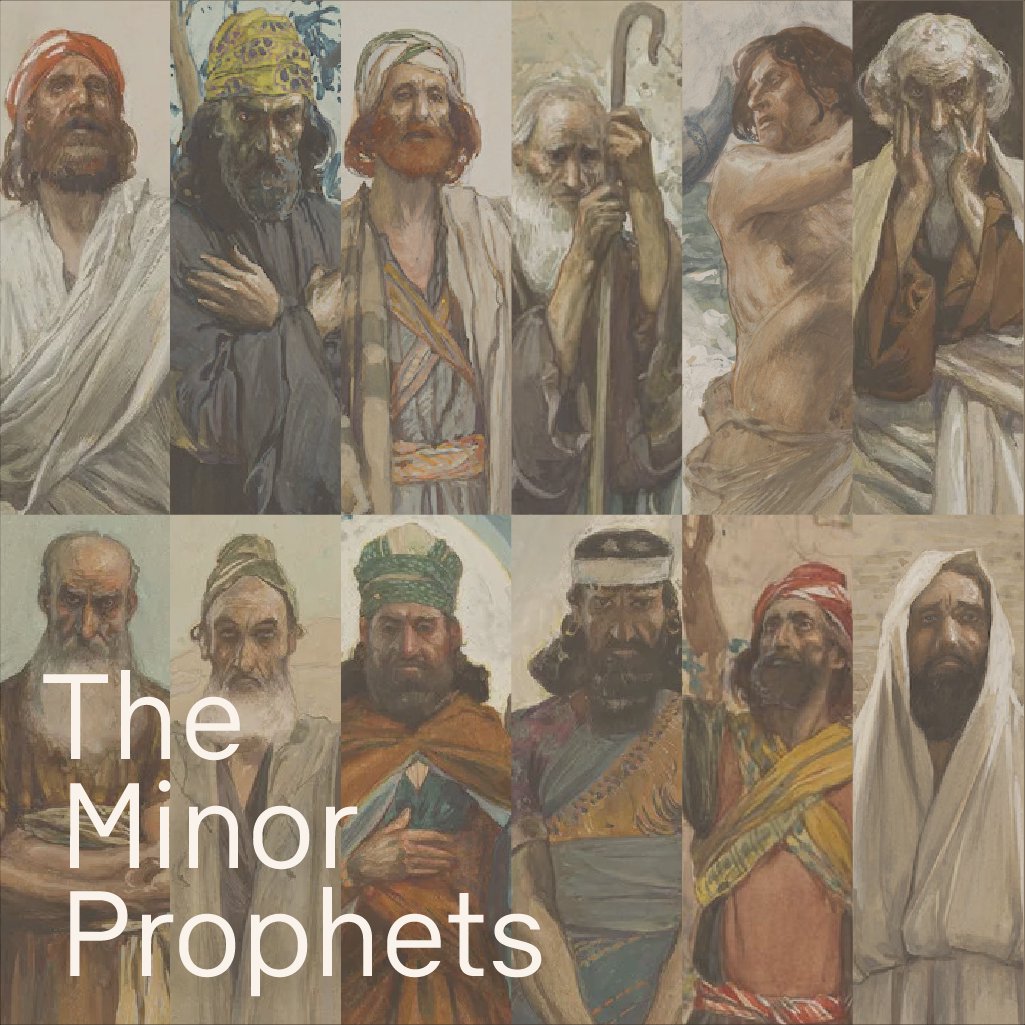
About this sermon
The prophet Micah presents us with a divine courtroom scene, where God’s people stand accused of falling short of His expectations. But what does God really require of us? It’s not elaborate rituals or sacrifices, but rather to ‘do justice, love kindness, and walk humbly with our God.’ This timeless message serves as a mirror for our own lives, prompting us to examine how we care for the vulnerable in our communities. Are we, like the Israelites, practicing empty religion while neglecting true compassion? The sermon draws fascinating parallels between ancient Israel and our modern world, reminding us that God’s heart for justice and mercy remains unchanged. As we grapple with this convicting message, we’re also comforted by the assurance of God’s unfailing love and forgiveness. This journey through Micah invites us to align our hearts with God’s, transforming us into agents of His justice and kindness in a world desperately in need.
Main Points:
- God requires His people to do justice, love kindness, and walk humbly with Him
- The book of Micah serves as a mirror for self-reflection and societal examination
- Caring for the vulnerable is a central aspect of biblical justice
- God’s people often fall short of His requirements, but He remains faithful
- God rescues us from our greatest enemies: sin and the world
- God’s character is marked by mercy, forgiveness, and unchanging love
Discussion Questions:
1. The sermon mentioned that God’s people ‘missed the purpose of their redemption.’ What is the purpose of our redemption in Christ? How might we as modern believers also be at risk of missing the purpose of our own redemption in Christ?
2. In what ways do you see the tension between religious ritual and true relationship with God in your own life?
3. If Micah serves as a ‘mirror’ for societies, churches, and individuals, what uncomfortable truths might this mirror be revealing in our own lives or communities?
4. In what ways does the socioeconomic segregation of our cities blind us to the needs of others, and how can we actively work to overcome this ‘blindness’?
5. What are some practical ways our small group could engage in caring for the vulnerable in our community?
Practical Applications:
1. Spend time in prayer, asking God to reveal areas where you may have become blind to injustice or need around you.
2. Memorize Micah 6:8
Reflect on areas where you struggle to extend mercy or kindness. Ask God for help in growing in these areas.
Prayerfully consider getting involved with one of our ministry partners—not just to care for those in need, but to be reminded of your own need for growth, grace, and the ways God shapes us through others.
Worship Setlist:
The Lamb (Alleluia); Come Thou Fount; King of Kings; I Exalt Thee; Living Hope; Yet Not I But Through Christ In Me
More from Watermark Fort Worth
Philippians 2:12-18
Nov 15, 2026 · 43m
This week's sermon on Philippians 2:12–18 explored what it looks like to grow in faith without relying solely on our own strength or passively waiting for God to change us. Jason Bradshaw walked...

A Generous People
Nov 8, 2026 · 54m
What does it really mean to trust God with our money, comfort, and security? In Matthew 6:19–24, Jesus challenges us to examine what we treasure most and where we place our trust. Through three...

Our Generous God
Nov 1, 2026 · 51m
This week, we began a three-week series on generosity by looking first at the extraordinary generosity of God Himself. Drawing from Ephesians 1:3–14, Newley Spikes reminded us that God's generosity is...
Philippians 2:5-11
Oct 25, 2026 · 43m
This week's sermon walked through Philippians 2:5-11, exploring what it means to embrace a life of humility modeled after and made possible by Jesus Christ. The passage unfolds through three...
Philippians 2:1-4
Oct 18, 2026 · 42m
In Philippians 2:1–4, Paul reminds us that our unity begins with what we have already received in Christ: His encouragement, love, comfort, and the presence of the Spirit. Because of what Christ has...
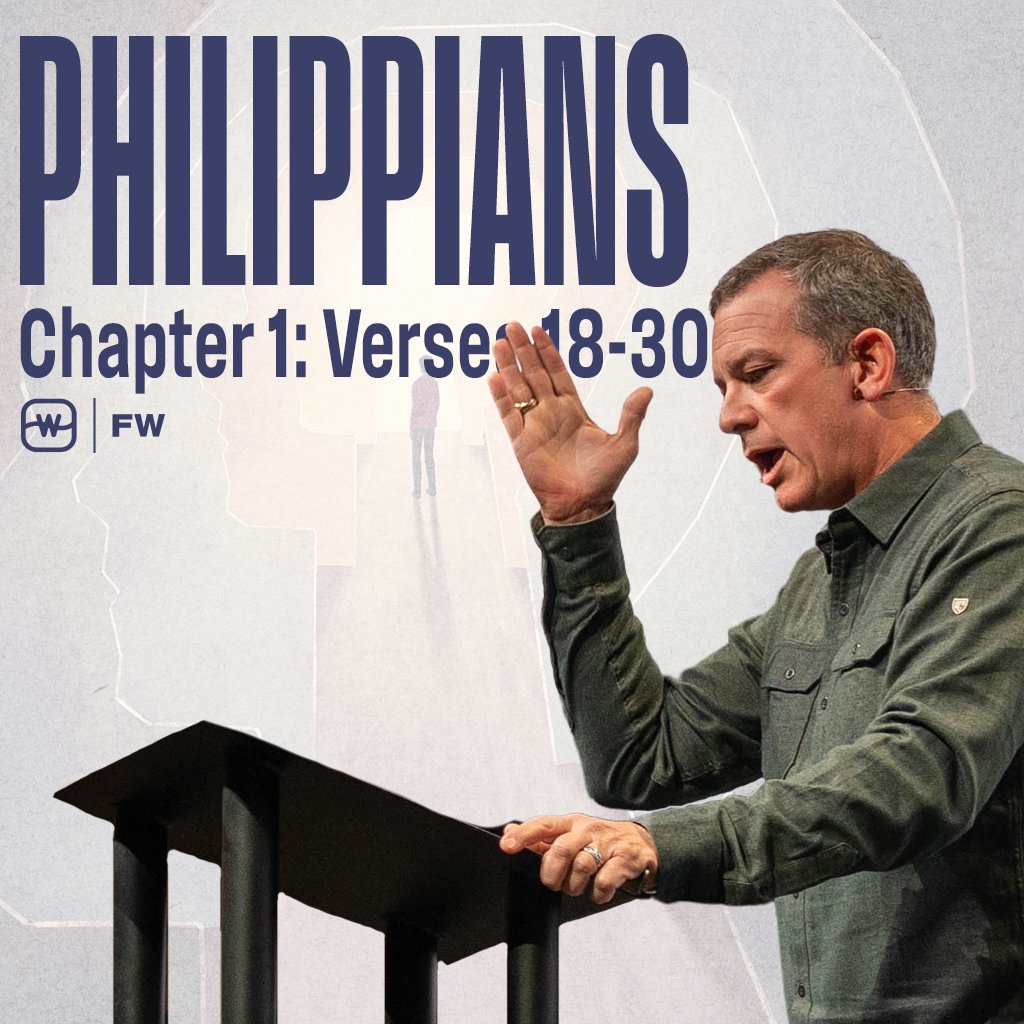
Philippians 1:18-30
Oct 11, 2026 · 50m
In Philippians 1:18–30, Paul writes from a prison cell with a clarity and peace that defies his circumstances, declaring that “to live is Christ and to die is gain.” His life has been completely...
Take these sermons with you.
Follow Watermark Fort Worth in the Getsermons app to get every new sermon, build playlists, and pick up right where you left off.

