
A Survey of Anglican History
Mary I
Apr 24, 2026 · 50m
Prefer sermons downloaded automatically?
About this sermon
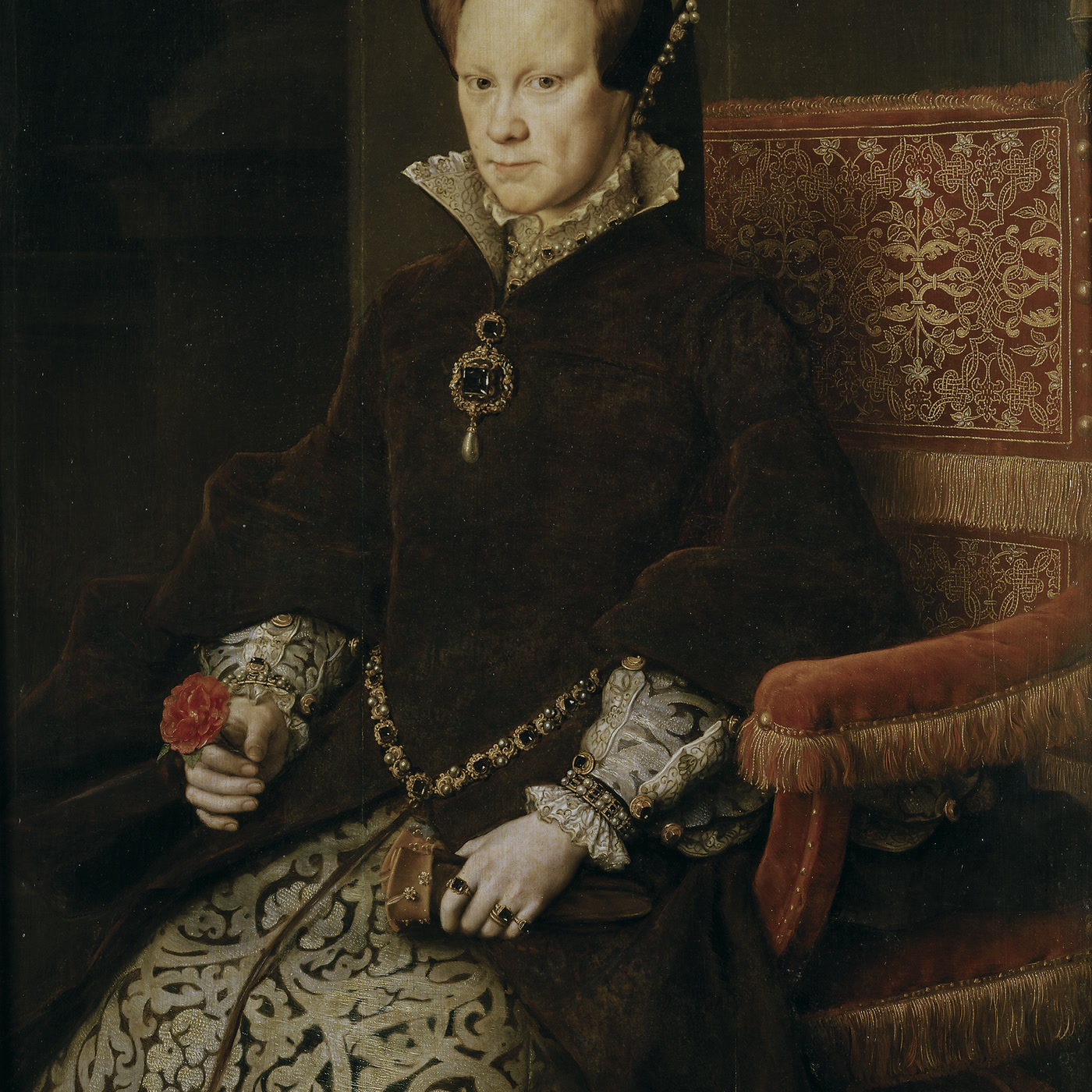
Mary I (18 February 1516 – 17 November 1558) was Queen of England and Ireland from July 1553 and Queen of Spain as the wife of King Philip II from January 1556 until her death in 1558. She made vigorous attempts to reverse the English Reformation, which had begun during the reign of her father, King Henry VIII. Her attempt to restore to the Church the property confiscated in the previous two reigns was largely thwarted by Parliament but, during her five-year reign, more than 280 religious dissenters were burned at the stake, in what became known as the Marian persecutions, leading later commentators to label her "Bloody Mary". Mary was the only surviving child of Henry VIII by his first wife, Catherine of Aragon. She was declared illegitimate and barred from the line of succession following the annulment of her parents' marriage in 1533, but was restored via the Third Succession Act 1543. Her younger half-brother, Edward VI, succeeded their father in 1547 at the age of nine. When Edward became terminally ill in 1553, he attempted to remove Mary as heir to the throne because he supposed, correctly, that she would reverse the Protestant reforms that had taken place during his reign. Upon his death, leading politicians proclaimed their Protestant cousin, Lady Jane Grey, as queen instead. Mary speedily assembled a force in East Anglia and deposed Jane. Mary was—excluding the disputed reigns of Jane and the Empress Matilda—the first queen regnant of England. In July 1554, she married Philip of Spain, becoming queen consort of Habsburg Spain on his accession in 1556. Marriage to the Spanish king was controversial in England. After Mary's death in 1558, her re-establishment of Catholicism in England was reversed by her younger half-sister and successor, Elizabeth I.
Episode artwork: Artist: Antonis Mor. License: Public domain. Content adapted from Wikipedia (https://en.wikipedia.org/wiki/Mary_I), used under the Creative Commons Attribution-ShareAlike License.
More from A Survey of Anglican History

English Civil War
Nov 2, 2026 · 1h 24m
The English Civil War or Great Rebellion was a series of civil wars and political machinations between Royalists and Parliamentarians in the Kingdom of England from 1642 to 1651. Part of the wider...

Puritans
Apr 28, 2026 · 1h 14m
The Puritans were English Protestants in the 16th and 17th centuries who sought to rid the Church of England of what they considered to be Roman Catholic practices, maintaining that the Church of...

Thirty-nine Articles
Apr 27, 2026 · 39m
The Thirty-nine Articles of Religion (commonly abbreviated as the Thirty-nine Articles or the XXXIX Articles), finalised in 1571, are the historically defining statements of doctrines and practices of...
Elizabethan religious settlement
Apr 26, 2026 · 48m
The Elizabethan religious settlement was the set of religious and political arrangements made for England during the reign of Elizabeth I (1558–1603). The settlement, implemented from 1559 to 1563,...
Elizabeth I
Apr 25, 2026 · 1h 17m
Elizabeth I (7 September 1533 – 24 March 1603) was Queen of England and Ireland from 17 November 1558 until her death in 1603. She was the last and longest reigning monarch of the House of Tudor....
Book of Common Prayer
Apr 23, 2026 · 1h 30m
The Book of Common Prayer (BCP) is the title of a number of related prayer books used in the Anglican Communion and by other Christian churches historically related to Anglicanism. The first prayer...
Take these sermons with you.
Follow A Survey of Anglican History in the Getsermons app to get every new sermon, build playlists, and pick up right where you left off.

