

A Survey of Anglican History
Puritans
Apr 28, 2026 · 1h 14m
Prefer sermons downloaded automatically?
About this sermon
The Puritans were English Protestants in the 16th and 17th centuries who sought to rid the Church of England of what they considered to be Roman Catholic practices, maintaining that the Church of England had not been fully reformed and should become more Protestant. Puritanism played a significant role in English and early American history, especially in the Protectorate in Great Britain, and the earlier European settlement of New England. Puritans were dissatisfied with the limited extent of the English Reformation and with the Church of England's toleration of certain practices associated with the Catholic Church. They formed and identified with various religious groups advocating greater purity of worship and doctrine, as well as personal and corporate piety. Puritans adopted a covenant theology, and in that sense they were Calvinists (as were many of their earlier opponents). In church polity, Puritans were divided between supporters of episcopal, presbyterian, and congregational types. Some believed a uniform reform of the established church was called for to create a godly nation, while others advocated separation from, or the end of, any established state church entirely in favour of autonomous gathered churches. These Separatist and Independents became more prominent in the 1640s, when the supporters of a presbyterian polity in the Westminster Assembly were unable to forge a new English national church. By the late 1630s, Puritans were in alliance with the growing commercial world, with the parliamentary opposition to the royal prerogative, and with the Scottish Presbyterians with whom they had much in common. Consequently, they became a major political force in England and came to power as a result of the First English Civil War (1642–1646). Almost all Puritan clergy left the Church of England after the restoration of the monarchy in 1660 and the Act of Uniformity 1662. Many continued to practice their faith in nonconformist denominations, especially in Congregationalist and Presbyterian churches. The nature of the Puritan movement in England changed radically. In New England, it retained its character for a longer period. Puritanism was never a formally defined religious division within Protestantism, and the term Puritan itself was rarely used after the turn of the 18th century. Congregationalist Churches, widely considered to be a part of the Reformed tradition of Christianity, are descended from the Puritans. Moreover, Puritan beliefs are enshrined in the Savoy Declaration, the confession of faith held by the Congregationalist churches. Some Puritan ideals, including the formal rejection of Roman Catholicism, were incorporated into the doctrines of the Church of England, the mother church of the worldwide Anglican Communion.
Episode artwork: Artist: John Rogers Herbert. License: Public domain. Content adapted from Wikipedia (https://en.wikipedia.org/wiki/Puritans), used under the Creative Commons Attribution-ShareAlike License.
More from A Survey of Anglican History

English Civil War
Nov 2, 2026 · 1h 24m
The English Civil War or Great Rebellion was a series of civil wars and political machinations between Royalists and Parliamentarians in the Kingdom of England from 1642 to 1651. Part of the wider...

Thirty-nine Articles
Apr 27, 2026 · 39m
The Thirty-nine Articles of Religion (commonly abbreviated as the Thirty-nine Articles or the XXXIX Articles), finalised in 1571, are the historically defining statements of doctrines and practices of...
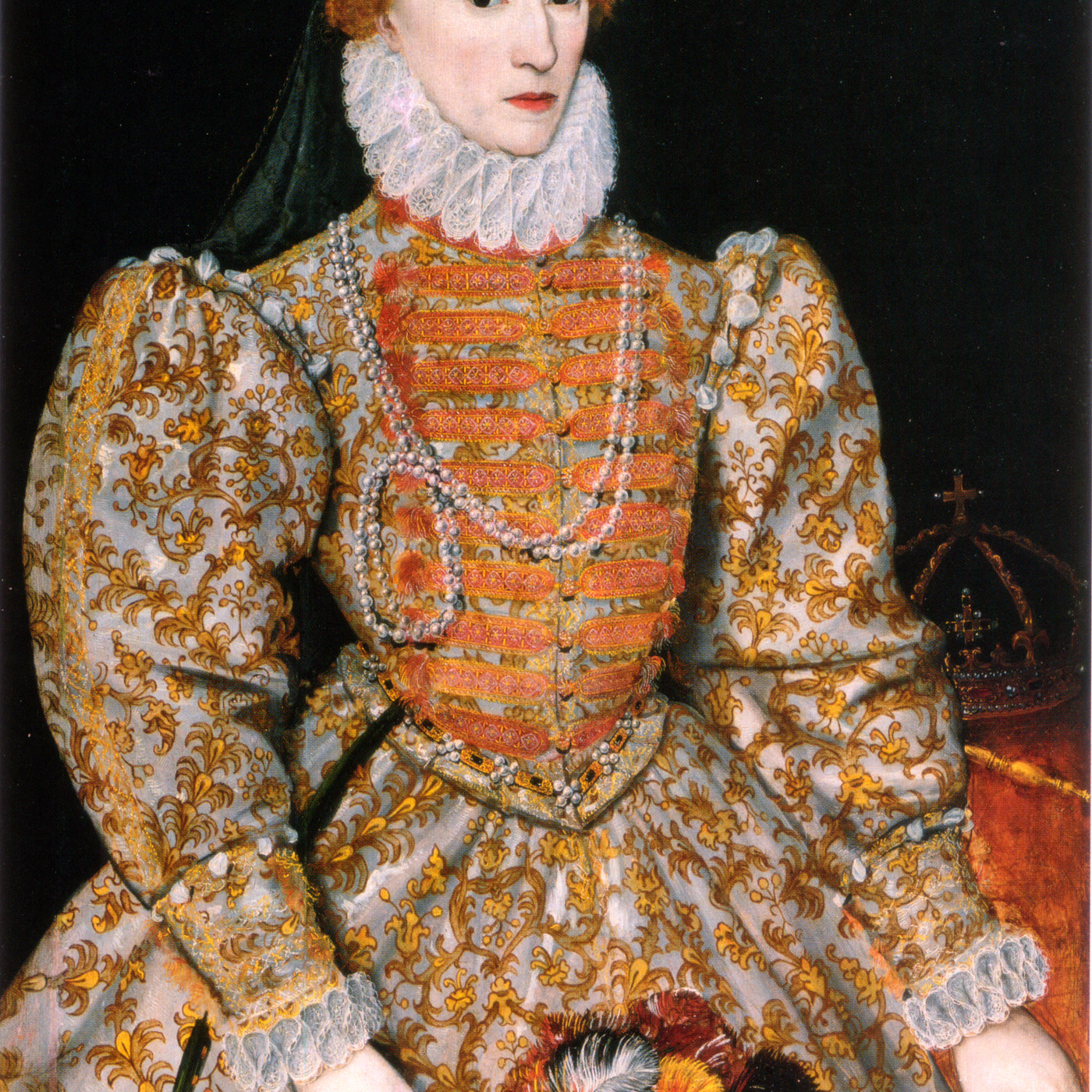
Elizabethan religious settlement
Apr 26, 2026 · 48m
The Elizabethan religious settlement was the set of religious and political arrangements made for England during the reign of Elizabeth I (1558–1603). The settlement, implemented from 1559 to 1563,...
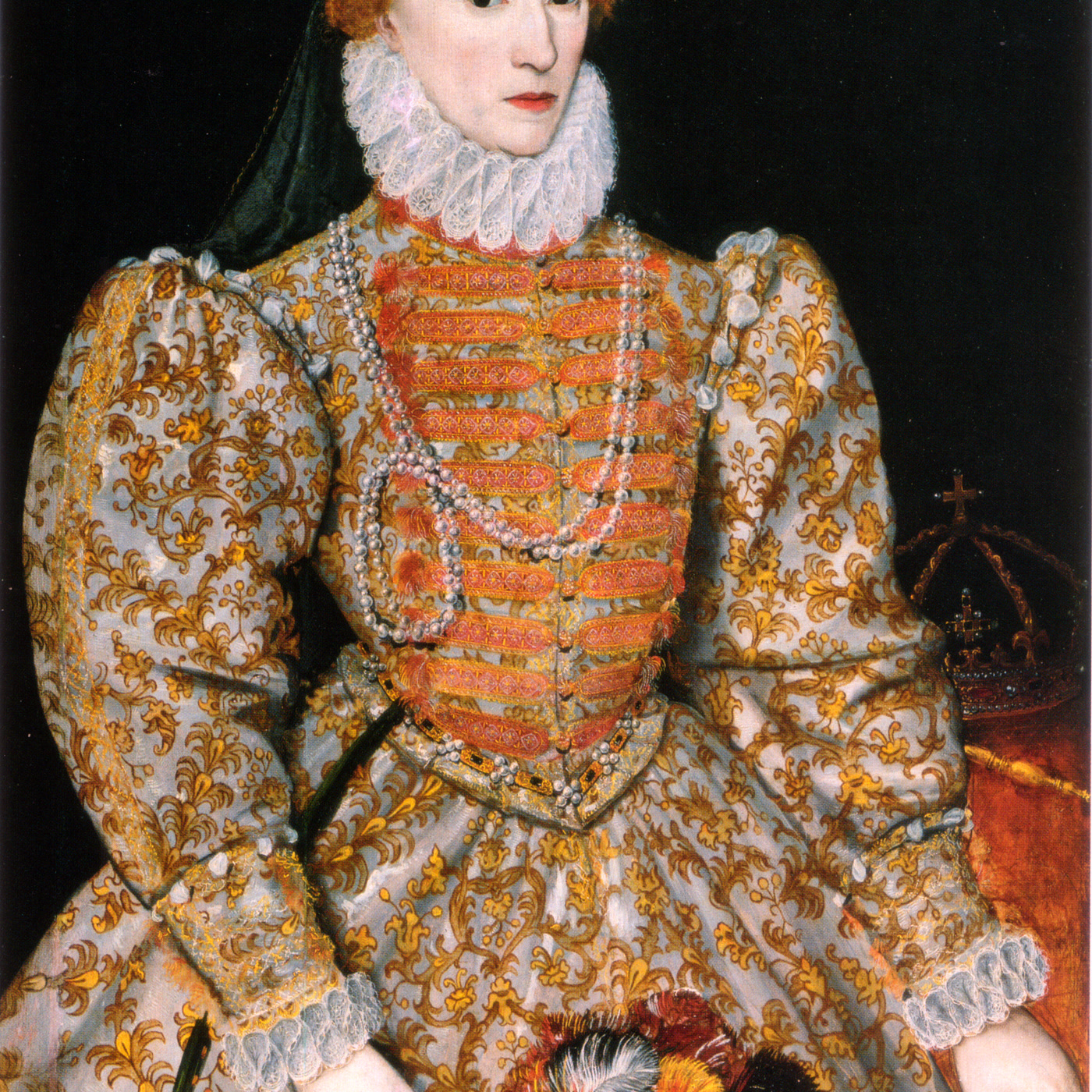
Elizabeth I
Apr 25, 2026 · 1h 17m
Elizabeth I (7 September 1533 – 24 March 1603) was Queen of England and Ireland from 17 November 1558 until her death in 1603. She was the last and longest reigning monarch of the House of Tudor....
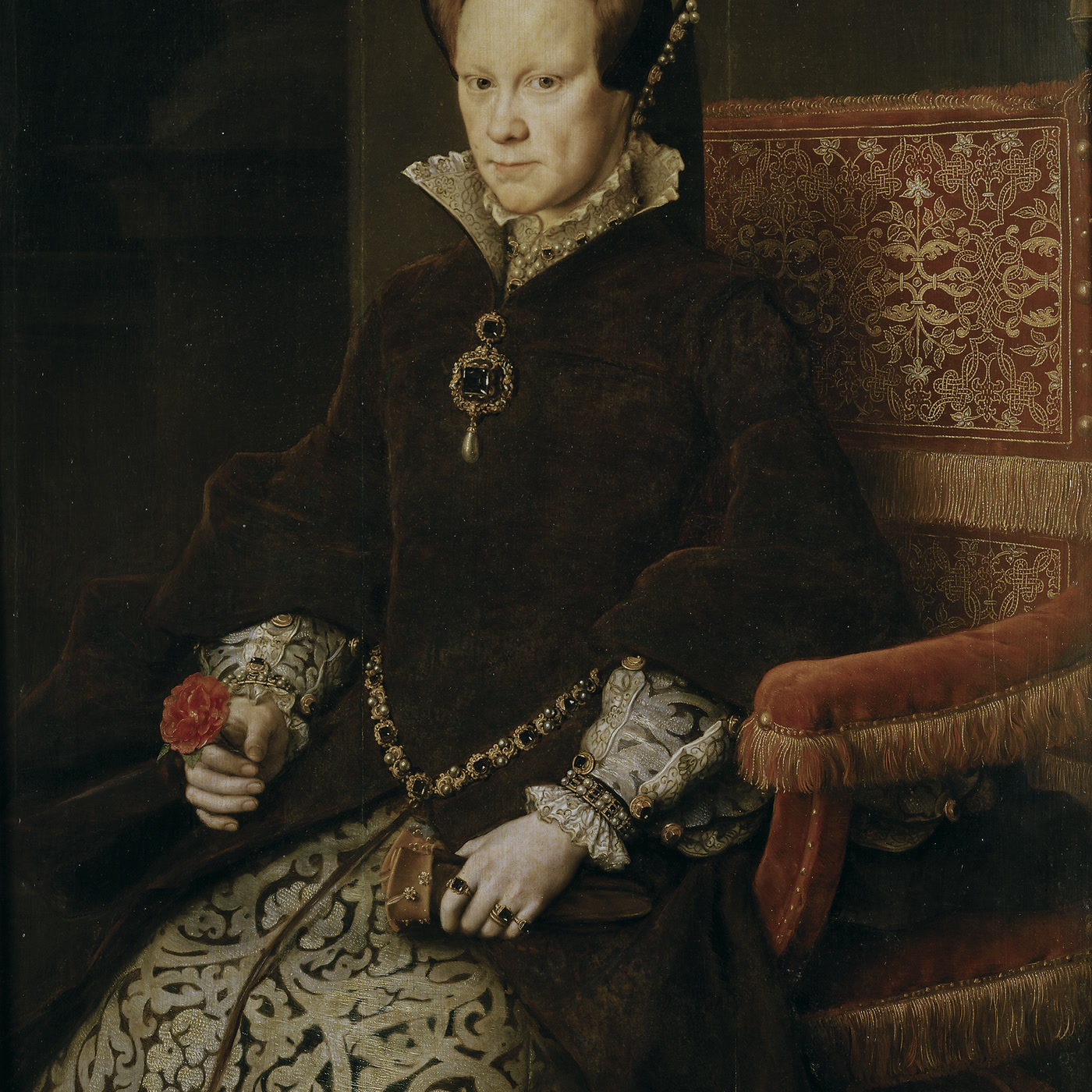
Mary I
Apr 24, 2026 · 50m
Mary I (18 February 1516 – 17 November 1558) was Queen of England and Ireland from July 1553 and Queen of Spain as the wife of King Philip II from January 1556 until her death in 1558. She made...
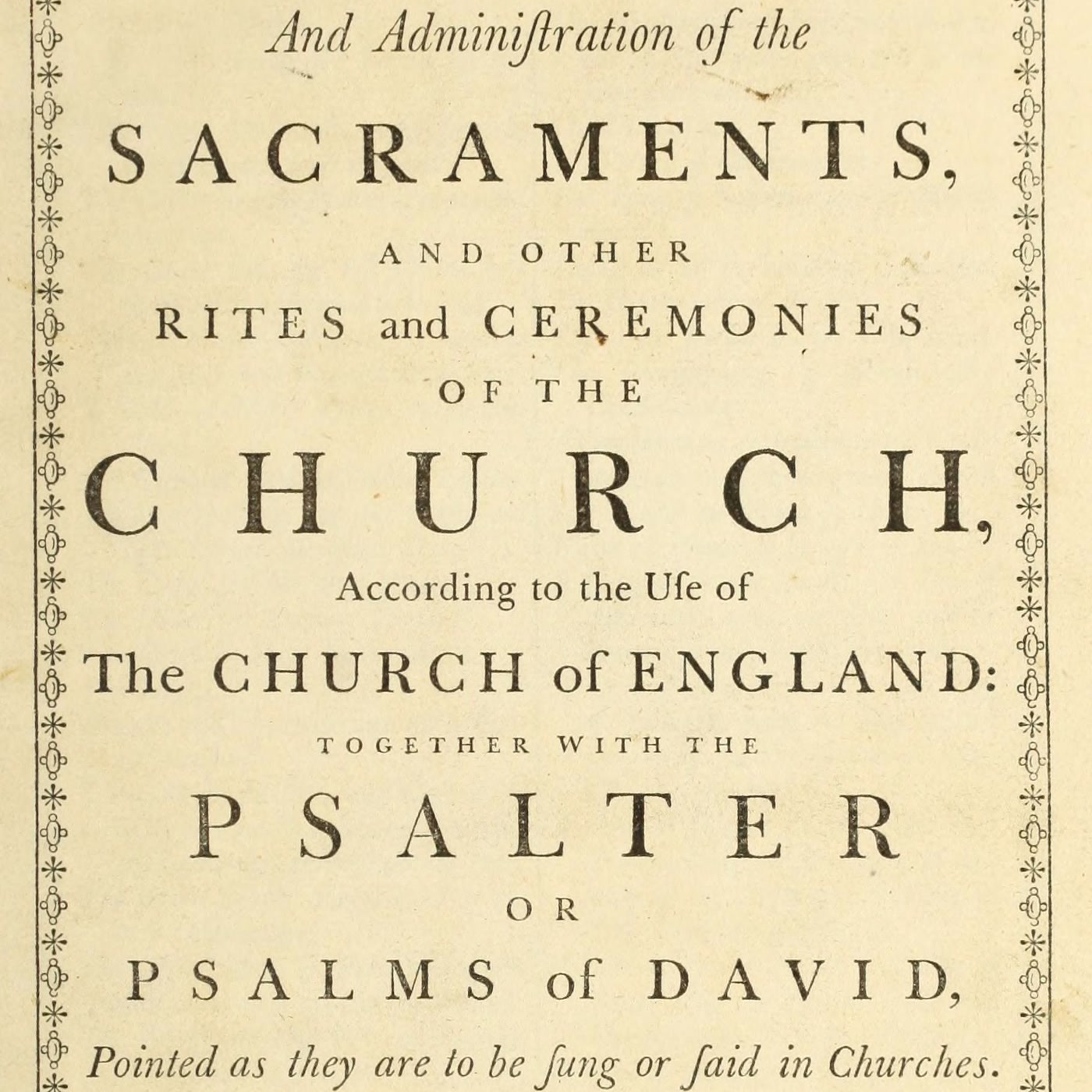
Book of Common Prayer
Apr 23, 2026 · 1h 30m
The Book of Common Prayer (BCP) is the title of a number of related prayer books used in the Anglican Communion and by other Christian churches historically related to Anglicanism. The first prayer...
Take these sermons with you.
Follow A Survey of Anglican History in the Getsermons app to get every new sermon, build playlists, and pick up right where you left off.

