

Catholic Saints & Feasts
August 14: Saint Maximilian Mary Kolbe, Priest and Martyr
Aug 14, 2026 · 7m
Prefer sermons downloaded automatically?
About this sermon
August 14: Saint Maximilian Mary Kolbe, Priest and Martyr
1894–1941
Memorial; Liturgical Color: Red
Patron Saint of prisoners, drug addicts, journalists, and the pro-life movement
Prisoner 16670 was tough, immersed in God, and ready when the moment came
Saints are made, not born. Even more so martyrs. Maximilian Kolbe was so impressive a man that he may have been canonized even if that oh-so-brief, oh-so-intense, my-life-for-his exchange in the grim prison yard of Auschwitz had not led to his martyrdom. Baptized as Raimund, from a young age Kolbe felt the call to self-sacrificing holiness. When he was a boy of twelve, the Virgin Mary came to him in a vision and held out two crowns for him to choose from: one white for a life of purity, and one red for martyrdom. The pre-teen Maximilian responded to his Lady: “I choose both.”
Maximilian, along with his older brother, entered a local Franciscan seminary as a teen. When he was just eighteen, his superiors sent him to study in Rome, where he earned doctorates in philosophy and theology summa cum laude. He was ordained a priest in 1918 and the next year returned to the new, post-World War I country of Poland. For the next twenty plus years, Father Maximilian powered his way through life. He taught in a Franciscan seminary. He started an immense publishing house which printed devotional materials promoting the Army of the Immaculate. He founded a new Franciscan monastery, which rapidly grew into one of the largest in Poland. And in 1930 he became a missionary to the Far East. He went to China, had little success, and so went on to Japan, where he founded a monastery near Nagasaki. He also started a publishing house in India. In 1936 he returned to Poland due to ill health. But he didn’t stop. He continued to manage various Marian publications, which were widely circulated, and even procured a radio license and began broadcasting from his own monastery radio station. As he immersed himself in the thousands of details of these varied apostolates, Father Kolbe maintained a disciplined life of prayer, mortification, and daily Mass.
After the Germans invaded Poland in September 1939, Kolbe’s apostolates were curtailed. He organized a hospital at the monastery and, along with the reduced community of brothers, gave shelter to refugees, including about 2,000 Jews. He was arrested by the Germans in 1939 and held for almost three months. He was pressured, but refused, to sign a document recognizing his German ancestry (Kolbe’s father was an ethnic German) in exchange for more food rations and better treatment. In February 1941, German SS men came and shuttered his monastery. Kolbe and four other friars were arrested, though twenty other brothers offered themselves in their stead. In May 1941, Kolbe was transferred to the heavy labor division of Auschwitz for the last act of his life.
He carried out his priestly ministry as best he could in the hell of Auschwitz and endured severe beatings for it. In July, just two months after he arrived, a prisoner escaped from the camp. As both deterrent and reprisal, the head of the camp ordered ten men to be starved to death in the escapee’s place. The victims were chosen at random from a prisoner roll call. One of the unfortunate chosen, a married man named Francis, begged for mercy: "My wife! My children!" What followed this desperate pleading was profound, left an indelible impression on all who witnessed it, and is packed with an almost liturgical character.
Perhaps remembering his childhood vision of the Virgin, and perhaps inspired that the chosen man shared the name Francis with the founder of his religious order, Kolbe removes his cap and slowly emerges from the bedraggled group of prisoners. A filthy, striped rag of a uniform is draped over his skeletal frame. He is barefoot. But he has dignity. There are no frivolous men in Auschwitz. He speaks directly to the commanding officer in German: “I want to take his place.” Kolbe’s bearing must command respect, because, according to an eye-witness, the officer responds to him using the formal “You.” “Warum wollen Sie für ihn sterben?”—“Why do you Sir want to die for him?” “Because he has a wife and children.” “What is your profession?” “I am a Catholic priest.” A few moments of silence and then “Gut.” “Good” or “Right.”
After two weeks of no food or water in a bunker, a guard injected carbolic acid into the arm of the indestructible Kolbe on August 14. His body was cremated the next day. His ashes floated from the smokestack over the gray wasteland of Auschwitz on August 15, the Feast of the Assumption. He, a priest, became what he offered. Like Saint Polycarp of old, burned like bread at the stake, Kolbe’s life ended in a liturgical doxology where his own body became the bread of sacrifice.
First-class relics of Saint Maximilian exist only because his Franciscan barbers thought he was a saint. They saved hairs from his head and beard without his knowledge. The man whose life he saved, Francis Gajowniczek, lived for another fifty-three years, to the age of 93, dying in 1995. He was present in Rome when Pope Saint John Paul II, who lived just an hour from Auschwitz in 1941, canonized his fellow Pole Saint Maximilian Kolbe in 1982.
Saint Maximilian Kolbe, you were prepared to be generous in your last moments by a long life of sacrifice, humility, and devotion. May we so prepare ourselves day in and day out, so that when a moment of heroic generosity presents itself, we will respond like you.
More from Catholic Saints & Feasts

4th Thursday in November: Thanksgiving Day (U.S.A.)
Nov 26, 2026 · 6m
Fourth Thursday in November: Thanksgiving Day (U.S.A.) Optional Memorial; Liturgical Color: White Life is a gift replete with countless gifts It’s 1542, and the Spanish Franciscan Juan de Padilla, a...
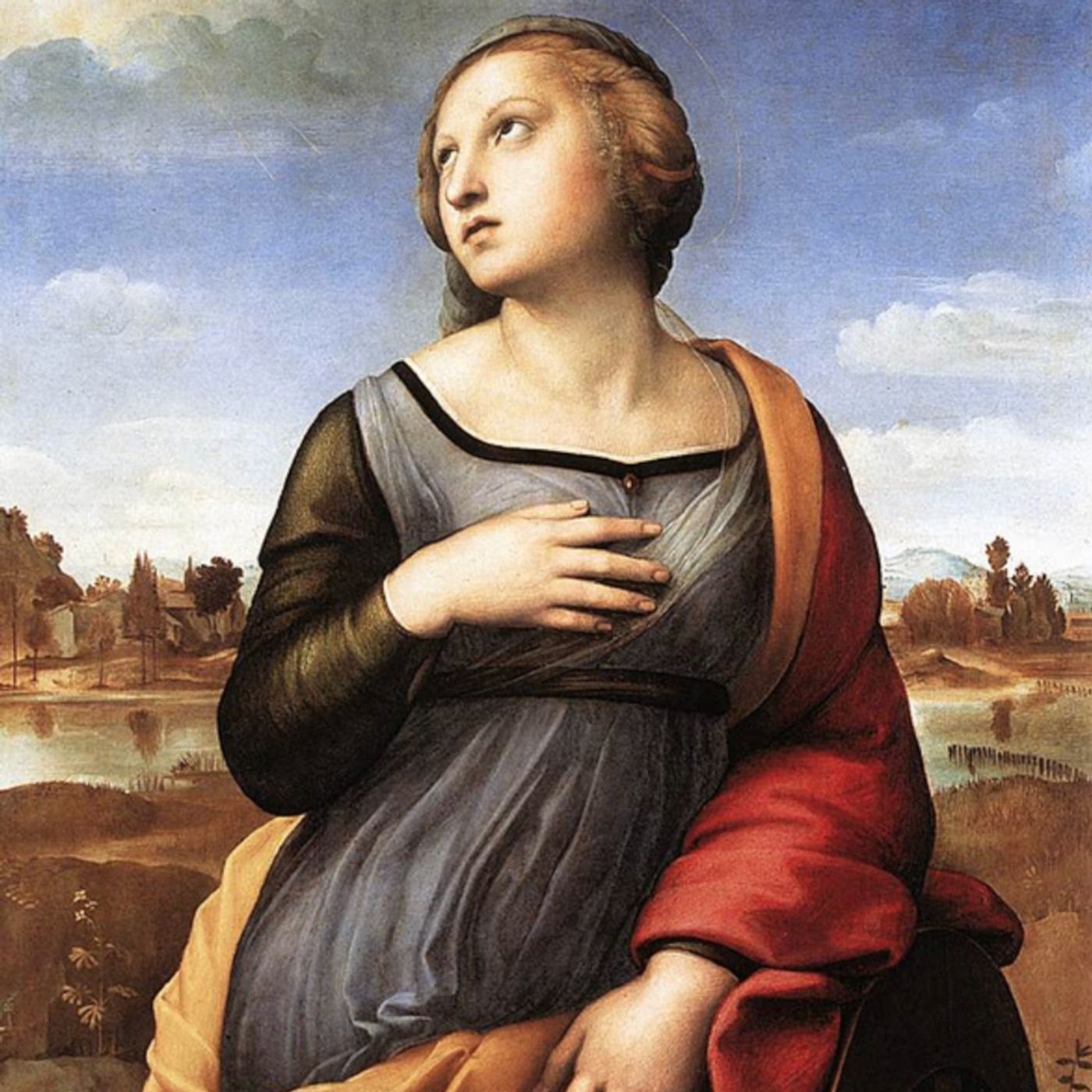
November 25: Saint Catherine of Alexandria, Virgin and Martyr
Nov 25, 2026 · 6m
November 25: Saint Catherine of Alexandria, Virgin and Martyrc. Late third–early fourth centuriesOptional Memorial; Liturgical Color: RedPatron Saint of philosophers, apologists, and all who work with...
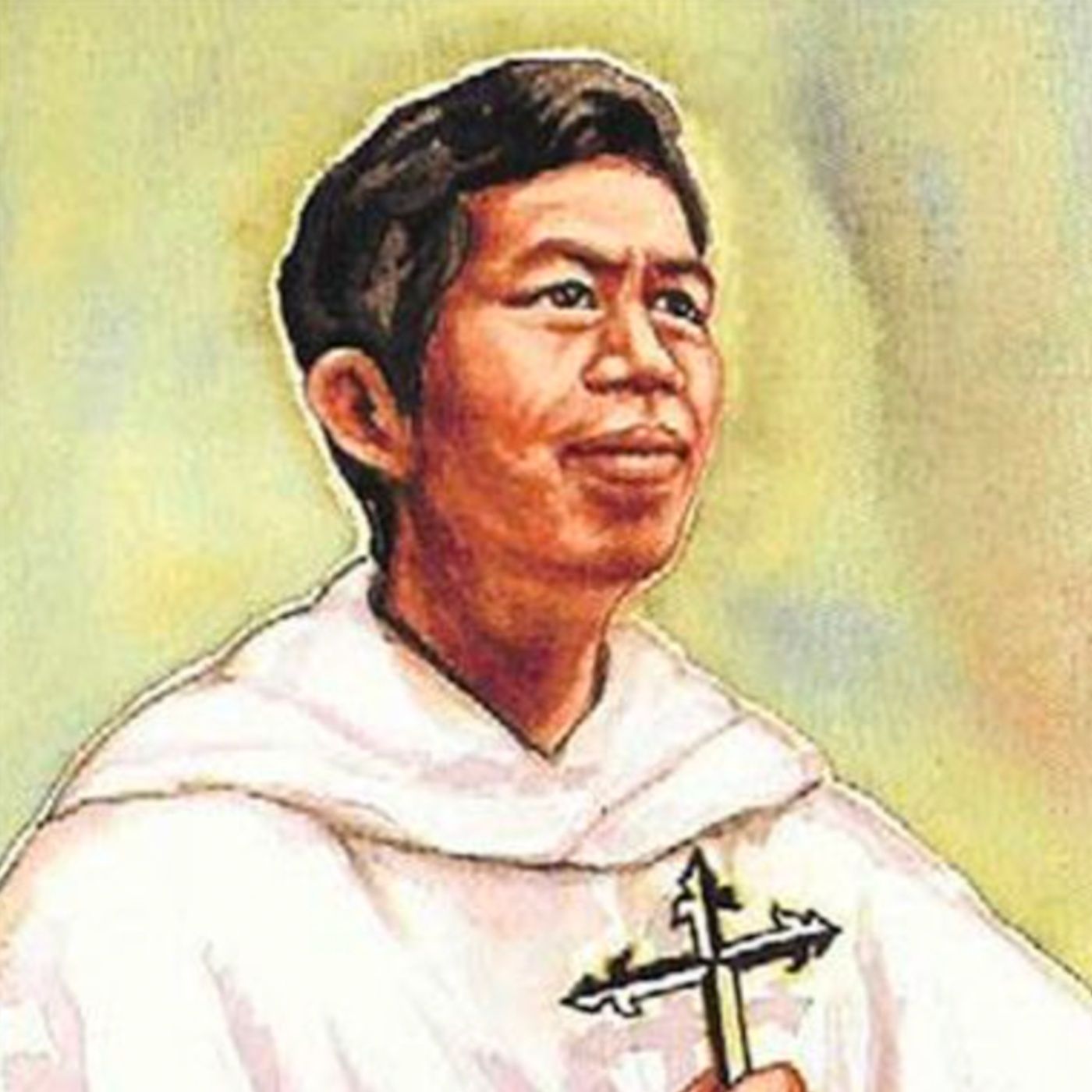
November 24: Saint Andrew Dũng-Lac, Priest, and Companions, Martyrs
Nov 24, 2026 · 6m
November 24: Saint Andrew Dũng-Lac, Priest, and Companions, Martyrs1795–1839; Seventeenth–Nineteenth CenturiesMemorial; Liturgical Color: RedPatron Saints of VietnamThousands of priests and converts...
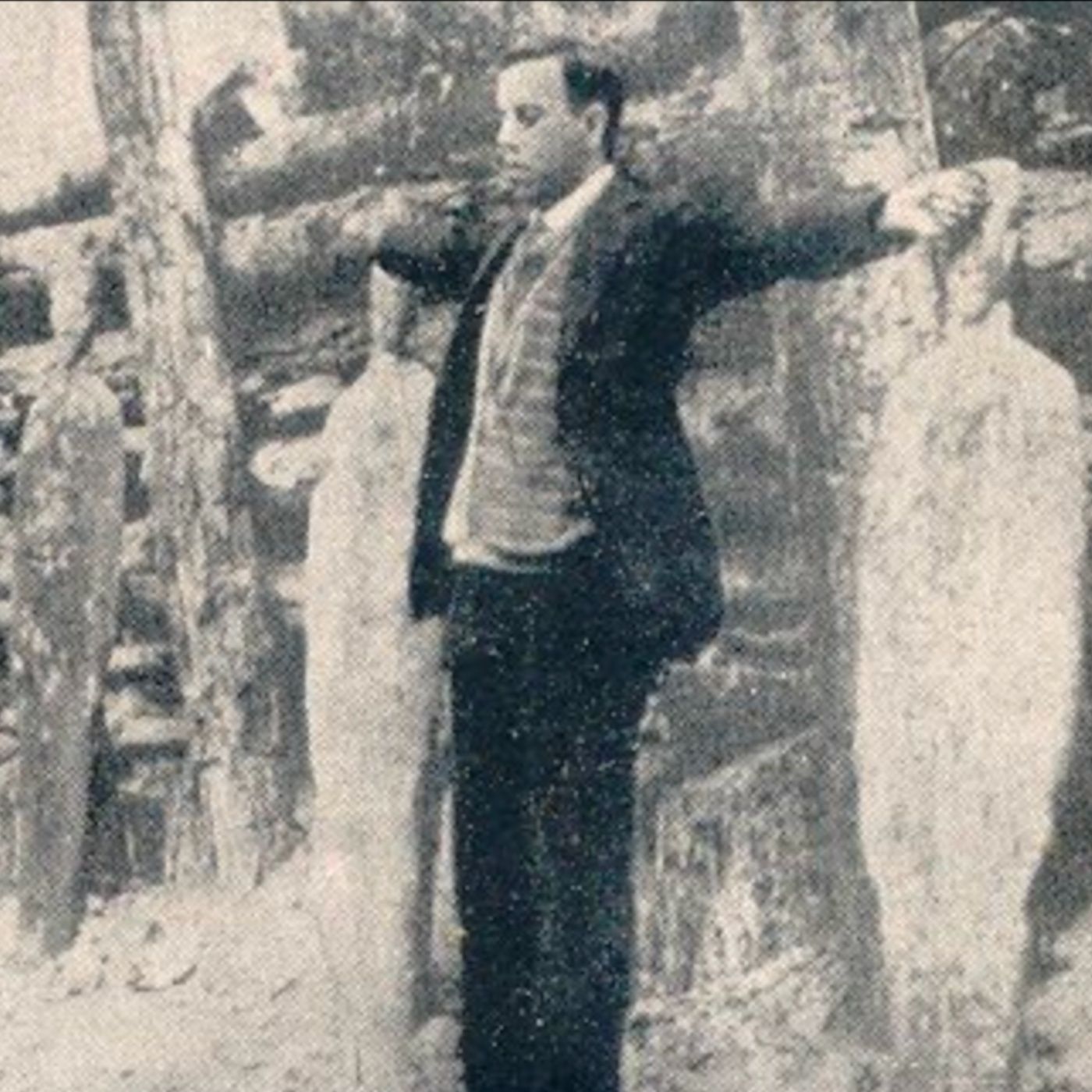
November 23: Blessed Miguel Agustín Pro, Priest and Martyr (U.S.A.)
Nov 23, 2026 · 7m
November 23: Blessed Miguel Agustín Pro, Priest and Martyr (U.S.A.)1891–1927Optional Memorial; Liturgical Color: RedThe proto-martyr of the age of the imageThe emaciated holocaust survivor behind...
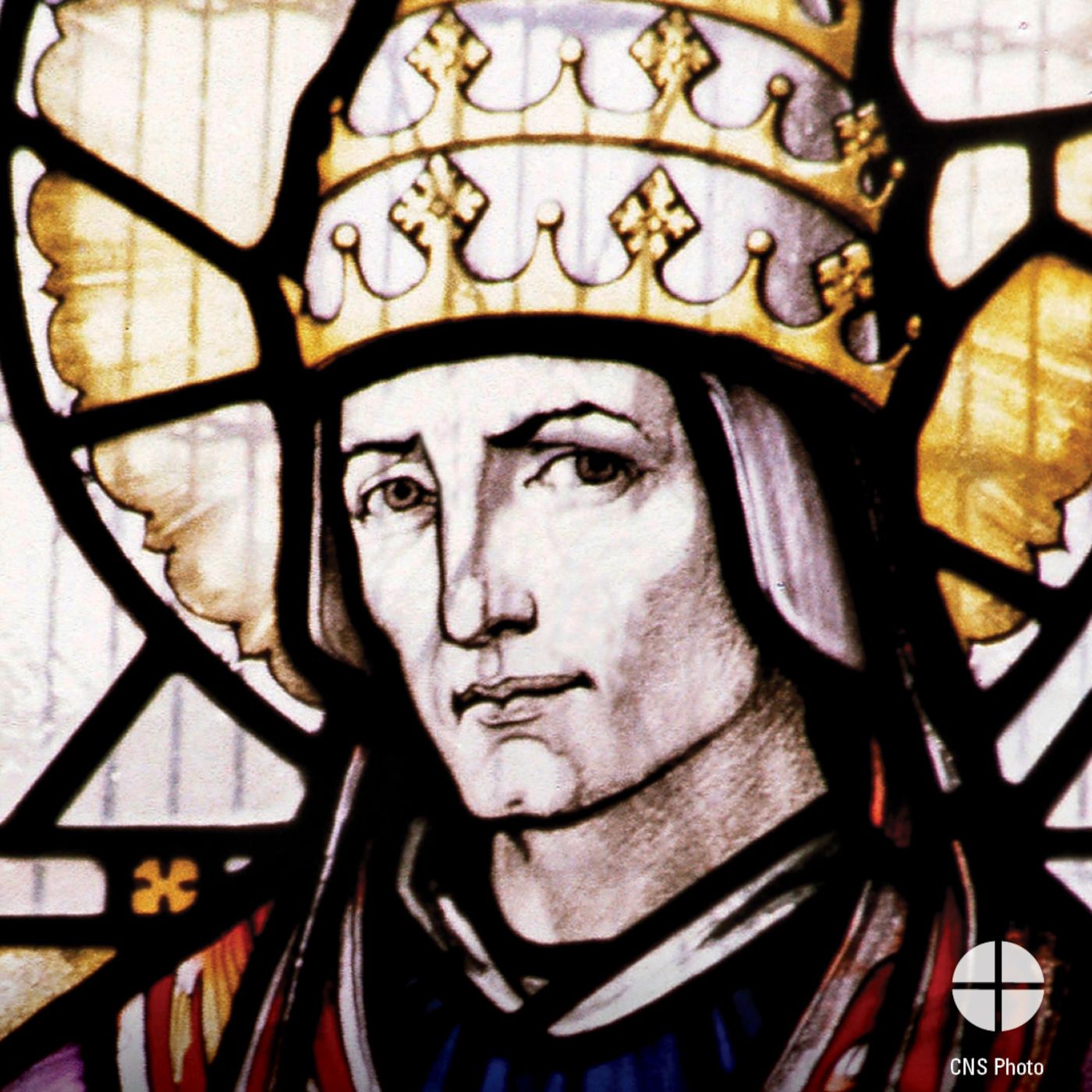
November 23: Saint Clement I, Pope and Martyr
Nov 23, 2026 · 6m
November 23: Saint Clement I, Pope and MartyrFirst CenturyOptional Memorial; Liturgical Color: RedPatron Saint of sailors and marble workersPrimacy more than infallibility, service more than...

November 23: Saint Columban, Abbot
Nov 23, 2026 · 5m
November 23: Saint Columban, Abbotc.543–615Optional Memorial; Liturgical Color: WhitePatron Saint of motorcyclists and against floodsHe led the first wave of Irish monks who stormed EuropeThroughout...
Take these sermons with you.
Follow Catholic Saints & Feasts in the Getsermons app to get every new sermon, build playlists, and pick up right where you left off.

