
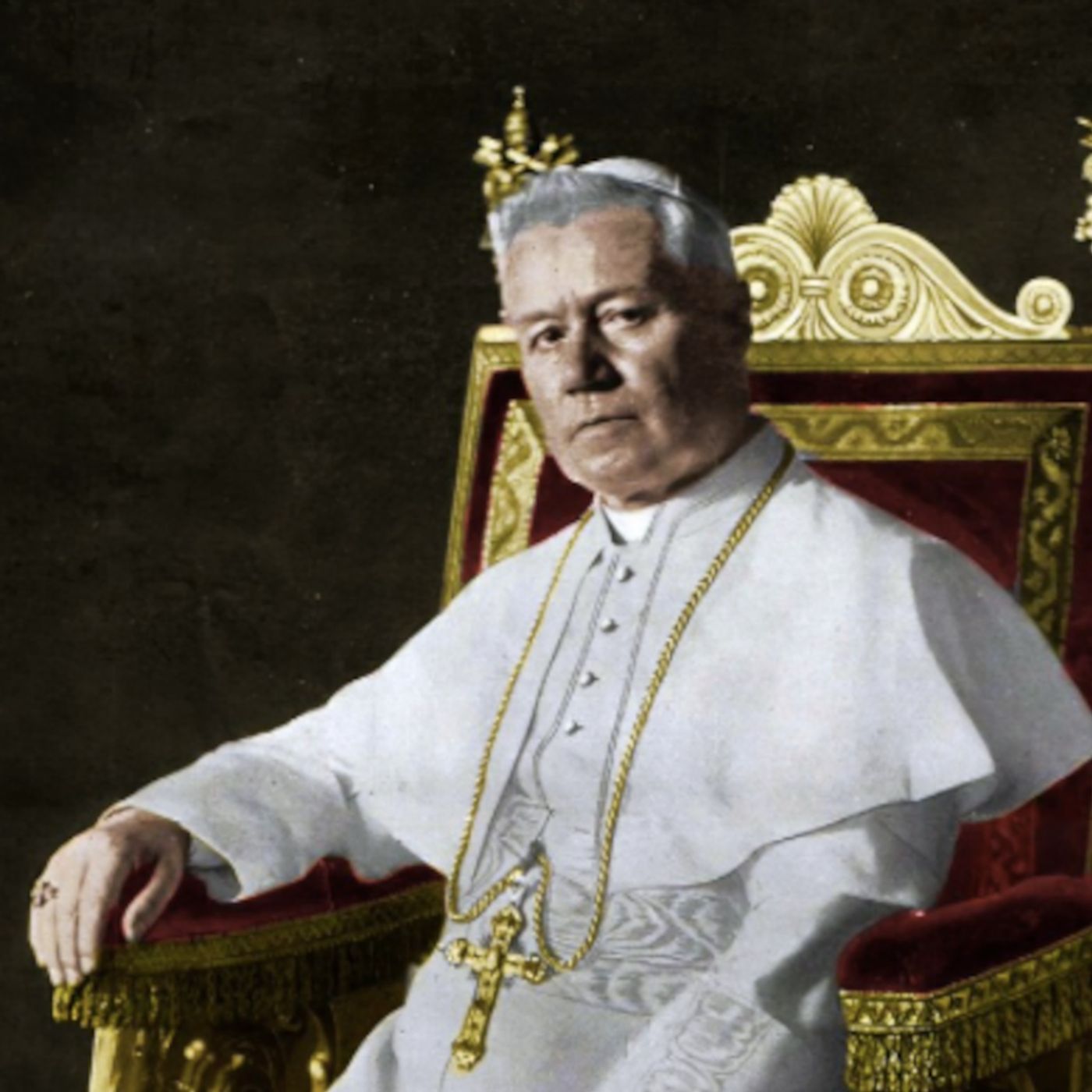
Catholic Saints & Feasts
August 21: Saint Pius X, Pope
Aug 21, 2026 · 6m
Prefer sermons downloaded automatically?
About this sermon
August 21: Saint Pius X, Pope
1835–1914
Memorial; Liturgical Color: White
Patron Saint of First Communicants and pilgrims
Born humble and poor, he never forgot his origins while in the Chair of St. Peter
In the long span of three hundred and forty years between the death of Pope Saint Pius V in 1572 and today’s pope-saint, who died in 1914, not one pope is a canonized saint. It is a sign of the Church’s solid foundations and rock-like durability that less than holy men have normally led her, and still she has thrived. Analogous to the doctrine of ex opere operato, which holds that a sacrament’s grace is communicated by merely being performed, the headship of the universal Church is exercised well by intelligent men who care for her good, even if they are not personally holy. But that a pope be holy makes the Church even more impressive, in the same way that a priest’s holiness doesn’t make a sacrament more a sacrament but does make it more fruitful.
Pope Saint Pius X was born Giuseppe Sarto in Northern Italy to humble parents in a poor home, the second of ten children. He entered the seminary as an adolescent and was ordained a priest at the young age of twenty-three. He served for many years in parishes and seminaries before being made a bishop and then a cardinal. His life experience in the Church was almost exclusively pastoral, that is, concerned with the care of souls. He was not a university professor, Vatican diplomat, scholar, or ecclesiastical bureaucrat. He was the only pope of the twentieth century without a doctoral degree. He was a parish priest, confessor, spiritual director, and boots-on-the-ground diocesan bishop. His rural background and forthright view of the faith lent Pius a common touch which sympathized with the faith of the “everyman” who fill the pews on Sunday morning. But Pius’ past limited him somewhat as well. In his desire to protect the faithful from error like a good father protects his children, he could be overly suspicious of, and reactionary toward, a great deal of theological scholarship that would later be absorbed into the universal body of Christ at the Second Vatican Council.
Pius X made changes to the Church’s liturgical and sacramental life that proved to be enduring and popular. He lowered the age of First Holy Communion from twelve to seven and encouraged frequent reception of Holy Communion instead of the once-a-year, Easter Duty reception that was then typical. Pius simplified the Breviary, the book of Psalms that priests and nuns pray every day, encouraged the use of Gregorian chant at Mass, and mandated that the Confraternity of Christian Doctrine (CCD) be present in every parish in the world to teach catechism to children. He also began the enormous process of gathering and synthesizing the Church’s massive, centuries’ old body of law into an easy to handle Code of Canon Law which was promulgated in 1917.
Pius reacted strongly and negatively toward various schools of theological scholarship he lumped under the imprecise title of “Modernism.” Pius was intransigent and relentless in weeding out from the garden of the Church all those with non-scholastic methods and conclusions in philosophy and theology. That is, he distrusted research and teaching not rooted in the approach of Saint Thomas Aquinas and similar medieval thinkers. The “Modernist” approach to ancient texts, language studies, scriptural analysis, church history, comparative theology, etc. would eventually become standard in Catholicism. But it took many decades for these more critical approaches to merge with theological orthodoxy, deep spirituality, and fidelity to Rome in the powerful synthesis taught by Vatican II and beyond.
Saint Pius X stayed humble and poor his entire life. He was embarrassed by the pomp of papal ceremonies but nonetheless understood their significance to the faithful. Three of his unmarried sisters lived in near poverty on the outskirts of Rome while he reigned as pope. He could have, but did not, favor them with titles or other privileges to ease their burdens. Pius died the same month as the guns of August roared a start to World War I. His death resulted partly from a deep melancholy that Christian Europe had once again devolved into such conflict. He was canonized in 1954.
Pope Saint Pius X, your doctrinal fidelity, Eucharistic piety, and devotion to Mary were exemplary. May your simplicity of life, common touch, and bravery in fighting the enemies of the Church, inspire all who lead the Body of Christ on earth in whatever capacity.
More from Catholic Saints & Feasts
November 24: Saint Andrew Dũng-Lac, Priest, and Companions, Martyrs
Nov 24, 2026 · 6m
November 24: Saint Andrew Dũng-Lac, Priest, and Companions, Martyrs1795–1839; Seventeenth–Nineteenth CenturiesMemorial; Liturgical Color: RedPatron Saints of VietnamThousands of priests and converts...
November 23: Blessed Miguel Agustín Pro, Priest and Martyr (U.S.A.)
Nov 23, 2026 · 7m
November 23: Blessed Miguel Agustín Pro, Priest and Martyr (U.S.A.)1891–1927Optional Memorial; Liturgical Color: RedThe proto-martyr of the age of the imageThe emaciated holocaust survivor behind...
November 23: Saint Clement I, Pope and Martyr
Nov 23, 2026 · 6m
November 23: Saint Clement I, Pope and MartyrFirst CenturyOptional Memorial; Liturgical Color: RedPatron Saint of sailors and marble workersPrimacy more than infallibility, service more than...

November 23: Saint Columban, Abbot
Nov 23, 2026 · 5m
November 23: Saint Columban, Abbotc.543–615Optional Memorial; Liturgical Color: WhitePatron Saint of motorcyclists and against floodsHe led the first wave of Irish monks who stormed EuropeThroughout...
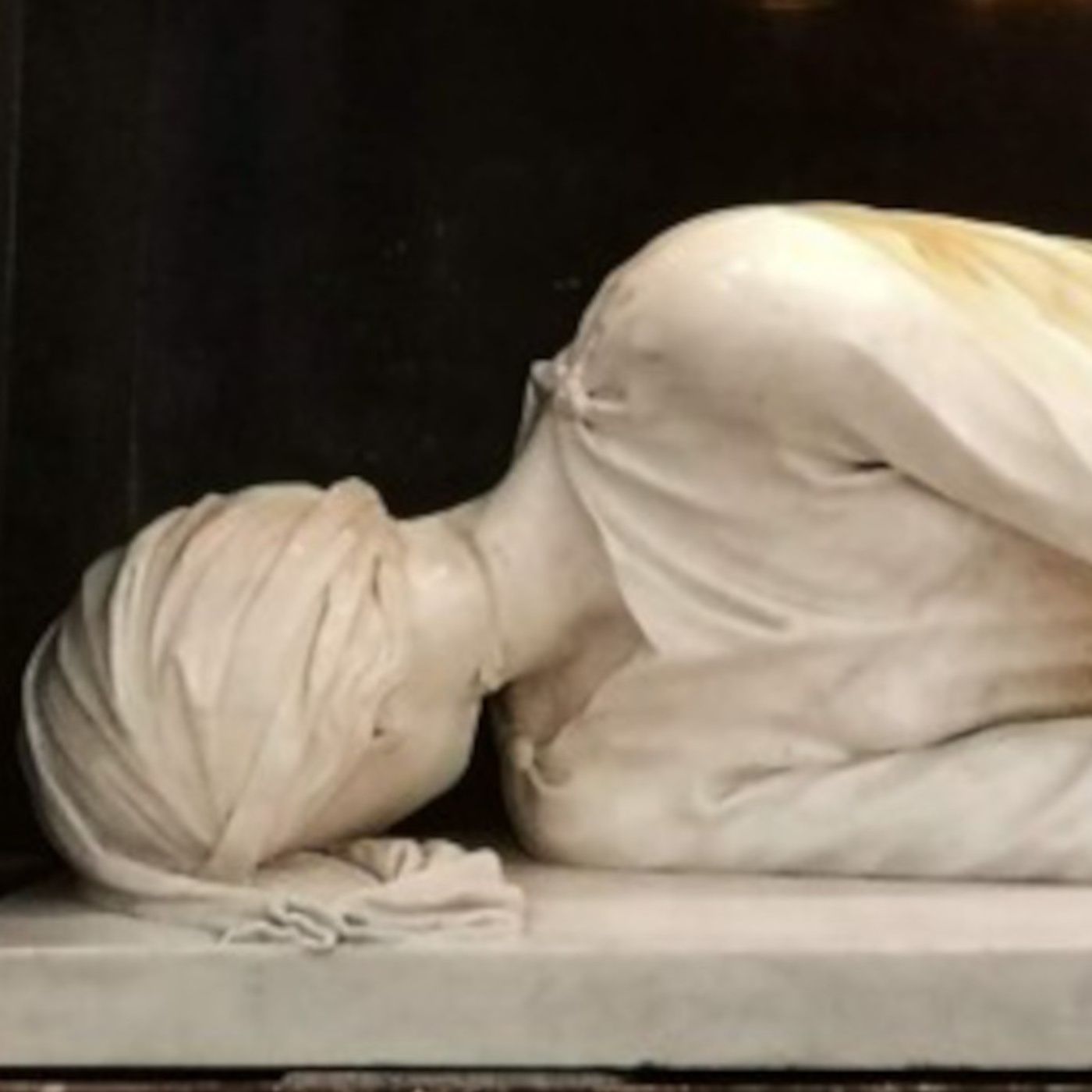
November 22: Saint Cecilia, Virgin and Martyr
Nov 22, 2026 · 6m
November 22: Saint Cecilia, Virgin and Martyrc. Third CenturyMemorial; Liturgical Color: RedPatron Saint of Music and MusiciansA girl martyr’s mysterious death seizes the imaginationThe First...

Our Lord Jesus Christ, King of the Universe
Nov 21, 2026 · 6m
Last Sunday in Ordinary Time: Our Lord Jesus Christ, King of the Universe Solemnity; Liturgical Color: White or Gold The vastness of creation serves as the Lord’s footstool This last Sunday in...
Take these sermons with you.
Follow Catholic Saints & Feasts in the Getsermons app to get every new sermon, build playlists, and pick up right where you left off.

